In the evolving landscape of global nutrition and agricultural efficiency, chicken bone protein powder has emerged as a critical resource for bridging the gap between waste management and high-value nutrient recovery. By transforming poultry by-products into a bioavailable protein source, the industry is not only optimizing the food chain but also providing a sustainable alternative to traditional soy or fishmeal supplements.
The global demand for efficient feed additives is skyrocketing as the population grows and the cost of raw materials fluctuates. Understanding the biochemical properties and industrial applications of chicken bone protein powder allows manufacturers in the feed, food, and pharmaceutical sectors to enhance product efficacy while adhering to strict environmental sustainability goals.
From improving skeletal development in livestock to acting as a pharmaceutical intermediate for specialized collagen-based products, the versatility of this material is profound. This comprehensive guide explores the technical nuances, global market trends, and innovative applications that make chicken bone protein powder a cornerstone of modern additive manufacturing.
Global Industry Context of Chicken Bone Protein Powder
The global poultry industry generates millions of tons of bone waste annually, presenting a significant environmental challenge if left untreated. However, through advanced rendering and hydrolysis processes, this waste is converted into chicken bone protein powder, transforming a liability into a high-demand commodity. According to industry standards aligned with ISO quality frameworks, the recovery of proteins and minerals from animal by-products is essential for achieving a circular economy in the food manufacturing sector.
Currently, the market faces a tension between the rising cost of traditional protein sources—such as fishmeal—and the stringent regulatory requirements for animal-derived additives. This has pushed researchers and manufacturers to optimize the purity and digestibility of chicken bone protein powder, ensuring it meets the safety benchmarks required for international trade and pharmaceutical-grade applications.
Definition and Biochemical Meaning
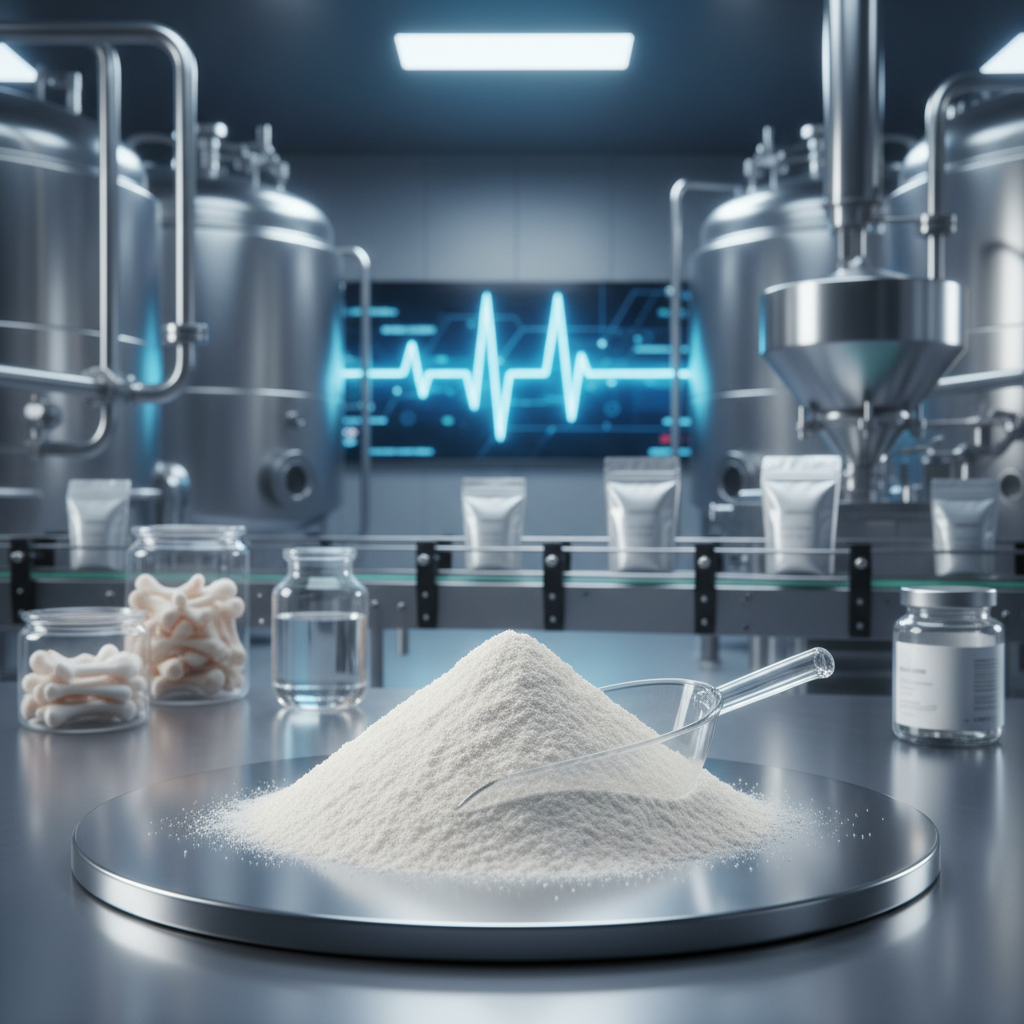
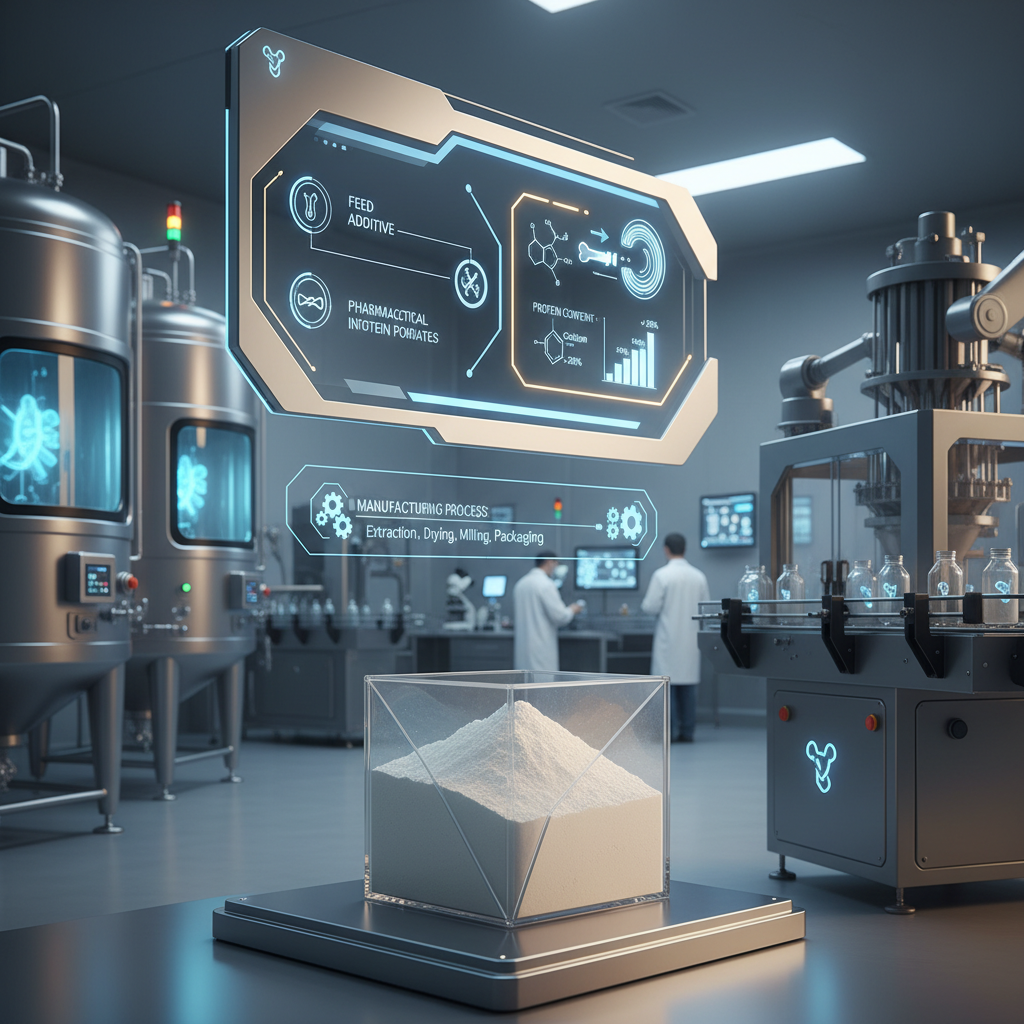
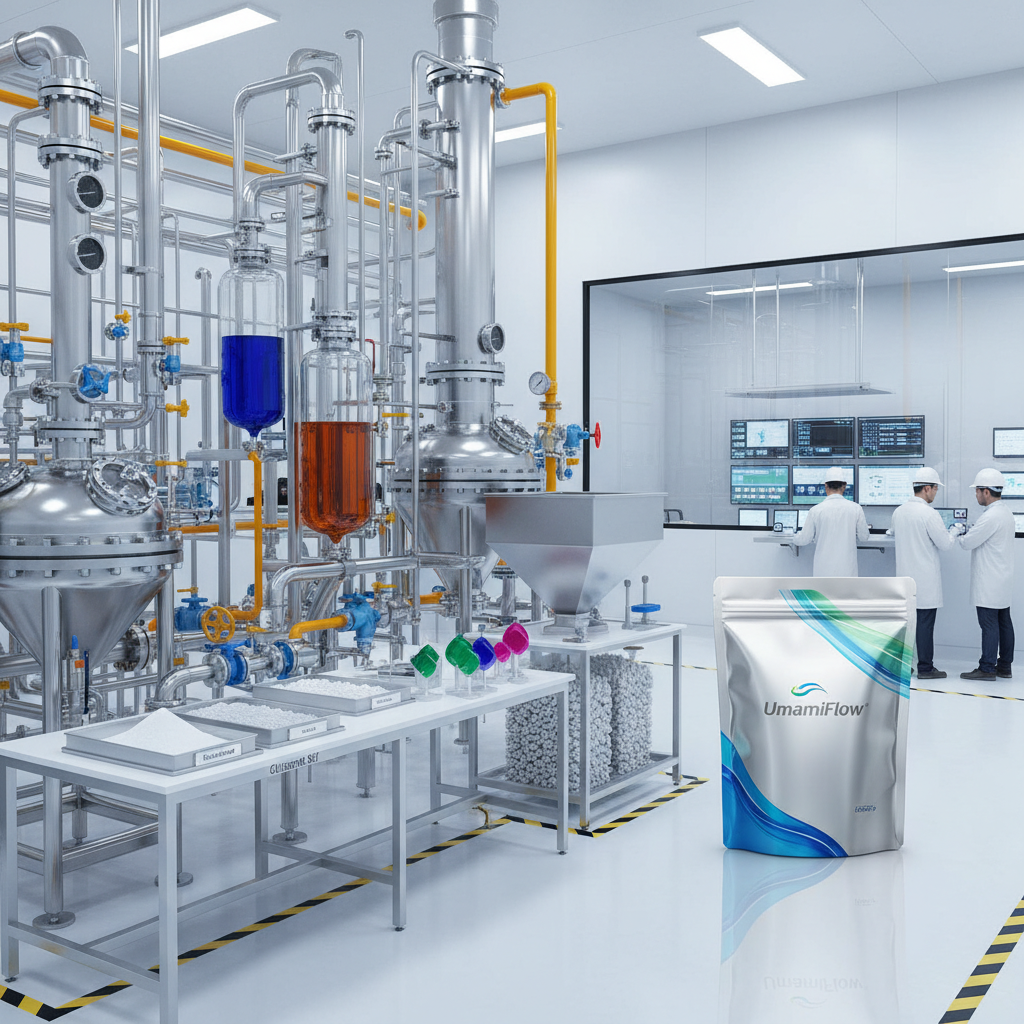
At its core, chicken bone protein powder is a nutrient-dense concentrate derived from the processing of poultry bones. It is produced through a sequence of cleaning, thermal treatment, and enzymatic hydrolysis, which breaks down complex collagen structures into smaller, more absorbable peptides and amino acids. This process ensures that the resulting powder is rich in calcium, phosphorus, and essential proteins.
Beyond simple nutrition, this material serves as a bridge between waste recovery and modern bio-industrial needs. In the context of "upcycling," the powder represents a shift toward sustainable sourcing, where the biological value of the entire animal is utilized. This is particularly relevant for the pharmaceutical industry, where the specific amino acid profiles found in bone proteins are used to synthesize specialized intermediates.
From a technical standpoint, the "meaning" of this product lies in its bioavailability. Unlike raw bone meal, a high-quality chicken bone protein powder is processed to remove impurities and optimize the protein-to-mineral ratio, making it an ideal additive for precision livestock feeding and functional food formulations.
Core Components and Performance Factors
The efficacy of chicken bone protein powder is primarily determined by its amino acid profile. Specifically, the concentration of glycine, proline, and hydroxyproline—the building blocks of collagen—determines how well the product supports joint health and tissue repair in target organisms.
Another critical factor is the mineral bioavailability. High-grade chicken bone protein powder must maintain a balanced calcium-to-phosphorus ratio, as this is the primary driver for its use in skeletal development additives within the feed industry.
Finally, the solubility and purity of the powder are paramount. Industrial-grade versions prioritize cost-efficiency and bulk protein content, while pharmaceutical-grade chicken bone protein powder requires advanced filtration to ensure the absence of contaminants and a high degree of peptide solubility.
Global Applications and Use Cases
In the realm of animal husbandry, chicken bone protein powder is widely utilized across Southeast Asia and Europe to enhance the growth rates of broiler chickens and swine. By providing a concentrated source of organic minerals, it reduces the reliance on inorganic salts, which are often less absorbable and can lead to environmental runoff.
Furthermore, in the pharmaceutical sector, the powder acts as a precursor for the production of gelatin and collagen peptides. In remote industrial zones where raw material logistics are challenging, the stability and long shelf-life of the powdered form make it a preferred choice for transporting essential protein building blocks.
Efficiency Comparison of Protein Recovery Methods
Tangible Advantages and Long-Term Value
The primary advantage of incorporating chicken bone protein powder into a production line is the significant reduction in raw material costs. By replacing expensive fishmeal or imported soy proteins, manufacturers can maintain their nutritional profiles while improving their bottom line, providing a logical economic incentive for adoption.
Beyond the financial aspect, there is a profound sustainability value. Utilizing poultry by-products reduces the landfill burden and lowers the carbon footprint associated with the production of virgin protein sources. This commitment to "green chemistry" fosters trust with consumers and regulatory bodies, enhancing the brand's reputation for innovation and ecological responsibility.
Future Trends and Technical Innovations
The future of chicken bone protein powder lies in the integration of nanotechnology and precision fermentation. Emerging techniques are allowing scientists to create "nano-peptides" from bone protein, which offer near-instant absorption rates and targeted delivery of minerals to specific tissues, potentially revolutionizing veterinary medicine.
Digital transformation is also playing a role through the implementation of AI-driven quality control. Real-time sensors can now monitor the hydrolysis process of chicken bone protein powder, adjusting temperature and pH levels automatically to ensure a consistent amino acid profile across every batch.
Furthermore, the shift toward a plant-forward world is ironically increasing the value of high-quality animal additives. As livestock farmers seek to produce more meat with fewer animals, the need for highly efficient, bioavailable supplements like bone protein powder becomes more critical to ensure animal welfare and skeletal integrity.
Industry Challenges and Strategic Solutions
One of the most persistent challenges in the production of chicken bone protein powder is the risk of contamination and the strict regulations surrounding Animal By-Products (ABP). Ensuring that the powder is free from pathogens and adheres to regional safety standards requires rigorous sterilization and validation protocols.
To overcome these hurdles, industry leaders are adopting "closed-loop" processing systems. By integrating the powder production facility directly within the poultry processing plant, the risk of cross-contamination during transport is eliminated, and the freshness of the raw material is preserved, resulting in a higher quality final product.
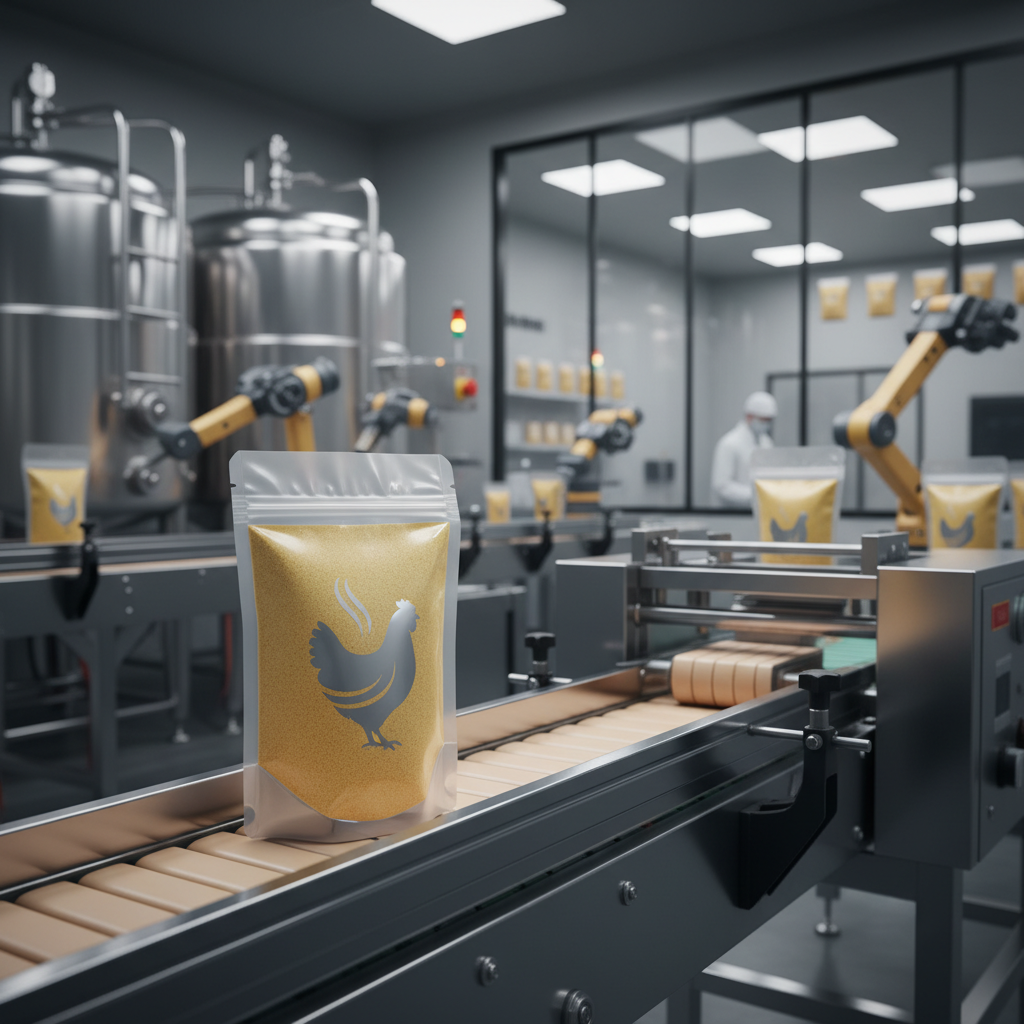
Another limitation is the sensory profile—specifically the odor and color—which can be off-putting in certain food applications. The solution lies in advanced deodorization technologies, such as vacuum stripping and activated carbon filtration, which refine chicken bone protein powder into a neutral, versatile ingredient.
Comparative Analysis of Chicken Bone Protein Powder Grade Specifications
| Product Grade |
Protein Purity |
Solubility Rate |
Primary Application |
| Industrial Grade |
45% - 60% |
Low |
Bulk Animal Feed |
| Feed Grade Premium |
60% - 75% |
Moderate |
Precision Livestock Nutrition |
| Food Additive Grade |
75% - 85% |
High |
Nutritional Supplements |
| Pharmaceutical Grade |
> 85% |
Very High |
Collagen Intermediates |
| Hydrolyzed Peptide |
80% - 90% |
Instant |
Medical Grade Gelatins |
| Organic Certified |
55% - 70% |
Moderate |
Eco-Friendly Feed |
FAQS
Unlike standard bone meal, which is primarily a mineral source, chicken bone protein powder undergoes enzymatic hydrolysis. This process breaks down the proteins into bioavailable peptides, significantly increasing the absorption rate of both the amino acids and the bound minerals (calcium and phosphorus), making it far more effective for rapid growth and tissue repair.
Yes, provided it is processed in accordance with ISO and regional ABP (Animal By-Product) regulations. High-quality manufacturers use thermal sterilization and strict traceability systems to ensure the powder is free from pathogens, making it suitable for global trade in the feed and pharmaceutical additive markets.
Depending on the grade, yes. While industrial grades are for feed, "Food Additive Grade" and "Pharmaceutical Grade" versions are processed using food-safe catalysts and high-level filtration to remove odors and impurities, allowing them to be used as collagen precursors in nutritional supplements.
It promotes a circular economy by converting poultry waste—which would otherwise contribute to landfill methane emissions—into a high-value nutrient. This reduces the environmental pressure to produce soy or fishmeal, both of which have significant ecological footprints related to deforestation and overfishing.
When stored in a cool, dry environment in airtight packaging, chicken bone protein powder typically has a shelf life of 12 to 24 months. Its low moisture content prevents microbial growth, making it an ideal ingredient for long-term storage and international shipping.
Selection should be based on required purity and solubility. For bulk livestock feed, Industrial Grade is cost-effective. For specialized animal health or human supplements, Pharmaceutical or Hydrolyzed grades are necessary to ensure high bioavailability and a neutral sensory profile.
Conclusion
In summary, chicken bone protein powder represents a sophisticated intersection of environmental stewardship and nutritional science. By optimizing the recovery of proteins and minerals from poultry by-products, the industry provides a sustainable, cost-effective, and highly efficient alternative to traditional protein sources. From its role in skeletal development in livestock to its application as a pharmaceutical intermediate, the long-term value of this material is evident in its versatility and bio-efficacy.
Looking forward, the continued integration of AI-driven processing and nanotechnology will likely unlock even greater potential for this resource, enabling precision nutrition on a global scale. For manufacturers and distributors seeking to enhance their product lines with sustainable, high-performance additives, investing in high-purity bone protein is a strategic move toward both profitability and planetary health. Visit our website: www.chinaseasoning.com