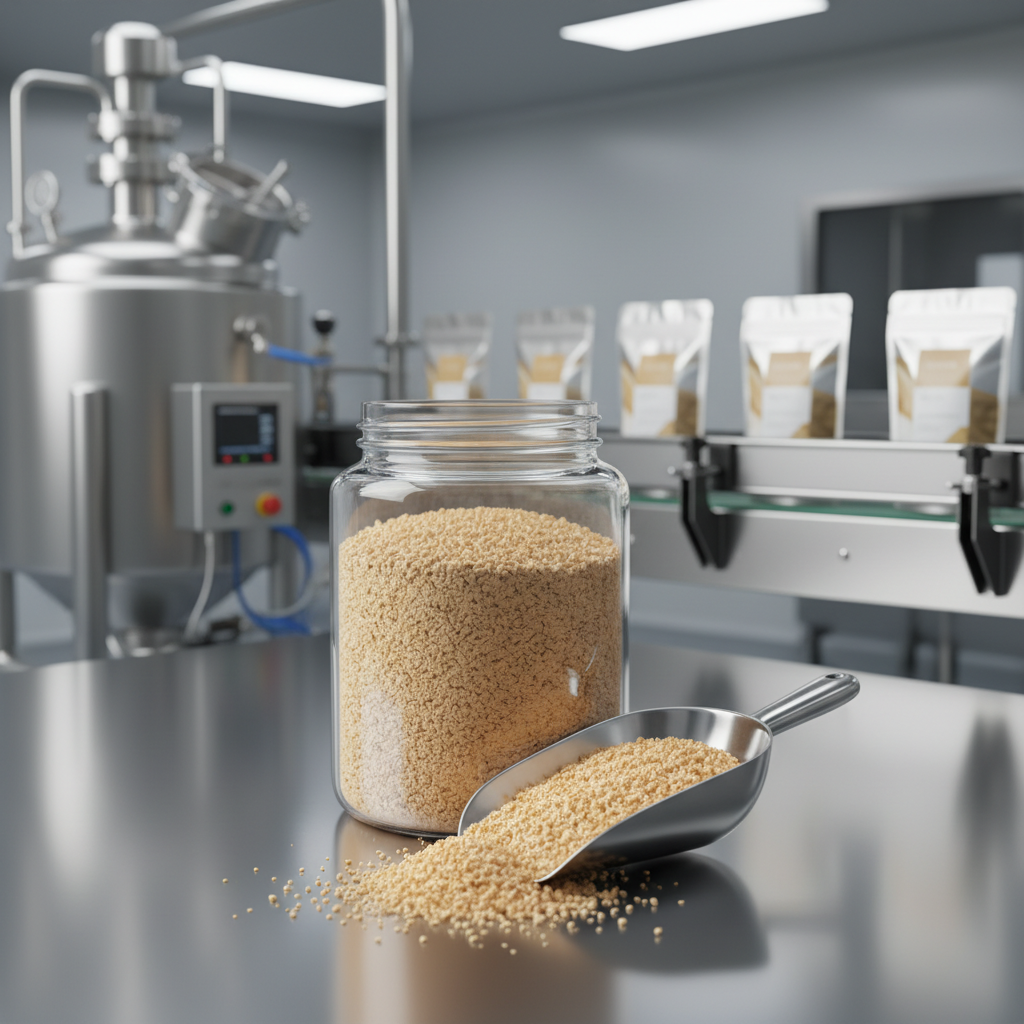
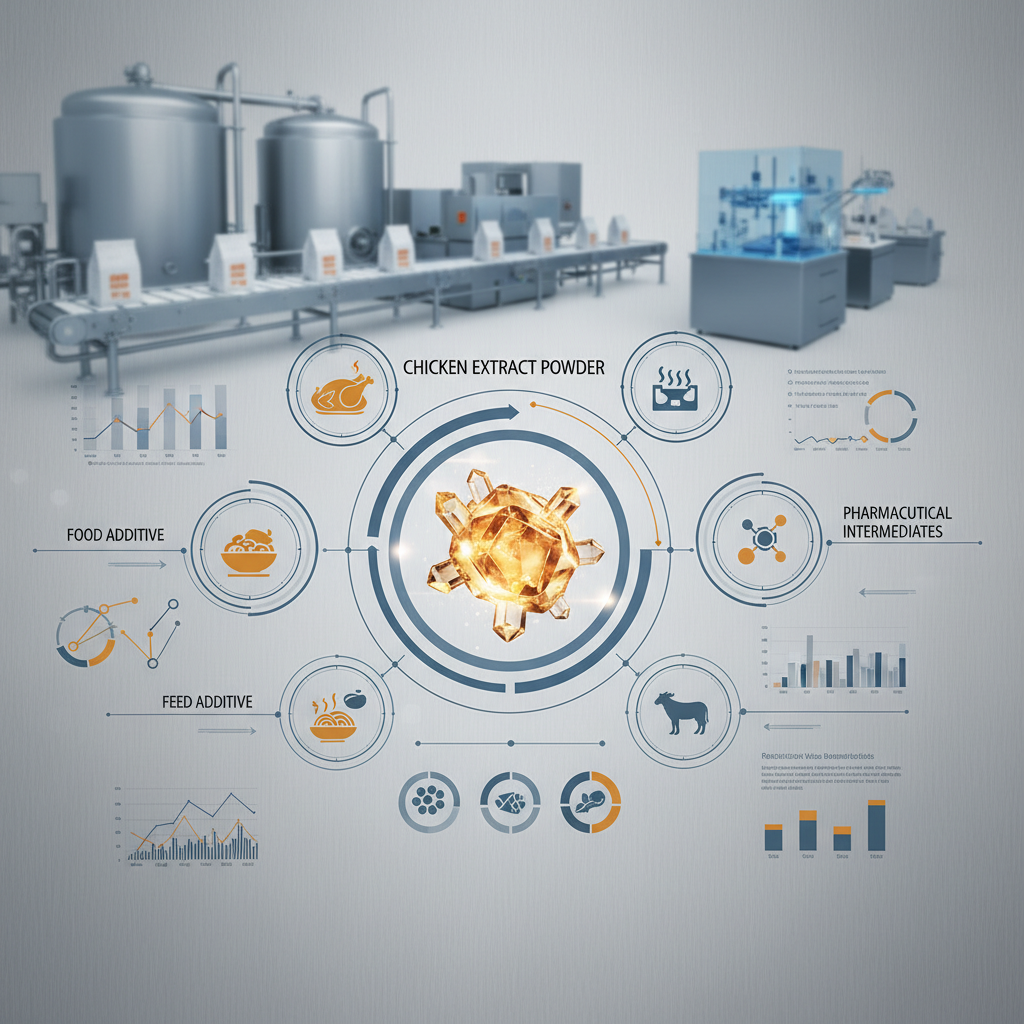
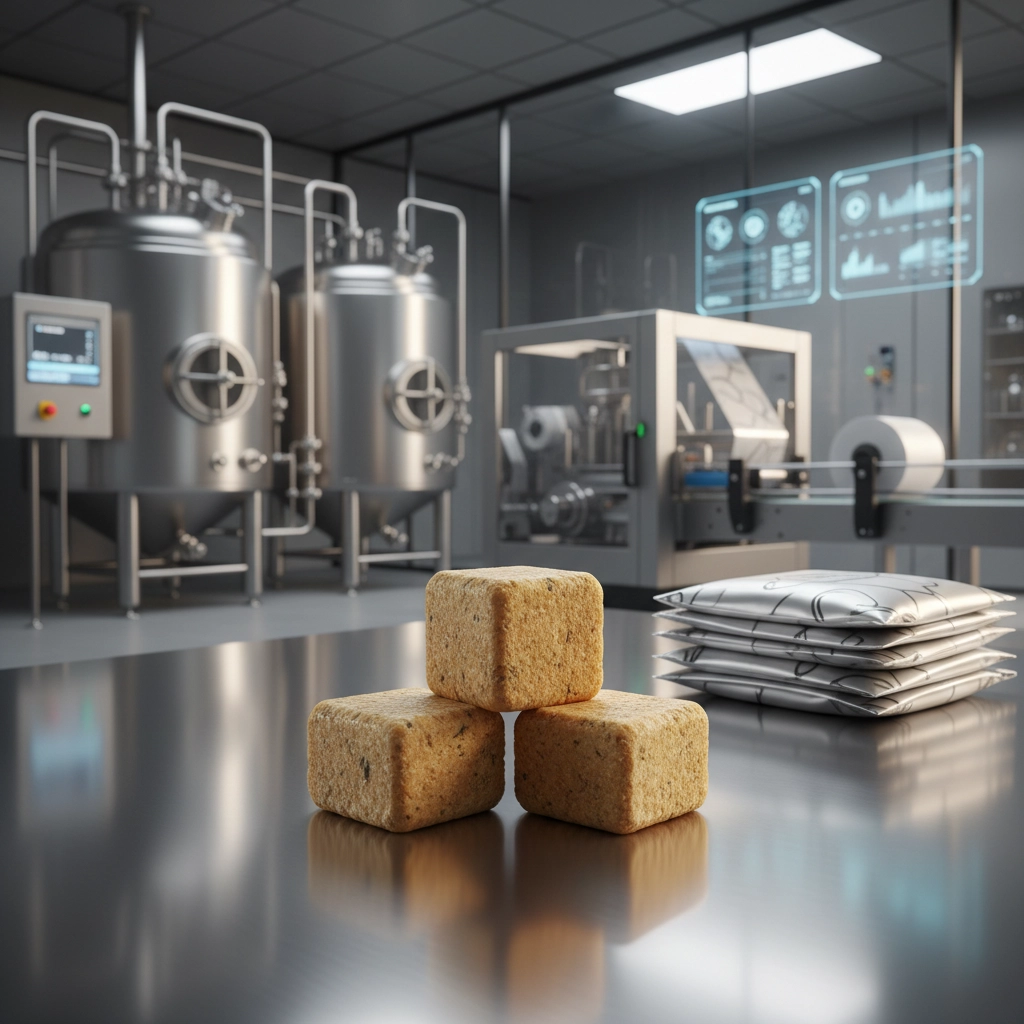
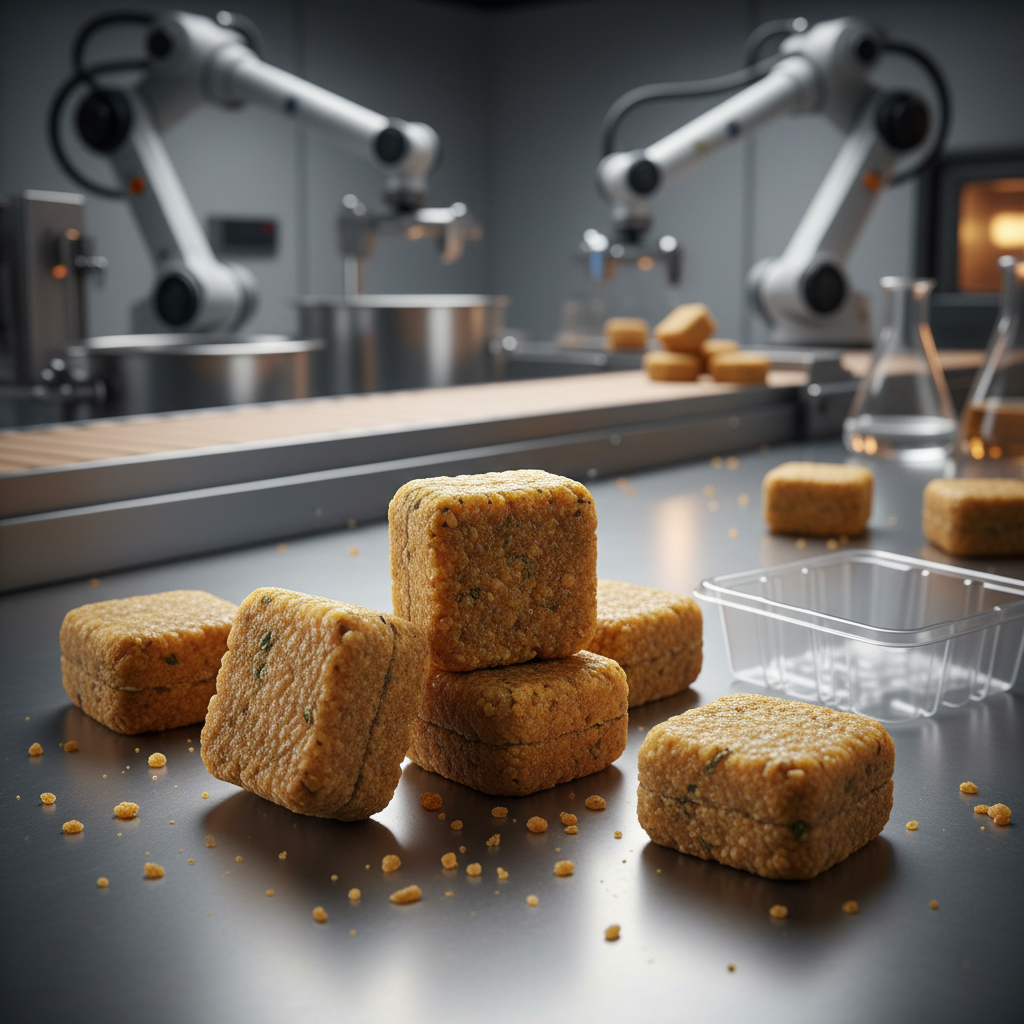
In the competitive landscape of the global food industry, achieving a consistent, rich, and authentic savory profile is a constant challenge for manufacturers. chicken extract powder has emerged as a cornerstone ingredient, providing a concentrated source of umami that elevates the sensory experience of countless processed foods. By bridging the gap between raw ingredients and gourmet flavor, this additive allows brands to maintain quality while optimizing production costs.
The global demand for convenient, ready-to-eat meals has accelerated the adoption of high-performance flavor enhancers. As consumers increasingly seek "cleaner" labels without sacrificing the taste they love, the role of chicken extract powder becomes even more critical. It offers a natural alternative to purely synthetic flavorings, providing a complex amino acid profile that mimics the depth of slow-simmered chicken stock in a fraction of the time.
Understanding the technical specifications and application methods of this ingredient is essential for food scientists and procurement managers alike. From optimizing the salt-to-protein ratio to ensuring stability during high-temperature processing, the strategic use of chicken extract powder ensures that the final product remains palatable, aromatic, and commercially viable across diverse global markets.
Global Industry Context of Chicken Extract Powder
The global seasoning market has seen a significant shift toward concentrated extracts. According to industry trends aligned with ISO food safety standards, the integration of chicken extract powder allows manufacturers to scale production while maintaining a standardized taste profile, regardless of the geographical origin of the raw poultry. This is particularly vital in regions where fresh poultry supply chains are volatile.
The primary challenge addressed by this powder is the inconsistency of natural broths. Traditional simmering is time-consuming and prone to batch-to-batch variation. By utilizing a standardized powder, companies can guarantee that every unit of soup, snack, or sauce tastes identical, meeting the strict quality control requirements of international retail chains and food service giants.
Definition and Technical Meaning
At its core, chicken extract powder is a dehydrated concentrate derived from the hydrolysis of chicken meat and bones. Through a process of enzymatic extraction and spray drying, the water is removed, leaving behind a potent mixture of proteins, peptides, and natural minerals that provide a deep, savory "umami" flavor.
In the context of modern food manufacturing, this substance is more than just a seasoning; it is a functional ingredient. It acts as a flavor foundation that enhances the perception of salt and sweetness, allowing manufacturers to potentially reduce sodium levels while maintaining a satisfying taste profile, thus aligning with global health initiatives.
From a humanitarian and industrial perspective, the powder form ensures extreme stability and a long shelf life. This makes it an ideal component for food aid packages, military rations, and remote industrial kitchen operations where refrigeration is unavailable but high-protein, flavorful food is necessary for morale and nutrition.
Core Components for Quality Assurance
One of the primary factors in evaluating chicken extract powder is its Umami Intensity. This is determined by the concentration of free glutamic acid and nucleotides, which trigger the savory taste receptors on the human tongue, creating a rich mouthfeel and lingering aftertaste.
Solubility and Dispersion are equally critical. A high-grade chicken extract powder must dissolve rapidly in both hot and cold liquids without clumping. This ensures a homogenous distribution of flavor throughout the product, preventing "flavor spots" in commercial soups or sauces.
Finally, Stability and Purity define the product's lifespan. The absence of excessive fats prevents oxidation and rancidity, while strict adherence to pharmaceutical-grade intermediate standards ensures that the powder is free from contaminants, making it safe for use in everything from baby food to pharmaceutical-grade nutritional supplements.
Practical Applications and Use Cases
The versatility of chicken extract powder extends across multiple industries. In the snack food sector, it is used as a dry coating for chips and extruded puffs, providing an instant burst of savory flavor. In the beverage industry, it serves as the base for bouillon cubes and instant soup mixes, where rapid rehydration is key.
Beyond consumer goods, it is widely used in institutional catering. For example, in large-scale hospital kitchens or remote mining camps, using a concentrated powder allows chefs to prepare high-volume stocks and gravies with consistent nutritional value and taste, reducing the labor costs associated with traditional stock production.
Efficiency Comparison of Chicken Extract Powder Methods
Tangible Advantages and Long-Term Value
The primary logic for adopting chicken extract powder is cost-efficiency and reliability. By replacing bulk liquid stocks with a concentrated powder, companies drastically reduce shipping costs and storage requirements. The emotional value for the consumer lies in the "comfort" of the taste—a familiar, home-cooked flavor delivered in a modern, convenient format.
Furthermore, the sustainability angle is significant. Concentrated powders reduce the carbon footprint associated with transporting water. For manufacturers, the reliability of a standardized additive means fewer rejected batches and a more streamlined R&D process when developing new product lines, ultimately fostering a culture of innovation and trust with the end-user.
Future Trends and Flavor Innovations
The future of chicken extract powder is leaning heavily toward "Clean Label" technology. We are seeing a move away from synthetic MSG toward natural yeast extracts and fermented chicken proteins that provide the same umami punch but with a more appealing ingredient list for health-conscious consumers.
Digital transformation in manufacturing is also playing a role. Precision fermentation and AI-driven flavor profiling are allowing producers to customize the amino acid composition of the powder to target specific taste receptors, creating "hyper-savory" profiles that can reduce the need for additional salt or sugar in food formulations.
Additionally, there is a growing trend in integrating the powder into "hybrid" products—blending traditional chicken extracts with plant-based proteins. This allows brands to enter the vegan-friendly or flexitarian markets while maintaining a flavor profile that mimics real meat, bridging the gap between sustainability and indulgence.
Common Challenges and Expert Solutions
One common limitation is the "flatness" of flavor that can occur in low-quality chicken extract powder. To overcome this, expert formulators recommend a "layering" approach, combining the extract with a small percentage of aromatic spices or natural yeast extracts to add top notes and complexity to the overall flavor profile.
Another challenge is caking and hygroscopicity, where the powder absorbs moisture and forms lumps. The solution lies in advanced spray-drying techniques and the use of food-grade anti-caking agents or specialized moisture-barrier packaging, ensuring the product remains free-flowing from the factory to the production line.
Finally, achieving the perfect balance between saltiness and savoriness can be tricky. By utilizing a low-sodium version of the extract and augmenting it with potassium salts or flavor enhancers, manufacturers can create a product that tastes "rich" without exceeding dietary sodium limits, satisfying both culinary and health requirements.
Analysis of Chicken Extract Powder Quality and Application Metrics
| Grade Type |
Umami Intensity (1-10) |
Solubility Rate |
Primary Application |
| Industrial Grade |
7 |
Moderate |
Bulk Seasoning |
| Premium Food Grade |
9 |
High |
Gourmet Soups |
| Low-Sodium Grade |
8 |
High |
Health Foods |
| Organic Certified |
6 |
Moderate |
Clean Label Products |
| Concentrated Base |
10 |
Very High |
Industrial Concentrates |
| Feed Additive Grade |
5 |
Moderate |
Animal Nutrition |
FAQS
Chicken extract powder is a concentrated form of the actual chicken essence, focusing on the protein and umami components. Bouillon is typically a mixture that includes the extract but adds significant amounts of salt, fillers, and artificial flavorings to create a complete "stock" experience. The powder is more versatile for industrial formulation.
It should be stored in a cool, dry environment in airtight containers. Because it is highly hygroscopic, exposure to humidity will cause it to cake. Using desiccant packs in the bulk packaging and maintaining a temperature-controlled warehouse is highly recommended for industrial quantities.
Yes, provided the powder is of high purity. However, extreme overheating can lead to a "burnt" note due to the Maillard reaction between amino acids and residual sugars. For heat-sensitive applications, we recommend incorporating the powder into the liquid phase before applying high heat.
Traditional chicken extract powder is derived from poultry and is not vegan. However, many manufacturers now produce "chicken-style" extract powders using yeast and mushroom proteins that mimic the savory profile of chicken, which are suitable for vegan and vegetarian applications.
Because the powder is rich in natural glutamates, it enhances the "perception" of saltiness. This means a manufacturer can reduce the actual sodium chloride content without the food tasting bland, helping brands meet health regulations while maintaining flavor integrity.
For global trade, look for ISO 22000, HACCP, and HALAL or KOSHER certifications depending on your target market. These ensure that the production process meets international safety and dietary standards, facilitating smoother customs clearance and consumer trust.
Conclusion
In summary, chicken extract powder represents a vital intersection of culinary art and chemical engineering. By providing a stable, concentrated, and highly efficient source of savory flavor, it solves the industry's most pressing problems regarding consistency, cost, and logistics. From its role in enhancing umami to its ability to support sodium reduction, this ingredient is indispensable for any food manufacturer aiming for excellence in the modern market.
As we look toward the future, the evolution of this ingredient will likely be driven by the demand for clean labels and sustainable sourcing. For businesses looking to optimize their flavor profiles and scale their production, investing in high-grade, standardized extracts is the most reliable path to success. We invite you to explore our premium range of solutions to elevate your products. Visit our website: www.chinaseasoning.com