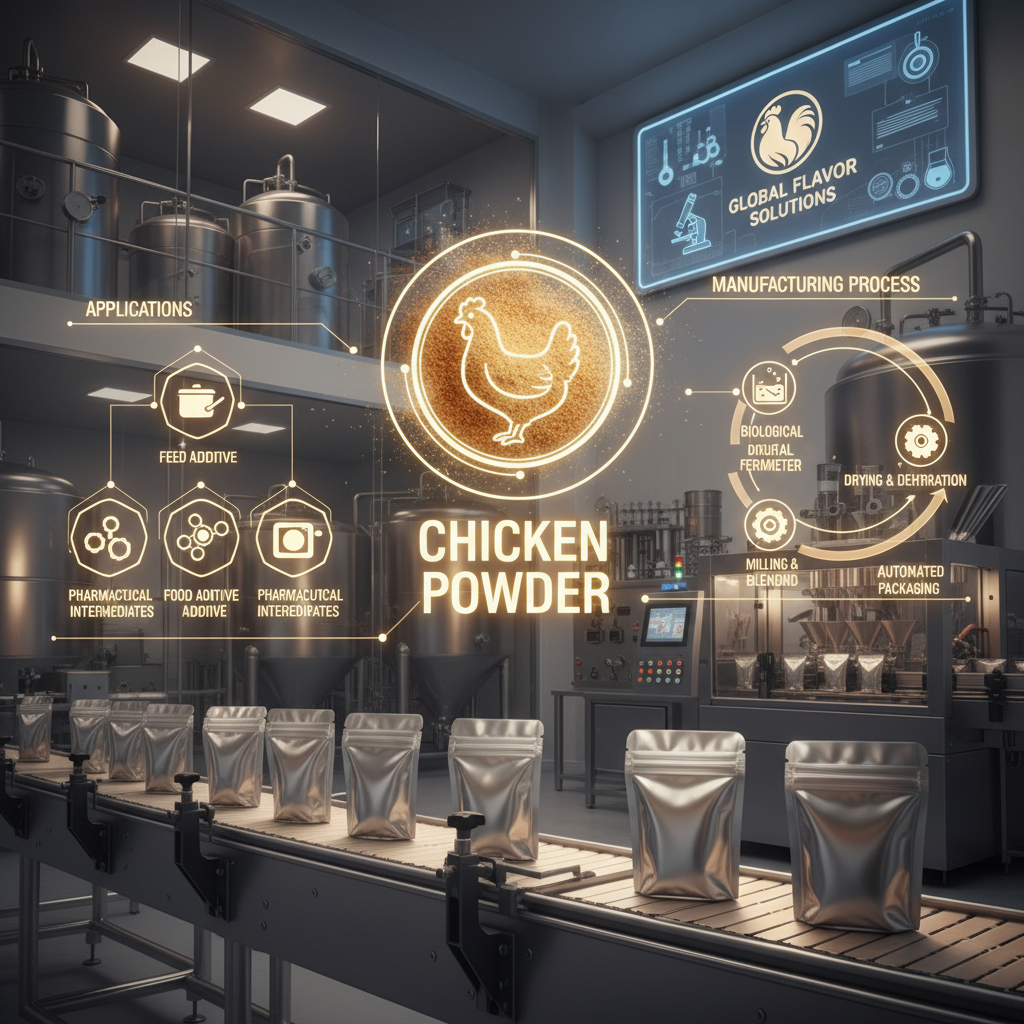
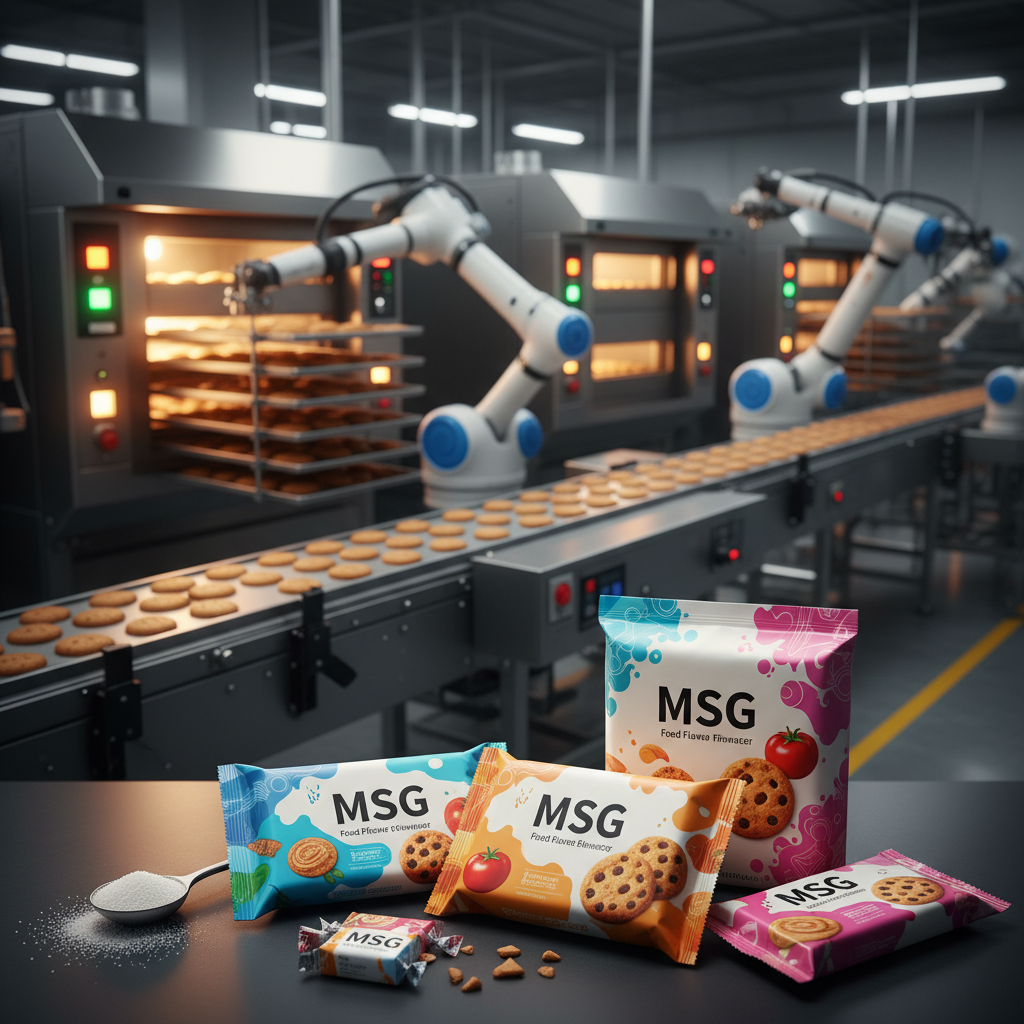
In the competitive landscape of modern food manufacturing, the demand for efficient, high-impact flavor enhancers has led to the widespread adoption of chicken powder. This versatile additive serves as a cornerstone for creating consistent, savory profiles in everything from instant noodles to complex gourmet sauces, bridging the gap between traditional slow-cooked stocks and the speed of industrial production.
Globally, the shift toward convenience foods has accelerated the necessity for stabilized seasoning agents. The ability of chicken powder to provide a rich, "umami" depth without the logistical nightmare of transporting liquid broths makes it an indispensable asset for food processors and pharmaceutical intermediaries focusing on nutritional supplements.
Understanding the technical nuances of this additive—from its solubility and salt content to its interaction with other food additives—is crucial for brands aiming to optimize cost-efficiency while maintaining premium taste standards. By mastering the application of these powders, manufacturers can ensure global scalability and flavor uniformity across different regional markets.
Global Industry Context of Chicken Powder
The global market for savory seasonings has seen a significant uptick, with chicken powder leading the charge in the Asia-Pacific and African regions. According to food industry trends aligned with ISO quality standards, the move toward "ready-to-eat" (RTE) meals has forced manufacturers to seek ingredients that offer high stability and rapid dissolution.
However, the industry faces a recurring challenge: balancing the authentic taste of natural chicken extracts with the cost-effectiveness of synthetic flavor enhancers. This tension has driven a wave of innovation in spray-drying technologies and the integration of organic feed additives to create a more "natural" profile that satisfies both regulators and consumers.
Defining the Composition of Chicken Powder
At its core, chicken powder is a dehydrated seasoning agent designed to replicate the complex flavor profile of roasted or boiled chicken. It typically consists of a blend of chicken extract, salt, maltodextrin, and various flavor enhancers like MSG or yeast extract, processed into a fine powder that is easily integrated into aqueous solutions.
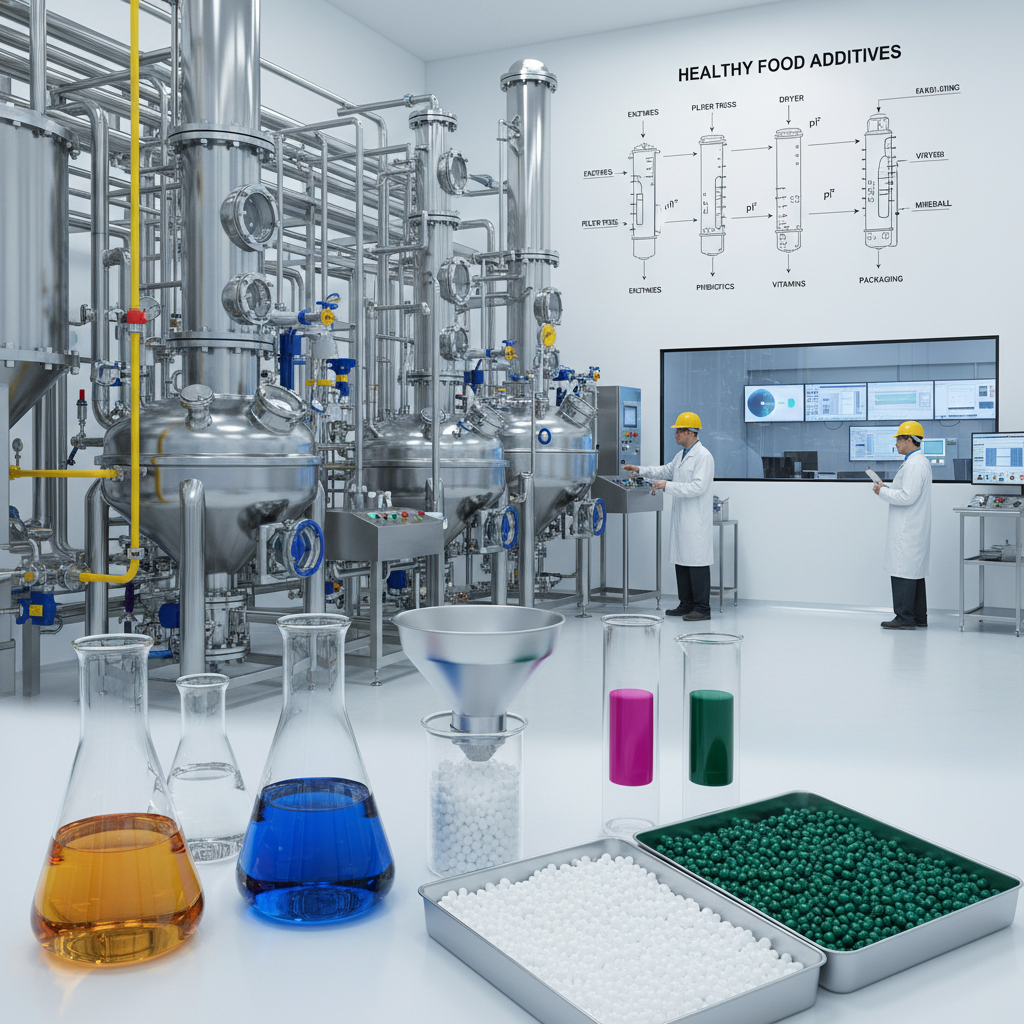
Beyond mere taste, this product serves as a critical component in the broader food additive industry. By concentrating the savory proteins and fats, it provides a standardized "base" that eliminates the variability found in raw agricultural poultry products, allowing for precise recipe formulation in large-scale industrial kitchens.
In recent years, the definition has expanded to include "clean label" versions. These variants remove artificial preservatives and colors, focusing instead on high-pressure extraction and vacuum drying to preserve the volatile aromatic compounds that give the powder its characteristic appetizing scent.
Key Factors for Quality and Stability
One of the primary metrics for evaluating chicken powder is its solubility. A high-quality powder must dissolve rapidly without clumping, ensuring that the flavor is evenly distributed throughout the food matrix, whether it is a soup, a snack seasoning, or a meat filler.
Hygroscopicity—the tendency to absorb moisture from the air—is a critical stability factor. If not properly formulated with anti-caking agents, the powder can solidify, reducing its shelf life and making it difficult to dispense in automated factory settings. This is why precise moisture control during the drying phase is non-negotiable.
Finally, the balance of the "Umami" profile is what defines commercial success. By adjusting the ratio of glutamates to nucleotides, manufacturers can create a taste that is deep and lingering, providing the logical "satisfaction" consumers associate with high-protein meals while keeping production costs sustainable.
Global Applications and Use Cases
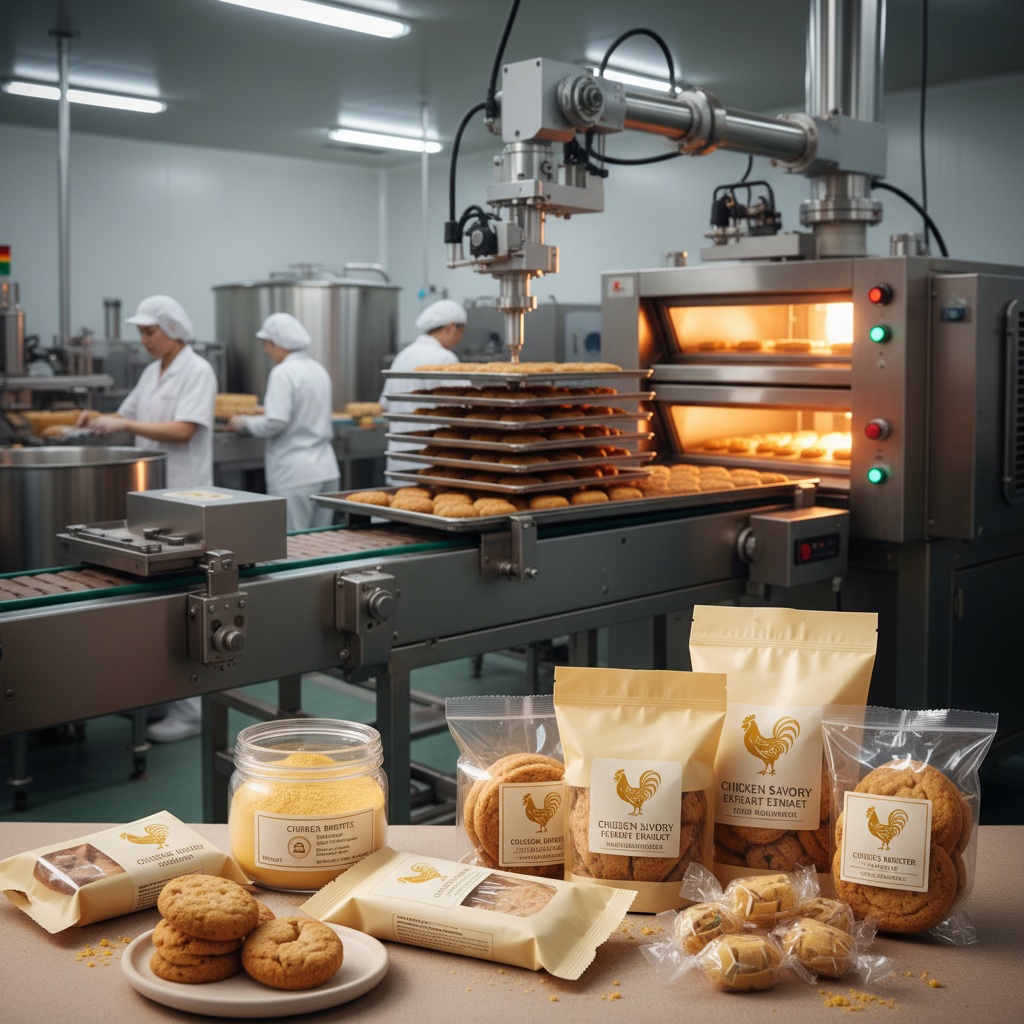
The application of chicken powder spans multiple continents and industries. In the FMCG sector, it is the primary flavoring agent for instant bouillon cubes and powdered soups in Europe and North America, where consistency across millions of units is the top priority.
In more specialized contexts, such as remote industrial zones or emergency food relief operations, the powder's lightweight nature and long shelf life are invaluable. It allows NGOs to provide nutrient-dense, flavorful meals to displaced populations without requiring cold-chain logistics or fresh meat supplies.
Comparative Efficiency of Chicken Powder Formulation Methods
Tangible Advantages and Long-Term Value
The primary logical advantage of using chicken powder is the drastic reduction in operational costs. By replacing fresh poultry stocks with a concentrated powder, manufacturers eliminate the energy costs associated with long simmering times and the waste associated with raw meat spoilage.
Beyond the balance sheet, there is an emotional value tied to reliability. Food brands can guarantee their customers the exact same taste experience whether the product is consumed in Tokyo or New York. This trust in brand consistency is what builds long-term customer loyalty in the global food additive market.
Future Trends and Innovations in Seasoning
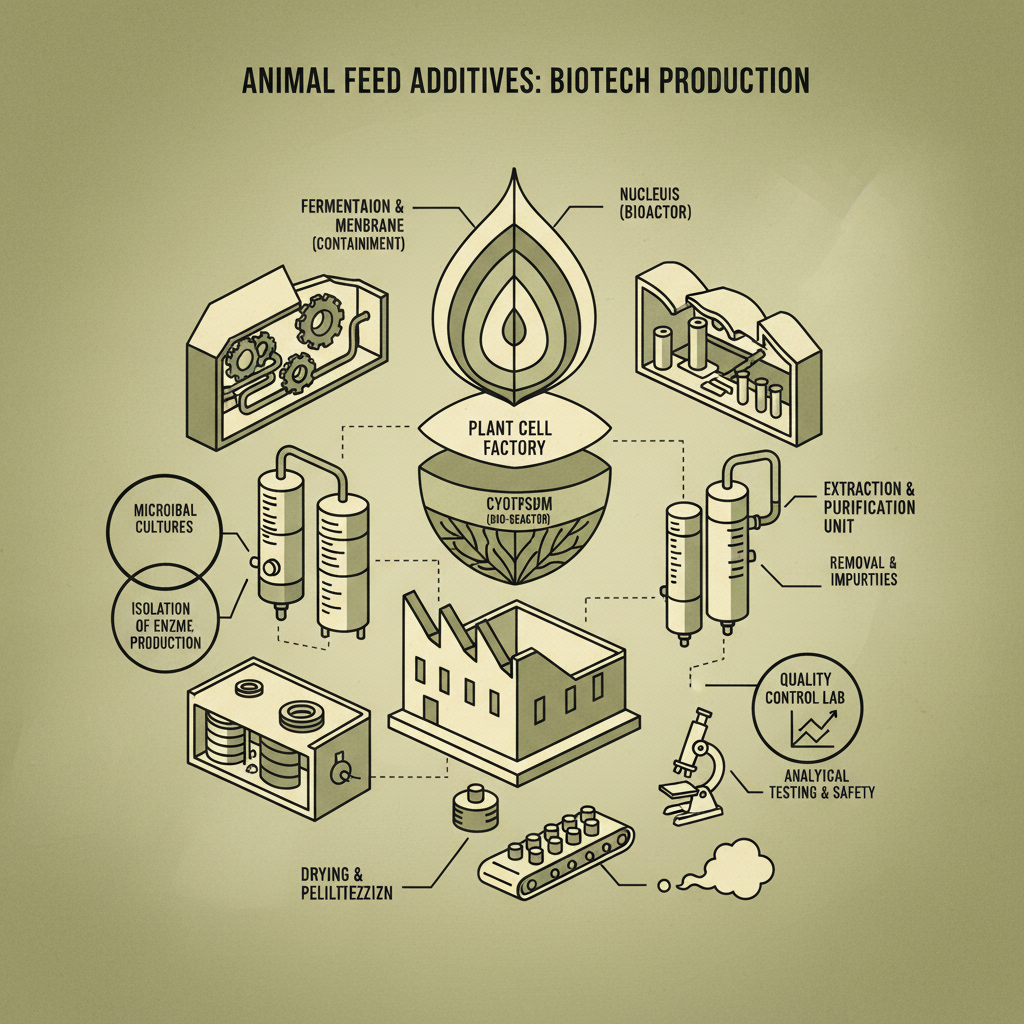
The future of chicken powder is leaning heavily toward sustainability and biotechnology. We are seeing a rise in "hybrid powders" that combine traditional chicken extracts with fermented plant proteins to reduce the environmental footprint of poultry farming while maintaining the same savory profile.
Digital transformation is also playing a role, with AI-driven flavor profiling allowing chemists to tweak the molecular structure of the powder to target specific regional palates. This precision ensures that the "chicken" taste is optimized for the specific salt and acidity levels of different local cuisines.
Furthermore, the integration of green energy in the spray-drying process is becoming a standard. By utilizing solar-thermal energy for dehydration, manufacturers are lowering the carbon intensity of their production lines, aligning the product with global ESG (Environmental, Social, and Governance) goals.
Challenges and Expert Solutions
One of the most persistent challenges in the industry is the "artificial" aftertaste often associated with low-grade chicken powder. This is usually caused by an over-reliance on cheap MSG and a lack of complex amino acids found in real chicken meat.
To overcome this, experts recommend a "layered flavoring" approach. Instead of a single powder, manufacturers use a base powder for bulk umami and a secondary "aroma powder" containing volatile oils and fats that are added at the final stage of production to simulate the scent of fresh roasting.
Another hurdle is the stringent regulatory environment regarding sodium levels. The solution lies in the use of potassium salts and yeast extracts that mimic the salty punch of sodium chloride without the associated health risks, allowing for "Low Sodium" labels without sacrificing the core chicken flavor.
Technical Analysis of Chicken Powder Grade Performance
| Grade Level |
Extraction Method |
Flavor Purity |
Cost Efficiency |
| Premium Grade |
Freeze-Drying |
9.8/10 |
Low |
| Industrial Grade A |
Spray-Drying |
8.2/10 |
Medium |
| Industrial Grade B |
Drum-Drying |
6.5/10 |
High |
| Economic Grade |
Chemical Blend |
4.0/10 |
Very High |
| Organic Grade |
Low-Temp Vacuum |
9.0/10 |
Low |
| Hybrid Grade |
Mixed Extraction |
7.5/10 |
Medium |
FAQS
While both provide chicken flavor, chicken powder is usually a finer, more concentrated additive used as a component in larger recipes. Bouillon is often a pre-formulated cube or powder designed to be the primary base of a soup, typically containing higher concentrations of salt and binders to hold the cube shape.
To prevent caking, ensure the product is stored in an airtight container in a cool, dry environment. From a manufacturing perspective, adding a small percentage of food-grade silicon dioxide or similar anti-caking agents during the blending process can significantly improve flowability and shelf stability.
Standard chicken powder contains poultry extracts. However, many manufacturers now produce "chicken-style" seasoning powders using yeast extracts, mushrooms, and soy proteins. These mimic the savory umami profile of chicken without using animal products, making them ideal for plant-based food additives.
Spray-drying is efficient but uses heat, which can volatilize some of the delicate aromatic compounds. To counteract this, premium manufacturers often use a "back-mixing" technique or supplement the spray-dried base with a small amount of cold-pressed chicken essence to restore the fresh aroma.
When stored correctly in vacuum-sealed industrial packaging, high-quality chicken powder typically remains stable for 12 to 24 months. The primary degradation factors are humidity and oxygen, which can lead to lipid oxidation (rancidity) if the powder contains high fat levels.
Yes, specifically in the production of nutritional supplements, medical-grade meal replacements, and appetite stimulants for patients with malnutrition. In these cases, a high-purity, low-sodium version is used to provide flavor without interfering with the patient's therapeutic dietary restrictions.
Conclusion
In summary, chicken powder is far more than a simple seasoning; it is a sophisticated tool of food engineering that enables global scalability, cost-efficiency, and flavor consistency. By understanding the interplay between solubility, hygroscopicity, and umami balance, manufacturers can elevate their products from basic offerings to premium market leaders.
Looking ahead, the integration of biotech alternatives and sustainable processing will redefine the industry. We encourage food scientists and procurement managers to move toward high-purity, clean-label formulations that meet the growing consumer demand for transparency. To source the highest industrial standards of seasoning, visit our website: www.chinaseasoning.com