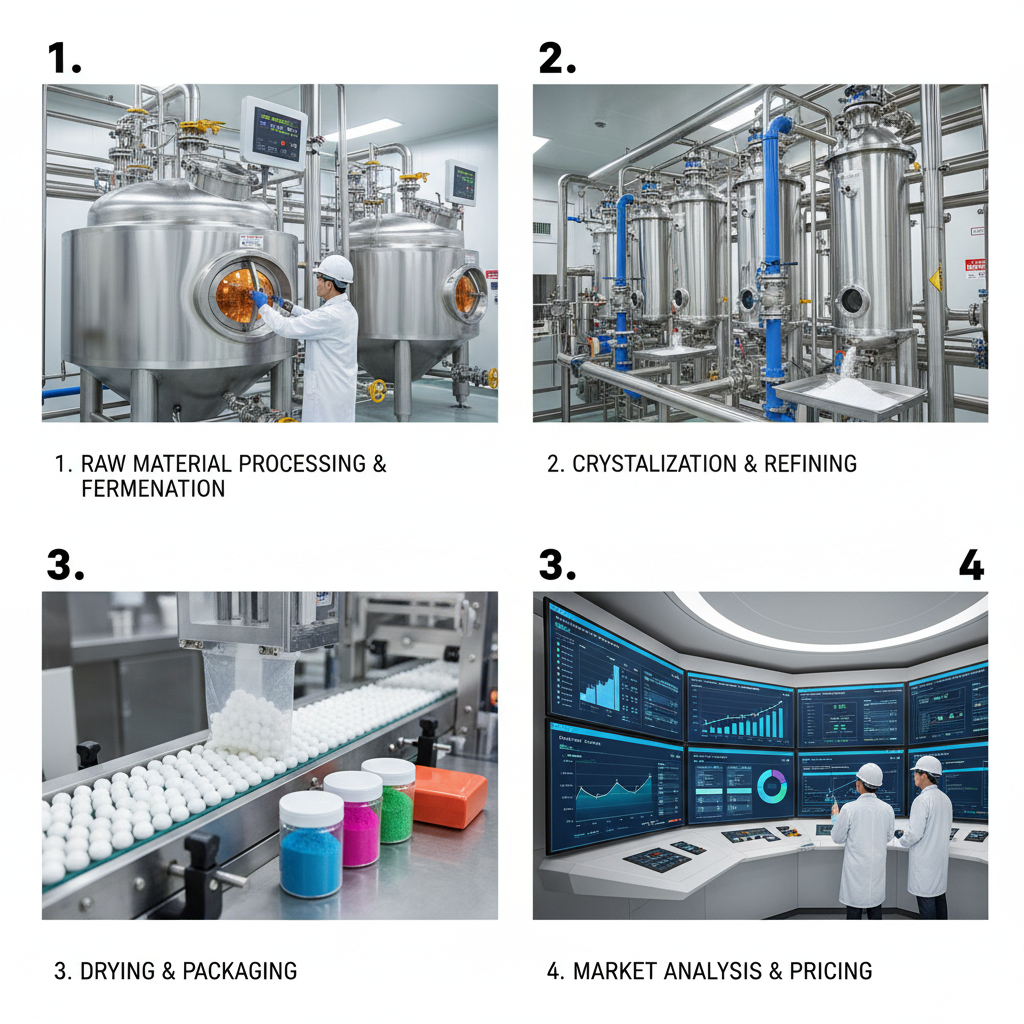
In the competitive landscape of the global food industry, the demand for consistent, high-quality flavor profiles has led to the widespread adoption of specialized additives. Among these, chicken seasoning powder stands out as a critical component for manufacturers seeking to standardize taste across diverse product lines while maintaining cost-efficiency. By blending savory extracts, salts, and aromatic spices, this additive ensures that every batch of food meets the exact sensory expectations of the consumer.
The global shift toward convenience foods and ready-to-eat meals has accelerated the reliance on advanced seasoning technology. Whether utilized in snacks, instant noodles, or processed meats, chicken seasoning powder provides a complex umami depth that is difficult to achieve through raw ingredients alone in a large-scale industrial setting. This stability is essential for brands operating across multiple continents where local raw material quality can vary significantly.
Understanding the chemical composition and application methods of these seasoning agents is not merely a matter of culinary preference but a strategic business necessity. For producers in the food additive sector, mastering the balance of flavor enhancers and stabilizers within their chicken seasoning powder allows them to optimize production costs without sacrificing the perceived quality or nutritional value of the final product.
Global Market Context of Chicken Seasoning Powder
The global demand for chicken seasoning powder has seen a significant uptick, mirrored by the rising consumption of poultry-based products worldwide. According to industry data aligned with ISO food safety standards, the standardization of flavor is now a primary driver for multinational food corporations. As urban populations grow and the pace of life accelerates, the reliance on pre-seasoned ingredients has transformed from a niche convenience to a global industrial standard.
However, this growth comes with challenges. Manufacturers often struggle with the volatility of raw spice prices and the stringent regulatory requirements regarding additives in different jurisdictions. The primary hurdle is achieving a "universal" taste profile that appeals to diverse cultural palates while adhering to clean-label trends that demand the removal of artificial preservatives and synthetic enhancers.
Defining the Composition of Chicken Seasoning Powder
At its core, chicken seasoning powder is a complex blend of dehydrated chicken extracts, salt, sugar, and a curated selection of spices and flavor enhancers. Unlike simple salt blends, industrial-grade seasoning powders are engineered to interact with the protein and fat structures of the food they are applied to, ensuring that the flavor penetrates deep into the product rather than remaining on the surface.
From a technical perspective, these powders are often produced using spray-drying or freeze-drying technologies. This process captures the volatile aromatic compounds of fresh chicken and herbs, locking them into a stable, powdered form. This conversion is essential for modern humanitarian needs, such as providing nutrient-dense, flavorful food in disaster relief zones where fresh ingredients are unavailable.
The connection between this product and the broader food additive industry lies in the science of "synergistic flavor." By combining specific amino acids (like glutamates) with nucleotides, manufacturers can create a powerful umami effect that mimics the taste of slow-cooked chicken, reducing the need for excessive amounts of actual meat extract and thereby lowering the overall cost of production.
Core Components for Flavor Stability
The durability of chicken seasoning powder depends heavily on its moisture control and anti-caking agents. In high-humidity industrial environments, powders can clump, leading to uneven distribution in the final product. The integration of food-grade silicon dioxide or calcium phosphates ensures that the powder remains free-flowing, which is critical for automated dosing systems.
Scalability is another key factor. To move from a laboratory sample to metric tons of chicken seasoning powder, the formulation must remain stable across various temperature gradients. This requires a precise balance of carriers, such as maltodextrin, which protects the delicate flavor oils from oxidation during shipping and long-term storage.
Finally, cost efficiency is achieved through the strategic use of flavor boosters. By optimizing the ratio of natural chicken powder to high-intensity flavorings, producers can maintain a premium taste profile while significantly reducing the raw material overhead. This allows the chicken seasoning powder to be viable for mass-market products without compromising the brand's quality standards.
Industrial Performance and Efficiency Metrics
When evaluating the efficacy of different formulations, industrial food scientists look at "flavor release" and "heat stability." A high-performance chicken seasoning powder must be able to withstand the high temperatures of extrusion or frying without losing its characteristic aroma or developing off-notes.
The following data illustrates the comparative performance of various production methods used to create these powders, focusing on how they impact the overall sensory score and stability of the final product.
Comparative Performance of Chicken Seasoning Powder Formulations
Global Applications and Regional Use Cases
The application of chicken seasoning powder varies drastically by region. In Southeast Asia, it is often integrated into instant noodle bases and street-food marinades, where a high salt content is required for preservation and bold taste. In contrast, the European market is seeing a shift toward reduced-sodium versions that rely more on natural yeast extracts to provide the savory notes.
Beyond commercial food production, these powders play a vital role in remote industrial zones and military rations. In environments where fresh poultry is impossible to store or transport, chicken seasoning powder provides the essential flavor and psychological comfort of a home-cooked meal, ensuring high morale and nutritional satisfaction for personnel in isolated areas.
Long-Term Value and Economic Advantages
The long-term value of investing in a high-quality chicken seasoning powder extends beyond simple taste. From a logical standpoint, the use of a standardized powder reduces waste caused by the spoilage of fresh ingredients and minimizes the labor costs associated with manual spice blending. This operational reliability allows companies to scale their production rapidly without worrying about flavor drift.
From an emotional angle, consistency builds trust. When a consumer purchases a branded snack, they expect the exact same savory experience every time. By using a precision-engineered seasoning additive, brands can guarantee this reliability, which in turn fosters long-term customer loyalty and brand equity in a crowded marketplace.
Furthermore, the sustainability impact is notable. Concentrated powders have a much lower carbon footprint during transportation compared to liquid seasonings or fresh extracts. By reducing the volume and weight of the product being shipped, manufacturers of chicken seasoning powder contribute to a more eco-friendly supply chain, aligning their business goals with global ESG (Environmental, Social, and Governance) standards.
Future Innovations in Seasoning Technology
The future of chicken seasoning powder is being shaped by digital transformation and biotechnology. We are seeing the emergence of "smart seasonings" developed through AI-driven flavor mapping, which can analyze regional palate preferences in real-time and suggest precise adjustments to the seasoning blend to maximize local appeal.
Sustainability is also driving the shift toward plant-based "chicken" flavors. Using fermentation technology and precision microbiology, companies are creating chicken seasoning powder that is entirely vegan yet indistinguishable from the animal-based original. This innovation addresses the growing global demand for sustainable proteins while maintaining the savory profile consumers love.
Automation in the manufacturing process is further reducing the margin of error. The integration of IoT sensors in the mixing phase ensures that every gram of powder contains the perfect ratio of components, eliminating the risk of "hot spots" or bland patches in large-scale food batches.
Comparative Analysis of Future Seasoning Technology Trends
| Innovation Type |
Core Technology |
Impact on Flavor |
Commercial Viability |
| Plant-Based Umami |
Precision Fermentation |
High Mimicry |
Very High |
| AI-Flavor Mapping |
Machine Learning |
Hyper-Localized |
Moderate |
| Nano-Encapsulation |
Liposomal Delivery |
Extended Release |
High |
| Clean Label Blends |
Natural Extractives |
Subtle & Natural |
Very High |
| Low-Sodium Tech |
Potassium Substitution |
Balanced Savory |
High |
| Cold-Press Drying |
Cryogenic Processing |
Maximum Freshness |
Moderate |
FAQS
Industrial chicken seasoning powder uses advanced dehydration and spray-drying techniques to ensure flavor stability and a long shelf life. Unlike home blends, it incorporates anti-caking agents and precise ratios of flavor enhancers (like yeast extracts) to ensure consistent taste across thousands of batches, which is impossible to achieve with manual mixing.
Depending on the formulation, yes. Many manufacturers now produce "chicken-flavored" powders using plant-based proteins and fermentation, making them suitable for vegan diets. For Halal certifications, the focus is on ensuring no alcohol-based carriers or non-compliant additives are used in the processing of the chicken seasoning powder.
When stored in airtight, moisture-proof packaging in a cool, dry place, high-quality industrial powder typically maintains its potency for 12 to 24 months. The use of stabilizers and antioxidants within the blend prevents the oxidation of fats and volatile oils, ensuring the savory profile remains intact throughout its shelf life.
Yes, provided the powder is specifically formulated for heat stability. High-performance chicken seasoning powder is designed to resist degradation at high temperatures, ensuring that the "chicken" taste doesn't turn bitter or disappear during deep-frying or baking processes.
Integration typically involves using a volumetric or gravimetric powder feeder. Because industrial chicken seasoning powder is treated with anti-caking agents, it flows smoothly through hoppers and augers, allowing for precise dosing and consistent application across the product stream.
The primary cost drivers include the concentration of genuine chicken extract, the use of premium organic spices, and the drying technology employed (freeze-drying is more expensive than spray-drying). Additionally, certifications like organic or non-GMO can increase the cost but provide significant value-add for certain market segments.
Conclusion
In summary, chicken seasoning powder is far more than a simple flavor additive; it is a sophisticated tool for industrial scalability and quality control. By balancing the science of umami with the practicalities of shelf-stability and cost-efficiency, it enables food manufacturers to deliver consistent, high-quality products to a global audience while adapting to evolving consumer preferences and regulatory demands.
As we look toward the future, the integration of biotechnology and AI will continue to refine the precision of these seasonings, making them cleaner, more sustainable, and more inclusive of diverse dietary needs. For companies aiming to lead in the food additive space, prioritizing innovation in flavor delivery and sustainable sourcing will be the key to long-term success. Visit our website: www.chinaseasoning.com