In the fast-paced world of modern culinary arts and industrial food production, chicken cubes have emerged as a cornerstone of efficiency and flavor consistency. These concentrated bouillon blocks provide a standardized method for introducing savory, umami-rich profiles into everything from home-cooked stews to large-scale commercial food processing, ensuring that taste remains uniform across different batches and regions.
The global demand for convenient seasoning solutions has accelerated the evolution of chicken cubes, transitioning them from simple household shortcuts to highly engineered food additives. By combining dehydrated meat extracts, salt, and a precise blend of spices, manufacturers are now able to offer products that satisfy diverse dietary requirements while maintaining a long shelf life without the need for constant refrigeration.
Understanding the technical composition and application of these seasoning blocks is essential for food manufacturers and distributors. As consumers increasingly seek a balance between "instant" convenience and "clean label" ingredients, the industry is seeing a shift toward more natural extracts and reduced sodium levels in the production of chicken cubes, driving innovation in the food additive sector.
Global Market Dynamics of Chicken Cubes
The global appetite for convenient flavor enhancers has propelled chicken cubes into a multi-billion dollar industry. According to market trends observed in emerging economies, the adoption of compressed bouillon is often linked to urbanization and the rise of the working class, who require quick-prep meals that do not sacrifice the traditional taste of home-cooked poultry broths.
However, the industry faces a significant challenge: the tension between cost-effective mass production and the growing consumer demand for "clean" ingredients. Manufacturers are now leveraging advanced food additive technologies to reduce MSG and artificial dyes while maintaining the intense savory profile that defines high-quality chicken cubes.
Technical Definition and Composition
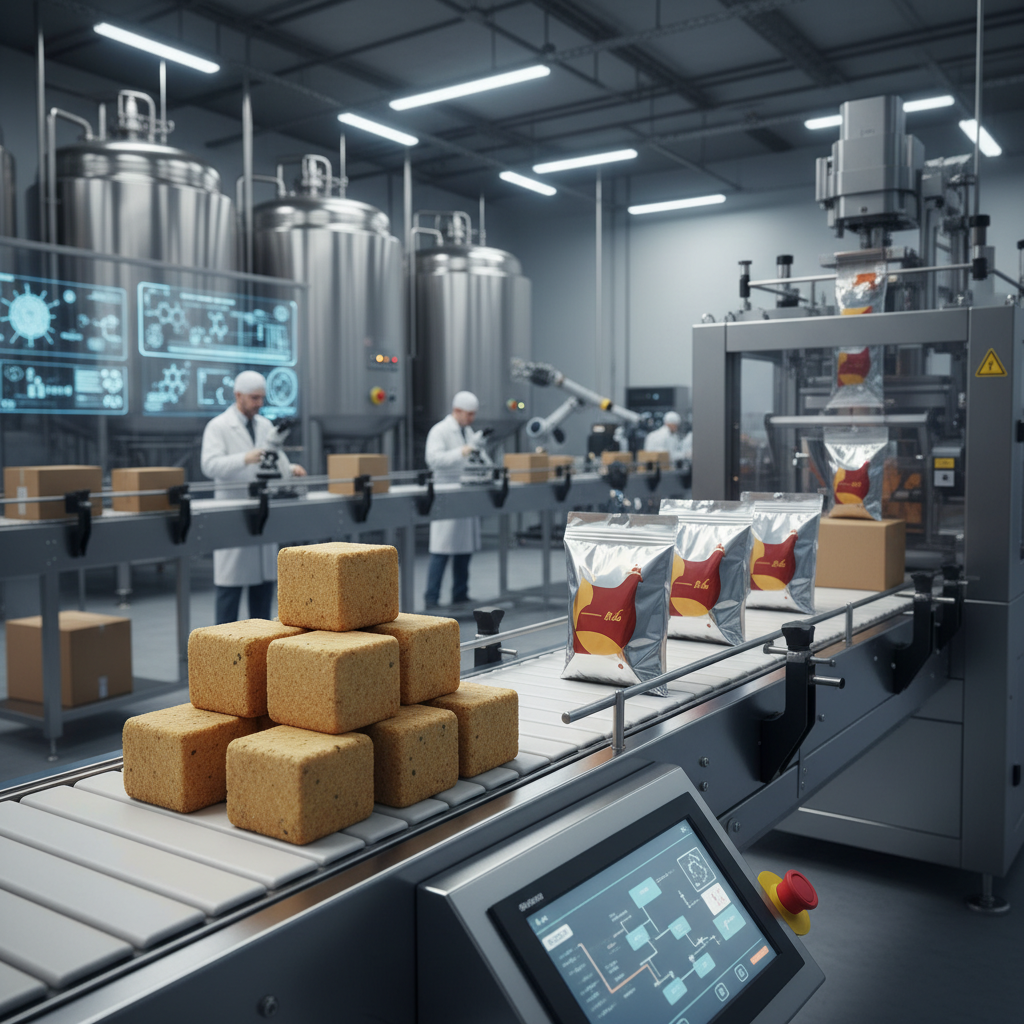
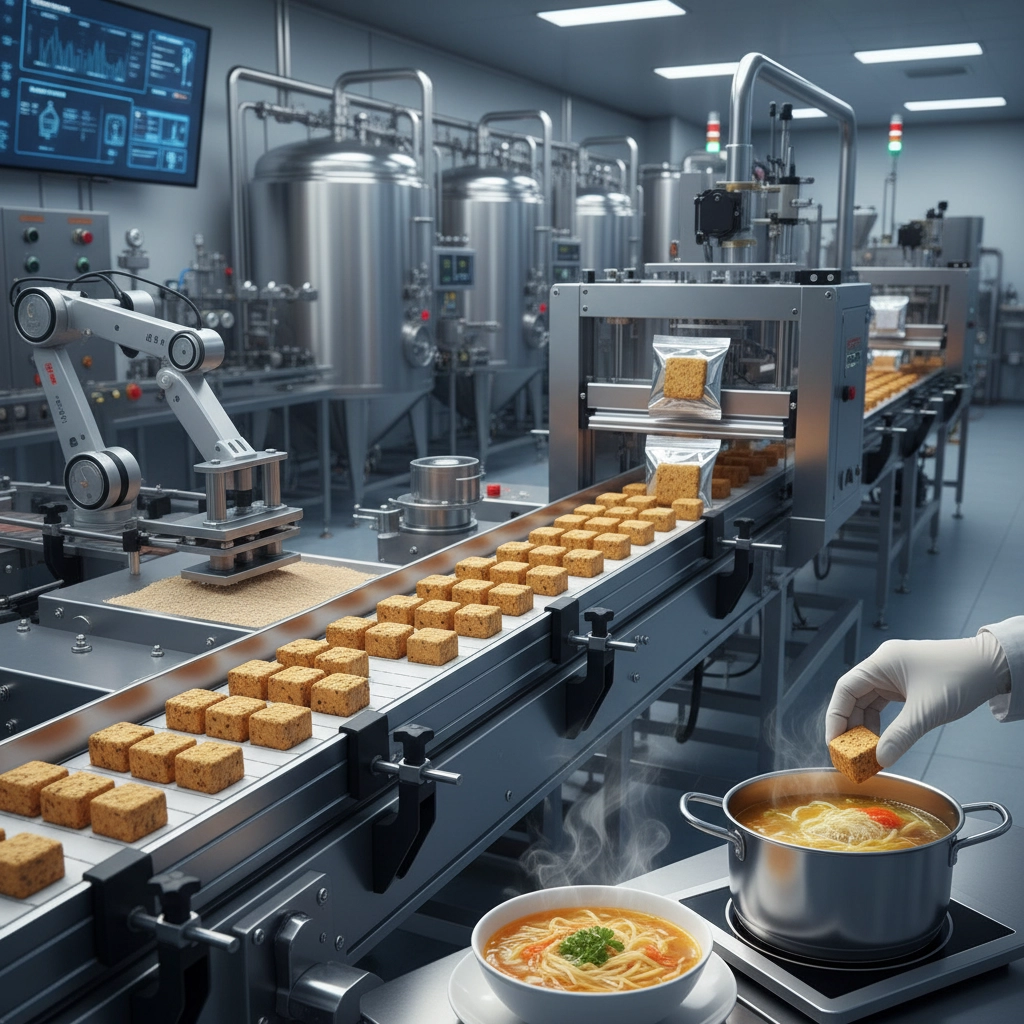
In technical terms, chicken cubes are dehydrated, compressed blocks of seasoning consisting of salt, flavor enhancers, fat, and dehydrated chicken extract. They are engineered to be highly soluble in hot water, providing an instant base for soups, sauces, and marinades. The process of "cubing" involves precise pressure-compression and moisture control to ensure the product remains stable during storage.
Beyond the flavor, these cubes serve a critical role in humanitarian and industrial food logistics. Because they are lightweight and have an extended shelf life, they are often included in food aid packages and emergency rations, providing essential sodium and flavor stimulation to populations in crisis zones where fresh protein is unavailable.
From a manufacturing perspective, the synergy between the food additive and the base extract determines the product's "mouthfeel." The inclusion of specific vegetable fats allows the chicken cubes to emulsify quickly, creating a rich, creamy texture that mimics a broth simmered for hours.
Core Factors in Production Quality
The primary driver of quality in chicken cubes is the purity of the chicken extract. High-grade production utilizes a vacuum-extraction process that preserves the natural amino acids and proteins, ensuring that the resulting cube delivers a deep, authentic poultry taste rather than a generic salty profile.
Solubility is another critical factor; a premium chicken cubes product must dissolve completely without leaving gritty residues. This is achieved through the precise calibration of particle size during the milling phase and the use of high-quality anti-caking agents that prevent the cubes from hardening over time.
Finally, stability and shelf-life are managed through moisture activity (Aw) control. By maintaining a low water activity level, manufacturers can prevent microbial growth and oxidation of the fats, ensuring that the chicken cubes remain potent and safe for consumption for up to 24 months.
Performance Metrics in Industrial Use
When evaluating the efficiency of chicken cubes for industrial food production, engineers focus on the "flavor yield" per unit. This involves measuring how much water a single cube can flavor while maintaining a consistent salinity and umami concentration, which is vital for the scalability of pre-packaged meal kits.
Moreover, the cost-efficiency of using concentrated cubes versus liquid stocks is substantial. The reduction in shipping weight and the elimination of cold-chain logistics make chicken cubes the preferred choice for global supply chains.
Comparative Efficacy of Seasoning Formats
Diverse Global Applications
In Southeast Asia and Africa, chicken cubes are often used as a primary flavor base for rice dishes and traditional stews, acting as a reliable substitute for fresh meat in economically disadvantaged regions. This application demonstrates the product's role in food security by providing an accessible way to enhance the palatability of basic grains.
In Western markets, the application has shifted toward "gourmet" shortcuts. Chefs use chicken cubes to deglaze pans or create quick reductions for sauces, valuing the consistency they provide over the volatility of fresh stock, which can vary based on the quality of the ingredients used in each batch.
Long-Term Value and Economic Impact
The economic value of chicken cubes extends beyond the retail price. For food service operators, the ability to standardize taste across a thousand different locations is invaluable. This reliability fosters brand trust; a customer knows that the soup tasted in London will be identical to the one served in New York.
From a sustainability perspective, the concentrated nature of these products reduces the carbon footprint associated with transporting water—which makes up the bulk of liquid stocks. By shipping only the active seasoning ingredients, the logistics of chicken cubes are inherently more eco-friendly.
Furthermore, the innovation in chicken cubes production has created new opportunities in the additive industry, pushing the boundaries of freeze-drying and spray-drying technologies to create a product that is both biologically stable and sensorially pleasing.
Future Innovations in Seasoning Technology
The future of chicken cubes lies in the integration of biotechnology. We are seeing the emergence of "lab-grown" flavor profiles and the use of precision fermentation to create umami compounds that are identical to those found in chicken, but entirely plant-based, catering to the vegan and vegetarian demographics.
Digital transformation is also hitting the factory floor. Smart manufacturing systems now allow for the real-time adjustment of the ingredient mix in chicken cubes, enabling "micro-batching" for niche markets that require specific sodium levels or organic certifications without stopping the main production line.
Moreover, the shift toward "smart packaging" will likely lead to chicken cubes that can signal their freshness or quality through color-changing indicators, further enhancing food safety and reducing waste in the global supply chain.
Comparative Analysis of Future Chicken Cube Formulations
| Formulation Type |
Ingredient Base |
Sustainability Score |
Market Penetration |
| Traditional Extract |
Poultry Bone/Meat |
5/10 |
Very High |
| Plant-Based Mimic |
Yeast Extract/Mushrooms |
9/10 |
Moderate |
| Low-Sodium Bio |
Potassium-based salts |
7/10 |
Growing |
| Organic Certified |
Non-GMO Poultry |
8/10 |
Niche |
| Fermentation-Derived |
Precision Fermented Protein |
10/10 |
Emerging |
| Hybrid Fusion |
Mixed Extract/Yeast |
6/10 |
High |
FAQS
The long shelf life of chicken cubes is achieved through a combination of dehydration and the use of salt as a natural preservative. By reducing the water activity (Aw) to a level where bacteria cannot survive and using vacuum-sealed packaging to prevent oxidation, the savory compounds remain stable for years.
From a logistical standpoint, yes. chicken cubes are far more cost-effective to ship and store because they eliminate the weight and cost of water. While liquid concentrates may offer a slightly different flavor profile, cubes provide unmatched convenience and standardization for industrial use.
Standard chicken cubes contain animal extracts. However, the industry has developed "chicken-flavored" vegan cubes that use yeast extracts, mushroom powders, and natural flavorings to replicate the poultry taste without using any animal-derived ingredients.
While this varies by brand, the industrial standard for chicken cubes is typically one cube per 500ml of boiling water. For more concentrated sauces or glazes, the ratio can be reduced to one cube per 250ml to achieve a more intense flavor impact.
Manufacturers use "flavor enhancers" like potassium chloride or yeast extracts rich in natural glutamates. These ingredients trick the taste buds into perceiving a saltier profile, allowing the chicken cubes to maintain their savory appeal while significantly lowering the actual sodium content.
Importing chicken cubes requires compliance with the food safety regulations of the destination country (such as FDA or EFSA). Ensuring the product has a clear Certificate of Analysis (CoA) and complies with labeling laws regarding additives and allergens is key to a smooth customs process.
Conclusion
In summary, chicken cubes represent a perfect intersection of chemical engineering and culinary art. By transforming a complex broth into a stable, compressed form, the food additive industry has provided a tool that ensures flavor consistency, reduces logistical costs, and enhances food accessibility on a global scale. From the technical precision of their solubility to their strategic role in industrial food production, these seasoning blocks remain an indispensable asset.
Looking forward, the evolution of chicken cubes will likely be defined by a commitment to sustainability and health. The transition toward plant-based alternatives and low-sodium formulations reflects a broader industry shift toward conscious consumption. For businesses looking to optimize their flavor profiles and supply chain efficiency, investing in high-quality, innovative seasoning solutions is the path toward long-term competitiveness. Visit our website: www.chinaseasoning.com