In the competitive landscape of global food manufacturing, the demand for convenient, flavor-dense seasoning solutions has led to the widespread adoption of bouillon cube chicken stock. This condensed culinary tool allows households and commercial kitchens alike to achieve a deep, savory profile without the time-consuming process of simmering bones for hours, effectively bridging the gap between traditional gastronomy and modern efficiency.
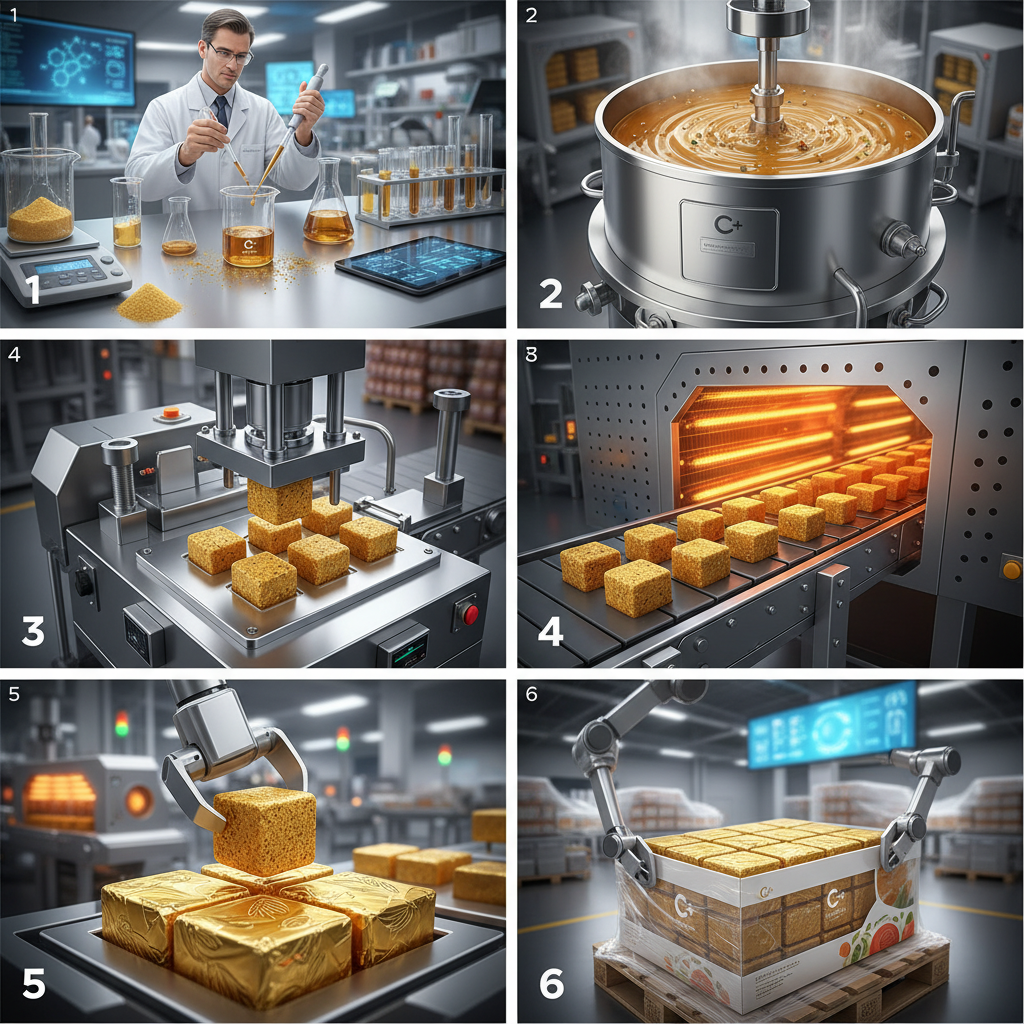
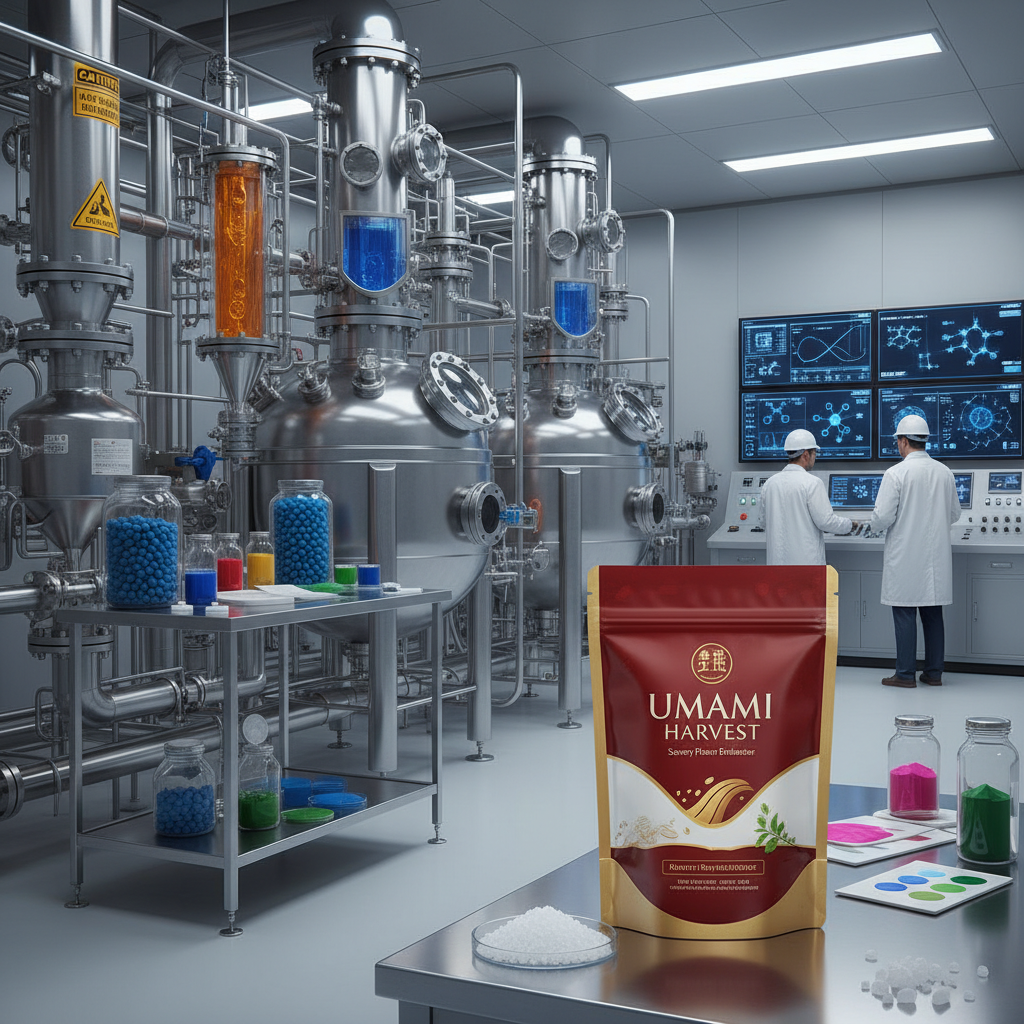
From a manufacturing perspective, the production of bouillon cube chicken stock represents a sophisticated intersection of food chemistry and industrial engineering. By utilizing advanced dehydration and compression techniques, producers can stabilize volatile flavor compounds, ensuring that the rich essence of chicken is preserved through long-term storage and international shipping.
Understanding the technical nuances of bouillon cube chicken stock is essential for procurement managers and food scientists who aim to optimize cost-to-flavor ratios. As consumer preferences shift toward cleaner labels and sustainable sourcing, the evolution of these cubes continues to drive innovation in the food additive and seasoning sectors worldwide.
Global Industry Context of Bouillon Cube Chicken Stock
The global market for bouillon cube chicken stock has seen consistent growth, driven by the urbanization of populations in Asia and Africa and the rising demand for "ready-to-cook" ingredients. According to industry benchmarks and food trade data, the shift toward convenient seasonings is a response to the decreasing time available for traditional food preparation in fast-paced urban environments.
However, the industry faces a significant challenge: balancing the need for a long shelf-life with the consumer demand for natural ingredients. Traditional bouillon cubes often relied heavily on MSG and artificial fillers, but modern manufacturing is now pivoting toward hydrolyzed vegetable proteins and organic extracts to meet stricter ISO and health standards.
Defining Bouillon Cube Chicken Stock and Its Purpose
At its core, bouillon cube chicken stock is a dehydrated concentrate of chicken essence, salt, and a blend of herbs and spices, compressed into a stable cubic form. Unlike liquid stocks, which require refrigeration and have a limited lifespan, these cubes are engineered for ambient storage, making them an indispensable asset in both household pantries and industrial food supplies.
Beyond simple flavor enhancement, these cubes serve a critical role in humanitarian aid and disaster relief. In regions where fresh water and fresh meat are scarce, bouillon cubes provide a nutrient-dense, salt-stabilized way to make bland grains or legumes palatable and savory, ensuring that basic caloric intake is accompanied by essential flavor and minerals.
In the broader context of food additive manufacturing, the bouillon cube is a masterclass in moisture control. By reducing water activity to a minimum, manufacturers prevent microbial growth without the need for heavy refrigeration, allowing for a product that can be shipped globally and used instantly upon dissolution in hot water.
Core Components of Quality Chicken Stock Cubes
The structural integrity and flavor profile of bouillon cube chicken stock depend on the synergy between its primary ingredients. High-quality cubes typically feature a concentrated chicken extract or powder as the base, which provides the authentic "umami" taste required for professional-grade culinary results.
The role of salt in bouillon cube chicken stock is twofold: it acts as a primary flavor enhancer and a crucial preservative. By creating an osmotic environment that inhibits bacterial growth, salt ensures the product remains safe for consumption over 12 to 24 months without compromising the chemical stability of the chicken proteins.
Furthermore, the inclusion of anti-caking agents and binders is what allows the bouillon cube chicken stock to maintain its shape during transport. These food-grade additives prevent the powder from clumping in humid environments, ensuring that every cube delivers a precise, standardized dose of seasoning every time it is used.
Key Factors Driving Production Efficiency
To maintain a competitive edge, manufacturers of bouillon cube chicken stock focus on three primary metrics: solubility, flavor consistency, and compression density. High solubility is achieved through precise particle size distribution, ensuring the cube dissolves rapidly in boiling water without leaving gritty residues.
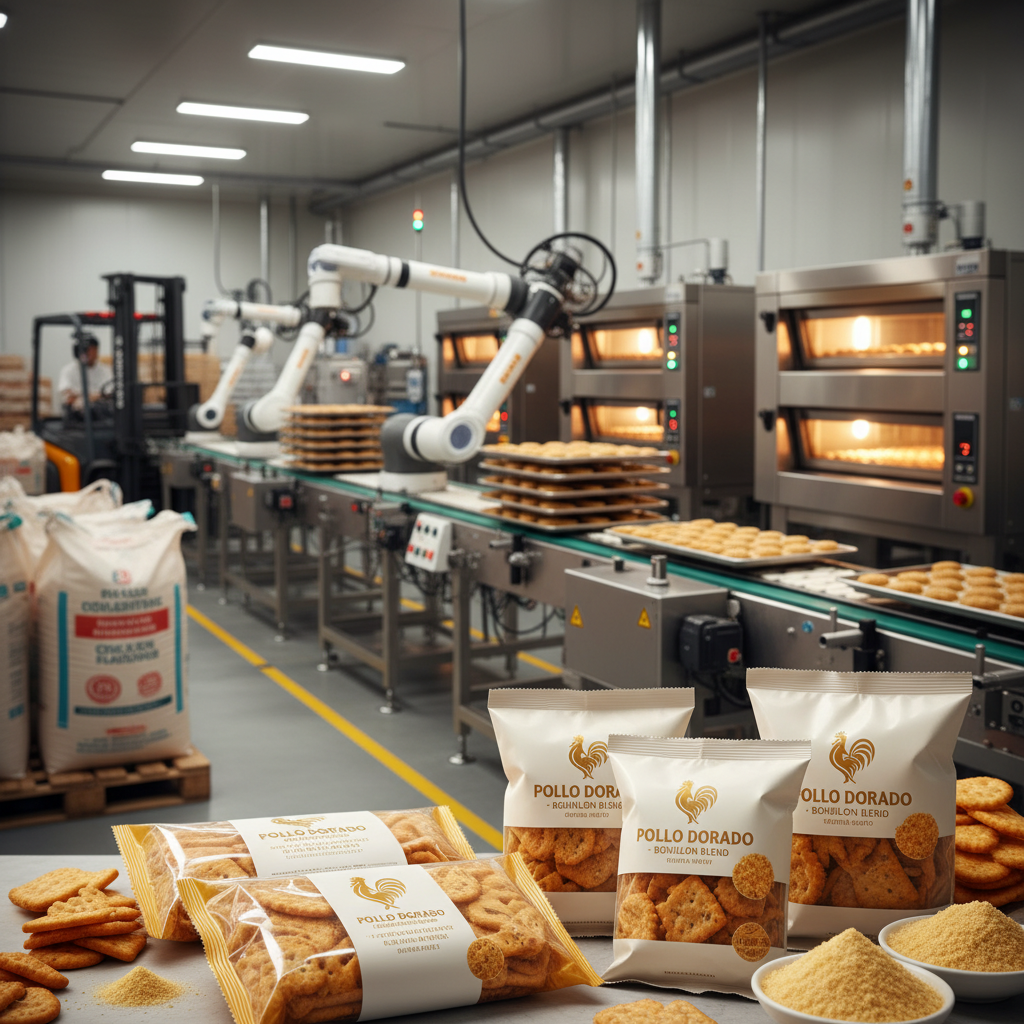
Another critical factor is the optimization of the mixing process. Automated blending systems ensure that the ratio of chicken extract to salt and spices remains identical across millions of units, eliminating the risk of "hot spots" or bland cubes that could damage a brand's reputation for quality.
Performance Comparison of Bouillon Cube Chicken Stock Production Methods
Global Applications and Use Cases
The versatility of bouillon cube chicken stock makes it a staple in diverse culinary traditions. In West African cuisine, for example, these cubes are often the primary seasoning for jollof rice and stews, where they provide a consistent salt and savoriness that is difficult to replicate with fresh ingredients in high-volume cooking.
In industrial food service, such as in corporate cafeterias or military mess halls, the use of pre-portioned cubes eliminates the waste associated with liquid stocks. By using bouillon cube chicken stock, chefs can precisely calculate the cost per serving, ensuring that flavor profiles remain identical across different kitchen locations and shifts.
Long-Term Value and Economic Advantages
From an economic standpoint, bouillon cube chicken stock offers unparalleled value in terms of logistics. The reduction in weight and volume compared to liquid equivalents drastically lowers shipping costs and carbon emissions, providing a sustainable model for global distribution of flavor.
Furthermore, the reliability of these products enhances food security. Because they are resistant to temperature fluctuations and have a long shelf-life, they act as a safety net for food producers and consumers in volatile economic regions, ensuring that basic seasoning is always available regardless of supply chain disruptions.
The trust built through standardized quality allows brands to scale rapidly into new markets. When a customer knows that a specific brand of bouillon cube chicken stock will deliver the exact same taste in Jakarta as it does in Nairobi, brand loyalty is established through the logic of consistency and reliability.
Future Trends in Chicken Stock Manufacturing
The future of bouillon cube chicken stock is leaning heavily toward "clean label" innovation. This involves the removal of synthetic dyes and artificial flavor enhancers, replacing them with natural alternatives like turmeric for color and yeast extracts for umami, catering to a health-conscious global demographic.
Digital transformation is also hitting the factory floor, with AI-driven sensors monitoring the moisture content of the powder in real-time. This ensures that every batch of bouillon cube chicken stock is compressed at the optimal pressure, reducing breakage during packaging and extending the product's stability.
Sustainability is the final frontier, with companies exploring biodegradable packaging to replace the traditional foil and plastic wraps. By integrating green energy into the dehydration process, the production of chicken stock cubes is becoming an eco-friendly endeavor that aligns with global ESG (Environmental, Social, and Governance) goals.
Comparative Analysis of Bouillon Cube Chicken Stock Evolution
| Feature Dimension |
Traditional Cubes |
Modern Premium |
Future Eco-Cubes |
| Primary Flavor Source |
MSG & Artificials |
Chicken Extracts |
Plant-based/Organic |
| Packaging Material |
Plastic/Aluminium |
Recyclable Plastic |
Compostable Film |
| Solubility Speed |
Moderate (3-5 min) |
Fast (1-2 min) |
Instant (
|
| Additive Profile |
High Synthetics |
Controlled Additives |
Zero-Additive/Clean |
| Production Energy |
High Fossil Fuel |
Partial Electric |
Renewable Energy |
| Cost Efficiency |
Highest (Low Cost) |
Balanced |
Premium Pricing |
FAQS
While often used interchangeably, bouillon traditionally refers to a clear broth. A bouillon cube chicken stock is a concentrated version of this broth, designed to be dissolved in water. In modern commercial terms, "bouillon" usually implies a more intense, salty concentration, whereas "stock" might suggest a richer, gelatinous profile derived from longer simmering. Both serve the same purpose of providing a quick base for soups and sauces.
Most high-quality bouillon cubes have a shelf life of 12 to 24 months if stored in a cool, dry place. The high salt content and low moisture levels prevent the growth of bacteria and molds. To maximize longevity, it is recommended to keep them in their original foil wrapping until the moment of use to prevent the cube from absorbing moisture from the air, which can lead to clumping.
Yes, the industry has evolved to offer numerous specialized versions of bouillon cube chicken stock. Many manufacturers now produce MSG-free variants using yeast extract or mushroom powder to provide the same umami depth. Gluten-free options are also common, replacing wheat-based fillers with cornstarch or potato starch, making them accessible to consumers with dietary restrictions without sacrificing the signature savory taste.
Absolutely. Bouillon cube chicken stock is an excellent dry rub for meats, a seasoning for rice and quinoa, or a base for pan sauces. By crumbling the cube directly into a dish, you introduce a concentrated layer of seasoning that penetrates the food during the cooking process, providing a deeper flavor than salt alone could achieve. It is widely used in professional kitchens for deglazing pans.
The key is water temperature. For the best results with bouillon cube chicken stock, use boiling or near-boiling water. The heat breaks down the binders and fats more quickly. If you are adding it to a thick stew, it is often better to dissolve the cube in a small amount of hot water first to create a concentrated liquid, then stir that liquid into the larger pot to ensure an even distribution of flavor.
Importing bouillon cube chicken stock requires adherence to the food safety regulations of the destination country (such as FDA in the USA or EFSA in the EU). Businesses should ensure the supplier provides a detailed Certificate of Analysis (CoA) and MSDS. Working with a seasoned manufacturer who understands international labeling laws and provides standardized packaging helps streamline customs clearance and ensures the product arrives in optimal condition.
Conclusion
In summary, bouillon cube chicken stock is far more than a simple kitchen convenience; it is a sophisticated product of food additive engineering that solves the global challenge of flavor accessibility and stability. By combining high-concentration extracts with advanced dehydration techniques, these cubes provide a cost-effective, scalable, and reliable solution for both home cooks and industrial food producers.
Looking forward, the industry is poised for a transition toward more sustainable, clean-label ingredients and eco-friendly packaging. For businesses looking to enter or expand in the seasoning market, prioritizing transparency in sourcing and investing in high-solubility formulations will be the key to capturing the modern consumer's trust. To explore premium seasoning solutions and industrial-grade stock, visit our website: www.chinaseasoning.com