The global culinary and industrial landscape has seen a significant shift toward efficiency and consistency, placing chicken powder bouillon at the center of modern food preparation. As a concentrated flavor enhancer, it bridges the gap between traditional slow-cooked stocks and the rapid pace of contemporary commercial kitchens and household cooking.
Understanding the technical composition and application of this additive is crucial for food manufacturers and chefs alike. By optimizing the balance of amino acids and salts, chicken powder bouillon provides a reliable taste profile that remains stable across various temperatures and storage conditions, ensuring quality control in large-scale production.
Beyond mere taste, the strategic use of bouillon powders impacts cost reduction and waste minimization. In an era where sustainability and food security are paramount, the ability to produce high-umami profiles without the exhaustive resource consumption of boiling whole carcasses makes chicken powder bouillon an indispensable tool in the global food additives market.
Global Industry Context of Chicken Powder Bouillon
The global demand for convenient seasoning solutions has surged, with chicken powder bouillon becoming a staple in both the APAC and European markets. According to industry trends aligned with ISO food safety standards, the shift toward "ready-to-use" ingredients is driven by the expansion of the fast-food sector and the increasing number of dual-income households who require quick yet flavorful meal options.
However, the industry faces the challenge of maintaining "clean label" standards while preserving the intense savory profile consumers expect. Manufacturers are now tasked with reducing artificial MSG levels and replacing them with natural yeast extracts, ensuring that the chicken powder bouillon meets evolving health regulations without sacrificing the characteristic depth of flavor.
Definition and Technical Meaning of Bouillon Powders
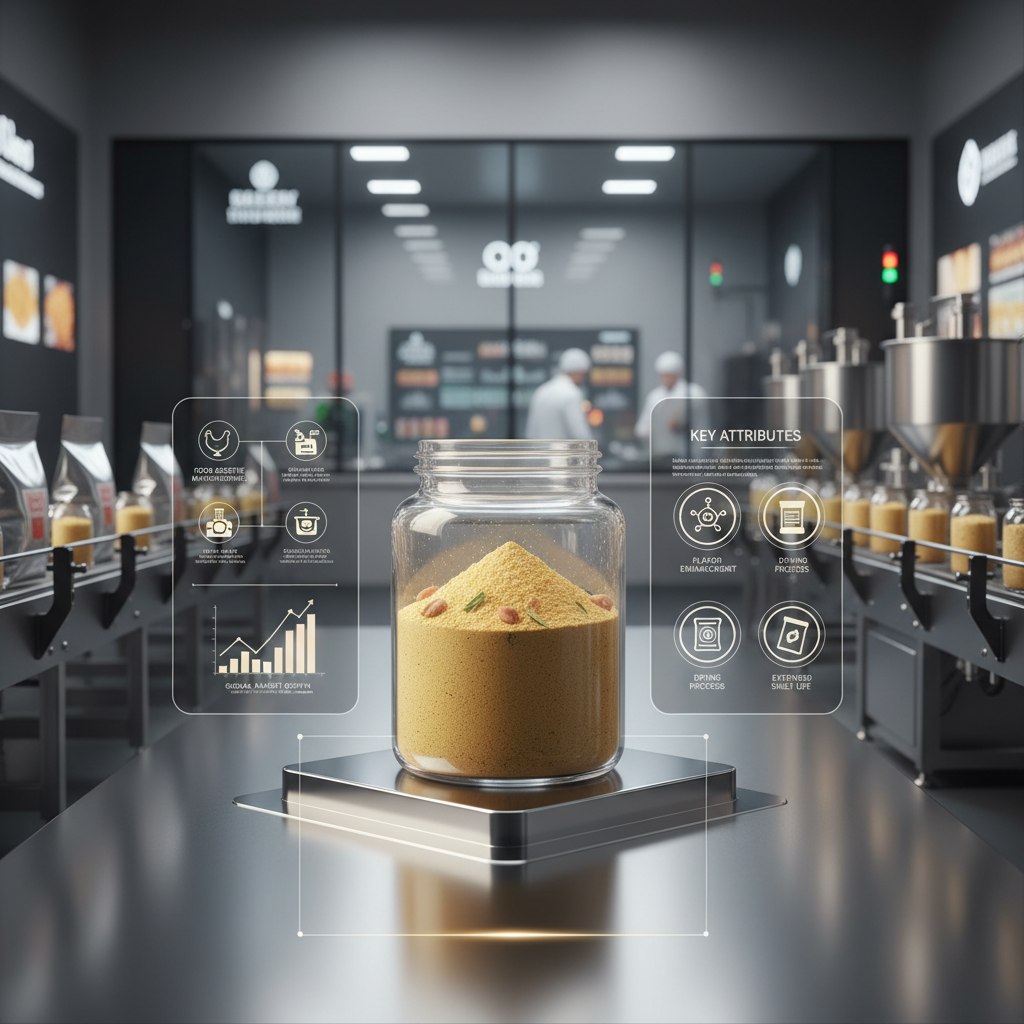
In technical terms, chicken powder bouillon is a dehydrated seasoning mixture consisting of chicken extract, salt, sugar, and a blend of aromatic spices. It is engineered to provide a concentrated source of umami—the fifth basic taste—which mimics the result of hours of simmering meat and vegetables in a fraction of the time.
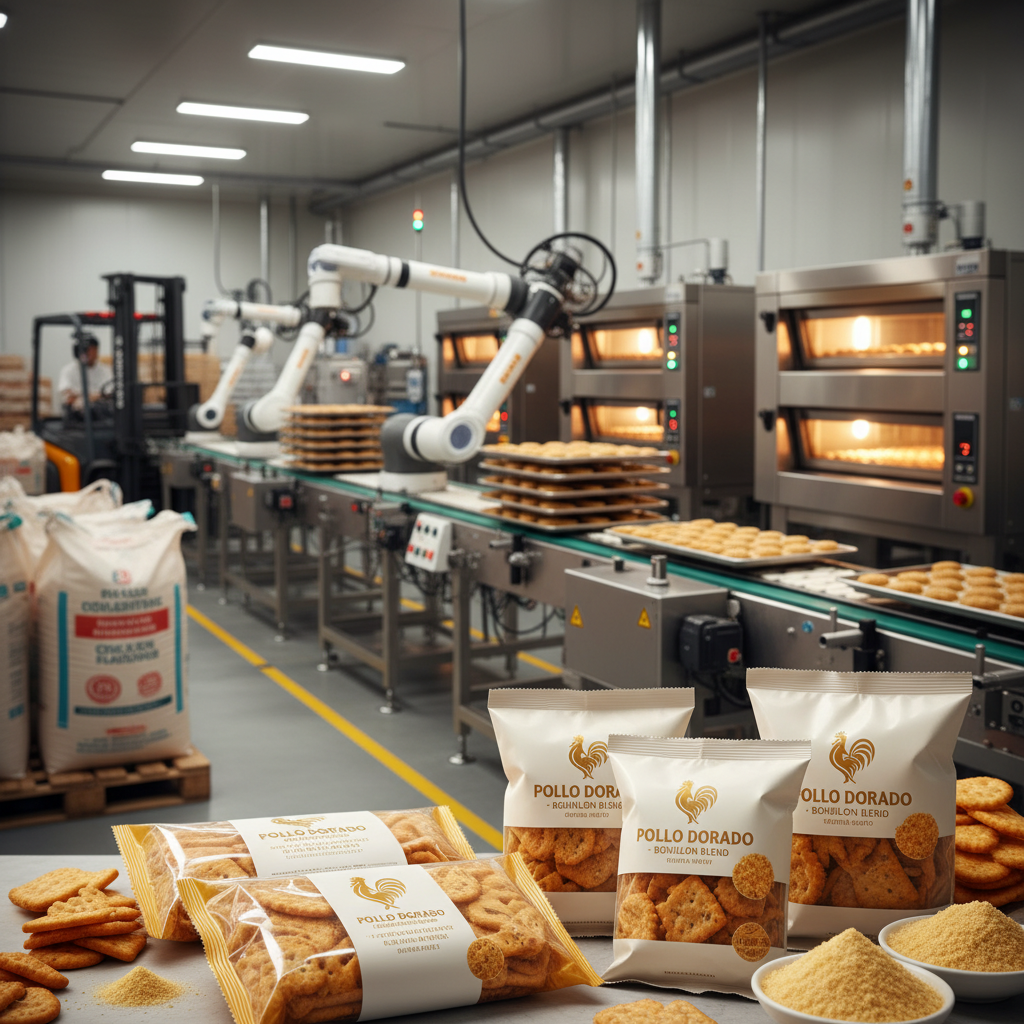
From an industrial perspective, this product falls under the category of Food Additives, specifically as a flavor enhancer. The manufacturing process typically involves spray-drying or freeze-drying liquid concentrates to achieve a free-flowing powder that is highly soluble in water, making it ideal for diverse applications from instant soups to marinated meats.
Beyond the kitchen, these powders serve a humanitarian purpose in food security. Because chicken powder bouillon is lightweight, shelf-stable, and nutrient-dense in terms of flavor, it is frequently utilized in emergency food rations and disaster relief operations to make basic grains more palatable and appetizing for displaced populations.
Core Components and Quality Factors
The efficacy of chicken powder bouillon depends heavily on its "Umami Balance," which is the synergy between glutamates and ribonucleotides. High-quality powders utilize a precise ratio of these components to create a lingering, savory aftertaste that defines professional-grade seasonings.
Another critical factor is "Solubility and Anti-Caking." Since chicken powder bouillon is often stored in humid environments, the inclusion of food-grade anti-caking agents is essential to prevent clumping. Rapid solubility ensures that the seasoning integrates seamlessly into liquids without leaving gritty residues.
Finally, "Aromatic Stability" ensures that the chicken scent does not dissipate over time. By using encapsulated flavors, manufacturers can ensure that the chicken powder bouillon releases its full fragrance only when heat is applied, providing a fresh-cooked aroma to the final dish.
Global Applications and Industrial Use Cases
The versatility of chicken powder bouillon allows it to be integrated into various sectors. In the commercial food service industry, it is used as a base for sauces, gravies, and stews, allowing chefs to maintain a consistent taste profile across multiple franchise locations regardless of the local ingredient variations.
In the processed food industry, particularly in the production of instant noodles and dehydrated meal kits, the powder is essential for the "seasoning sachet." Its ability to withstand high-temperature processing and long-term storage makes chicken powder bouillon the gold standard for convenience foods globally.
Performance Comparison of Chicken Powder Bouillon Formulations
Long-Term Value and Economic Advantages
From a logical standpoint, the adoption of chicken powder bouillon provides immense cost-efficiency. Reducing the reliance on fresh chicken carcasses for stock minimizes water usage and energy consumption during the long boiling process, contributing to a lower carbon footprint for food manufacturers.
Beyond economics, there is a value of reliability. The standardization of chicken powder bouillon eliminates the risk of batch-to-batch variability, giving brands the trust that their products will taste identical whether they are sold in New York, London, or Tokyo.
Future Trends and Innovation in Seasoning
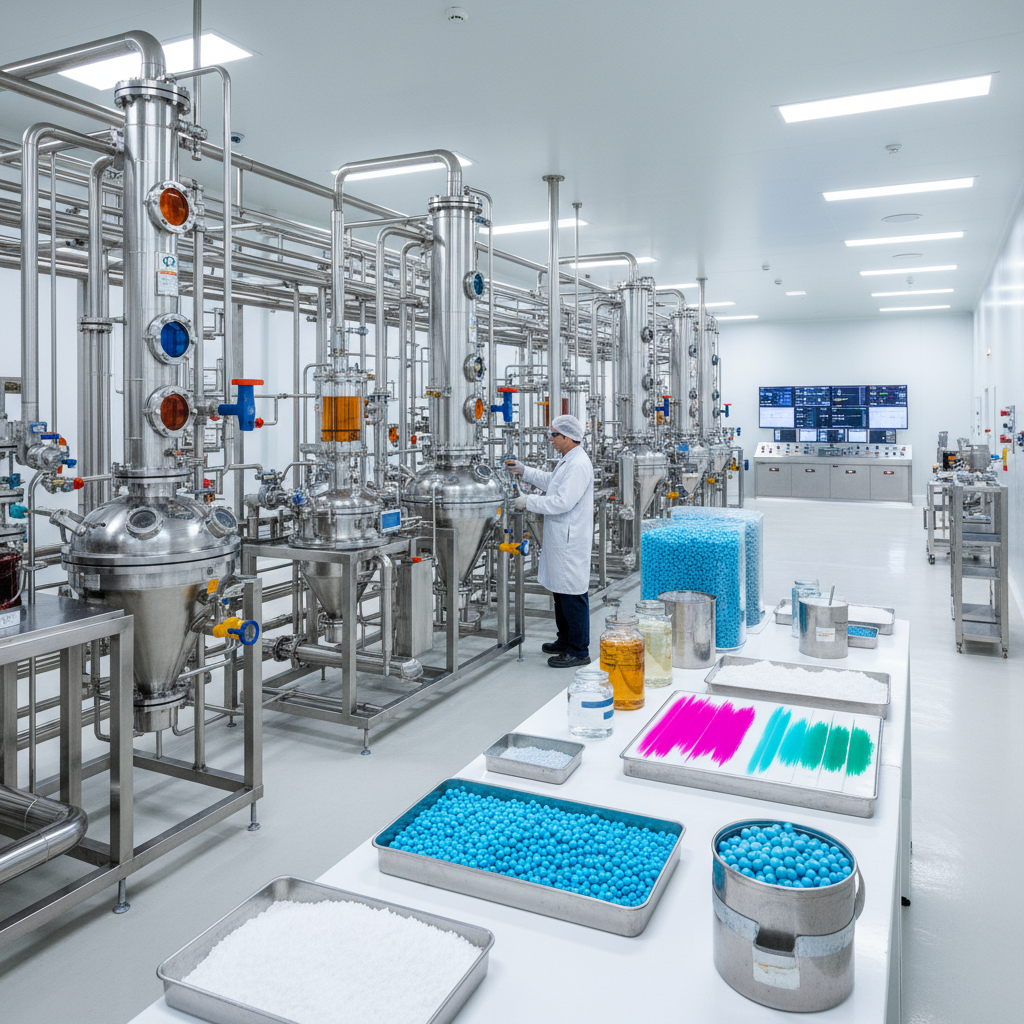
The future of chicken powder bouillon is leaning heavily toward biotechnology. We are seeing the rise of fermentation-derived flavors, where precision fermentation is used to create identical chicken-flavor molecules without the need for animal slaughter, appealing to the growing vegan and flexitarian markets.
Digital transformation is also impacting the production line. AI-driven flavor profiling is now used to adjust the composition of chicken powder bouillon in real-time, ensuring that the salt-to-umami ratio is perfectly optimized for specific regional palates through big data analysis.
Sustainability will continue to drive innovation, with a focus on biodegradable packaging and the integration of "upcycled" ingredients—such as using nutrient-rich by-products from other food processes to enrich the bouillon's nutritional profile.
Current Challenges and Expert Solutions
One of the primary challenges in the production of chicken powder bouillon is the "sodium dilemma." Consumers want deep flavor but are increasingly wary of high salt intake. The solution lies in the use of potassium salts and the enhancement of naturally occurring nucleotides to maintain the perceived saltiness while reducing actual sodium content.
Another limitation is the perception of "artificiality." To overcome this, expert formulators are incorporating dehydrated real-meat powders and botanical extracts into the chicken powder bouillon mix, moving away from purely synthetic flavorings toward a hybrid "natural-identical" approach.
Finally, supply chain volatility for raw materials can affect pricing. Manufacturers are solving this by diversifying their ingredient sources and investing in more efficient spray-drying technologies that reduce raw material waste during the dehydration phase.
Analysis of Chicken Powder Bouillon Product Variations
| Product Grade |
Flavor Profile |
Solubility Speed |
Cost-Efficiency |
| Premium Gourmet |
Rich & Complex |
Very High |
Medium |
| Standard Commercial |
Balanced Savory |
High |
High |
| Low Sodium |
Mild Umami |
Medium |
Medium |
| Industrial Base |
Strong & Sharp |
High |
Very High |
| Organic Certified |
Natural & Light |
Medium |
Low |
| Concentrated Extract |
Intense Meatiness |
Very High |
Medium |
FAQS
Chicken powder bouillon offers superior solubility and more precise dosing compared to cubes. While cubes are pre-compressed, the powder form allows industrial users to mix it directly into large batches of dry ingredients or liquids without waiting for a solid block to dissolve, ensuring a more homogenous flavor distribution.
Yes, it is specifically designed for this purpose. Its shelf-stability, consistent chemical profile, and ease of integration into automated dosing systems make it an ideal choice for manufacturers of frozen meals, instant soups, and snack foods who require strict quality control.
Quality is maintained through rigorous adherence to ISO and HACCP standards. This includes testing for microbial contamination, ensuring the absence of heavy metals, and using standardized chromatography to verify that the flavor compounds meet the specific grade requirements of the client.
Absolutely. Professional manufacturers can adjust the formulation to create low-sodium versions by substituting a portion of the sodium chloride with potassium chloride or by increasing the concentration of natural flavor enhancers to maintain the "salty" perception with less actual salt.
When stored in airtight, moisture-proof packaging in a cool, dry environment, high-quality chicken powder bouillon typically has a shelf life of 18 to 24 months. The use of advanced anti-caking agents helps maintain the powder's flowability throughout this period.
Importing requires proper documentation, including a Certificate of Analysis (COA), MSDS, and compliance with the destination country's food additive regulations (such as FDA in the US or EFSA in Europe). Partnering with an experienced supplier ensures all customs and health certifications are handled correctly.
Conclusion
In summary, chicken powder bouillon represents a critical intersection of food science and commercial practicality. By delivering a concentrated, stable, and cost-effective umami profile, it enables food producers to scale their operations while maintaining the sensory quality that consumers demand. From its core technical components like solubility and aromatic stability to its diverse applications in both luxury and emergency food sectors, the product remains a cornerstone of the global additives industry.
Looking forward, the industry will likely move toward even more sustainable and "cleaner" formulations, embracing biotechnology to reduce animal dependency and sodium levels. For businesses looking to optimize their flavor profiles and operational efficiency, investing in high-grade seasoning solutions is not just a matter of taste, but a strategic move toward long-term profitability and brand trust. Visit our website for more professional solutions: www.chinaseasoning.com