The global food industry has witnessed a significant shift toward convenience and consistency, placing chicken powder flavor at the center of modern culinary formulation. As a versatile flavor enhancer, it allows manufacturers to replicate the complex, savory profile of slow-cooked poultry without the immense time and resource investment required for traditional extraction.
Understanding the science behind high-quality chicken powder flavor is essential for brands aiming to maintain a competitive edge in the food additive market. By balancing amino acids, nucleotides, and aromatic compounds, producers can ensure that their end products—ranging from instant noodles to gourmet snacks—possess a deep, authentic umami taste that resonates with consumers worldwide.
Beyond mere taste, the adoption of standardized chicken powder flavor addresses the critical need for scalability and stability. In an era of volatile raw material costs and strict regulatory frameworks, utilizing a precision-engineered flavor powder ensures that every batch of product remains identical in quality, regardless of the geographical location of the production facility.
Global Market Context of Chicken Powder Flavor
The global demand for chicken powder flavor has surged in alignment with the growth of the processed food sector. According to industry trends mirrored in ISO quality standards, the need for standardized taste profiles is paramount as food companies expand into emerging markets across Asia and Africa. The challenge lies in bridging the gap between traditional "home-style" tastes and the industrial requirements of mass production.
Currently, the industry faces a tension between the desire for "clean label" ingredients and the functional necessity of potent flavor enhancers. This has pushed manufacturers to innovate, moving away from simple salt-based enhancers toward complex, multi-layered chicken powder flavor solutions that incorporate natural extracts and fermented proteins to satisfy both regulatory bodies and health-conscious consumers.
Definition and Technical Composition
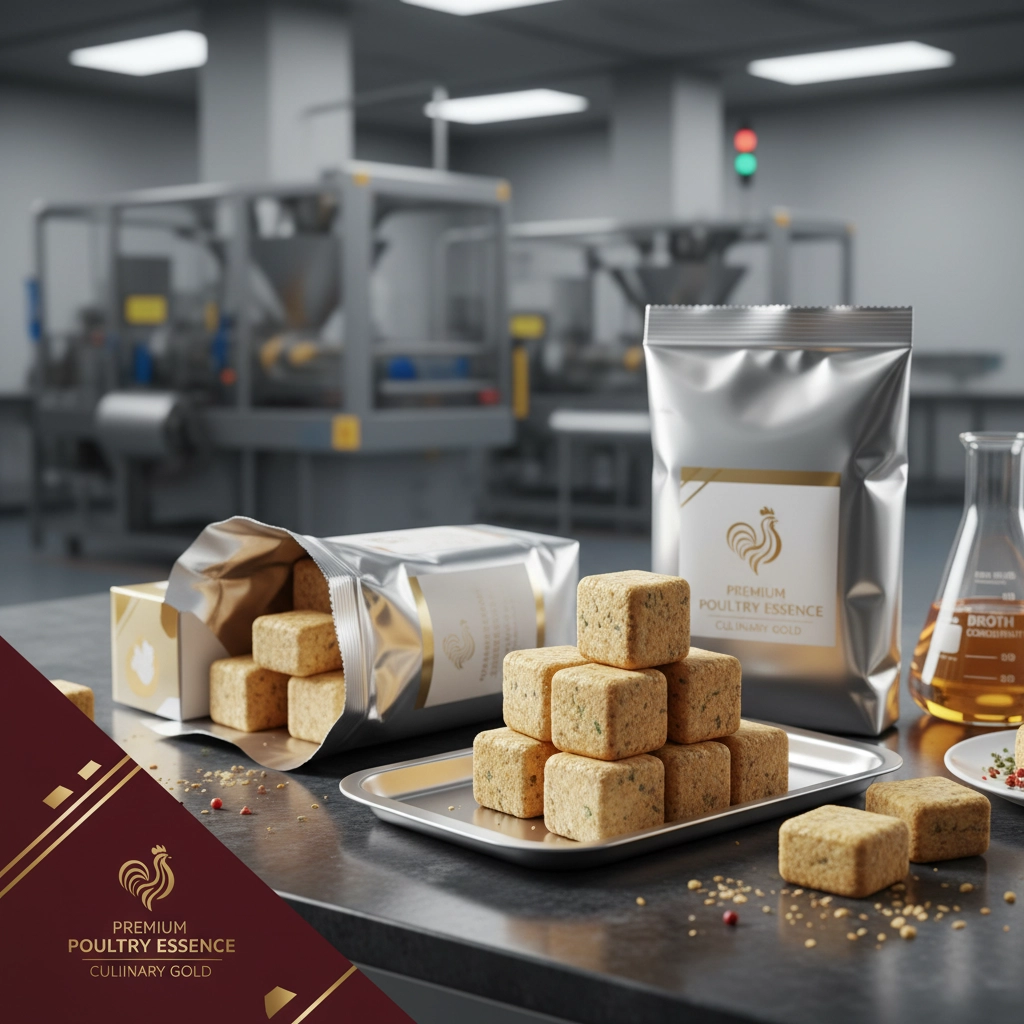
At its core, chicken powder flavor is a concentrated seasoning agent designed to impart the characteristic savory, aromatic, and salty notes of chicken meat. Unlike raw chicken bouillon, industrial-grade flavor powders are often a synergistic blend of hydrolyzed vegetable proteins, yeast extracts, and specific aroma chemicals that trigger the "umami" receptors on the human tongue.
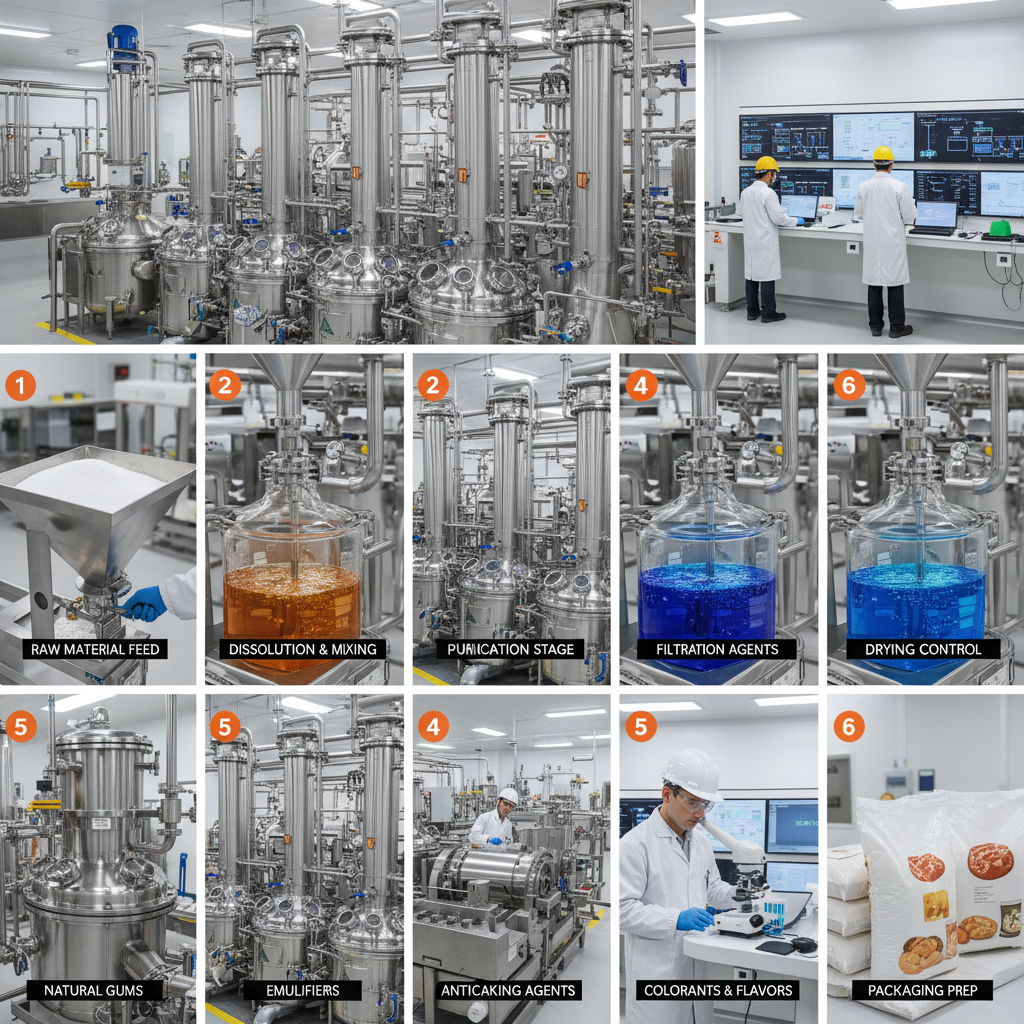
From a technical perspective, these additives are formulated to be highly soluble and heat-stable. This ensures that the chicken powder flavor does not degrade during high-temperature processing, such as extrusion or spray-drying, which is common in the production of instant soups and seasoned snacks.
The connection to modern industry is rooted in efficiency. By utilizing a precision-engineered powder, manufacturers can eliminate the variability associated with natural chicken stock—such as seasonal quality fluctuations—while ensuring a consistent sensory experience for the end user regardless of the batch.
Core Components for Flavor Stability
One of the primary pillars of a high-quality chicken powder flavor is its Umami Depth. This is typically achieved through the strategic combination of glutamates and nucleotides, which create a synergistic effect that amplifies the perceived saltiness and richness of the product.
Aromatic Volatility Control is equally critical. The most effective chicken powder flavor utilizes encapsulation technologies to protect volatile aroma molecules. This ensures that the "fresh chicken" scent is only released upon rehydration or heating, preventing the flavor from fading during long-term storage.
Finally, Solubility and Dispersion determine how the flavor integrates into the final food matrix. A superior chicken powder flavor must dissolve rapidly and evenly without clumping, ensuring that every bite of the food product has a uniform taste profile.
Industrial Performance and Cost Efficiency
In the competitive landscape of food additives, the cost-to-performance ratio of chicken powder flavor is a decisive factor. High-potency formulas allow manufacturers to use lower dosages to achieve the same sensory impact, directly reducing raw material expenditure and logistics costs associated with transporting bulk seasonings.
Moreover, the scalability of these powder solutions means that a single formulation can be applied across multiple product lines, from low-cost instant noodles to premium frozen meals, providing a cohesive brand taste profile while optimizing procurement.
Comparative Performance of Chicken Powder Flavor Formulations
Global Applications and Use Cases
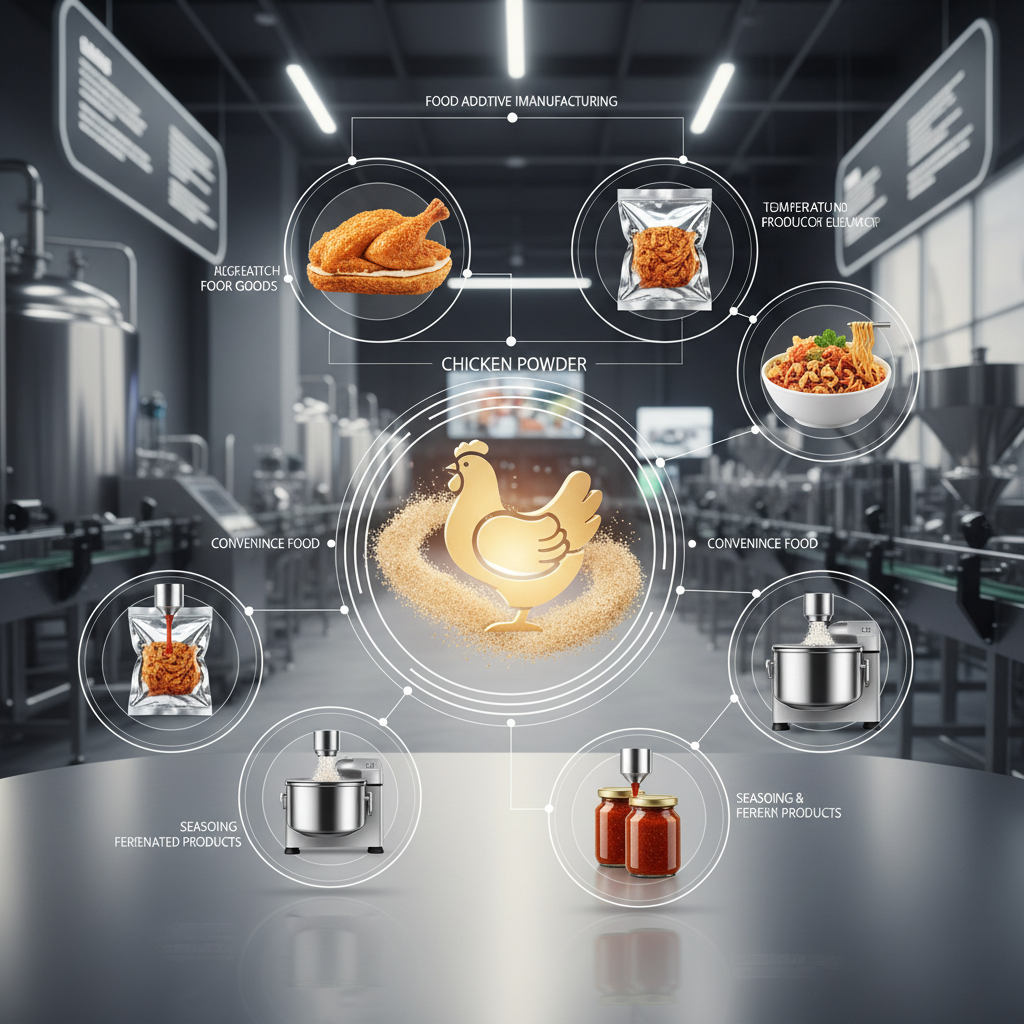
The versatility of chicken powder flavor makes it indispensable across diverse regions. In Southeast Asia, it is a cornerstone of the instant noodle industry, where it provides the base for complex broth systems. In Western markets, it is increasingly used in protein-alternative products (such as plant-based meats) to provide the "meaty" depth that consumers expect from traditional poultry.
Beyond commercial snacks, chicken powder flavor plays a vital role in humanitarian efforts. In post-disaster relief operations or remote industrial zones, fortified flavor powders are added to emergency rations and nutrient-dense porridges, improving the palatability of essential calories and ensuring higher consumption rates among displaced populations.
Long-Term Value and Sustainability
Investing in high-quality chicken powder flavor offers long-term reliability. By reducing the reliance on fresh poultry for seasoning, companies can significantly lower their carbon footprint associated with meat processing and cold-chain logistics. This shift supports global sustainability goals by optimizing resource use and reducing food waste in the production cycle.
From an emotional standpoint, consistency builds trust. When a consumer purchases a product and finds the exact same savory profile they remember, it fosters brand loyalty. This reliability is the invisible value that a precision-manufactured chicken powder flavor provides to global food brands.
Furthermore, the innovation in "clean label" chicken flavors—utilizing fermentation and natural extracts—allows brands to maintain taste integrity while appealing to the growing demographic of health-conscious consumers who demand transparency in their ingredient lists.
Future Innovations in Flavor Engineering
The future of chicken powder flavor is being shaped by biotechnology. Precision fermentation is allowing scientists to create identical flavor molecules without the need for animal inputs, paving the way for "vegan" chicken flavors that are chemically indistinguishable from the real thing. This digital transformation of taste is redefining the boundaries of food additives.
Automation in blending and AI-driven flavor profiling are also emerging. By analyzing vast sets of consumer preference data, AI can now suggest the optimal ratio of components for a chicken powder flavor tailored to a specific cultural palate, whether it be the saltier profiles preferred in East Asia or the herb-forward notes popular in Europe.
Sustainability will remain the primary driver, with a focus on upcycling agricultural by-products into flavor precursors. This circular economy approach ensures that the production of chicken powder flavor becomes as green as it is delicious.
Technical Analysis of Chicken Powder Flavor Evolution
| Generation Era |
Primary Component |
Flavor Profile |
Stability Score (1-10) |
| Traditional Bouillon |
Animal Extract + Salt |
Simple, Salt-heavy |
5 |
| Industrial Basic |
MSG + Maltodextrin |
Intense Umami, Flat |
7 |
| Modern Synergistic |
Yeast Extract + Nucleotides |
Balanced, Rich |
8 |
| Encapsulated Grade |
Micro-encapsulated Aromas |
Fresh, Long-lasting |
9 |
| Clean Label Natural |
Fermented Proteins |
Authentic, Subtle |
8 |
| Biotech Future |
Precision Fermentation |
Identical to Natural |
10 |
FAQS
Chicken powder flavor is a concentrated, engineered additive designed for industrial stability and consistency. While natural stock is made by simmering meat, flavor powders use a blend of umami-rich components like yeast extracts and aroma chemicals to replicate that taste in a shelf-stable, easy-to-dose format, ensuring the same flavor across millions of units of product.
To prevent flavor loss, it is recommended to use an encapsulated chicken powder flavor. Encapsulation protects the volatile aromatic compounds within a microscopic shell that only breaks down upon consumption or specific heating triggers, ensuring the savory poultry notes remain intact even after extrusion or baking.
Yes, many modern chicken powder flavors are formulated using plant-based proteins and yeast extracts to mimic the taste of chicken without using any animal derivatives. These "vegan chicken" flavors provide the same savory depth and are widely used in the plant-based meat industry to satisfy traditional taste expectations.
To maintain the integrity of chicken powder flavor, it should be stored in a cool, dry place, away from direct sunlight and strong odors. Using airtight, moisture-proof packaging is critical, as humidity can cause clumping and lead to the premature degradation of the aromatic compounds.
High-potency powders allow for a lower "inclusion rate," meaning you need less material to achieve the desired taste. By choosing a professional-grade flavor with high umami synergy, manufacturers can reduce the total volume of seasoning required per kg of product, significantly lowering overall raw material costs.
Depending on the target market, you should look for ISO 22000 (Food Safety Management), HACCP certification, and potentially Halal or Kosher certifications. These ensure that the chicken powder flavor is produced under strict hygienic conditions and meets the dietary requirements of diverse global populations.
Conclusion
The strategic integration of chicken powder flavor into food manufacturing is more than just a matter of taste; it is a critical component of operational efficiency, brand consistency, and global scalability. By leveraging advanced chemistry and encapsulation technologies, producers can deliver an authentic savory experience that meets the rigorous demands of the modern consumer while optimizing production costs and reducing environmental impact.
Looking forward, the evolution toward biotech-driven and clean-label flavor solutions will further solidify the role of these additives in a sustainable food system. For manufacturers aiming to elevate their product profiles, the key lies in partnering with suppliers who prioritize both sensory precision and regulatory excellence. Visit our website for more professional solutions: www.chinaseasoning.com