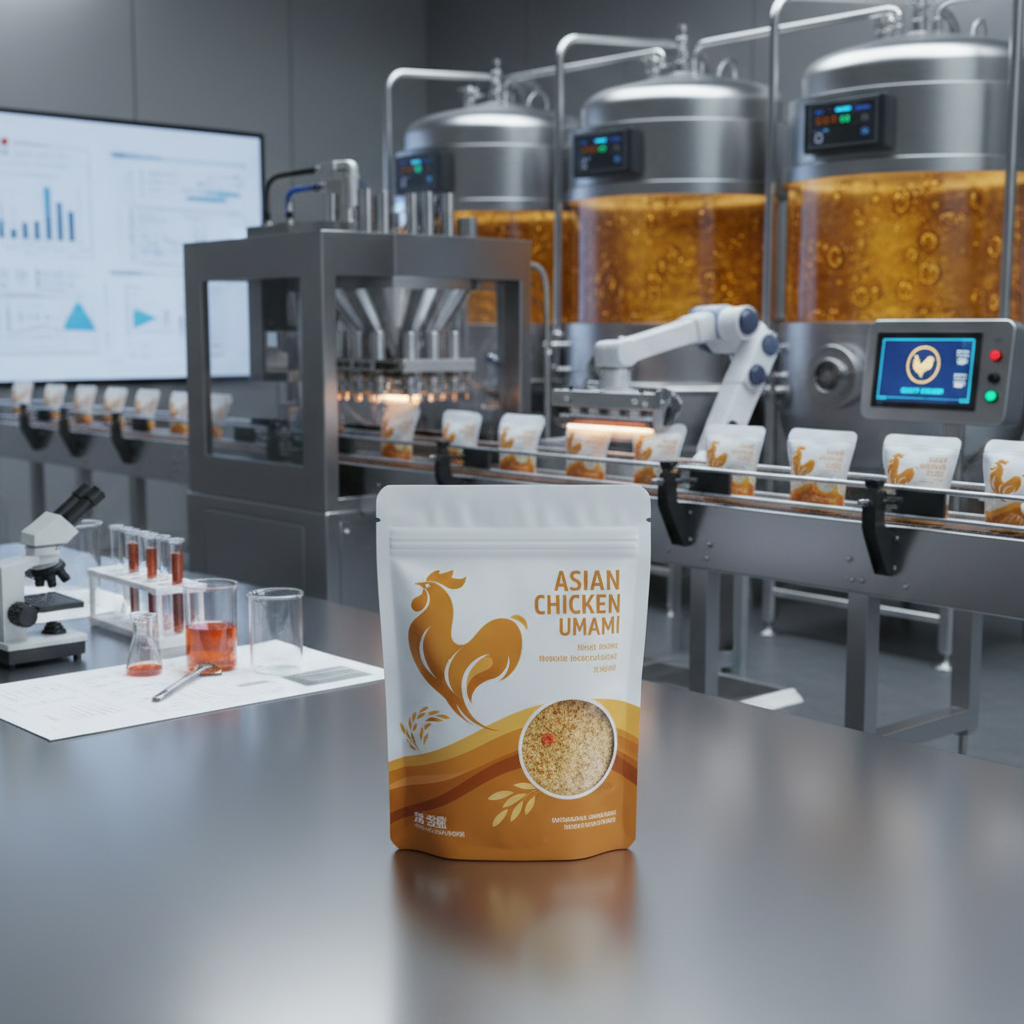
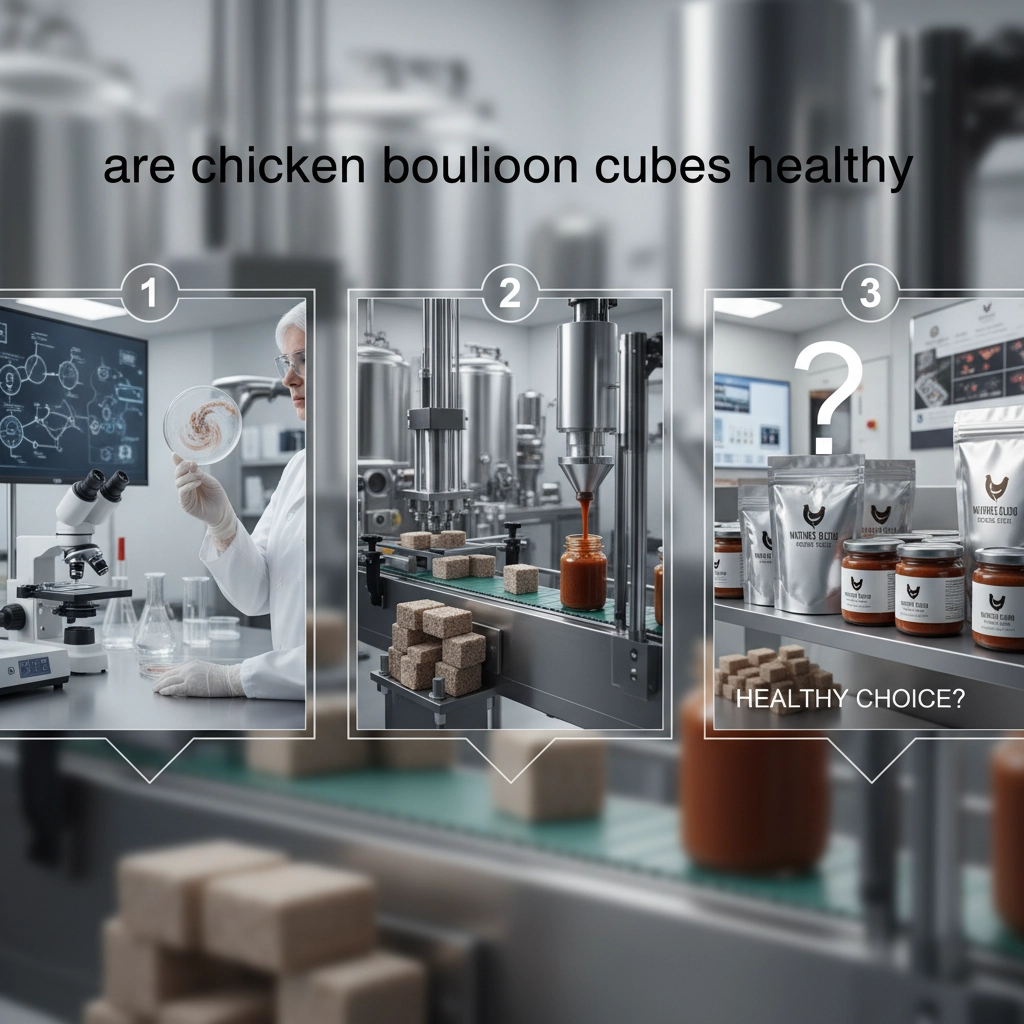
The global culinary landscape has seen a dramatic rise in the demand for efficient, high-umami flavor enhancers, with chicken powder asian standing at the forefront of this evolution. As a cornerstone of modern food additive manufacturing, this concentrated seasoning allows chefs and industrial food producers to achieve a complex, savory profile without the labor-intensive process of simmering bones for hours. Its versatility makes it indispensable across diverse Asian cuisines, bridging the gap between traditional home-cooking tastes and large-scale commercial consistency.
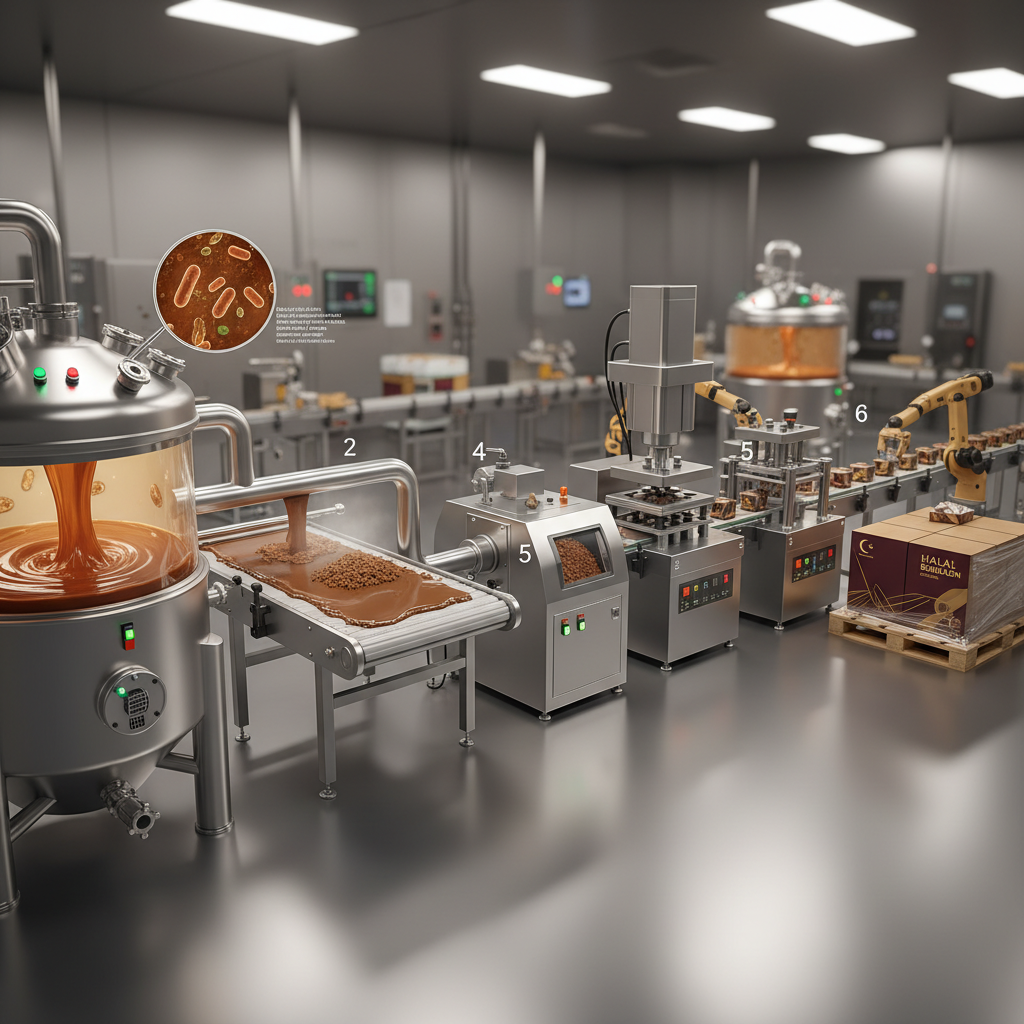
From a manufacturing perspective, the production of chicken powder asian involves sophisticated spray-drying and granulation technologies that ensure stability, long shelf-life, and rapid solubility. This product isn't merely a convenience item; it represents a precise intersection of food chemistry and cultural palate preferences, designed to meet the rigorous standards of the global food additive industry. By optimizing the ratio of amino acids and salt, manufacturers provide a product that enhances the natural flavors of ingredients rather than masking them.
Understanding the nuances of high-quality chicken powder is critical for businesses operating in the food service and packaged goods sectors. With the increasing shift toward clean-label ingredients and sustainable sourcing, the industry is evolving to offer versions that balance the traditional potency of chicken powder asian with healthier profiles. This guide explores the technical components, global applications, and future trends that define this essential ingredient in the modern food additive market.
Global Relevance of Chicken Powder Asian
In the context of global trade, chicken powder asian has transitioned from a regional specialty to a global commodity. Data from international trade monitors suggests a steady increase in the import of concentrated seasoning powders across Southeast Asia, Africa, and Latin America, where the demand for convenient, protein-flavored bases is skyrocketing. The ability to standardize taste across thousands of outlets makes this additive a critical tool for franchise scalability and quality control.
However, the industry faces a significant challenge: the balance between intense flavor and nutritional transparency. As consumers become more aware of sodium levels and artificial additives, manufacturers of chicken powder asian are now integrating organic extracts and reducing MSG concentrations while maintaining the "savory punch" that defines the product. This shift is driving a new wave of R&D in the food additive sector.
Defining Chicken Powder Asian in Modern Industry
At its core, chicken powder asian is a dehydrated seasoning blend composed of chicken extracts, salt, sugar, and a proprietary mix of flavor enhancers. Unlike simple bouillon cubes, the "Asian-style" powder is characterized by its finer granulation and the inclusion of specific aromatic profiles—often featuring notes of garlic, onion, and sometimes ginger—to suit the taste palettes of Eastern markets.
Within the broader framework of food additives, this powder serves as a "base" that reduces the need for fresh meat in soups, sauces, and marinades. This is particularly vital for the industrial food sector, where consistency in batch production is paramount. By utilizing a standardized powder, manufacturers can eliminate the natural variance found in fresh poultry, ensuring that a product tastes the same in Tokyo as it does in New York.
Beyond commercial kitchens, this product addresses a humanitarian need for nutrient-dense, shelf-stable flavorings in regions with limited cold-chain infrastructure. The ability to store chicken powder asian at room temperature for extended periods while retaining its sensory properties makes it an invaluable asset for food security and emergency relief food kits.
Core Components for Optimal Umami Performance
The primary driver of the success of chicken powder asian is the synergy of its core components. The most critical element is the concentration of glutamates, which trigger the umami receptors on the tongue. When these are paired with precise levels of sodium chloride, the resulting flavor is not just "salty," but deeply satisfying and savory, which is the hallmark of high-grade additives.
Another essential factor is the solubility and particle size of the chicken powder asian. Using advanced spray-drying techniques, manufacturers ensure that the powder dissolves instantly in hot water without clumping. This technical precision prevents "flavor hotspots" in the final dish, providing a seamless integration of taste throughout the food matrix.
Finally, the stability of the aromatic compounds is what differentiates premium products from budget alternatives. High-quality chicken powder asian employs encapsulation technology to protect volatile flavor molecules from oxidation. This ensures that the characteristic "fresh chicken" aroma is released only upon heating, extending the sensory shelf-life of the product.
Technical Factors and Cost Efficiency
When analyzing the ROI of implementing chicken powder asian in a commercial setting, cost efficiency is the most tangible benefit. The reduction in labor costs—eliminating the need for hours of stock preparation—combined with the decrease in raw material waste, allows food operators to significantly lower their overhead. The high potency of the powder means that only small quantities are required to flavor large volumes of food.
Furthermore, the scalability offered by these additives allows brands to expand their product lines rapidly. Whether it is a ready-to-eat meal or a snack seasoning, the consistent performance of chicken powder asian ensures that the flavor profile remains stable regardless of the production scale.
Comparative Performance of Chicken Powder Asian Variants
Global Applications and Industrial Use Cases
The application of chicken powder asian extends far beyond the typical kitchen. In the instant noodle industry, it serves as the primary flavor base for seasoning sachets, where its ability to rehydrate instantly is critical. In the snack food sector, it is often granulated and used as a topical seasoning for chips and extruded snacks, providing a consistent savory coating.
In remote industrial zones or military catering, the logistics of transporting fresh poultry are often impossible. Here, chicken powder asian provides a critical psychological and nutritional benefit, offering a familiar and comforting taste that improves the morale and dietary satisfaction of personnel in isolated environments.
Long-Term Value and Economic Advantages
Investing in high-quality chicken powder asian provides long-term value through reliability and trust. For a food brand, the worst-case scenario is a batch of products that tastes "off." By sourcing a chemically stable additive, companies eliminate the risk of flavor drift, ensuring customer loyalty and reducing the cost of quality control audits.
Sustainability is also becoming a logical angle for value. Modern production of chicken powder asian utilizes byproduct recovery from the poultry industry, turning what would be waste into a high-value ingredient. This circular economy approach reduces the environmental footprint of food production while maintaining high commercial yields.
Furthermore, the social impact of affordable, high-quality seasoning cannot be overlooked. By making professional-grade flavors accessible to small-scale street food vendors across Asia and Africa, these additives empower micro-entrepreneurs to compete with larger chains, driving local economic growth through culinary innovation.
Future Innovations in Seasoning Technology
The future of chicken powder asian is being shaped by the digital transformation of food science. AI-driven flavor profiling is now allowing manufacturers to analyze millions of consumer taste preferences in real-time, leading to "hyper-regionalized" versions of chicken powder that cater to specific city-level palates.
Moreover, the shift toward "green chemistry" is introducing enzyme-assisted extraction methods. These processes allow for the removal of impurities and the concentration of flavor without the use of harsh chemical solvents, resulting in a cleaner label for chicken powder asian that appeals to the health-conscious Gen-Z demographic.
Automation in the manufacturing process is also reducing the margin of error in mixing. Precision dosing systems ensure that every gram of powder contains the exact same ratio of nutrients and flavor enhancers, further cementing the role of these additives in the global pharmaceutical-grade food industry.
Analysis of Future Trends in Chicken Powder Asian Production
| Innovation Dimension |
Technical Approach |
Expected Impact |
Adoption Rate (1-10) |
| Clean Label |
Natural Yeast Extract |
Reduced MSG usage |
9 |
| Sustainability |
Upcycled Poultry Bone |
Zero-waste production |
7 |
| Personalization |
AI-Flavor Mapping |
Region-specific blends |
6 |
| Processing |
Cold-Spray Drying |
Preserved volatiles |
8 |
| Health |
Potassium Salt Sub |
Lower sodium content |
8 |
| Packaging |
Biodegradable Foil |
Reduced plastic waste |
5 |
FAQS
Chicken powder asian is typically formulated with a different aromatic profile, emphasizing ingredients like garlic and onion, and often has a finer powder consistency for instant solubility. While Western bouillon often comes in cubes with a higher fat content and a more "herbaceous" profile (parsley, thyme), the Asian variant focuses on pure umami and savory depth to complement rice, noodles, and stir-fries.
Yes, it is specifically designed for this purpose. Because it is a standardized additive, it eliminates the natural variance of fresh chicken, allowing industrial manufacturers to maintain a consistent taste profile across millions of units. Its long shelf-life and ease of storage make it more cost-effective than liquid concentrates for global shipping.
Quality should be verified through COA (Certificate of Analysis) reports focusing on moisture content, salt levels, and impurity tests. Ensure the supplier follows ISO or HACCP standards. A high-quality product will have a free-flowing powder consistency without clumps and a strong, savory aroma that does not smell overly artificial or "burnt."
Absolutely. Modern manufacturers are now offering "reduced sodium" and "MSG-free" versions of chicken powder asian. By using natural yeast extracts and mushroom powders to mimic the umami effect, these versions provide the same taste satisfaction while meeting the requirements of clean-label and health-centric dietary guidelines.
While chicken powder is shelf-stable, high humidity is its biggest enemy. It should be stored in a cool, dry place in airtight packaging. Exposure to moisture causes "caking" or clumping, which can affect the dosing accuracy in industrial machines. Maintaining a temperature below 25°C is recommended for maximum shelf-life.
While it varies by brand potency, the typical ratio is 1% to 3% of the total liquid weight. For instance, adding 10-30 grams per liter of water usually yields a professional-grade savory base. Because of its concentration, it is always recommended to start with a lower dose and adjust based on the other ingredients in the recipe.
Conclusion
The integration of chicken powder asian into the global food supply chain has fundamentally changed how we approach flavor efficiency and consistency. By combining traditional umami profiles with modern food additive technology, it provides an unparalleled balance of cost-effectiveness, scalability, and sensory appeal. From the smallest street stall to the largest instant-food factory, the value of a high-quality seasoning base lies in its ability to deliver a reliable, delicious experience every single time.
Looking forward, the industry is poised for a transition toward even more sustainable and health-oriented formulations. The adoption of AI-driven flavor profiling and green extraction methods will ensure that these additives remain relevant in an era of conscious consumption. For businesses looking to elevate their flavor profiles and optimize production costs, investing in premium, standardized seasoning solutions is no longer optional—it is a strategic necessity. Visit our website for more professional solutions: www.chinaseasoning.com