When exploring modern kitchen staples, many home cooks and nutritionists frequently ask, are chicken bouillon cubes healthy? These concentrated bursts of flavor have become essential in global gastronomy due to their convenience and ability to enhance the depth of soups, stews, and sauces. However, the intersection of convenience and nutrition often creates a complex debate regarding their long-term dietary impact.
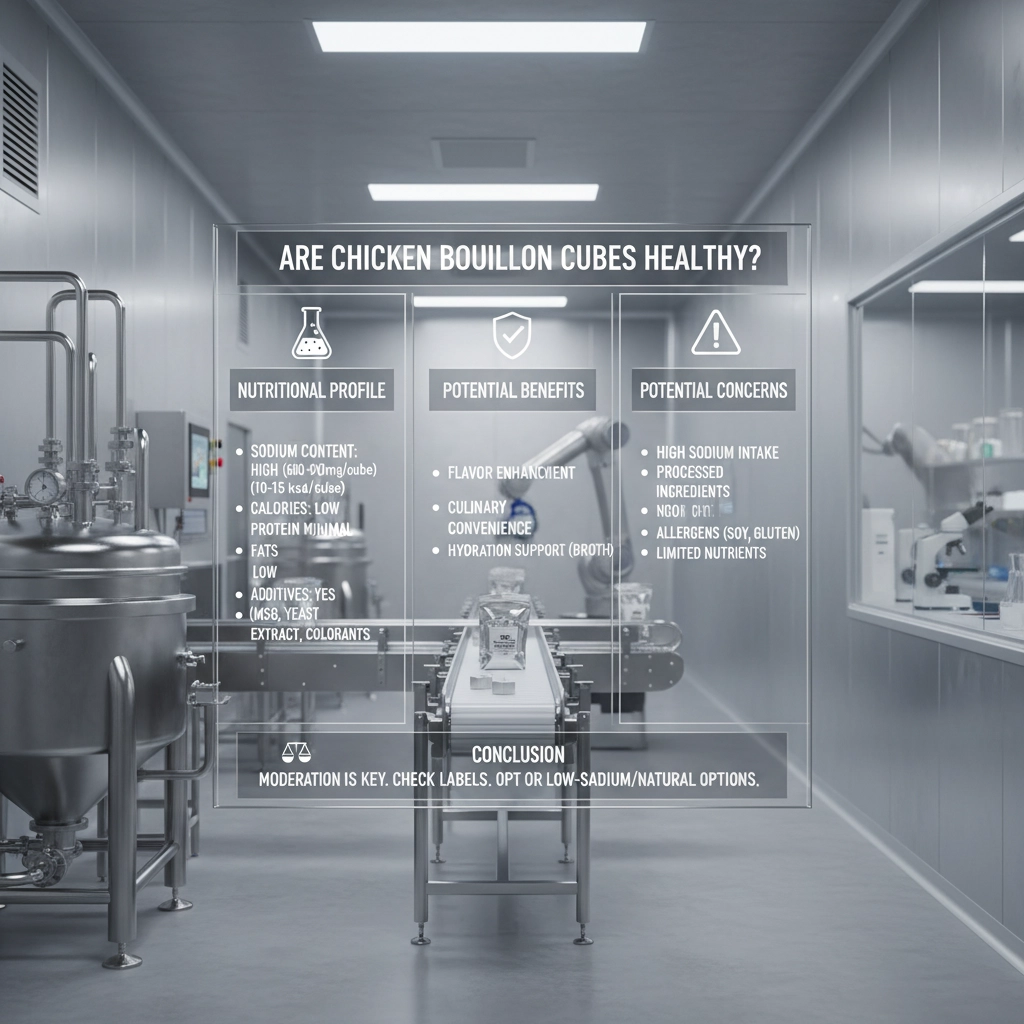
Understanding whether these flavor enhancers fit into a balanced diet requires a deep dive into their composition. Most bouillon cubes are a blend of salt, flavor enhancers like MSG, and dehydrated chicken extracts. While they provide a quick solution for savory depth, the high sodium content is often the primary point of contention for health-conscious consumers worldwide.
Ultimately, determining if are chicken bouillon cubes healthy depends largely on the frequency of use and the specific brand's ingredient list. By examining the additive manufacturing process and nutritional profiles, we can find a balance between culinary efficiency and dietary wellness, ensuring that flavor does not come at the expense of health.
Analyzing the Ingredients of Bouillon Cubes
To answer the question are chicken bouillon cubes healthy, we must first dismantle the ingredient list. Typically, these cubes consist of salt as a primary preservative, combined with hydrolyzed vegetable proteins, palm oil, and a small percentage of chicken fat or extract. The inclusion of Monosodium Glutamate (MSG) is common, providing the "umami" taste that makes these cubes so appealing to the palate.
From a food additive manufacturing perspective, the goal is stability and consistency. The use of anti-caking agents and stabilizers ensures that the cube remains solid and soluble. While these ingredients are generally recognized as safe (GRAS) by global food authorities, the concentration of these additives is what leads many to question the overall health value of these products.
The Sodium Paradox in Flavor Enhancers
The most significant hurdle in the discussion of whether are chicken bouillon cubes healthy is the sodium content. Sodium is essential for bodily functions, but excessive intake is linked to hypertension and cardiovascular issues. A single bouillon cube can contain a substantial percentage of the recommended daily allowance of salt, making it a risky choice for those on restricted diets.
Industry manufacturers face a paradox: sodium is both the primary flavor carrier and the main preservative. Reducing salt often requires increasing other enhancers to maintain the same taste profile, which can lead to a higher reliance on chemical additives. This tension between taste, shelf-life, and health is a central challenge in the food additive sector.
However, the emergence of low-sodium alternatives indicates a shift in the industry. By utilizing potassium chloride or organic yeast extracts, manufacturers are attempting to provide the same savory experience while mitigating the health risks associated with high sodium, moving the needle closer to a "healthy" classification.
Comparing Commercial Cubes vs. Homemade Broth
When weighing the pros and cons of are chicken bouillon cubes healthy, it is helpful to compare them with traditional homemade stocks. Homemade broth is rich in collagen, amino acids, and minerals extracted from bones and vegetables, offering genuine nutritional value that processed cubes simply cannot replicate.
The core difference lies in the "nutrient density." While a bouillon cube provides flavor, it lacks the biological benefits of slow-simmered bone broth. Therefore, if the goal is therapeutic healing or deep nutrition, the answer to are chicken bouillon cubes healthy is usually "no" when compared to the natural alternative.
Despite this, the practicality of bouillon cubes cannot be ignored. In fast-paced urban environments or industrial food service, the time required to simmer a stock for 12 hours is often unavailable. The challenge for the additive industry is to close the nutritional gap between processed convenience and raw, natural ingredients.
Nutritional Efficiency and Dietary Impact
Evaluating the dietary impact involves looking at how these cubes fit into a larger caloric and nutritional framework. For most healthy adults, the occasional use of bouillon does not pose a significant threat. However, when used as a primary seasoning in every meal, the cumulative effect of additives can influence appetite regulation and water retention.
The "healthiness" is relative to the user's specific health goals. For someone seeking a low-calorie way to add flavor to vegetables, a small amount of bouillon is more efficient than using butter or heavy creams. Thus, the context of use determines the final verdict on are chicken bouillon cubes healthy.
Nutritional Value Analysis of Flavoring Options
Global Consumption Patterns and Health Trends
Globally, the consumption of bouillon cubes varies by region. In many developing nations, these cubes are not just seasonings but are used as a primary source of flavor and salt in diets where fresh meat is expensive or unavailable. In these contexts, the question of are chicken bouillon cubes healthy takes on a different meaning, as they provide essential salinity and appetite stimulation.
Conversely, in Western markets, there is a growing trend toward "clean label" products. Consumers are demanding the removal of MSG and artificial colors. This has forced manufacturers to innovate, utilizing fermentation-derived flavors and organic extracts to create products that align with a health-centric lifestyle without sacrificing the convenience of the cube format.
The Role of Additives in Modern Food Manufacturing
From the perspective of a food additive manufacturer, the creation of a bouillon cube is a feat of chemical engineering. The process involves spray-drying chicken extracts and precisely blending them with salts and fats to ensure that the product is shelf-stable for years without refrigeration. This reliability is what makes these products a cornerstone of global food security and convenience.
However, the industry is currently undergoing a transition. The focus is shifting from "stability at all costs" to "health-optimized stability." This means replacing saturated fats (like palm oil) with healthier alternatives and reducing the chemical load of the preservatives.
When discussing are chicken bouillon cubes healthy, it is important to acknowledge that additives are not inherently "bad," but their concentration and type matter. The goal of modern food science is to maintain the functional benefits of additives while minimizing their physiological footprint.
Strategies for Healthier Bouillon Integration
To make the most of these products while maintaining a healthy lifestyle, moderation is key. Instead of using a full cube for a small pot of soup, users can use a fraction of the cube and supplement the flavor with fresh herbs, garlic, and onions. This reduces the overall sodium intake while enhancing the nutritional profile of the meal.
Another strategy is the "hybrid method," where a small amount of bouillon is added to a base of real vegetable or meat stock. This ensures the deep, consistent flavor of the industrial additive while providing the vitamins and minerals found in real food. This approach effectively answers the concern of are chicken bouillon cubes healthy by mitigating the risks.
Finally, reading labels carefully is the best defense. Look for products that list "chicken extract" early in the ingredients and those that avoid artificial dyes (like Yellow 5 or 6). Choosing organic or non-GMO options can also reduce the exposure to synthetic pesticides and processed additives.
Comparative Analysis of Bouillon Types and Health Metrics
| Bouillon Variety |
Sodium Level |
Additive Load |
Health Score (1-10) |
| Standard Commercial Cube |
Very High |
High (MSG, Dyes) |
4 |
| Low-Sodium Version |
Moderate |
Medium |
7 |
| Organic Yeast-Based |
Moderate |
Low |
8 |
| Homemade Reduction |
Low/Adjustable |
None |
10 |
| MSG-Free Commercial |
High |
Medium |
6 |
| Industrial Food Base |
Extreme |
Very High |
3 |
FAQS
For most people, daily use may be excessive due to high sodium levels, which can lead to water retention and increased blood pressure. It is recommended to use them sparingly or opt for low-sodium versions to avoid long-term cardiovascular strain.
For the general population, MSG is recognized as safe. However, some individuals experience "MSG symptom complex," which can include headaches or flushing. If you are sensitive, look for "no added MSG" labels on the packaging.
In terms of flavor, yes; in terms of nutrition, no. Real stock provides collagen and minerals that bouillon cubes lack. Use cubes for convenience, but rely on real stock for therapeutic or nutritional benefits.
Prioritize labels that list "low sodium," "no artificial colors," and "organic ingredients." Avoid those where sugar or hydrogenated oils appear high on the ingredient list.
Children's kidneys are more sensitive to sodium. While occasional use is generally fine, it is better to use homemade stocks or very small amounts of low-sodium bouillon to avoid over-salting their diet.
Yes, vegetable bouillon cubes often have similar sodium levels but avoid animal fats. Look for yeast-extract based vegetable cubes for a healthier, plant-based umami profile.
Conclusion
In summary, the question of are chicken bouillon cubes healthy does not have a simple yes or no answer. While they offer unparalleled convenience and a powerful flavor profile, their reliance on high sodium and chemical additives means they should be viewed as a culinary tool rather than a nutritional supplement. By balancing their use with fresh ingredients and choosing low-sodium, clean-label options, consumers can enjoy the savory benefits without compromising their health.
Looking forward, the food additive industry is moving toward a more sustainable and health-conscious model, integrating natural ferments and organic extracts to replace synthetic enhancers. We encourage consumers to be mindful of their intake and prioritize whole-food alternatives whenever possible. For high-quality food additive solutions and further insights into seasoning science, visit our website: www.chinaseasoning.com.