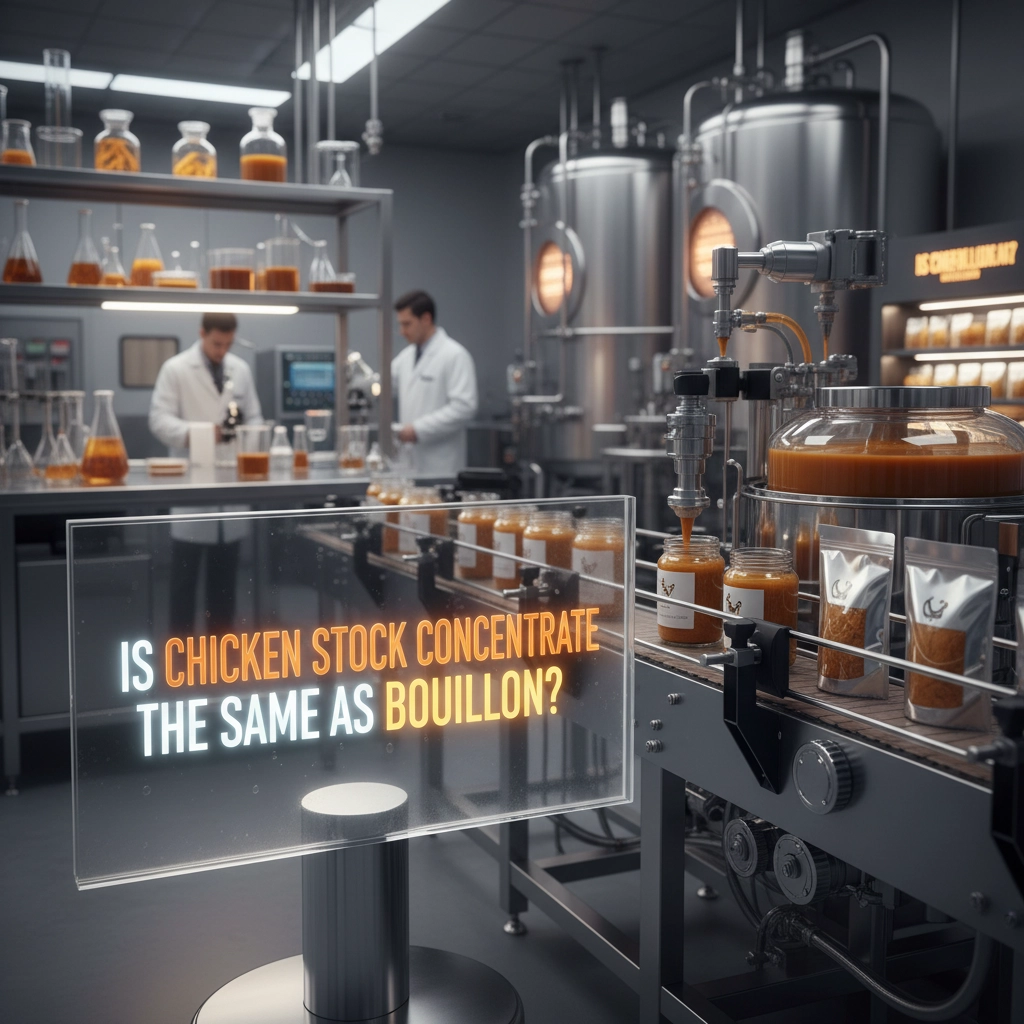
When navigating the world of culinary bases and industrial food additives, a common point of confusion for chefs and procurement managers alike is whether is chicken stock concentrate the same as bouillon. While both serve the purpose of adding a deep, savory chicken flavor to dishes, they differ significantly in their processing, concentration levels, and final application in a professional kitchen or manufacturing plant.
Understanding the nuance between these two products is essential for maintaining consistency in flavor profiles and managing food costs effectively. Whether you are developing a new ready-to-eat meal or simply preparing a high-volume soup, knowing the technical distinctions helps in choosing the right product for the right texture and taste intensity.
In this comprehensive guide, we will dive deep into the chemical and physical differences, exploring the global standards of food additive manufacturing to answer once and for all: is chicken stock concentrate the same as bouillon? By the end, you will have a clear framework for selecting the most efficient base for your specific culinary or industrial needs.
Defining the Technical Difference Between Concentrate and Bouillon
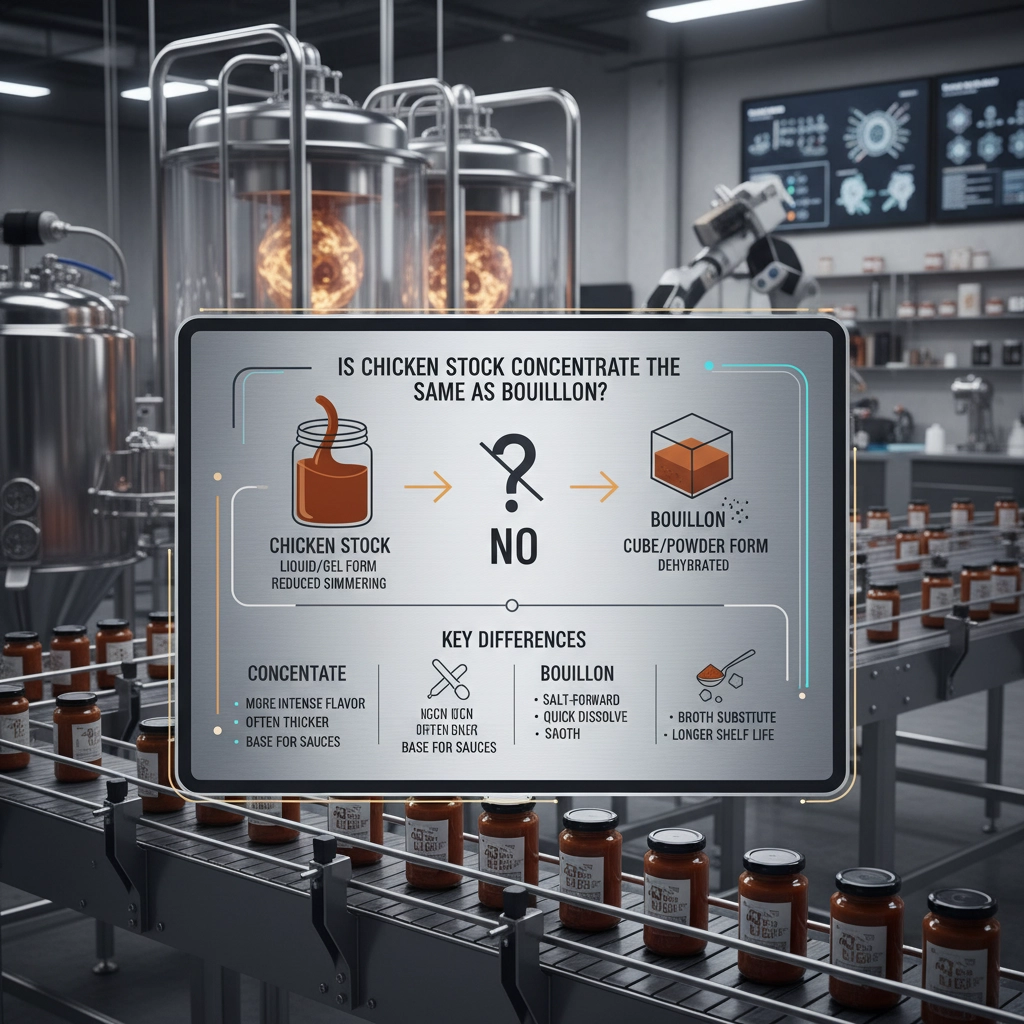
To address the question "is chicken stock concentrate the same as bouillon," we must first look at the state of the product. A chicken stock concentrate is typically a thick liquid or paste, created by reducing a traditional stock through evaporation or using vacuum-concentration technology. This process preserves the natural gelatin and mouthfeel of the original chicken bones and aromatics, resulting in a product that is highly potent but still "wet" in nature.
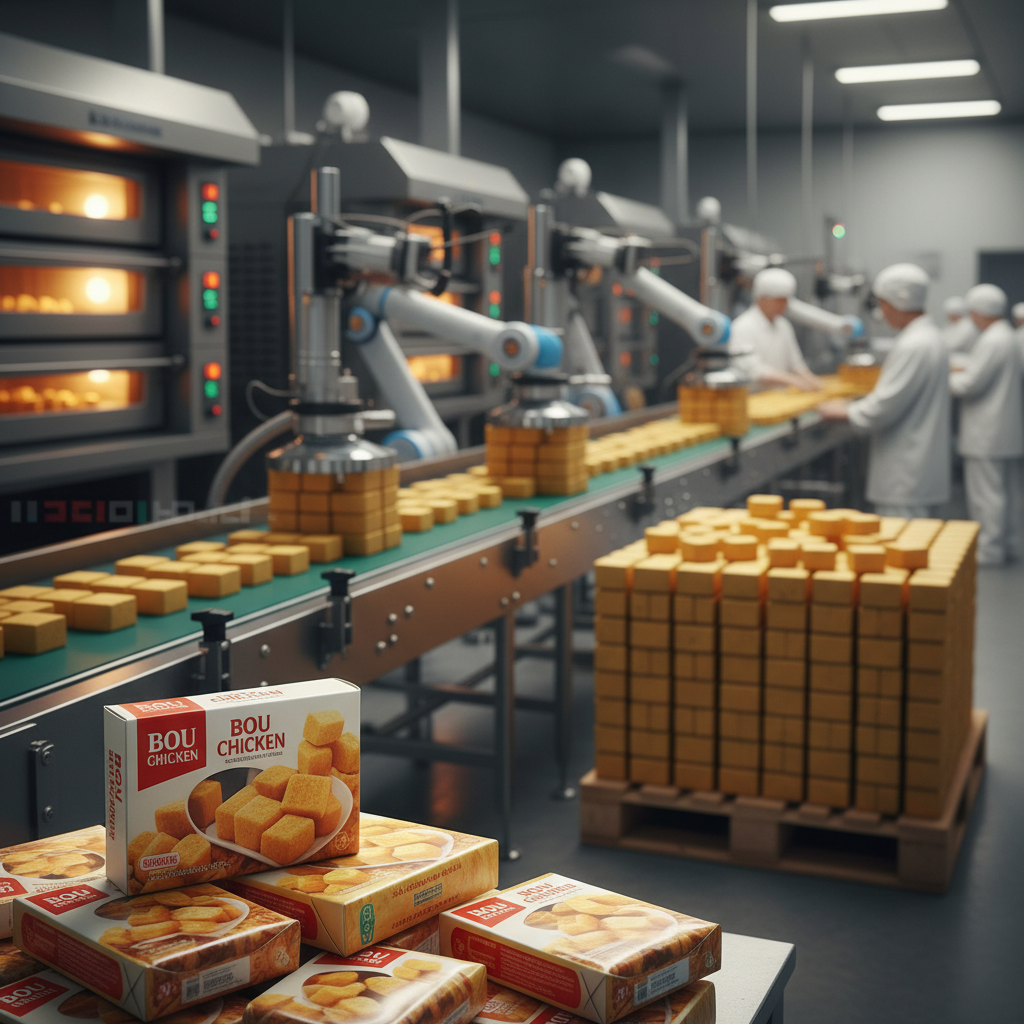
Bouillon, on the other hand, is generally a dehydrated product, available as cubes, granules, or powders. It is a highly processed form of seasoning that often relies on a mixture of salt, MSG, and dehydrated meat extracts. While the concentrate is an intensification of a liquid, bouillon is a complete transformation into a dry solid, making the answer to "is chicken stock concentrate the same as bouillon" a definitive no when considering physical properties and ingredient purity.
Global Market Context of Savory Bases
In the global food manufacturing sector, the demand for convenient savory bases has surged. According to industry trends aligned with ISO standards for food safety and quality, the move toward "clean label" ingredients has shifted the preference from traditional bouillon cubes toward high-quality concentrates. This is driven by a global consumer base that increasingly demands fewer artificial preservatives and a more authentic "homemade" taste in processed foods.
The challenge facing manufacturers is the balance between shelf-stability and flavor authenticity. Traditional bouillon provides unmatched longevity and ease of transport, but it often falls short in sensory evaluations compared to concentrates. This tension has led to an increase in the production of hybrid bases that attempt to bridge the gap between the two, though they still operate on the fundamental distinction of whether the product is a reduction or a dehydration.
From a humanitarian and logistical perspective, bouillon remains the gold standard for emergency food aid due to its weight and stability. However, in the commercial food service industry in North America and Europe, the debate over whether is chicken stock concentrate the same as bouillon is settled by the requirement for "mouthfeel"—the viscous quality that only a concentrate can provide to a professional sauce or glaze.
Core Components and Ingredient Profiles
When analyzing the ingredient list, the question of is chicken stock concentrate the same as bouillon becomes even clearer. Concentrates usually list chicken stock or meat extract as the primary ingredient, followed by salt and natural flavorings. Their goal is to mimic a long-simmered pot of stock, maintaining the amino acid profiles and collagen that contribute to a rich texture.
Bouillon products frequently utilize a higher concentration of sodium and flavor enhancers like Monosodium Glutamate (MSG) to compensate for the loss of volatile aromatic compounds during the drying process. Therefore, when asking is chicken stock concentrate the same as bouillon, one must consider that bouillon is often more of a "seasoning" than a "stock," focusing on saltiness and umami rather than the complex body of a reduced liquid.
For those in the pharmaceutical intermediate or high-end food additive industries, the purity of these components is paramount. Concentrates offer a more stable bridge to natural ingredients, whereas bouillon is a triumph of chemical engineering and dehydration. This fundamental difference in composition ensures that they are not interchangeable in recipes requiring precise viscosity or nutritional profiles.
Performance Metrics in Industrial Applications
In a large-scale manufacturing environment, the choice between these two depends on the required output. A concentrate is preferred for high-end sauces, gravies, and gourmet soups where the "body" of the liquid is essential. Bouillon is the preferred choice for instant noodles, powdered drink mixes, and mass-market frozen meals where rapid solubility and extreme shelf-life are the primary KPIs.
To quantify the difference, we look at the efficiency of flavor delivery and the impact on the final product's texture. While bouillon is faster to integrate, the concentrate provides a superior sensory experience that justifies its slightly more complex storage requirements.
Performance Comparison: Concentrate vs. Bouillon
Real-World Use Cases and Global Adoption
In professional European kitchens, the use of concentrates is standard for creating "fond" and reduction sauces. The viscosity allows chefs to achieve a glossy finish that is impossible with bouillon. When a chef asks is chicken stock concentrate the same as bouillon, the answer is reflected in the sauce's ability to cling to the food, a direct result of the gelatin preserved in the concentrate.
Conversely, in the fast-moving consumer goods (FMCG) markets of Asia, bouillon granules are dominant due to the prevalence of instant soups and the need for ingredients that can withstand high humidity without spoiling. Here, the convenience of the dry format outweighs the depth of flavor, making bouillon the logical choice for mass distribution.
Long-Term Value: Cost vs. Quality Analysis
When evaluating the long-term value, the conversation shifts from "is chicken stock concentrate the same as bouillon" to "which one provides the best ROI?" Bouillon is undeniably cheaper per serving and requires no refrigeration, reducing overhead costs for storage and transport. For budget-conscious operations, bouillon is an unbeatable tool for basic seasoning.
However, the value of a concentrate lies in brand prestige and customer loyalty. High-end restaurants and premium food brands use concentrates to justify a higher price point for their dishes. The perceived quality and "natural" taste create a competitive advantage that far outweighs the initial cost of the ingredient.
Ultimately, the decision is a strategic one. Investing in is chicken stock concentrate the same as bouillon knowledge allows a business to tier its products—using bouillon for base-level efficiency and concentrates for signature, high-margin offerings.
Future Innovations in Flavor Concentration Technology
The future of savory bases is moving toward "freeze-drying" and "spray-drying" technologies that attempt to merge the benefits of both products. New innovations are allowing manufacturers to create a powder that, when rehydrated, has the exact molecular structure and mouthfeel of a liquid concentrate. This effectively solves the riddle of is chicken stock concentrate the same as bouillon by creating a third category: the high-fidelity dehydrated base.
Additionally, the integration of biotechnology is allowing for the creation of "animal-free" concentrates using fermentation. These plant-based alternatives are designed to mimic the collagen and umami of chicken stock, catering to the growing vegan and sustainable food markets globally.
As automation in food manufacturing increases, we expect to see "smart bases" that are optimized for specific machinery, ensuring that the flavor release is timed perfectly during the industrial cooking process. The evolution of these products ensures that the distinction between concentrates and bouillon will continue to evolve, though the core difference in concentration method will remain.
Comparison Matrix of Chicken Stock Bases
| Feature |
Chicken Stock Concentrate |
Bouillon Cube/Powder |
Impact on Final Dish |
| Physical Form |
Paste/Liquid |
Solid/Granular |
Viscosity vs. Clarity |
| Primary Ingredient |
Reduced Meat Stock |
Salt & Extracts |
Authenticity vs. Saltiness |
| Mouthfeel |
Rich/Gelatinous |
Thin/Watery |
Coating Ability |
| Shelf Stability |
Medium (Requires Cold) |
High (Ambient) |
Storage Costs |
| Preparation Speed |
Fast (Dissolves) |
Very Fast (Instant) |
Operational Efficiency |
| Clean Label Potential |
High |
Low |
Consumer Trust |
FAQS
Yes, you can, but the result will differ. Bouillon will provide the salty, savory flavor but will lack the viscosity and richness (collagen/gelatin) that a concentrate provides. If you are making a sauce that needs to thicken, bouillon will not be a direct substitute; you may need to add a thickening agent like roux or cornstarch.
Generally, high-quality concentrates are healthier as they contain more natural proteins and fewer artificial additives. Bouillon is typically very high in sodium and often contains MSG and anti-caking agents to maintain its powder form. Always check the label for sodium content and the presence of artificial preservatives.
Unlike bouillon, which is shelf-stable, concentrates usually require refrigeration after opening. Keep them in an airtight container to prevent oxidation and contamination. Some industrial concentrates are vacuum-sealed for longer ambient shelf life, but once the seal is broken, cold storage is essential for safety.
Salt acts as both a flavor enhancer and a preservative in bouillon. Because the process of dehydration removes the natural "body" of the stock, manufacturers increase the salt and umami levels to ensure the flavor remains impactful. Concentrates rely more on the reduction of actual meat solids for their taste.
In industry, they are treated as two different categories of ingredients. Concentrates are used as "base ingredients" for premium lines, whereas bouillon is used as a "seasoning agent" for mass-market products. The choice depends entirely on the desired final texture and the target price point of the end product.
Yes, by simmering chicken bones and vegetables for several hours and then continuing to boil the liquid until it reduces to a thick, syrupy consistency. This creates a natural concentrate. However, achieving the shelf-stability of commercial concentrates requires professional vacuum-reduction and sterilization equipment.
Conclusion
In summary, while they may seem similar at first glance, is chicken stock concentrate the same as bouillon? The answer is a definitive no. Concentrates are reduced liquids that preserve the natural texture and depth of real stock, making them ideal for high-end culinary applications. Bouillon is a dehydrated seasoning, optimized for convenience, cost-efficiency, and long-term stability, making it a staple for mass-market and emergency food supplies.
Choosing between the two requires a strategic evaluation of your goals: if you prioritize mouthfeel, authenticity, and "clean label" ingredients, the concentrate is your best bet. If you prioritize speed, budget, and ease of storage, bouillon is the way to go. As food technology continues to evolve, the line may blur, but understanding these fundamentals ensures you always deliver the right flavor profile to your customers. For professional-grade food additives and savory bases, visit our website: www.chinaseasoning.com.