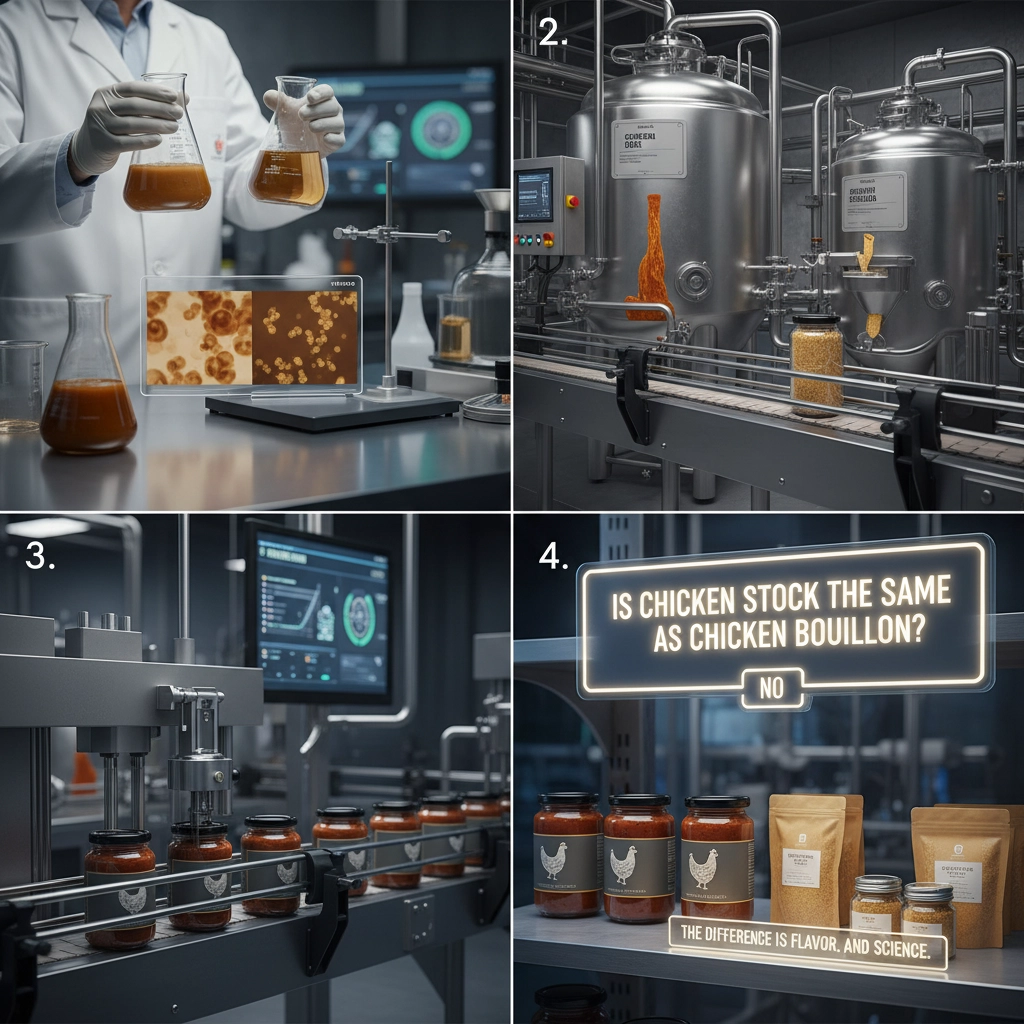
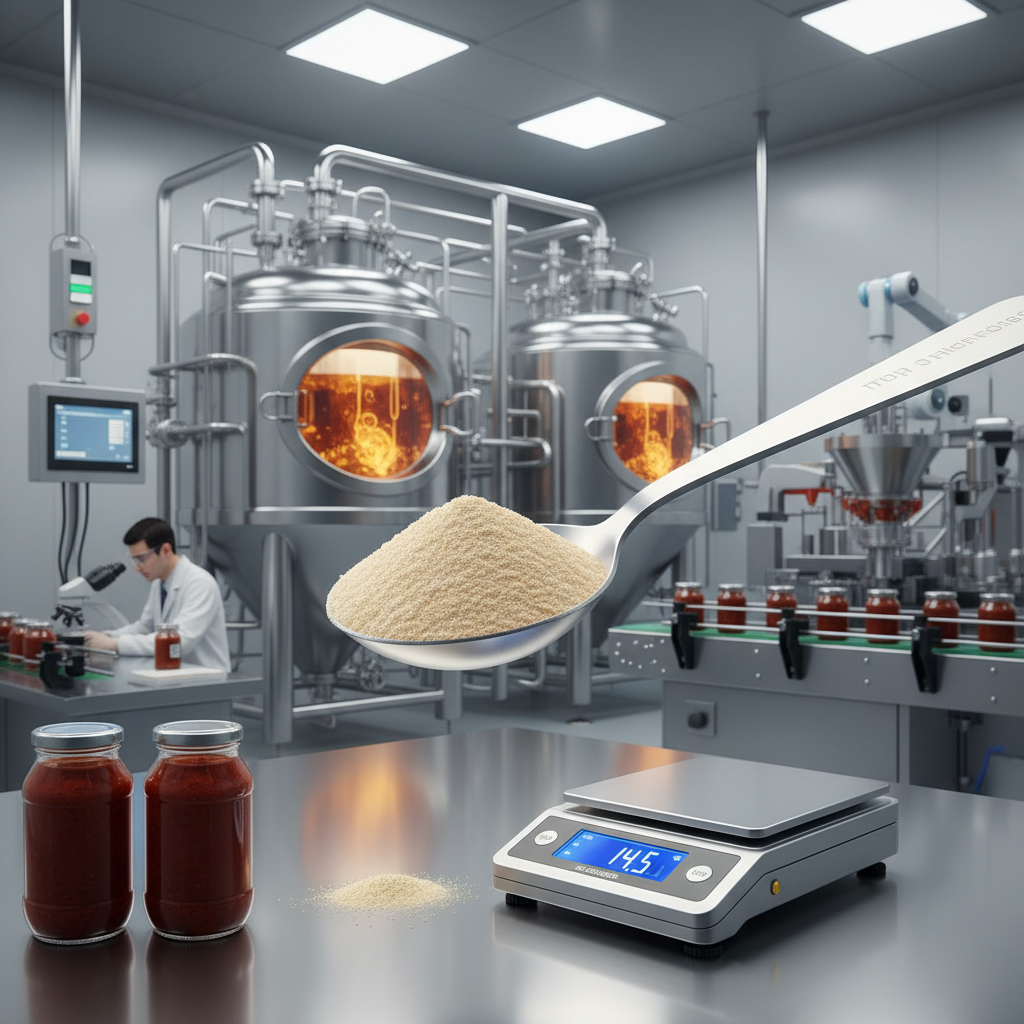
When entering the world of culinary arts or food manufacturing, one of the most common points of confusion for beginners and professionals alike is whether is chicken stock the same as chicken bouillon. While both serve as the foundational "liquid gold" for soups, stews, and sauces, they differ significantly in their production process, concentration, and chemical composition. Understanding these nuances is essential for maintaining consistency in flavor profiles and managing cost-efficiency in large-scale food production.
From a global industrial perspective, the choice between stock and bouillon impacts everything from supply chain logistics to the final nutritional label. Chicken stock is typically a fresh, liquid product resulting from simmering bones and aromatics, whereas bouillon is a dehydrated, concentrated form—often involving various food additives to maintain stability and flavor potency over long shelf lives. This distinction is not merely semantic but relates to the core of food science and additive manufacturing.
Ultimately, knowing if chicken stock the same as chicken bouillon allows chefs and food engineers to choose the right tool for the job. Whether you are aiming for the deep, gelatinous mouthfeel of a traditional homemade stock or the rapid scalability and standardized taste of a commercial bouillon cube, the technical differences dictate the outcome of the dish. In this comprehensive guide, we will dissect these two ingredients through the lens of food chemistry and industrial application.
The Fundamental Definition of Stock vs Bouillon
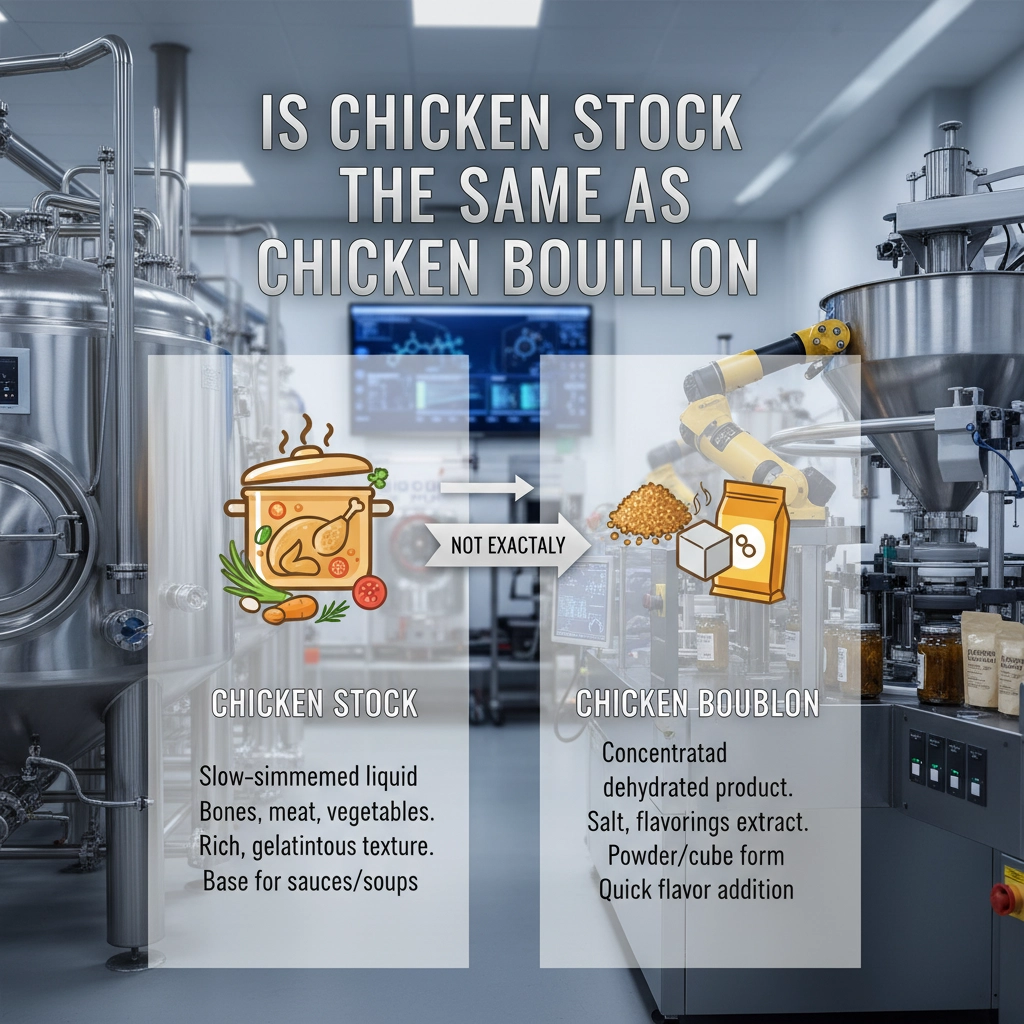
To answer the primary question—is chicken stock the same as chicken bouillon—we must first look at the physical state and intent of the product. Chicken stock is a liquid created by simmering chicken bones, vegetables, and herbs in water. The result is a nutrient-rich liquid that contains dissolved collagen and minerals, providing a natural body and viscosity to culinary preparations.
Bouillon, on the other hand, is a highly concentrated form of stock that has been reduced and then dehydrated into a powder or a cube. While it is derived from a similar base, the processing involves the removal of water and the addition of salt and other stabilizers. Therefore, while they share a lineage, they are functionally different products in both a home kitchen and a manufacturing plant.
Industrial Production Processes and Scale
In the industrial sector, the production of chicken stock requires massive vats and precise temperature control to ensure that the extraction of proteins and flavors is consistent across batches. The scale of operation involves managing fresh raw materials, which introduces challenges related to perishability and cold-chain logistics. For manufacturers, providing a fresh liquid stock is often a premium offering due to these constraints.
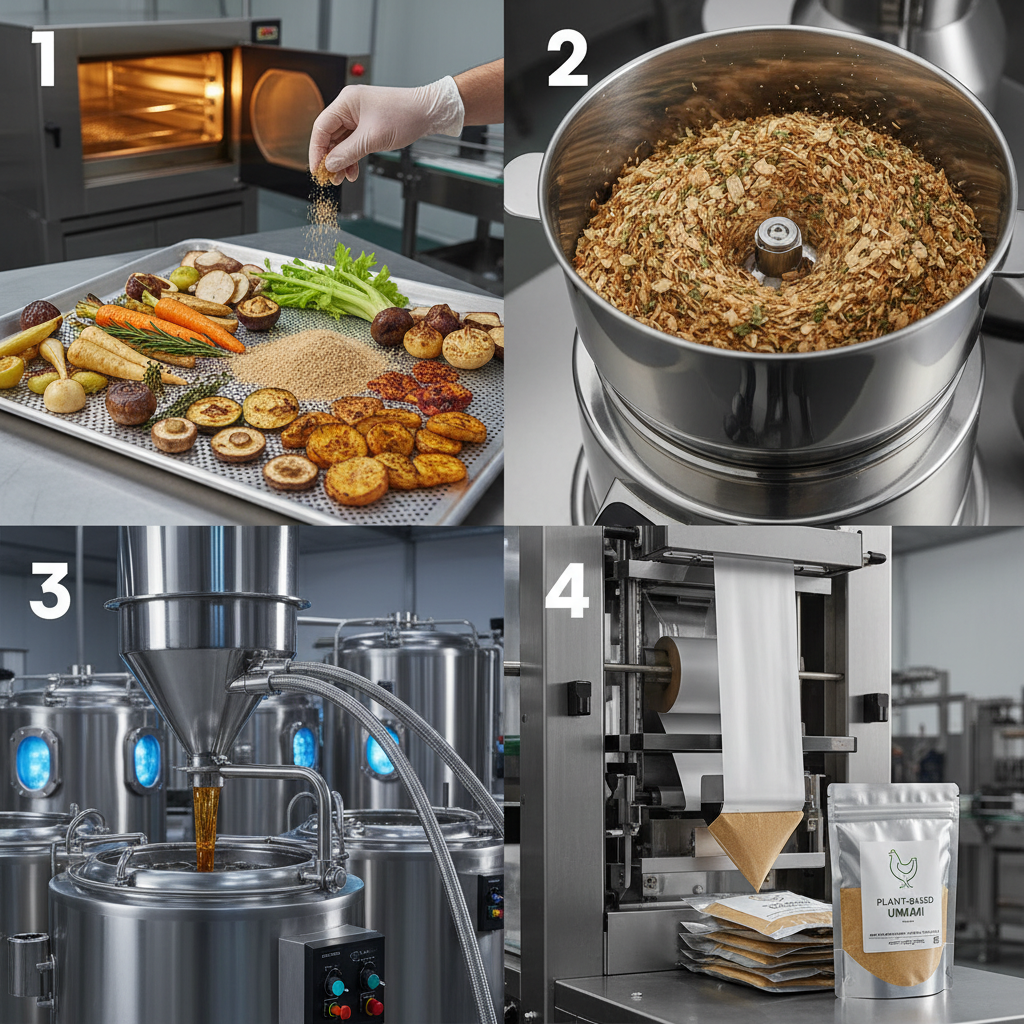
Contrastingly, the production of bouillon involves advanced dehydration technologies such as spray drying or freeze-drying. By removing the water content, manufacturers can create a product that is lightweight and shelf-stable for years. This process often requires the integration of specialized food additives to prevent the powder from clumping and to ensure that the flavor remains potent upon rehydration.
When comparing whether is chicken stock the same as chicken bouillon in a factory setting, the difference is one of engineering. Stock production is about extraction and filtration, while bouillon production is about concentration, stabilization, and miniaturization. The latter allows for global distribution without the need for refrigeration, making it the dominant choice for convenience-food markets.
Chemical Composition and Flavor Profiles
The flavor profile of a traditional stock is subtle and rounded, relying on the natural synergy of amino acids and fats. When questioning is chicken stock the same as chicken bouillon, one must consider the "mouthfeel." Stock contains gelatin, which provides a silky texture that bouillon, in its dehydrated form, often lacks unless specific thickeners are added during processing.
Bouillon is chemically designed for impact. It typically contains a higher concentration of sodium and often utilizes Monosodium Glutamate (MSG) or other flavor enhancers to mimic the "umami" depth of a long-simmered stock. Because the goal is instant flavor delivery, the chemical profile is skewed toward salt and concentrated aromatics, which can overpower delicate ingredients if not used carefully.
From a food chemistry perspective, the difference between the two is the presence of water and the ratio of solutes. A stock is a dilute solution of nutrients, while bouillon is a concentrated solute matrix. This fundamental chemical difference is why they are not interchangeable in high-end gastronomy, even though they may appear similar in a basic soup.
Cost Efficiency and Logistical Scalability
For a business, the debate over is chicken stock the same as chicken bouillon quickly becomes a matter of the bottom line. Shipping liquid stock means paying to transport water, which is economically inefficient. Bouillon solves this by eliminating the water weight, reducing shipping costs by up to 90%, and eliminating the need for expensive refrigerated transport.
Furthermore, the storage requirements for bouillon are minimal, allowing warehouses to stock vast quantities in ambient temperatures. This scalability makes bouillon the preferred choice for international aid organizations and large-scale food service providers who need a reliable, standardized flavor base that can be deployed rapidly across different geographic regions.
Comparison of Operational Efficiency: Stock vs Bouillon
Global Applications in Food Manufacturing
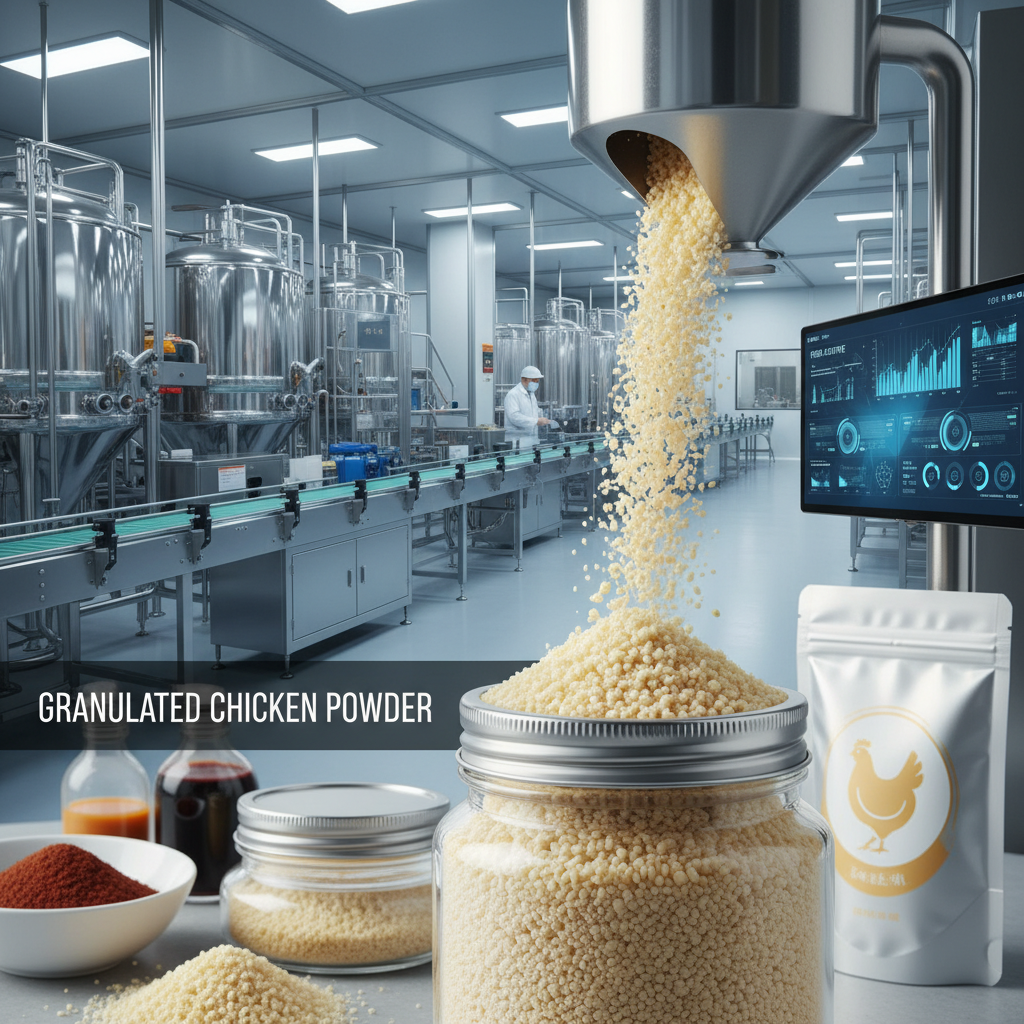
In the global food additive market, bouillon serves as a primary vehicle for delivering savory flavors to a wide array of processed foods. From instant noodle seasonings to frozen ready-meals, the technology used to create bouillon allows manufacturers to ensure that a product tastes the same in Tokyo as it does in New York. This standardization is the cornerstone of the global fast-food and convenience industry.
Meanwhile, liquid stocks are finding a resurgence in the "clean label" movement. As consumers demand fewer additives and more transparent ingredient lists, manufacturers are investing in HPP (High-Pressure Processing) to extend the shelf life of liquid stocks without compromising their natural integrity. This represents a shift back toward the traditional side of the "is chicken stock the same as chicken bouillon" divide.
Nutritional Value and Health Considerations
When analyzing the health impact, the distinction between the two becomes critical. Natural chicken stock is often praised for its collagen and glucosamine content, which are beneficial for joint health and gut lining. Because it is a slow-cooked extraction, it retains many of the micronutrients from the bones and marrow.
Bouillon, however, is frequently criticized for its high sodium content. To maintain stability and flavor in a dried state, salt is used as both a preservative and a flavor enhancer. For individuals with hypertension or those on low-sodium diets, the convenience of bouillon comes with a nutritional trade-off that is not present in homemade or low-sodium liquid stocks.
Therefore, when deciding if chicken stock the same as chicken bouillon for a health-conscious product line, the answer is a definitive "no." One is a nutrient-dense culinary base, while the other is a flavor-dense seasoning tool. The choice depends entirely on whether the priority is nutrition or taste-standardization.
Future Innovations in Flavor Concentrates
The future of the industry lies in bridging the gap between these two formats. We are seeing the emergence of "liquid concentrates" that offer the intensity of bouillon but the clean label and gelatinous properties of stock. Through advanced vacuum evaporation, manufacturers can remove water without destroying the heat-sensitive proteins and nutrients.
Sustainability is also driving innovation. The use of upcycled poultry by-products is turning what was once waste into high-value pharmaceutical intermediates and food bases. This circular economy approach ensures that the production of both stock and bouillon becomes more eco-friendly and cost-effective.
Digital transformation in the lab is also allowing for "molecular mapping" of traditional stocks. This means that bouillon can be engineered to taste exactly like a 24-hour simmered bone broth, effectively erasing the sensory difference and finally answering the question of is chicken stock the same as chicken bouillon with a "yes" in terms of taste, if not in form.
Technical Comparison of Stock and Bouillon Characteristics
| Physical Form |
Primary Composition |
Shelf Stability |
Industrial Use Case |
| Liquid / Gelatinous |
Water, Collagen, Fats |
Short (Requires Cooling) |
Premium Gourmet Bases |
| Powder / Cube |
Salt, MSG, Dehydrated Extracts |
Long (Ambient Storage) |
Mass Market Seasonings |
| Concentrated Paste |
Reduced Stock, Oils |
Medium (Refrigerated) |
Commercial Kitchens |
| Freeze-Dried Granule |
Porous Protein Matrix |
Very Long |
Military/Emergency Rations |
| Cold-Pressed Liquid |
Raw Nutrient Extract |
Very Short |
Health-Focused Retail |
| Spray-Dried Powder |
Maltodextrin, Chicken Solids |
Long |
Instant Soup Mixes |
FAQS
Yes, you can, but you must be careful with salt. Since bouillon is a concentrated form, you dissolve the cube or powder in water to create a liquid that mimics stock. However, because bouillon is much saltier, you should avoid adding extra salt to your dish until the very end to prevent over-seasoning.
Generally, chicken stock is healthier. It contains natural collagen and nutrients extracted from bones, and it typically has much lower sodium levels. Bouillon is a processed product that often contains high amounts of salt, MSG, and preservatives to maintain its shelf life and flavor intensity.
This is due to the presence of gelatin. When chicken bones are simmered, the collagen breaks down into gelatin. As the stock cools, these proteins bond together to form a gel-like structure. This is a sign of a high-quality stock and is something that bouillon cubes cannot replicate naturally.
While bouillon is a food product, its industrial production relies heavily on food additives. Ingredients like anti-caking agents, flavor enhancers (MSG), and stabilizers are used to ensure the product remains powderized and tastes consistent over time, fitting it into the broader category of additive-enhanced foods.
Fresh chicken stock typically lasts 3-5 days in the refrigerator or several months if frozen. In contrast, bouillon cubes or powders can last for 1-2 years at room temperature due to the removal of water and the addition of preservatives, making them far more stable for long-term storage.
In a hearty stew, the difference is minimal. However, in a delicate sauce or a clear consommé, the difference is profound. Stock provides a rich, complex depth and a silky texture, whereas bouillon provides a sharp, salty punch. For professional culinary results, stock is almost always preferred.
Conclusion
To summarize, while the terms are often used interchangeably in casual conversation, is chicken stock the same as chicken bouillon is a question answered by "no" in both the kitchen and the factory. Stock is the natural, liquid essence of simmered poultry, offering nutritional depth and a rich mouthfeel. Bouillon is the industrial, concentrated evolution of stock, engineered for convenience, longevity, and logistical efficiency. Understanding these differences allows for better decision-making in recipe development and industrial food production.
Looking forward, the industry is moving toward a hybrid approach where the convenience of bouillon meets the purity of stock. By leveraging new dehydration and stabilization technologies, we can create flavor bases that are both healthy and scalable. Whether you are a chef seeking the perfect glaze or a manufacturer optimizing a global supply chain, the balance between these two forms of chicken essence will remain a key driver of culinary success. For more professional insights into food additives and seasoning solutions, visit our website: www.chinaseasoning.com