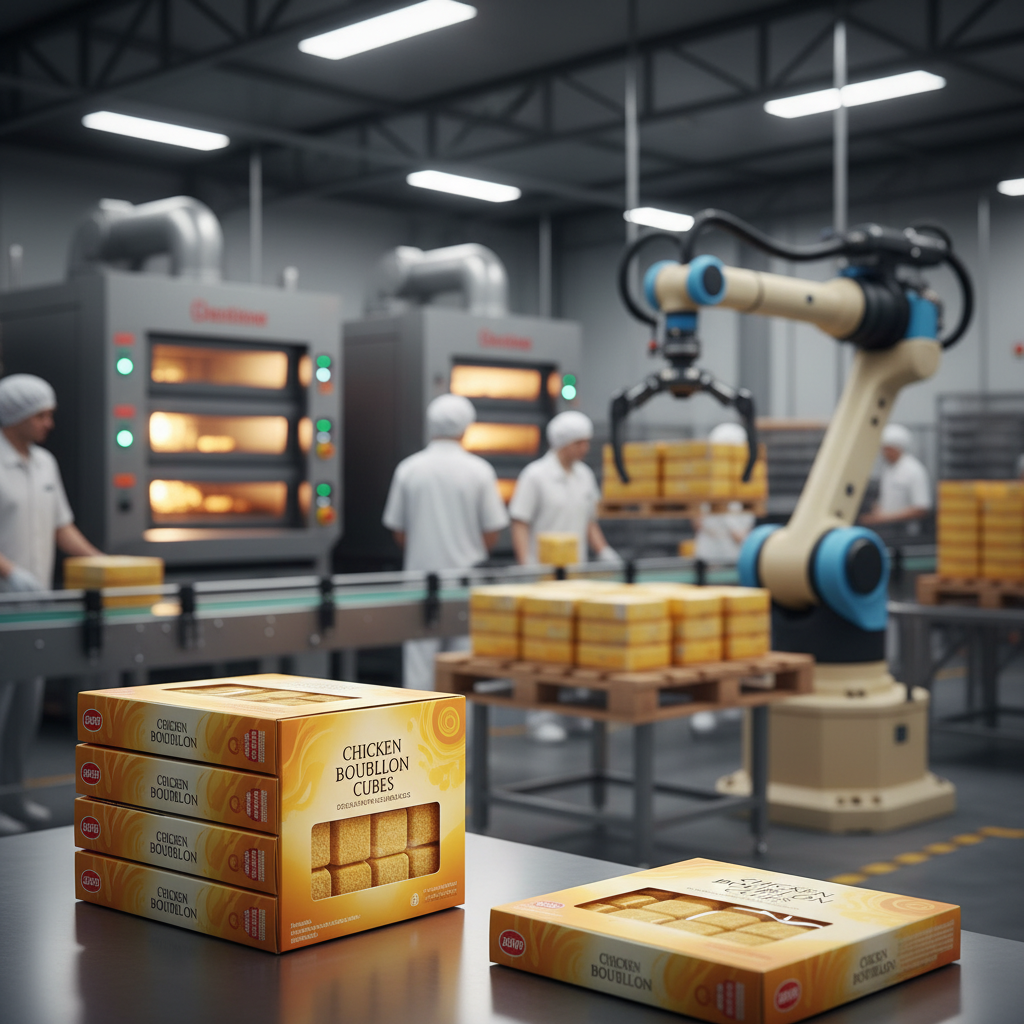
When exploring the fundamentals of culinary convenience, many home cooks and professional chefs ask, what are bouillon cubes? At their core, these concentrated bursts of flavor are dehydrated stocks that provide a quick and efficient way to add depth, saltiness, and umami to a wide variety of dishes without the need for hours of simmering bones and vegetables.
Understanding the composition and utility of these seasoning blocks is essential for anyone looking to optimize their kitchen workflow or scale food production. By condensing the essence of meat or vegetable broths into a stable, solid form, the food additive industry has created a tool that bridges the gap between artisanal flavor and industrial efficiency.
Globally, the demand for these products has surged as urban lifestyles demand faster meal preparation. Whether used in a simple soup, a complex stew, or as a seasoning base for grains, knowing exactly what are bouillon cubes allows consumers and manufacturers alike to make informed choices about taste, nutrition, and cost-effectiveness.
Global Context of Bouillon Production
The global market for concentrated seasonings has seen exponential growth, driven by the increasing pace of urbanization and the rise of convenience foods. In many developing regions, these cubes are not just a culinary shortcut but a primary source of flavor and essential salts in daily diets, making the question of what are bouillon cubes a matter of food security and accessibility.
From an industrial perspective, the standardization of these products follows strict ISO and food safety guidelines to ensure that a cube produced in one part of the world tastes consistent with one produced elsewhere. This global synchronization allows food manufacturers to maintain quality control across diverse supply chains.
Defining the Essence of Bouillon Cubes
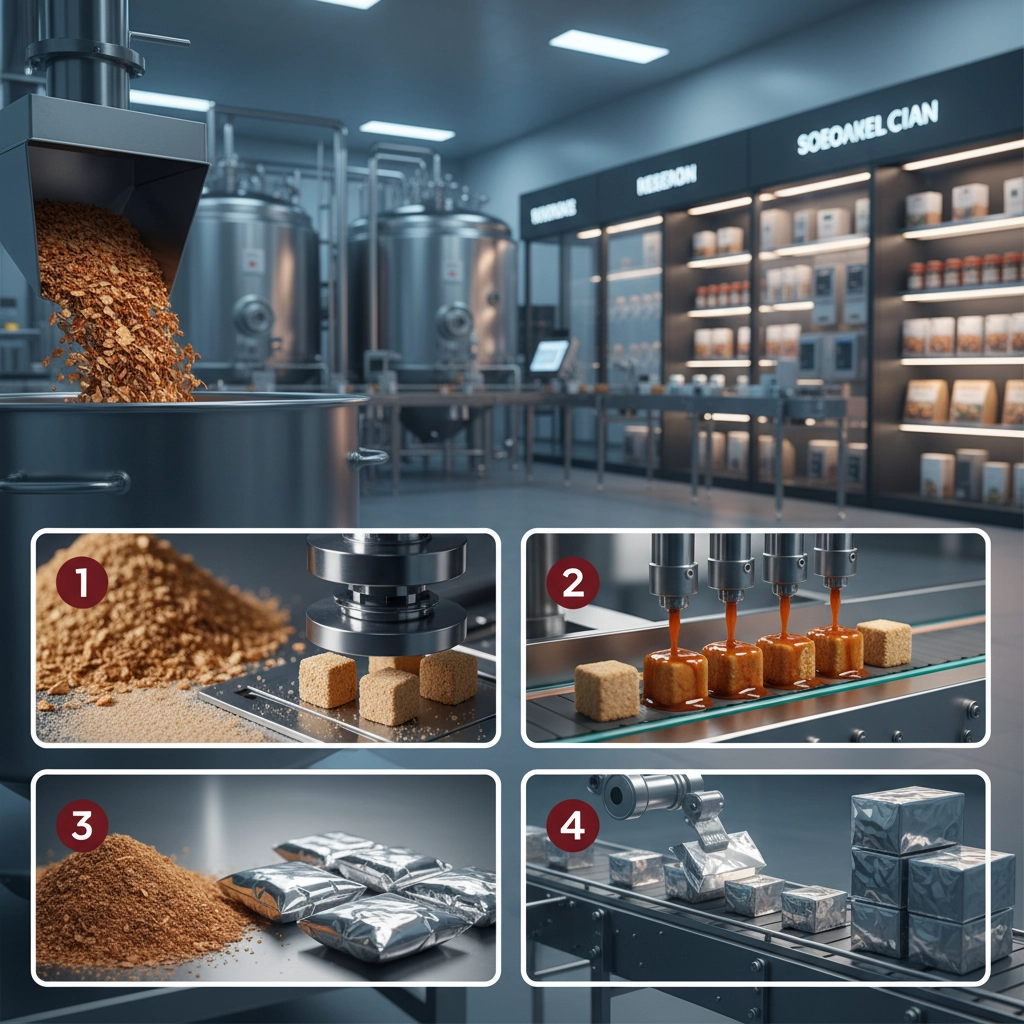
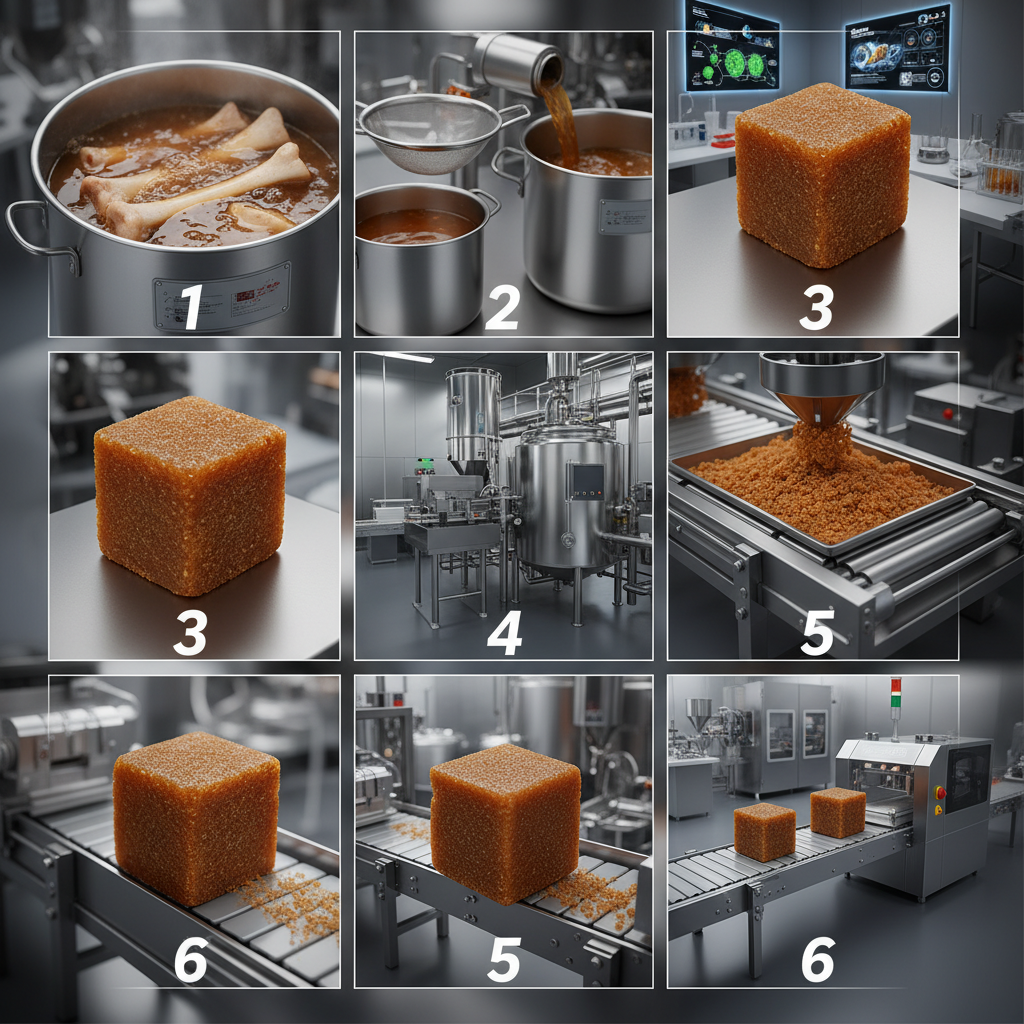
To put it simply, bouillon cubes are highly compressed blocks of dehydrated stock. They are created by simmering meats, vegetables, and herbs to create a rich broth, which is then evaporated and mixed with salt, binders, and flavor enhancers to create a stable solid. This process ensures that the complex profiles of chicken, beef, or vegetable stocks are preserved in a compact form.
Beyond the kitchen, these cubes represent a triumph of food engineering. They solve the critical challenge of shelf-life; while a liquid stock might spoil in days, a bouillon cube can remain potent for years. This makes them indispensable for humanitarian aid, long-term storage, and remote industrial catering where refrigeration is unavailable.
In the broader context of the food additive industry, they serve as a primary example of how flavor chemistry can be used to enhance the palatability of basic staples. By integrating what are bouillon cubes into a diet, users can transform simple water and rice into a nutrient-dense, flavorful meal.
Core Components and Chemical Stability
The structural integrity of these products depends on a precise balance of ingredients. Salt acts as both a flavor enhancer and a preservative, while various starches or fats serve as binders to hold the cube's shape. When people ask what are bouillon cubes made of, the answer usually includes a blend of hydrolyzed proteins, sugar, and spices.
A key factor in their stability is the control of water activity. By removing moisture, the industry prevents microbial growth, ensuring that the concentrated flavors do not degrade over time. This chemical stability is what allows these products to be transported across continents without losing their aromatic properties.
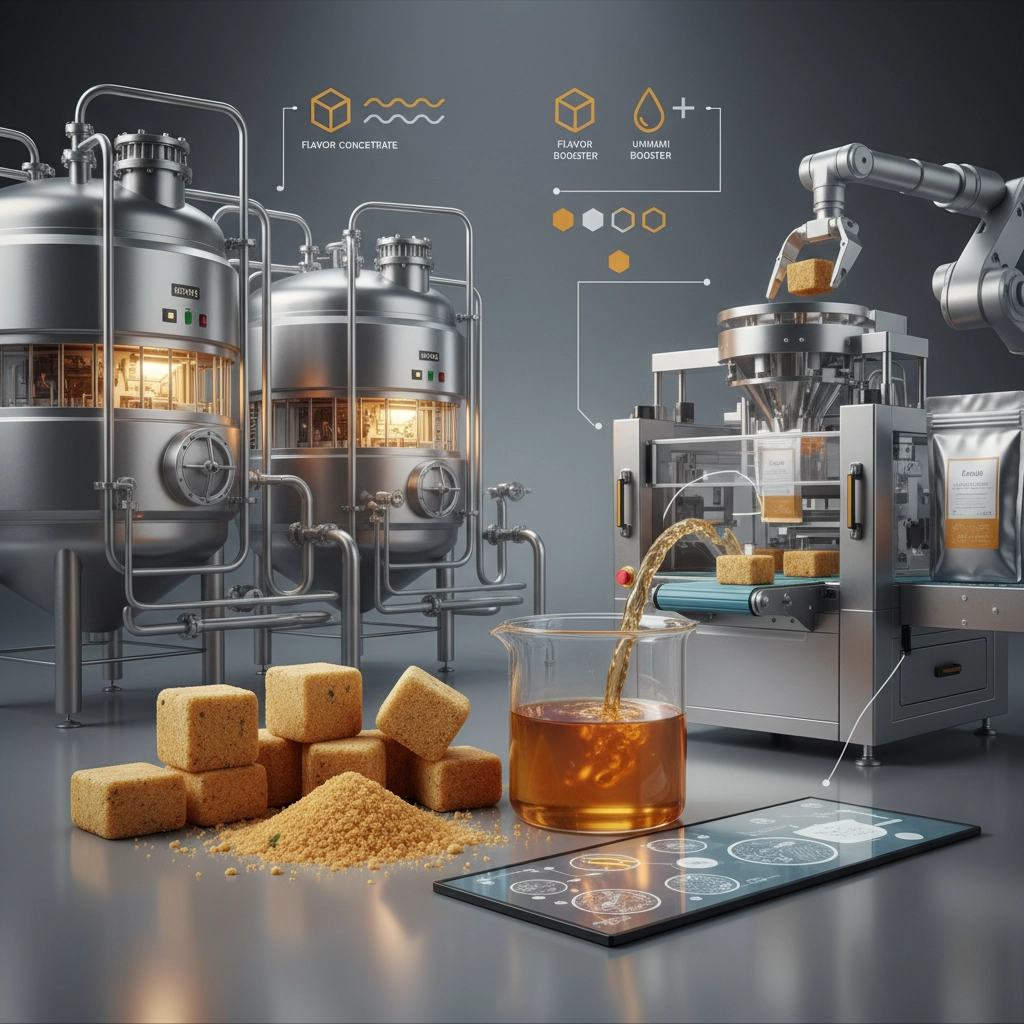
Furthermore, the addition of MSG (Monosodium Glutamate) or yeast extracts provides the "umami" punch that mimics the taste of a stock that has been simmering for twelve hours. This intersection of chemistry and culinary art is the secret behind the effectiveness of what are bouillon cubes in modern cooking.
Practical Applications and Efficiency
In professional kitchens, efficiency is the highest priority. Using these concentrated blocks eliminates the labor-intensive process of preparing stocks from scratch, reducing the need for large-scale boiling equipment and decreasing energy consumption. This operational shift allows chefs to focus on plating and flavor layering rather than basic extraction.
From a logistics standpoint, the space saved by using dehydrated cubes instead of liquid cartons is immense. A single box of cubes can replace dozens of liters of liquid stock, drastically lowering shipping costs and reducing the carbon footprint associated with food transport.
Performance Rating of Bouillon Preparation Methods
Strategic Advantages in Food Service
The adoption of these seasoning blocks provides a tangible economic advantage. For small-scale eateries, the predictability of cost per serving is crucial. By using standardized cubes, owners can calculate exact food costs without worrying about the price fluctuations of raw bones or fresh vegetables.
Beyond the financial aspect, there is a reliability factor. In a fast-paced restaurant environment, consistency is key to customer retention. Whether it is a Monday lunch or a Saturday dinner, the flavor profile remains identical, ensuring a dependable dining experience.
Future Innovations in Seasoning Technology
The industry is currently moving toward "clean label" formulations. As consumers become more health-conscious, the focus is shifting from synthetic enhancers to natural extracts. Future iterations of what are bouillon cubes will likely feature reduced sodium levels and organic certifications to meet the demands of a wellness-oriented market.
Technological advancements in freeze-drying are also playing a role. Unlike traditional heat-drying, freeze-drying preserves the cellular structure of the vegetables and meats, resulting in a cube that tastes almost identical to a fresh stock once reconstituted.
Furthermore, the integration of sustainable packaging—such as biodegradable wraps—is reducing the plastic waste traditionally associated with individual cube packaging, aligning the product with global ESG (Environmental, Social, and Governance) goals.
Overcoming Industry Challenges
One of the primary criticisms of these products is their high salt content. To address this, food scientists are experimenting with potassium-based salts and concentrated yeast extracts that provide the same savory depth without the hypertensive risks associated with sodium chloride.
Another challenge is the perception of "artificiality." To solve this, brands are incorporating real-food chunks and transparent sourcing, allowing consumers to see exactly where the ingredients in their what are bouillon cubes come from.
Finally, the challenge of allergen management is being handled through stricter production line segregation and clearer labeling. By utilizing advanced filtration and purity checks, manufacturers ensure that vegetable cubes are truly vegan and free from cross-contamination.
Comparative Analysis of Bouillon Cube Variations
| Flavor Base |
Primary Use Case |
Shelf Stability |
Umami Score (1-10) |
| Beef Concentrate |
Hearty Stews & Gravies |
High (24 Months) |
9 |
| Chicken Extract |
Soups & Risottos |
High (24 Months) |
8 |
| Vegetable Blend |
Vegan Broths & Grains |
Medium (18 Months) |
7 |
| Fish/Seafood |
Paella & Seafood Chowder |
Medium (12 Months) |
8 |
| Low-Sodium Beef |
Health-Conscious Cooking |
Medium (12 Months) |
6 |
| Organic Mixed Veg |
Premium Organic Meals |
Low (9 Months) |
7 |
FAQS
Bouillon cubes are composed of a mixture of salt, dehydrated meat or vegetable extracts, flavor enhancers like MSG or yeast extract, and binders such as cornstarch or palm oil. This combination allows them to remain solid at room temperature while dissolving quickly in hot water.
While they offer convenience and similar flavor profiles, bouillon cubes typically contain significantly more sodium than homemade stock. For those on a low-salt diet, it is recommended to look for low-sodium versions or use them sparingly in larger volumes of water.
Thanks to their low water activity and high salt content, most bouillon cubes have a shelf life of 12 to 24 months. To maintain maximum potency and prevent the fats from oxidizing, store them in a cool, dry place in an airtight container.
Yes, but since they are concentrated, you should crumble the cube into a fine powder first. This ensures the seasoning is evenly distributed throughout the dish, such as in marinades, rubs, or doughs, preventing "salt pockets."
In most commercial contexts, the terms are used interchangeably. However, technically, bouillon refers to a clear, filtered broth, while stock is thicker and more gelatinous. Most "cubes" are designed to create a bouillon-style clear liquid.
Not all. Many contain meat extracts or wheat-based binders. If you require vegan or gluten-free options, you must specifically check for "Vegetable" labels and verify the ingredient list for additives like hydrolyzed wheat protein.
Conclusion
In summary, understanding what are bouillon cubes reveals a sophisticated blend of food science and culinary practicality. These products provide an essential solution for flavor consistency, logistical efficiency, and affordability across global kitchens. By condensing complex savory profiles into a stable, portable format, they empower both home cooks and industrial manufacturers to produce high-quality meals with minimal waste and effort.
Looking forward, the evolution of these seasoning blocks will likely be defined by a commitment to health and sustainability. As we move toward cleaner labels and eco-friendly packaging, the bouillon cube will remain a cornerstone of the food additive industry. For those seeking professional-grade seasoning solutions, exploring the latest innovations in concentrated flavors is the key to culinary success. Visit our website: www.chinaseasoning.com