In the evolving landscape of the global food industry, the demand for convenient yet nutrient-dense flavor enhancers has led to the rise of bone broth stock cubes. These concentrated culinary tools bridge the gap between traditional slow-simmered nutrition and the fast-paced requirements of modern commercial kitchens and home cooking, providing a rich source of collagen and deep umami profiles.
Understanding the science and production behind these cubes is essential for manufacturers and food service providers aiming to optimize taste and health benefits. By condensing hours of simmering into a shelf-stable format, bone broth stock cubes allow for consistent quality control across large-scale food production while maintaining the authentic taste of home-style cooking.
Globally, the shift toward "clean label" ingredients and functional foods has positioned these products as more than just seasoning. They represent a strategic integration of food additive technology and nutritional science, ensuring that the essence of bone broth is accessible, scalable, and sustainable for a growing global population.
Global Industry Context of Bone Broth Stock Cubes
The global market for concentrated seasonings has seen a dramatic shift toward nutrient-dense alternatives. According to industry trends aligned with ISO food safety standards, there is a significant increase in the consumption of collagen-rich products. bone broth stock cubes address the critical challenge of providing high-protein, mineral-rich flavor bases without the prohibitive labor costs and energy consumption associated with 24-hour simmering.
In an era of supply chain volatility, the ability to dehydrate and compress bone broth into a stable cube format ensures that high-quality nutrition can be transported across borders without the need for expensive cold-chain logistics. This efficiency is particularly vital for food manufacturers in the APAC and EMEA regions, where the demand for authentic, traditional flavors is meeting the need for industrial speed.
Defining the Essence of Bone Broth Stock Cubes
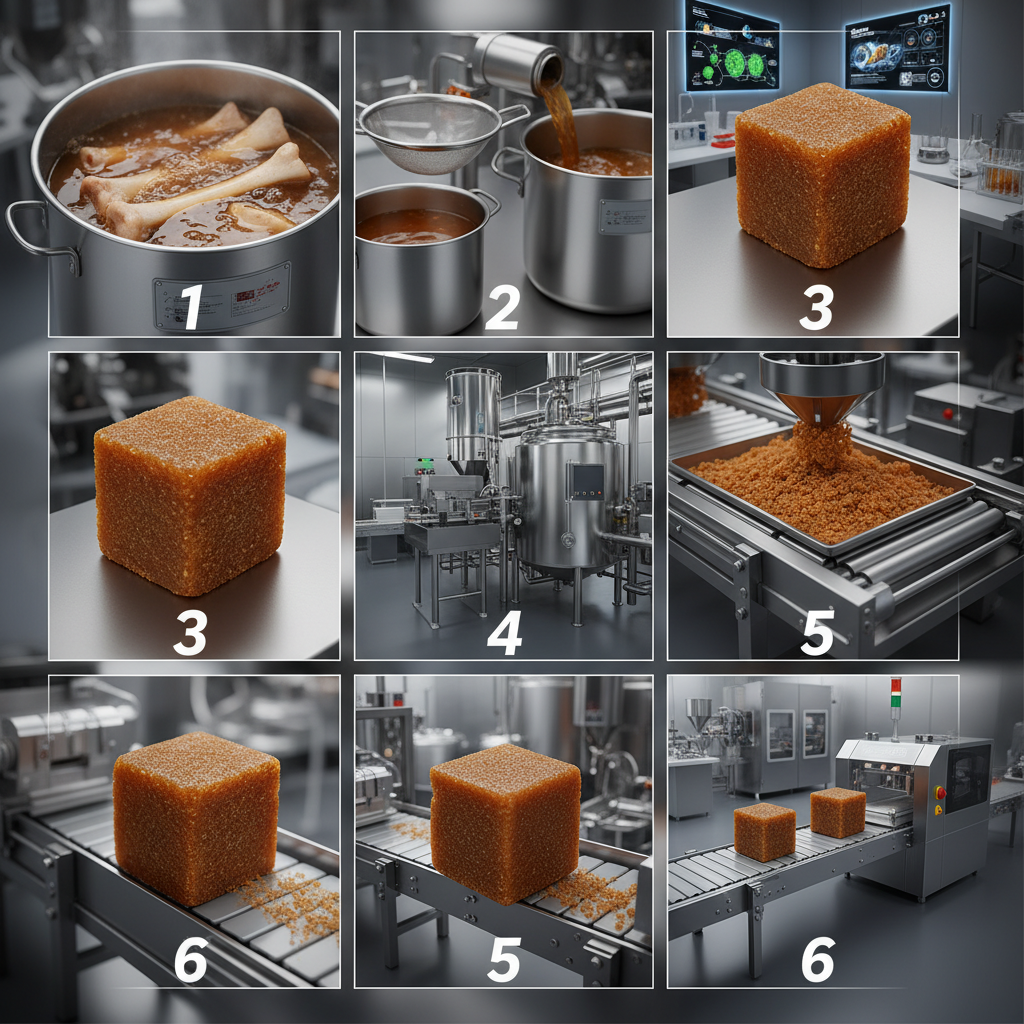
At its core, bone broth stock cubes are highly concentrated, dehydrated blocks of simmered animal bones, connective tissues, and aromatics. Unlike traditional bouillon cubes that may rely heavily on synthetic flavor enhancers and salt, true bone broth cubes focus on the extraction of gelatin and amino acids, creating a natural thickening agent and a deep, savory profile.
From a technical perspective, these cubes are a marvel of food additive engineering. They utilize precise dehydration techniques—such as spray drying or freeze-drying—to remove moisture while preserving the heat-sensitive nutrients and proteins that make bone broth a "superfood." This process transforms a bulky liquid into a precise, dose-controlled solid.
In the context of modern humanitarian and industrial needs, these cubes serve as a critical tool for nutrition. They allow for the rapid fortification of bland staples, such as rice or porridge, in remote areas or disaster zones, providing essential minerals and proteins in a format that is easy to store and distribute.
Core Components and Quality Factors
The efficacy of bone broth stock cubes depends heavily on the quality of the raw materials. The selection of marrow-rich bones and the precise control of pH levels during the extraction process are paramount to ensuring maximum collagen yield and a clean, non-bitter taste.
Beyond the raw broth, the role of food additives in bone broth stock cubes is to ensure stability and solubility. Natural binders and anti-caking agents are used to maintain the cube's structural integrity during shipping, ensuring that the product does not crumble or clump before it reaches the consumer.
Furthermore, the balance of sodium and natural flavor enhancers determines the commercial viability of the product. High-end formulations are increasingly replacing refined salts with potassium-based alternatives or yeast extracts to meet the growing consumer demand for low-sodium, heart-healthy dietary options.
Industrial Scalability and Cost Efficiency
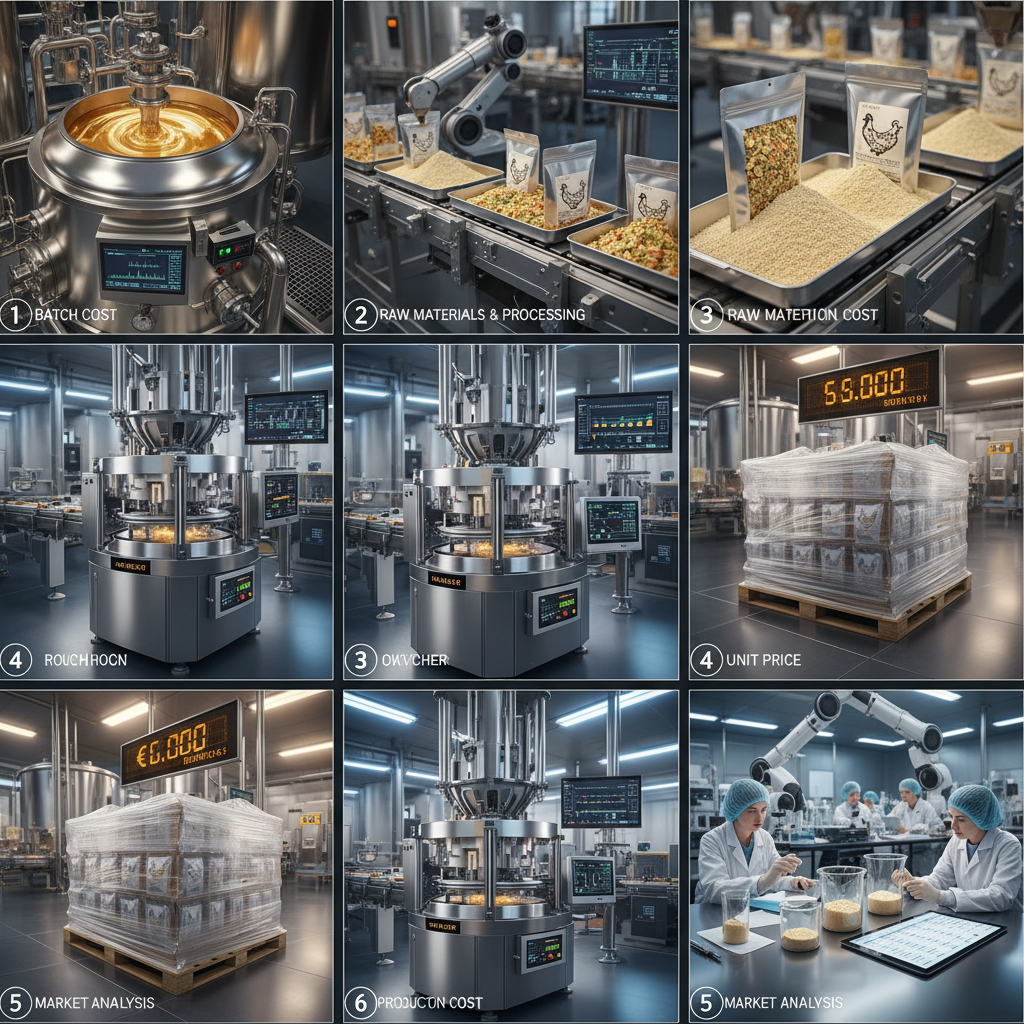
For large-scale food manufacturers, the adoption of bone broth stock cubes drastically reduces the operational overhead associated with broth production. Instead of maintaining massive vats of simmering liquid, which require constant monitoring and high energy inputs, companies can integrate pre-measured cubes into their production lines, ensuring flavor consistency across millions of units.
This scalability is further enhanced by the reduction in waste. Traditional broth production often results in significant evaporation loss and residue; however, the concentrated cube format optimizes the use of raw materials and streamlines the packaging process, leading to a lower carbon footprint per serving.
Efficiency Comparison of Bone Broth Stock Cubes Production
Global Applications and Use Cases
In the commercial food sector, bone broth stock cubes are widely used in the production of instant soups, sauces, and gravies. By using these concentrated bases, chefs can achieve a "slow-cooked" taste in a fraction of the time, making them indispensable in fast-casual dining and large-scale catering where consistency is the key to brand loyalty.
Beyond the kitchen, these products play a vital role in specialized nutrition. In remote industrial zones, such as mining camps or offshore rigs, providing nutrient-dense meals is a challenge. The integration of bone broth cubes into basic meal kits ensures that workers receive essential amino acids and minerals, supporting physical recovery and cognitive function in high-stress environments.
Long-Term Value and Sustainability
The long-term value of bone broth stock cubes lies in their contribution to a circular economy. By utilizing bones and connective tissues—often viewed as waste products in the meat processing industry—manufacturers can create a high-value functional food, reducing the overall environmental impact of livestock farming.
From a social perspective, these cubes democratize access to high-quality nutrition. Bone broth is traditionally a labor-intensive luxury; however, the industrialization of these cubes allows lower-income populations to access the gut-health and joint-support benefits of collagen without requiring expensive equipment or hours of free time.
Furthermore, the reliability of a shelf-stable product reduces food waste significantly. Unlike liquid stocks that spoil quickly, cubes have a prolonged shelf life, ensuring that the energy and resources used in their production are not wasted due to premature spoilage.
Future Trends and Technological Innovations
Looking forward, the production of bone broth stock cubes is set to be transformed by automation and AI-driven flavor profiling. Manufacturers are now using sensors to monitor the exact moment of maximum collagen extraction, ensuring that every cube contains the peak nutritional value possible.
Sustainability is also driving the development of "green" dehydration technologies. New solar-powered drying arrays and closed-loop water recovery systems are being implemented to make the production of these stock cubes nearly carbon-neutral, aligning with global ESG (Environmental, Social, and Governance) goals.
Additionally, there is a trend toward "hybrid" cubes that blend traditional bone broth with plant-based collagen alternatives or fermented fungi. This innovation allows bone broth stock cubes to appeal to a wider demographic, including flexitarians, while maintaining the savory depth and functional benefits of a traditional stock.
Analysis of Bone Broth Stock Cubes Production Trends and Metrics
|
Technology Type
|
Nutritional Retention
|
Production Cost
|
Market Adoption
|
| Freeze-Drying |
Excellent (9.5/10) |
High |
Premium Sector |
| Spray-Drying |
Good (7.0/10) |
Low |
Mass Market |
| Vacuum-Drying |
Very Good (8.5/10) |
Medium |
Industrial B2B |
| Traditional Heat |
Fair (5.0/10) |
Very Low |
Budget Segment |
| AI-Optimized Extraction |
Superior (9.8/10) |
Medium-High |
Emerging Tech |
| Hybrid Plant-Bone |
Balanced (8.0/10) |
Medium |
Eco-Conscious |
FAQS
Unlike regular bouillon, which often relies on salt, MSG, and synthetic flavorings, bone broth stock cubes are made from real simmered bones and connective tissues. This results in a higher concentration of natural gelatin and collagen, providing a richer mouthfeel and significant health benefits for joints and gut health that standard bouillon lacks.
Yes, they are specifically designed for scalability. Because they are dehydrated and standardized, they provide consistent flavor and nutritional profiles across large batches. This eliminates the variability associated with cooking fresh bone broth in bulk, making them an ideal choice for food manufacturers and commercial kitchens.
Stability is achieved through advanced dehydration processes like freeze-drying or spray-drying, which reduce the water activity (Aw) to a level where microbial growth is inhibited. Additionally, the use of food-grade anti-caking agents and airtight packaging ensures that the cubes remain stable and potent for extended periods without refrigeration.
Many modern manufacturers are developing low-sodium versions of bone broth stock cubes. By utilizing natural umami boosters like yeast extract or mushroom powder, they can maintain a deep, savory taste while significantly reducing the salt content, making them suitable for heart-healthy diets.
When produced via freeze-drying, the nutritional retention is nearly identical to liquid broth. While some heat-sensitive vitamins may be slightly reduced during spray-drying, the primary benefits—collagen, glucosamine, and minerals—remain intact and are simply concentrated, providing the same health advantages in a more convenient form.
Importing requires compliance with the destination country's food safety regulations (such as FDA or EFSA). Because bone broth stock cubes are processed and dehydrated, they often face fewer restrictions than raw meat products. Working with a certified manufacturer who provides full traceability and ISO documentation simplifies the customs process.
Conclusion
In summary, bone broth stock cubes represent a sophisticated intersection of traditional culinary wisdom and modern food additive technology. By solving the paradox of convenience versus nutrition, these products offer immense value to commercial food producers, health-conscious consumers, and humanitarian organizations alike, ensuring that the deep, savory, and healing properties of bone broth are available globally.
As the industry moves toward more sustainable and automated production methods, the role of these concentrated bases will only grow. We encourage food manufacturers and distributors to explore high-quality, clean-label formulations to meet the rising demand for functional ingredients. To learn more about our premium solutions, visit our website: www.chinaseasoning.com.