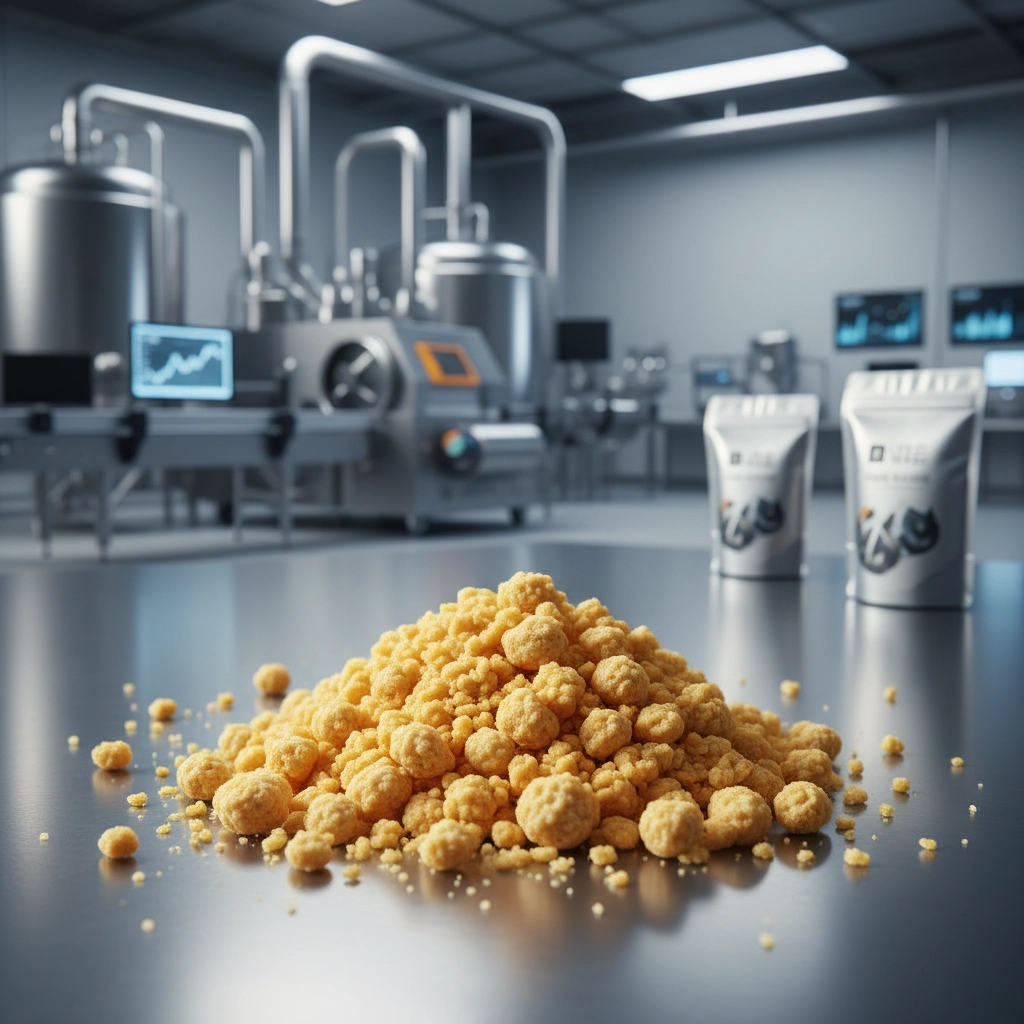
In the complex landscape of modern food preservation, sodium benzoate powder stands as a cornerstone ingredient for maintaining product stability and safety. As global supply chains expand, the demand for reliable preservatives that can inhibit the growth of molds, yeasts, and some bacteria has never been higher, ensuring that processed foods remain consumable across vast distances.
The versatility of this compound allows it to be integrated into a wide array of acidic environments, making it indispensable for the beverage, condiment, and pharmaceutical industries. By preventing spoilage and contamination, sodium benzoate powder not only extends the shelf life of consumer goods but also significantly reduces global food waste, aligning with international sustainability goals.
Understanding the technical nuances of its application—from pH sensitivity to regulatory compliance—is essential for manufacturers aiming to optimize their production cycles. Whether used in a high-volume food additive plant or a specialized pharmaceutical lab, the consistent quality of the powder ensures a predictable and safe result for the end consumer.
Global Market Context of Sodium Benzoate Powder
On a global scale, the integration of sodium benzoate powder into food manufacturing is driven by the rapid urbanization of emerging economies and the rising demand for convenience foods. Industry reports suggest that the food additive market continues to grow steadily, with a significant portion of this growth attributed to the need for cost-effective antimicrobial agents that meet ISO and FDA standards.
The primary challenge facing the industry is the balance between extended shelf stability and the consumer trend toward "clean label" products. However, because sodium benzoate powder is highly effective at low concentrations, it remains the preferred choice for manufacturers who must guarantee safety in high-humidity regions or long-distance logistics where temperature control may be inconsistent.
Defining the Chemistry and Purpose of Sodium Benzoate Powder
At its most basic level, sodium benzoate powder is the sodium salt of benzoic acid. It is a white, crystalline powder that is highly soluble in water, making it exceptionally easy to integrate into liquid formulations such as soft drinks, sauces, and pharmaceutical syrups without altering the texture of the final product.
The fundamental purpose of using this additive is to disrupt the cell membranes of contaminating microorganisms. When dissolved in an acidic medium, the salt converts back into benzoic acid, which penetrates the cell walls of yeast and mold, inhibiting their metabolic processes and effectively preventing the fermentation or spoilage of the host product.
In the context of humanitarian needs, the availability of high-purity sodium benzoate powder is critical for the production of fortified foods and emergency rations. By ensuring these products do not perish during transport to disaster-prone or remote areas, it plays a silent but vital role in global food security and nutrition.
Core Technical Factors for Industrial Efficacy
One of the most critical factors when utilizing sodium benzoate powder is pH dependency. The preservative is most effective in environments with a pH below 4.5, as the undissociated form of benzoic acid is the active antimicrobial agent. Therefore, precise acidity control is the cornerstone of its industrial application.
Solubility and purity are equally paramount. High-grade sodium benzoate powder must be free from heavy metal contaminants and moisture clumps to ensure uniform distribution throughout the batch. This prevents "hot spots" of concentration, ensuring every unit of the product has the same level of protection.
Cost-efficiency and scalability make this additive a favorite for large-scale manufacturers. Because it requires very small dosages to achieve significant results, it minimizes the impact on the overall cost of goods sold (COGS) while providing a robust safety margin against microbial outbreaks in industrial-scale production lines.
Comparative Performance in Preservation Methods
When evaluating the efficacy of sodium benzoate powder against other preservatives like sorbates or nitrates, it is clear that its strength lies in its broad-spectrum activity against molds and yeasts in acidic conditions. While other agents may offer different benefits, the stability and predictability of sodium benzoate remain unmatched for acidic food categories.
The following data illustrates the comparative rating of different delivery methods and purity grades of sodium benzoate powder based on stability, solubility, and antimicrobial strength.
Comparison of Sodium Benzoate Powder Formulations
Diversified Global Applications and Use Cases
In the beverage industry, sodium benzoate powder is widely used in carbonated soft drinks and fruit juices. In regions like Southeast Asia and Latin America, where high ambient temperatures accelerate spoilage, this preservative is essential for ensuring that beverages reach remote rural markets without fermenting.
Beyond food, its application extends to the pharmaceutical sector as a preservative in liquid medications and cough syrups. In these contexts, the purity of the sodium benzoate powder is strictly monitored to ensure patient safety and the long-term stability of the active pharmaceutical ingredients (APIs).
Long-Term Value and Economic Advantages
The long-term value of adopting high-quality sodium benzoate powder manifests in the significant reduction of product recalls. For a manufacturer, the cost of a single batch of spoiled product can far outweigh the investment in premium preservatives, making the reliability of this additive a form of financial insurance.
Furthermore, the sustainability angle cannot be ignored. By extending the shelf life of perishable goods, sodium benzoate powder reduces the volume of food waste sent to landfills. This creates a positive social impact, promoting food security and reducing the carbon footprint associated with redundant production.
From a brand perspective, the trust built through consistent product quality fosters long-term consumer loyalty. When a customer knows that a product is safe and fresh regardless of where it was purchased, the perceived value of the brand increases, driving sustainable business growth.
Future Innovations and Regulatory Trends
The future of sodium benzoate powder is leaning toward "synergistic preservation." Researchers are exploring combinations where sodium benzoate is paired with natural extracts, such as rosemary or citrus oils, to reduce the total amount of synthetic additives while maintaining the same level of antimicrobial efficacy.
Digital transformation is also hitting the additive industry. Smart manufacturing systems now use real-time pH sensors to automate the dosing of sodium benzoate powder, ensuring that the exact minimum effective dose is used, thereby optimizing cost and meeting the strictest regulatory guidelines.
As global policies shift toward greener chemistry, the production of benzoic acid (the precursor) is moving toward bio-based synthesis. This evolution will allow the sodium benzoate powder of tomorrow to be not only effective and safe but also environmentally sustainable from the point of origin.
Technical Analysis and Application Efficiency of Sodium Benzoate Powder
| Application Sector |
Optimal pH Range |
Efficacy Score (1-10) |
Primary Target |
| Carbonated Drinks |
2.5 - 3.5 |
9.5 |
Yeasts |
| Fruit Jams/Jellies |
3.0 - 4.0 |
8.8 |
Molds |
| Salad Dressings |
3.8 - 4.5 |
7.2 |
Bacteria |
| Liquid Syrups |
3.0 - 4.2 |
9.0 |
General Microbes |
| Cosmetic Lotions |
4.0 - 5.0 |
6.5 |
Fungal Growth |
| Pickled Vegetables |
3.2 - 3.8 |
8.4 |
Lactic Acid Bacteria |
FAQS
Sodium benzoate powder is the salt form of benzoic acid. The primary difference is solubility; the powder form is far more soluble in water, making it much easier for manufacturers to mix into liquid food and beverage products. Once added to an acidic environment, it converts back into the active benzoic acid to provide preservation.
The effectiveness of sodium benzoate powder drops significantly as the pH increases. Generally, once the pH rises above 4.5, the compound remains in its salt form and cannot penetrate the cell walls of microorganisms. For maximum efficacy, the product pH should ideally be between 2.5 and 4.0.
Yes, sodium benzoate powder is widely recognized as safe (GRAS) by the FDA and EFSA, provided it is used within the recommended legal limits. It is metabolized by the body and excreted. However, manufacturers must be cautious not to combine it with high levels of Vitamin C (ascorbic acid) in some specific conditions to avoid benzene formation.
To maintain the flowability of the powder, it should be stored in a cool, dry place in airtight containers. Because it can be sensitive to moisture, using desiccant packs or climate-controlled warehouses is recommended to prevent the formation of clumps, which can lead to uneven dosing during production.
While it can be added, it will not provide significant antimicrobial protection in non-acidic (neutral or alkaline) foods. In such cases, other preservatives like potassium sorbate or sodium nitrates are usually more appropriate. Sodium benzoate is specifically designed for acidic environments.
Ensure the supplier provides a Certificate of Analysis (CoA) and adheres to GMP (Good Manufacturing Practice) standards. Pharmaceutical-grade powder has stricter limits on impurities and heavy metals compared to food-grade, which is critical for medical applications.
Conclusion
In summary, sodium benzoate powder remains an essential tool for the global food and pharmaceutical industries. Its ability to provide robust antimicrobial protection in acidic environments, combined with its high solubility and cost-effectiveness, ensures that millions of products reach consumers safely and without spoilage. From reducing food waste to supporting global supply chains, the technical and economic value of this preservative is undeniable.
Looking forward, the industry will likely see a shift toward more precise, automated dosing and the integration of bio-based precursors to meet sustainability goals. For manufacturers, the key to success lies in sourcing high-purity materials and maintaining strict control over product pH to maximize efficacy. For more information on high-quality additives, visit our website: www.chinaseasoning.com.