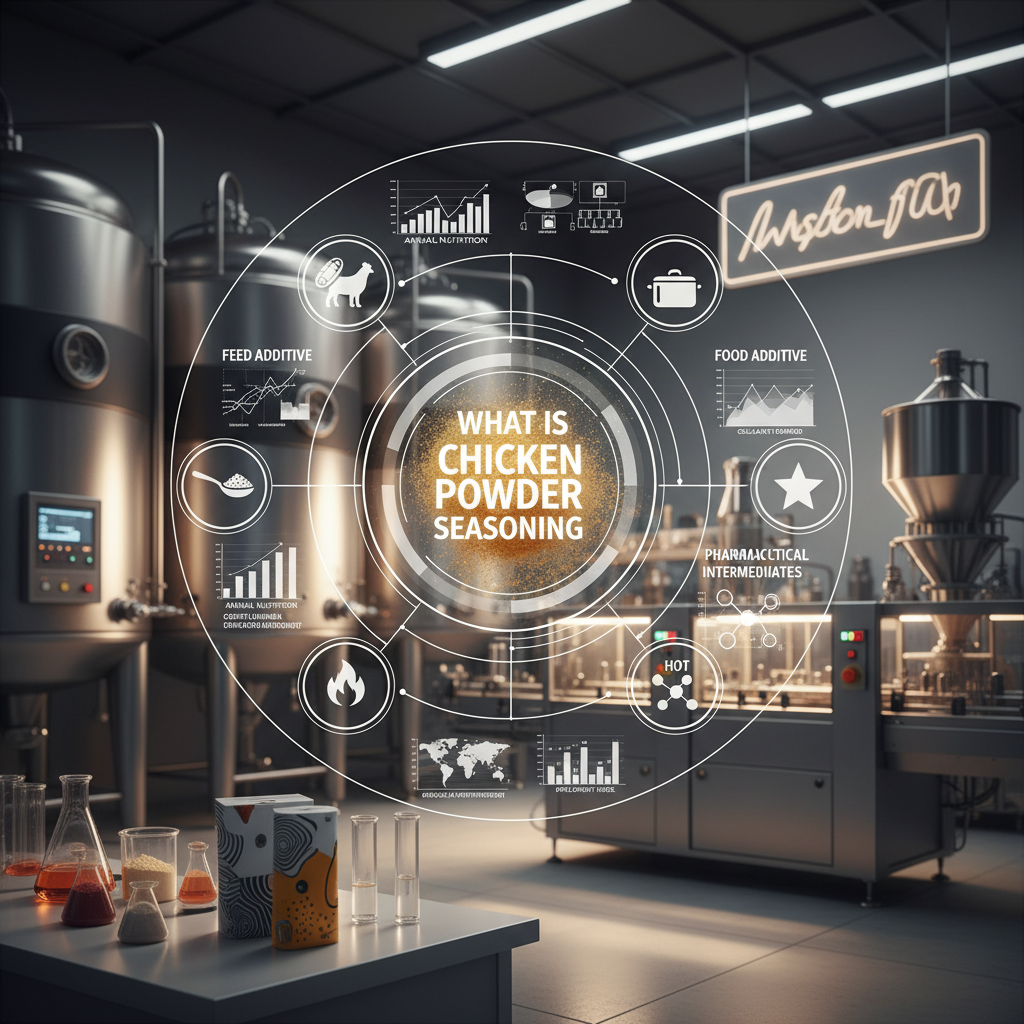
In the diverse world of culinary additives, many professionals and home cooks often ask, what is chicken powder seasoning and how it differs from traditional stocks. At its core, it is a highly concentrated, dehydrated flavor enhancer designed to replicate the savory, "umami" profile of slow-simmered chicken broth in a convenient, shelf-stable powder form.
Understanding the composition of this additive is crucial for food manufacturers and chefs alike, as it allows for consistent taste profiles across large batches of production. By integrating precisely balanced salts, proteins, and flavor enhancers, it eliminates the volatility of natural ingredients and reduces the labor-intensive process of boiling bones for hours.
Globally, the demand for efficient seasoning solutions has surged, making it essential to analyze the chemical and sensory properties of these powders. Whether used in industrial food processing or high-end gastronomy, knowing the nuances of this ingredient ensures a perfect balance between cost-efficiency and authentic taste.
Global Industry Context of Chicken Powder Seasoning
The global food additive market has witnessed an unprecedented shift toward convenience and standardization. In the context of what is chicken powder seasoning, the industry has moved from artisanal preparation to a sophisticated manufacturing process. Data from global food trade indices suggest that the demand for dehydrated flavorings is growing at a CAGR of nearly 5%, driven by the rise of ready-to-eat (RTE) meals and the expansion of fast-food chains worldwide.
However, the industry faces a significant challenge: balancing the "clean label" trend with the need for intense flavor. Consumers are increasingly wary of artificial additives, forcing manufacturers to innovate within the realm of food additives to create powders that taste natural but remain stable during long-term storage and transport across international borders.
Definition and Chemical Composition
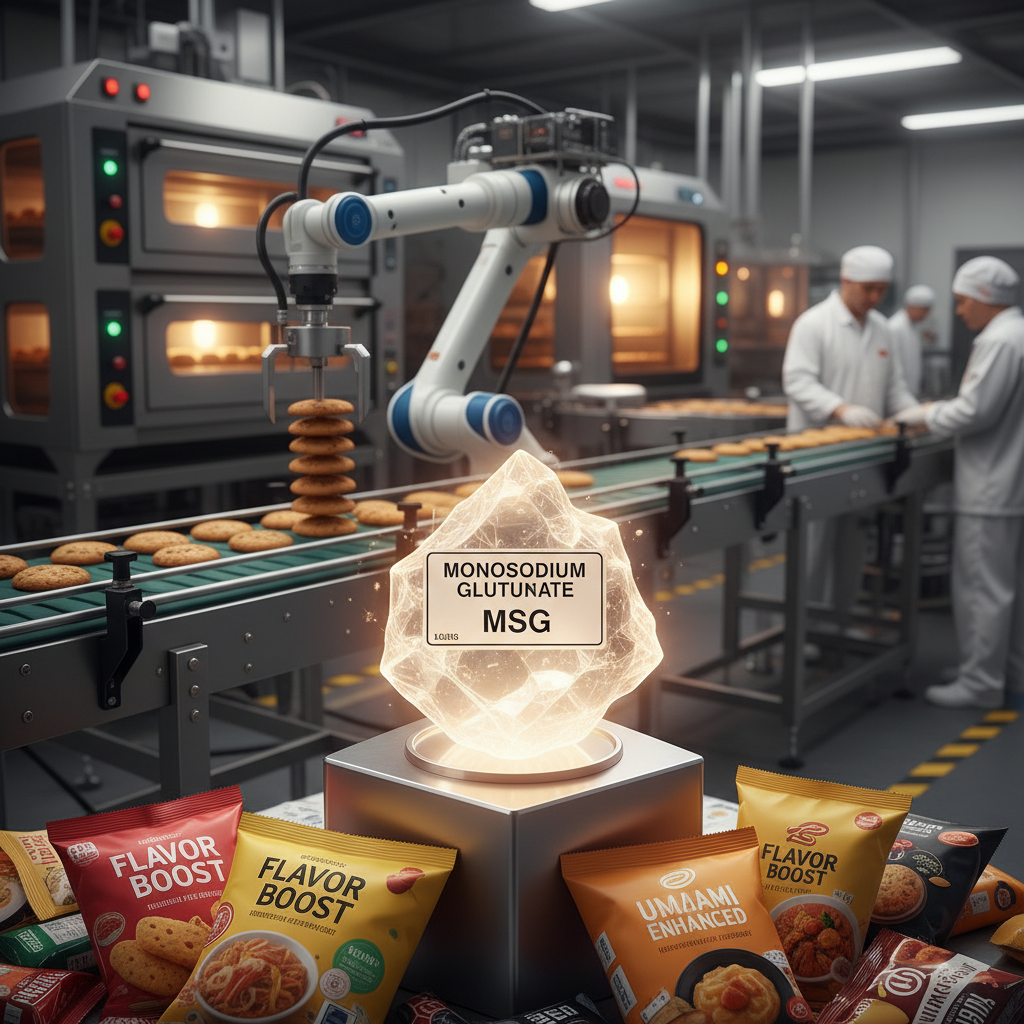
To answer the question of what is chicken powder seasoning, one must view it as a synergistic blend of flavor precursors. It is essentially a dehydrated concentrate consisting of chicken extract, salt, sugar, and a variety of taste enhancers like Monosodium Glutamate (MSG) or yeast extracts, which provide the characteristic deep savory taste known as umami.
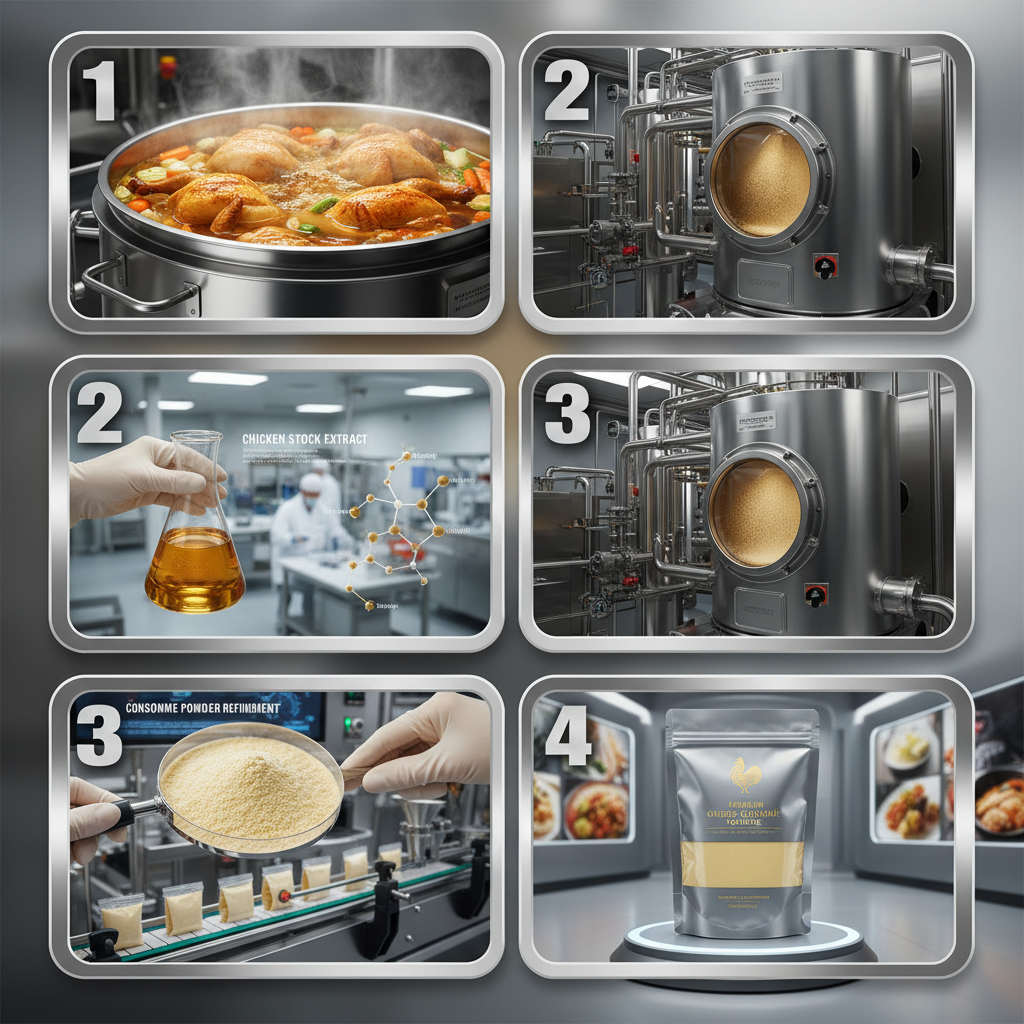
From a technical standpoint, the production involves the extraction of proteins and fats from chicken carcasses, followed by spray-drying or freeze-drying to remove moisture. This process preserves the volatile aromatic compounds while ensuring the product remains free-flowing and resistant to clumping, which is vital for automated dosing systems in food factories.
Modern formulations often include anti-caking agents and stabilizers to maintain consistency. By understanding this composition, food scientists can tailor the powder for specific regional tastes—such as increasing the salt content for certain Asian markets or adding herbal notes for European applications—without altering the base structural integrity of the product.
Core Components for Flavor Stability
The effectiveness of any high-quality seasoning depends on its chemical stability. When analyzing what is chicken powder seasoning, the first key factor is "Taste Consistency," ensuring that every batch produces the exact same sensory experience regardless of the origin of the raw chicken materials.
Secondly, "Solubility" plays a critical role. A premium chicken powder must dissolve rapidly in hot or lukewarm water without leaving gritty residues. This is achieved through precise particle size distribution and the use of food-grade carriers like maltodextrin, which support the flavor molecules and ensure a smooth mouthfeel.
Finally, "Shelf-life Extension" is paramount. Because these products are often exported globally, they must withstand varying humidity levels. The inclusion of optimized moisture barriers and controlled pH levels prevents oxidation of the fats, ensuring the powder doesn't develop "off" smells over time, thus maintaining its commercial value.
Industrial Applications and Use Cases
The application of these seasonings extends far beyond simple home cooking. In large-scale food manufacturing, what is chicken powder seasoning becomes a fundamental building block for snack foods, instant noodles, and canned soups. For example, in the production of savory chips, the powder is atomized and sprayed onto the product to ensure an even coating of flavor.
In remote industrial zones or post-disaster relief operations, these powders are invaluable. Because they are lightweight and nutrient-dense in terms of flavor, they allow NGOs and military kitchens to provide palatable, high-calorie meals to large populations without needing access to fresh poultry or complex refrigeration infrastructure.
Comparative Efficiency of Chicken Powder Seasoning Methods
Advantages and Long-Term Commercial Value
The primary advantage of utilizing this seasoning is the drastic reduction in operational costs. For a commercial kitchen, replacing fresh stock with a high-grade powder eliminates the need for massive stockpots, reduces water consumption, and cuts down on energy costs associated with long simmering times. This creates a logical path toward higher profit margins without sacrificing the perceived quality of the dish.
Beyond the numbers, there is a significant psychological and emotional value: trust. When a food brand can guarantee that their signature soup tastes the same in New York as it does in Tokyo, they build consumer loyalty. This reliability is the "invisible" value of what is chicken powder seasoning—it provides the security of consistency in an unpredictable global supply chain.
Future Trends in Seasoning Technology
Looking forward, the evolution of what is chicken powder seasoning is leaning heavily toward biotechnology. We are seeing the rise of "fermentation-derived" flavors, where fungi or bacteria are used to produce natural glutamates, reducing the reliance on chemically synthesized MSG and meeting the "natural" labels demanded by modern health-conscious consumers.
Digital transformation is also hitting the factory floor. AI-driven blending systems can now analyze the raw material's protein levels in real-time and adjust the additive ratios automatically to ensure the final powder is perfectly balanced. This automation reduces human error and waste, contributing to a more sustainable production cycle.
Furthermore, there is a growing trend toward "clean-label" chicken powders. This involves removing artificial colors (like caramel color) and replacing them with natural extracts like turmeric or paprika, ensuring that the product remains visually appealing while adhering to strict global health regulations.
Challenges and Expert Solutions
Despite its benefits, the industry struggles with the "artificial taste" stigma. Many consumers associate powdered seasonings with a chemical aftertaste. The solution lies in "layered flavor profiling," where manufacturers blend multiple types of extracts—such as roasted chicken and steamed chicken—to create a more complex, three-dimensional taste that mimics fresh stock more closely.
Another challenge is the volatility of raw material costs. Chicken prices fluctuate based on grain costs and disease outbreaks. To solve this, experts recommend "hybrid formulations" that combine animal-based extracts with high-quality plant-based proteins (like soy or pea protein), which provide the same structural mouthfeel while hedging against market risks.
Lastly, regulatory compliance remains a hurdle. Different countries have different lists of approved additives. The expert approach is to develop "modular formulations," where a core base is created, and region-specific "finishing packs" are added at the last stage of packaging to ensure 100% compliance with local laws.
Comparative Analysis of Chicken Powder Formulation Strategies
| Formulation Type |
Cost Efficiency |
Flavor Authenticity |
Market Suitability |
| Standard MSG-Based |
High (9/10) |
Medium (6/10) |
Mass Market/Fast Food |
| Yeast Extract Natural |
Medium (7/10) |
High (8/10) |
Health-Conscious/Premium |
| Freeze-Dried Pure |
Low (4/10) |
Very High (10/10) |
Gourmet/High-End Dining |
| Hybrid Plant-Animal |
High (8/10) |
Medium (7/10) |
Industrial RTE Meals |
| Organic Certified |
Low (3/10) |
High (9/10) |
Niche Organic Markets |
| Low-Sodium Version |
Medium (6/10) |
Medium (7/10) |
Medical/Senior Care |
FAQS
Chicken powder is typically a finer, more concentrated powder that dissolves faster and offers easier dosing for industrial applications. Bouillon cubes are compressed blocks that often contain more binders and fats, making them better for home use but less efficient for automated food production where precision and rapid mixing are required.
Yes, provided it is stored in a cool, dry environment. Most professional-grade powders use anti-caking agents and controlled moisture levels to ensure a shelf life of 12 to 24 months. For maximum stability, we recommend using moisture-proof aluminum foil packaging to prevent oxidation and clumping.
Traditional chicken powder contains animal extracts and is not vegan. However, there are "chicken-style" seasonings made from hydrolyzed vegetable proteins, yeast extracts, and mushroom powders that replicate the flavor profile of chicken without using any animal products.
Quality is determined by three factors: solubility (it should dissolve completely without lumps), aroma (it should smell like roasted chicken, not chemicals), and stability (it should not clump in humid conditions). Requesting a COA (Certificate of Analysis) is the best way to verify the purity and protein content.
Many standard powders use MSG to achieve the umami taste. However, the industry is moving toward using natural yeast extracts or mushroom-derived glutamates for "no added MSG" versions. Always check the ingredient list for "Monosodium Glutamate" or "Hydrolyzed Vegetable Protein."
Importing requires compliance with the destination country's food safety laws (such as FDA in the US or EFSA in the EU). Ensure your supplier provides full ingredient transparency and health certificates. Partnering with a specialized food additive supplier can simplify the customs and regulatory process.
Conclusion
In summary, understanding what is chicken powder seasoning reveals a sophisticated intersection of food science and commercial efficiency. From its complex chemical composition and solubility requirements to its critical role in global food supply chains and disaster relief, this additive is far more than a simple kitchen shortcut. It is a tool for consistency, scalability, and taste optimization in an increasingly demanding global market.
As the industry moves toward cleaner labels and biotech-driven flavors, the significance of high-quality seasonings will only grow. For businesses looking to enhance their product lines, investing in premium, stable, and compliant seasoning solutions is not just a culinary choice, but a strategic commercial decision. To explore professional-grade solutions for your production needs, visit our website: www.chinaseasoning.com.