Understanding the nuances of monosodium glutamate natural is essential for modern food manufacturers aiming to balance intense flavor profiles with clean-label consumer demands. As the global food industry shifts toward transparency, the distinction between synthetic additives and those derived from natural fermentation processes has become a pivotal point of competitive advantage.
The global demand for umami—the savory fifth taste—continues to rise, driving the search for high-purity monosodium glutamate natural sources. By leveraging biotechnology and organic substrates, producers can now deliver the same flavor-enhancing properties of MSG while aligning with the "natural" certifications that today's health-conscious shoppers prioritize.
Integrating these natural flavor enhancers into diverse product lines, from plant-based meats to functional pharmaceuticals, requires a deep understanding of stability, solubility, and regulatory compliance. This guide explores how the strategic use of these components can optimize product taste while maintaining a commitment to sustainable and natural ingredient sourcing.
Global Context of Monosodium Glutamate Natural
On a global scale, the perception of flavor enhancers has undergone a radical transformation. With the World Health Organization (WHO) and various food safety authorities confirming the safety of glutamate, the industry focus has shifted from "safety" to "source." The rise of monosodium glutamate natural reflects a broader trend toward bio-based chemicals and ingredients that mimic nature's chemistry without relying on harsh synthetic catalysts.
In regions like Asia and Latin America, where umami is central to the culinary identity, the transition to natural fermentation methods has allowed manufacturers to meet ISO standards while satisfying local preferences. The challenge lies in scaling these biological processes to meet a global appetite for savory foods without compromising the "natural" integrity of the final crystal.
Defining the Natural Essence of MSG
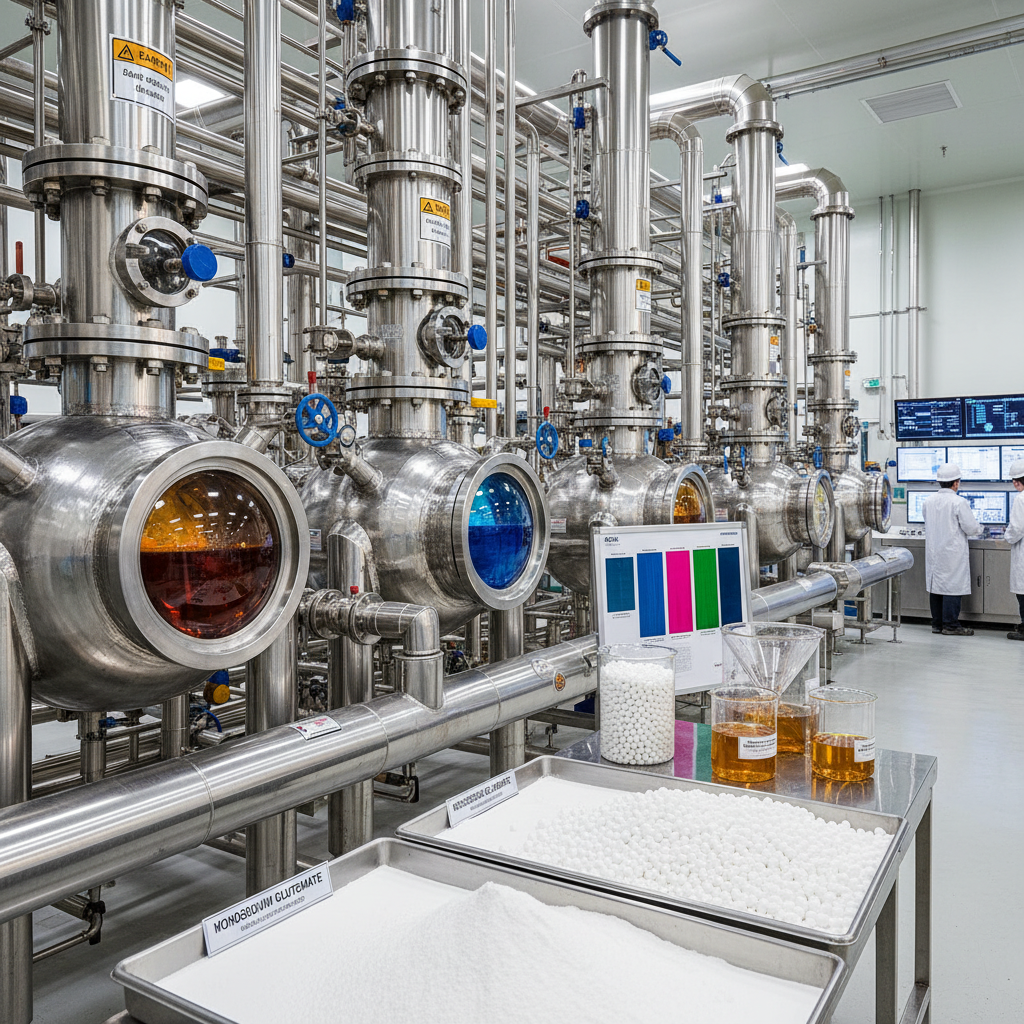
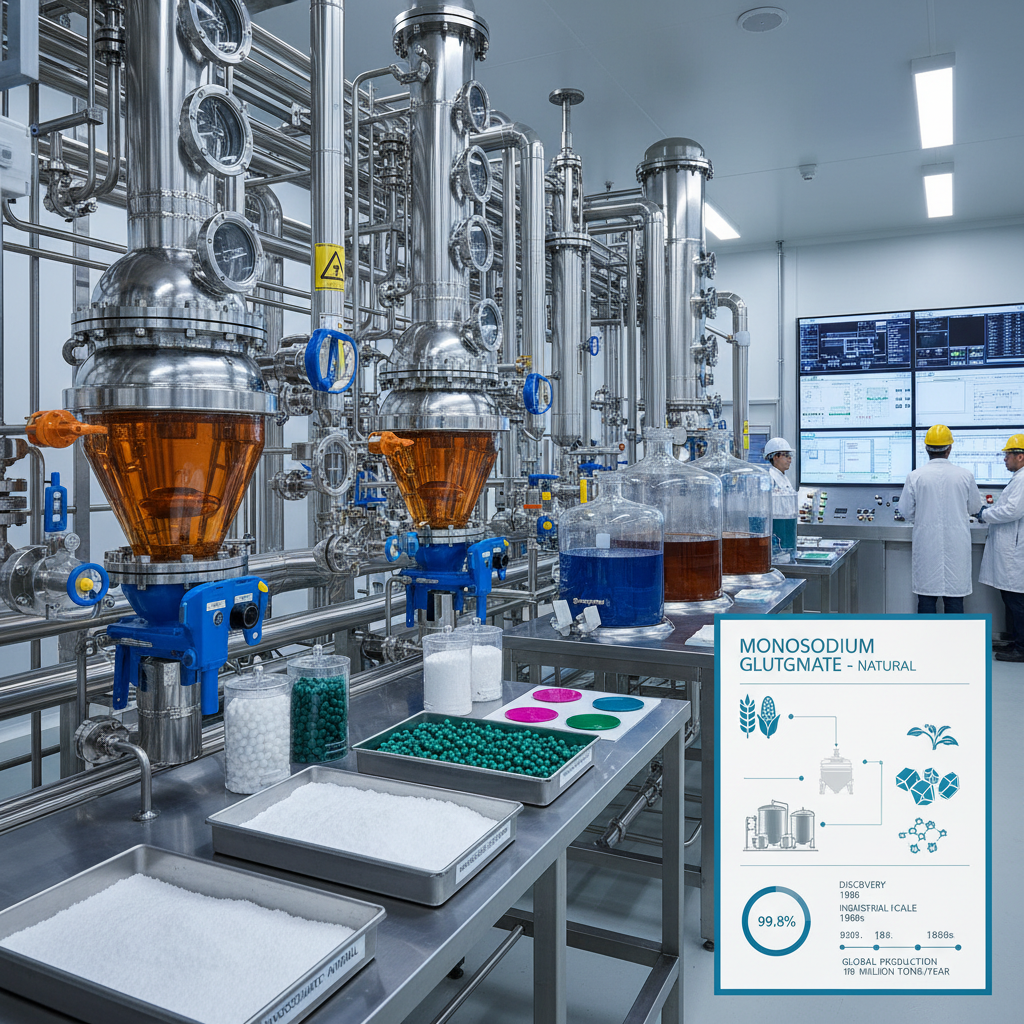
In simple terms, monosodium glutamate natural is the salt of glutamic acid, produced through the fermentation of natural carbohydrates like sugarcane or corn starch. Unlike chemically synthesized versions, the natural variant relies on microbial action—specifically using strains like Corynebacterium glutamicum—to convert sugars into the amino acid that provides the signature savory taste.
This distinction is critical in the modern industrial landscape. For food additive manufacturers, offering a "natural" designation allows brands to avoid the stigma often associated with artificial additives. It transforms a simple chemical compound into a bio-technological achievement, bridging the gap between industrial efficiency and organic philosophy.
Beyond just flavor, the natural production of this compound addresses humanitarian needs by utilizing agricultural by-products as feedstocks. This creates a circular economy where waste from the sugar or corn industry is converted into a high-value food additive, reducing the environmental footprint of the global food supply chain.
Core Components of Natural Flavor Enhancement
The efficacy of monosodium glutamate natural depends heavily on its purity and crystalline structure. High-grade natural MSG must achieve a purity level that ensures no off-notes are introduced into the food matrix, allowing the pure umami sensation to enhance other ingredients without masking them.
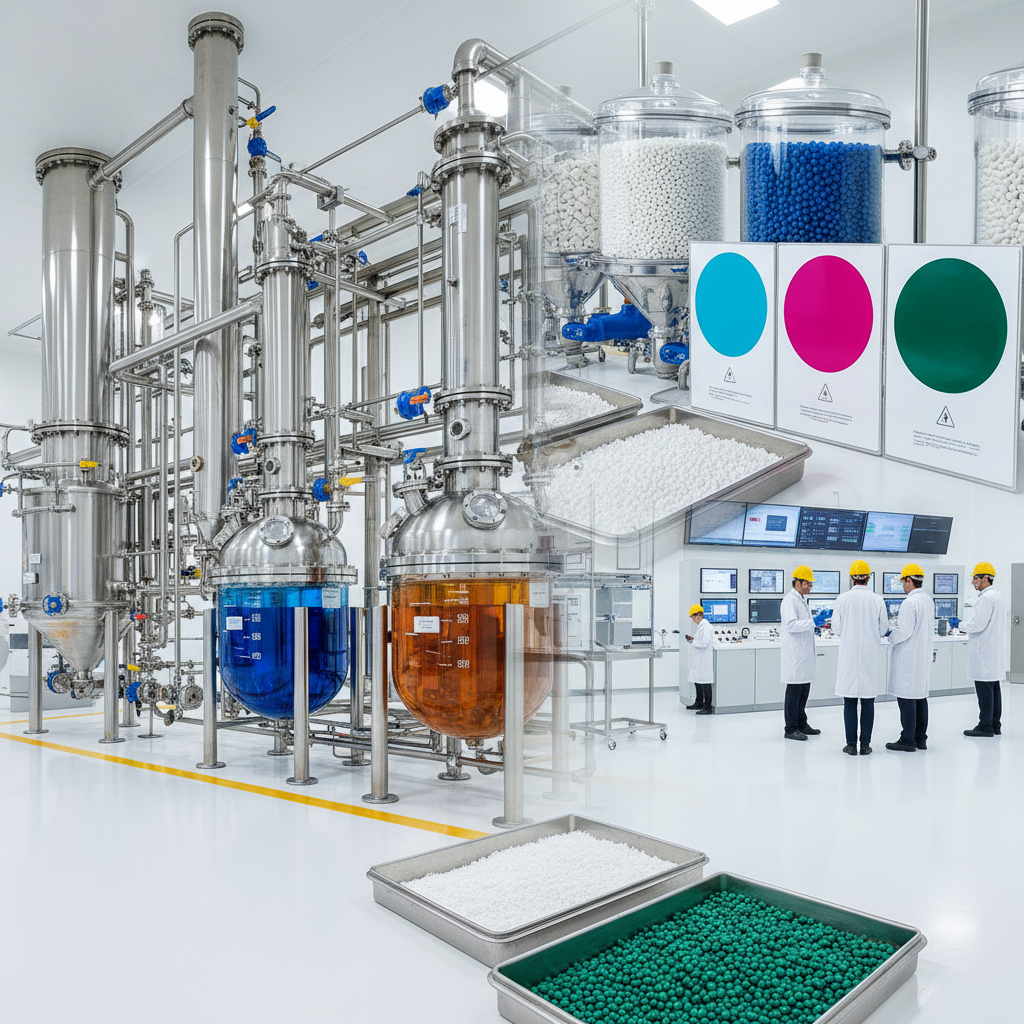
Scalability is another core factor. Transitioning from laboratory-scale fermentation to industrial-scale production of monosodium glutamate natural requires precise control over temperature, pH levels, and oxygen transfer. These parameters ensure that the microbial yield remains consistent, providing manufacturers with a reliable supply chain.
Finally, cost efficiency remains a driving force. By optimizing the fermentation substrates, producers can lower the cost of monosodium glutamate natural, making it an accessible solution for both premium organic brands and mass-market food producers looking to reduce salt intake while maintaining flavor.
Practical Performance Metrics of Natural MSG
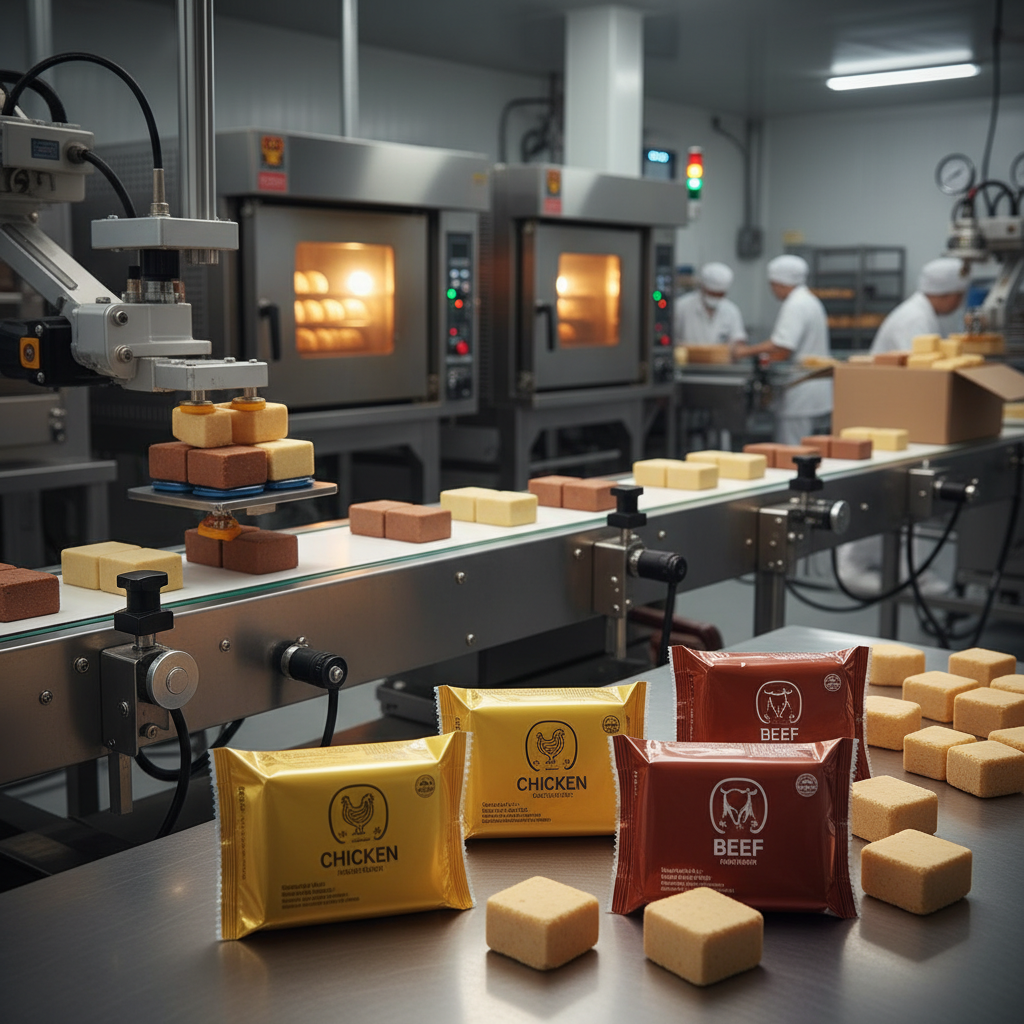
When evaluating the performance of monosodium glutamate natural, industry experts look at several key metrics: solubility, flavor intensity, and stability under high-heat processing. Natural MSG typically exhibits excellent solubility, making it ideal for liquid seasonings, soups, and pharmaceutical intermediates where rapid dispersion is required.
Furthermore, the synergistic effect of natural glutamate when combined with ribonucleotides (like IMP and GMP) significantly boosts the perception of savoriness, allowing for a reduction in total sodium content—a critical goal for heart-healthy food formulations globally.
Performance Comparison of Monosodium Glutamate Natural Variants
Global Applications Across Diverse Industries
The utility of monosodium glutamate natural extends far beyond the kitchen. In the feed additive sector, natural glutamates are used to enhance the palatability of animal feed, encouraging higher intake and better growth rates in livestock by stimulating appetite through natural taste pathways.
In the pharmaceutical realm, glutamate derivatives serve as critical intermediates for the synthesis of various medications, particularly those targeting neurological functions. The shift toward "natural" precursors ensures a higher biological compatibility and reduces the risk of contamination from synthetic catalysts in high-purity medicinal applications.
Long-Term Value and Sustainability
Investing in monosodium glutamate natural provides tangible long-term value by future-proofing products against tightening regulations on synthetic additives. As governments implement stricter "Clean Label" laws, companies using naturally derived MSG can avoid costly reformulations and maintain their market position.
From a sustainability perspective, the use of bio-fermentation reduces the reliance on petroleum-based precursors. This shift not only lowers the carbon footprint of the manufacturing process but also aligns corporate goals with Global Sustainable Development Goals (SDGs), enhancing brand trust and consumer loyalty.
Moreover, the emotional appeal of "natural" ingredients creates a stronger bond with the end-user. By offering a product that is both scientifically optimized and naturally sourced, manufacturers provide a sense of safety and dignity to consumers who refuse to compromise between health and taste.
Future Trends in Bio-Fermentation
The future of monosodium glutamate natural is being shaped by CRISPR and synthetic biology. New genetically optimized microbial strains are being developed to increase the yield of L-glutamic acid, further reducing the energy and water required per kilogram of production.
Digital transformation is also playing a role, with AI-driven bioreactors monitoring fermentation in real-time to ensure peak purity and consistency. This automation reduces human error and ensures that every batch of natural MSG meets the rigorous standards of the global pharmaceutical and food industries.
As the industry moves toward "green chemistry," we can expect to see monosodium glutamate natural produced from carbon-capture feedstocks, effectively turning atmospheric CO2 into savory flavor, marking the ultimate intersection of food science and environmental stewardship.
Comparative Analysis of Natural MSG Production Methods
| Production Method |
Purity Level |
Eco-Impact Score |
Market Acceptance |
| Sugarcane Fermentation |
Very High |
8/10 |
Universal |
| Corn Starch Bio-process |
High |
7/10 |
High |
| Enzymatic Hydrolysis |
Ultra High |
9/10 |
Premium |
| Agricultural Waste Base |
Moderate |
10/10 |
Growing |
| Modified Microbial Strain |
Very High |
6/10 |
Technical |
| Seaweed-derived Extract |
High |
9/10 |
Niche |
FAQS
The primary difference lies in the production process. Natural MSG is produced through the fermentation of natural carbohydrates (like sugarcane or corn) using microorganisms, mimicking the way glutamates occur in nature. Synthetic MSG is produced via chemical synthesis. Both are chemically identical in the final crystal, but the "natural" label refers to the bio-based origin of the raw materials and the biological process used to create it.
Whether it can be used depends on the specific organic certification body (e.g., USDA Organic, EU Organic). Many certifications allow naturally fermented ingredients if they meet specific non-GMO and solvent-free criteria. It is always recommended to check the specific certification standards for "natural fermentation" to ensure your product remains compliant.
Yes, because the chemical structure (C5H8NO4Na) is identical, the taste profile is exactly the same. The "natural" version provides the same potent umami boost, allowing manufacturers to enhance savoriness and potentially reduce sodium levels without any loss in flavor performance.
In livestock feed, natural glutamates act as appetite stimulants. By increasing the palatability of the feed, they encourage animals to consume more nutrients, leading to better growth rates and overall health. This is particularly useful in transitioning young animals to solid feed or in high-stress environments where appetite may drop.
Generally, no. Both forms are highly soluble in water. However, the purity levels achieved through advanced natural fermentation processes can sometimes reduce the presence of impurities that might otherwise affect the clarity of liquid solutions, making natural MSG an excellent choice for clear broths and pharmaceutical liquids.
Sourcing should focus on manufacturers who provide full traceability and certifications of their fermentation process. Look for suppliers who can provide COA (Certificate of Analysis) documenting the purity and the bio-based origin of the product to ensure it meets both regulatory and "clean label" requirements.
Conclusion
The transition toward monosodium glutamate natural represents a critical evolution in the food and additive industry. By combining the scientific precision of bio-fermentation with the consumer's desire for natural ingredients, manufacturers can deliver superior taste profiles while upholding the highest standards of sustainability and safety. From enhancing animal feed to serving as a pharmaceutical intermediate, the versatility of naturally derived glutamate is unmatched.
As we look toward a future of green chemistry and transparent labeling, adopting bio-based flavor enhancers is no longer just an option—it is a strategic necessity. We encourage food scientists and procurement managers to prioritize naturally sourced glutamates to ensure long-term market viability and consumer trust. For high-quality, naturally derived solutions, visit our website: www.chinaseasoning.com