Understanding monosodium glutamate natural sources is essential for modern food science, as it bridges the gap between industrial efficiency and the growing consumer demand for "clean label" ingredients. While often misunderstood, the presence of glutamate in nature is a fundamental biological fact, occurring in a vast array of foods that humans have enjoyed for millennia. By identifying these natural origins, manufacturers can better formulate products that satisfy the palate while adhering to strict nutritional and safety standards.
Globally, the shift toward natural flavor enhancers is driving a renaissance in how we view umami—the savory fifth taste. As the food industry evolves, the focus is moving away from synthetic additives and toward the extraction and utilization of glutamates found in fermented proteins and botanical sources. This transition not only improves the sensory profile of food but also aligns with global sustainability goals by leveraging bio-based raw materials.
For professionals in the feed additive, food additive, and pharmaceutical intermediate sectors, mastering the chemistry of monosodium glutamate natural sources allows for the creation of high-value, biologically compatible ingredients. This comprehensive guide explores where these savory compounds originate, how they are processed, and their long-term value in a health-conscious global market.
The Biological Origins of Monosodium Glutamate Natural Sources
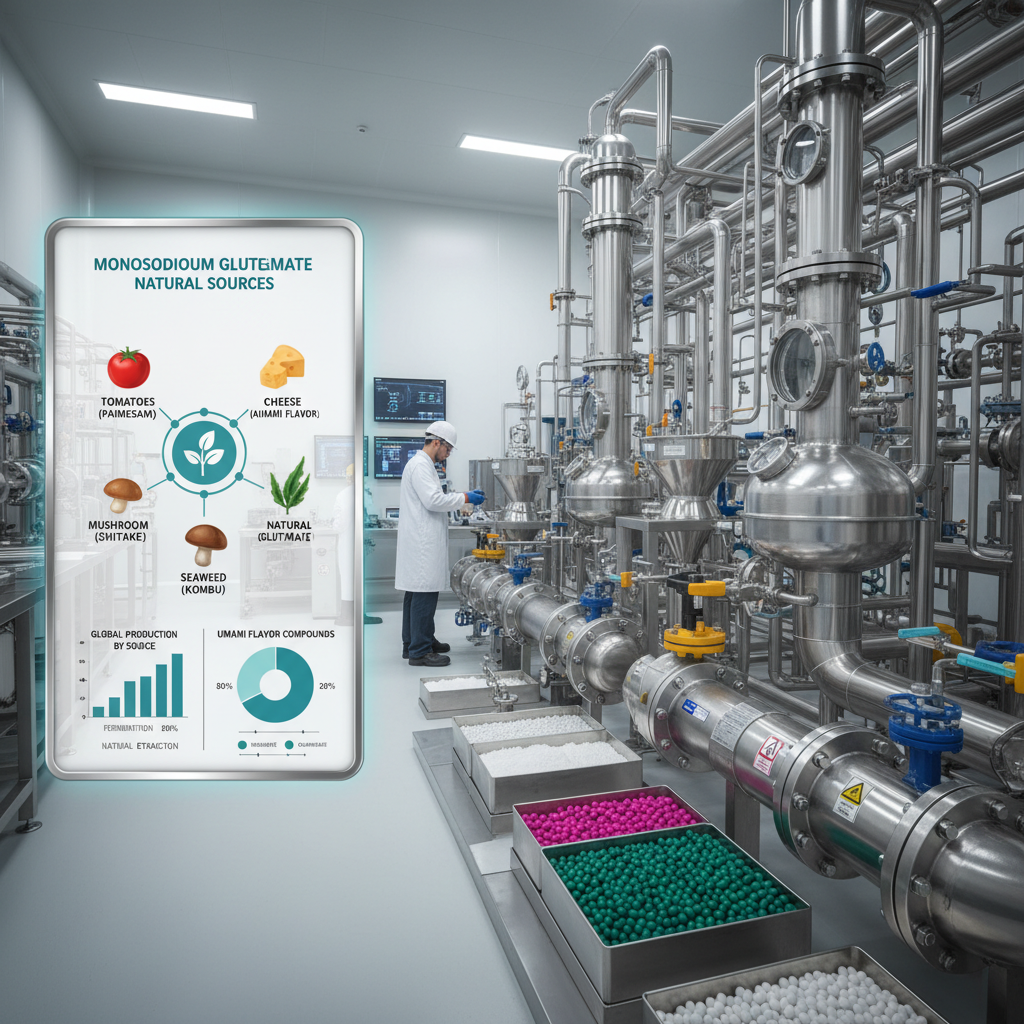
Glutamate is an amino acid found abundantly in nature, serving as a primary building block for proteins. Many monosodium glutamate natural sources include protein-rich foods such as aged cheeses (like Parmesan), ripe tomatoes, mushrooms, and fermented soy products. In these foods, the glutamate is often bound to other amino acids; however, through natural ripening or fermentation processes, these bonds are broken, releasing the free glutamate that provides the characteristic umami taste.
Beyond the kitchen, these natural sources are vital in biological systems, where glutamate acts as the most prevalent excitatory neurotransmitter in the vertebrate nervous system. This dual role—as both a culinary flavor enhancer and a critical biological signaling molecule—highlights the ubiquity of glutamate in the natural world and its inherent safety when consumed as part of a balanced diet.
Industrial Extraction from Natural Substrates
The industrial production of MSG has shifted from chemical synthesis to advanced biotechnology, primarily utilizing fermentation. By using monosodium glutamate natural sources such as sugarcane molasses or corn starch, manufacturers employ specific strains of bacteria (such as Corynebacterium glutamicum) to convert carbohydrates into L-glutamic acid. This process mimics the natural fermentation found in traditional foods but at a scale and purity required for global pharmaceutical and food grade applications.
Once the fermentation is complete, the glutamic acid is neutralized with sodium hydroxide to create the stable salt known as monosodium glutamate. This method is highly efficient and sustainable, as it relies on renewable agricultural feedstocks rather than petroleum-based precursors. The resulting crystals are chemically identical to the glutamate found in a ripe tomato, ensuring that the biological impact remains consistent regardless of the source.
Precision in extraction is key to maintaining the integrity of the product. Modern facilities use membrane filtration and ion exchange chromatography to ensure that impurities are removed while preserving the active glutamate molecule. This rigorous process allows the industry to provide high-purity additives that are essential for consistent flavor profiling in the mass production of processed foods and animal feed.
Chemical Composition and Bioavailability
From a molecular perspective, monosodium glutamate natural sources provide the body with L-glutamate, which is essential for several metabolic pathways. The chemical structure consists of a glutamate anion and a sodium cation, making it highly soluble in water and easily absorbed by the digestive tract. This high bioavailability ensures that the flavor impact is immediate upon contact with taste receptors on the tongue.
It is crucial to distinguish between free glutamate and bound glutamate. In many monosodium glutamate natural sources, the glutamate is locked within protein chains. The process of hydrolysis—whether through cooking, aging, or enzymatic treatment—is what unlocks this flavor potential. This is why a raw tomato has less umami than a concentrated tomato paste; the processing increases the concentration of free glutamate.
The metabolic fate of glutamate from natural sources is identical to that of the additive form. The human body processes these molecules through the glutamate-glutamine cycle, utilizing them for energy and cellular signaling. Because the body tightly regulates glutamate levels in the blood and brain, the source—whether it be a piece of Parmesan cheese or a purified additive—does not change the physiological outcome.
Comparative Efficacy of Various Natural Sources
Different monosodium glutamate natural sources offer varying levels of intensity and synergistic effects. For instance, while seaweed contains high concentrations of pure glutamate, mushrooms provide a combination of glutamate and guanylate. This synergy creates a "multiplier effect," where the perceived intensity of the savory taste is significantly higher than the sum of its individual parts.
In industrial applications, selecting the right source depends on the desired end-product profile. Fermented soy provides a deep, earthy umami, whereas yeast extracts offer a cleaner, more versatile savory note. By blending these different natural substrates, food scientists can engineer a complex flavor profile that appeals to a wide range of global consumer preferences.
Umami Intensity of Monosodium Glutamate Natural Sources
Global Applications in Food and Feed
The application of monosodium glutamate natural sources extends far beyond simple seasoning. In the animal feed industry, glutamates are used to improve the palatability of feed for livestock and aquaculture, which in turn enhances nutrient intake and growth rates. By stimulating the appetite of animals, these additives reduce waste and improve the overall efficiency of protein production.
In the pharmaceutical sector, derivatives of natural glutamate are used as intermediates for the synthesis of various medicines and supplements. The focus on natural sources ensures that these intermediates are biodegradable and compatible with human biological systems. From enhancing the taste of medical syrups for children to formulating amino acid infusions, the versatility of these compounds is unmatched.
Sustainability and Ethical Sourcing
The shift toward bio-based monosodium glutamate natural sources is a critical component of the "green chemistry" movement. By utilizing agricultural by-products, such as corn steep liquor or beet molasses, the industry reduces its reliance on synthetic petrochemicals. This circular economy approach minimizes environmental impact and lowers the carbon footprint associated with additive production.
Furthermore, ethical sourcing ensures that the raw materials for these glutamates are produced through fair-trade practices. As global supply chains face scrutiny, the demand for traceable, non-GMO, and sustainably farmed substrates has increased. Companies that prioritize these standards not only protect the environment but also build deeper trust with the end consumer.
Investment in precision fermentation also allows for the production of glutamates without the need for vast tracts of land, reducing deforestation and preserving biodiversity. This technological leap ensures that the global demand for flavor enhancers can be met without compromising the health of the planet.
Future Innovations in Glutamate Technology
The future of monosodium glutamate natural sources lies in synthetic biology and CRISPR technology. Researchers are now working on optimizing microbial strains to increase the yield of glutamate from even more diverse substrates, such as algae or waste biomass. This will further decouple production from traditional food crops, reducing competition between food and feed.
Digital transformation is also playing a role, with AI-driven flavor mapping allowing manufacturers to predict the exact combination of natural sources needed to mimic specific taste profiles. This "digital gastronomy" ensures that the transition to natural ingredients does not result in a loss of flavor intensity or consistency.
As regulations tighten around synthetic additives, the integration of naturally derived glutamates into "clean label" products will become the industry standard. The goal is to create a seamless blend of nature and science, where the purity of the additive is matched by the sustainability of its origin.
Analysis of Natural Source Efficiency and Application
| Source Material |
Extraction Method |
Purity Level (1-10) |
Primary Application |
| Sugarcane Molasses |
Bacterial Fermentation |
9 |
Food Grade MSG |
| Corn Starch |
Enzymatic Hydrolysis |
8 |
Animal Feed Additive |
| Tomato Extract |
Concentration/Evaporation |
6 |
Natural Flavoring |
| Yeast Biomass |
Autolysis |
7 |
Savory Seasoning |
| Seaweed/Kelp |
Aqueous Extraction |
5 |
Premium Umami Base |
| Soy Protein |
Fungal Fermentation |
8 |
Pharmaceutical Intermediate |
FAQS
The most common natural sources include protein-rich foods like Parmesan cheese, ripe tomatoes, mushrooms, seaweed, and fermented soy products. These foods naturally contain L-glutamate, which provides the savory "umami" taste. In industrial settings, these are often derived from fermented sugarcane or corn starch to produce high-purity MSG.
Chemically, they are identical. Whether the glutamate comes from a tomato or is produced via the fermentation of molasses, the molecule is the same. The body processes both in the same manner, and both provide the same sensory experience on the palate. The primary difference lies in the concentration and purity levels.
In animal nutrition, glutamates act as palatability enhancers. By improving the taste of the feed, animals are encouraged to eat more and absorb nutrients more efficiently. This is particularly useful in weaning piglets or improving the growth rates of aquaculture species, leading to better overall livestock productivity.
Yes, when derived from sources like yeast extract or hydrolyzed vegetable proteins, they can often be listed as "natural flavors" or "yeast extract" rather than "MSG." This satisfies consumer demand for ingredients that sound less synthetic while still providing the same flavor-enhancing benefits.
Absolutely. High-purity glutamates derived from natural fermentation are used as pharmaceutical intermediates. They are essential in creating amino acid supplements and certain medications where biological compatibility and purity are paramount to ensure patient safety.
Seaweed (specifically Kombu) and aged cheeses like Parmesan are among the most potent natural sources. However, the strongest effect is usually achieved through synergy—combining glutamate-rich sources (like tomatoes) with nucleotide-rich sources (like mushrooms), which amplifies the savory perception.
Conclusion
Exploring monosodium glutamate natural sources reveals a fascinating intersection of biology, culinary art, and industrial chemistry. From the natural fermentation in soy to the precision biotechnology used in molasses processing, it is clear that glutamate is a fundamental component of the global food system. By leveraging these natural origins, the industry can continue to provide the savory tastes consumers love while moving toward a more sustainable, transparent, and health-conscious future.
As we look forward, the integration of synthetic biology and green chemistry will further refine how we extract and utilize these compounds. For manufacturers in the food, feed, and pharma sectors, the key to success lies in balancing purity with sustainability. We invite you to explore our high-quality additive solutions and discover how we can help you optimize your product formulations. Visit our website: www.chinaseasoning.com