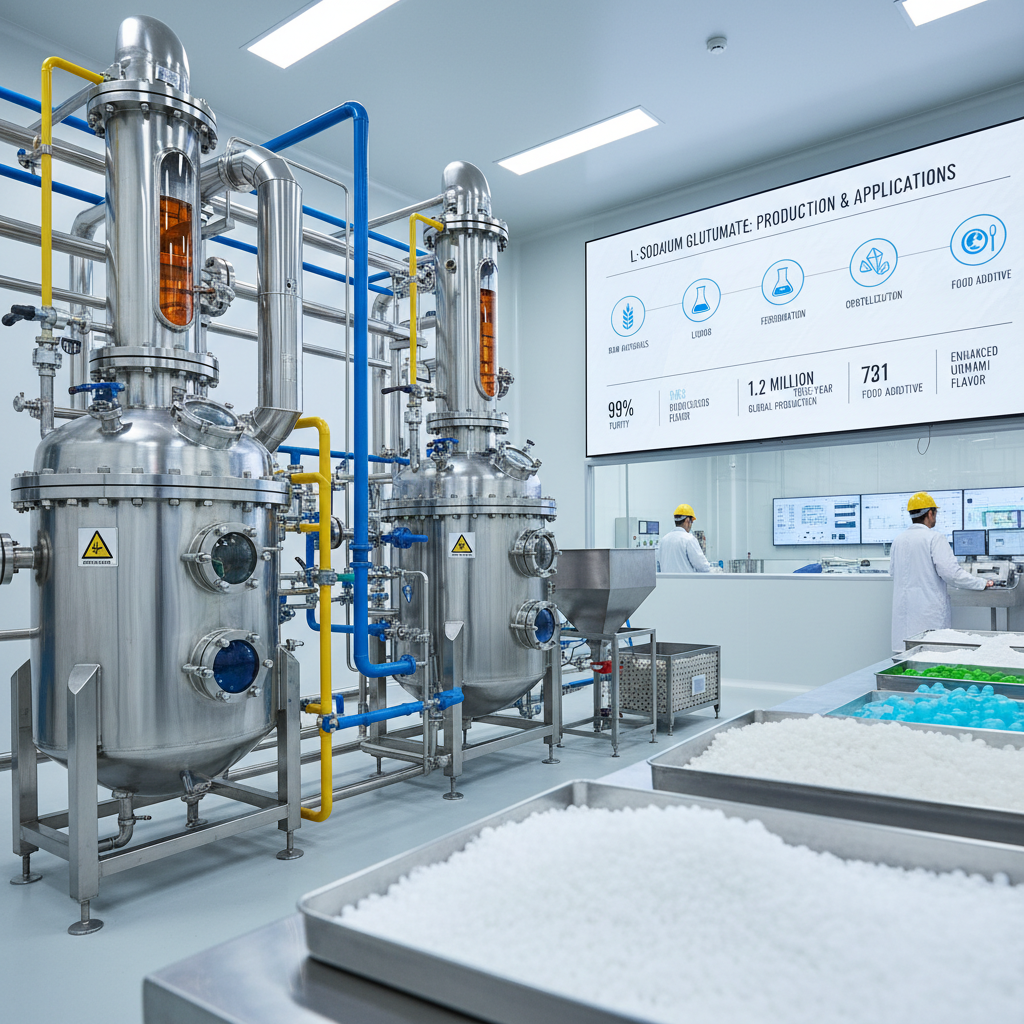
In the complex landscape of global food production, l sodium glutamate stands as one of the most influential and widely utilized flavor enhancers in the world. By isolating the essence of "umami"—the savory fifth taste—this compound allows manufacturers to optimize the palatability of a vast array of products, from processed snacks to high-end pharmaceutical intermediates. Understanding its chemical properties and industrial applications is essential for any professional seeking to balance cost-efficiency with sensory excellence in the modern food chain.
The global demand for l sodium glutamate is driven by a growing population and the rapid expansion of the convenience food sector in emerging economies. As consumer preferences shift toward more diverse and intense flavor profiles, the role of precision additives becomes critical. However, the industry faces the ongoing challenge of reconciling mass production with the increasing consumer demand for transparency and clean-label ingredients, necessitating a deeper look into the fermentation processes used to create this additive.
Beyond its primary use as a seasoning, the versatility of l sodium glutamate extends into feed additives and biochemical research, where its role as a sodium salt of glutamic acid provides essential nutritional and chemical building blocks. By mastering the application of this compound, industry leaders can not only enhance the taste of their offerings but also improve the overall economic viability of their manufacturing processes through strategic dosage and sourcing.
The Chemical Foundations of l sodium glutamate
At its most basic level, l sodium glutamate is the sodium salt of glutamic acid, an amino acid that occurs naturally in many foods, such as tomatoes, aged cheeses, and mushrooms. The "L" designation refers to its specific stereoisomer, which is the form recognized by human taste receptors to signal the presence of protein and savory richness. This molecular structure allows it to dissolve rapidly in water, making it an ideal additive for liquid seasonings and powdered mixes alike.
The efficacy of this compound lies in its ability to trigger the umami receptors on the tongue without introducing an overwhelming saltiness. By strategically integrating l sodium glutamate into a formulation, developers can reduce the overall sodium chloride content of a product while maintaining or even enhancing the perceived flavor intensity, thus addressing health concerns regarding high salt intake.
Industrial Production and Quality Standards
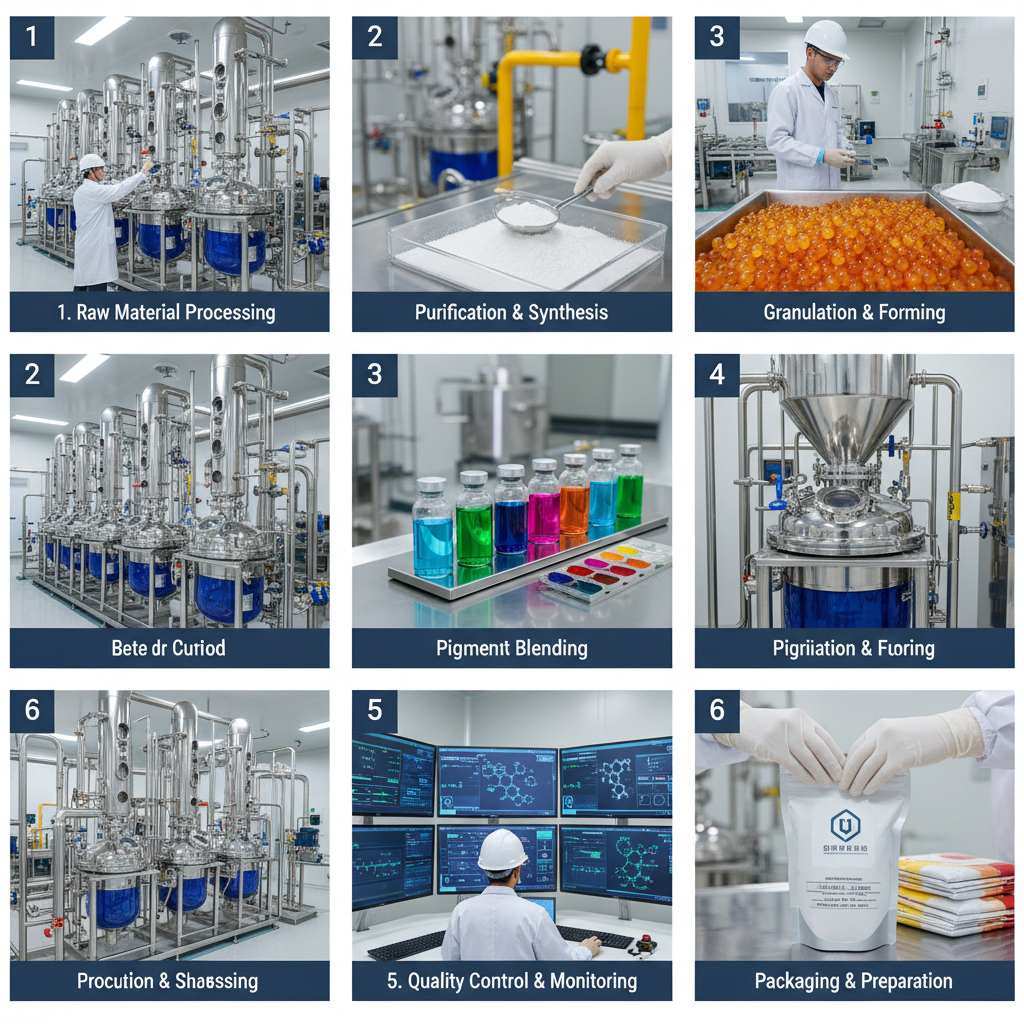
The modern manufacturing of l sodium glutamate has evolved from simple chemical extraction to sophisticated microbial fermentation. This process typically involves the use of high-efficiency bacteria, such as Corynebacterium glutamicum, which convert sugar sources (like molasses or corn starch) into glutamic acid. The resulting broth is then neutralized with sodium hydroxide and crystallized to produce the pure white powder familiar to the industry.
Quality control is paramount in the production of food and pharmaceutical grade additives. Rigorous standards, including ISO certifications and FCC (Food Chemicals Codex) compliance, ensure that l sodium glutamate is free from impurities and heavy metals. Purity levels typically exceed 99%, ensuring consistent performance across different batches and preventing off-flavors that could compromise the final consumer product.
Beyond the purity of the final crystal, the sustainability of the production chain has become a primary focus. Many leading manufacturers are now implementing circular economy principles, where the fermentation by-products are repurposed as organic fertilizers for agriculture. This holistic approach not only reduces the environmental footprint of l sodium glutamate production but also lowers the overall cost of raw material procurement.
Core Functional Advantages in Food Science
The primary appeal of l sodium glutamate is its unparalleled ability to provide cost-efficient flavor scaling. In industrial food production, achieving a deep, savory profile using only natural extracts can be prohibitively expensive. By using this additive as a base, manufacturers can achieve a consistent "meaty" taste across massive volumes of production without the volatility of raw ingredient prices.
Furthermore, l sodium glutamate acts as a synergistic agent. When combined with 5'-ribonucleotides (such as IMP or GMP), the perceived intensity of umami is not just added, but multiplied. This synergy allows for a significant reduction in the total amount of additive required, enabling brands to maintain "cleaner" labels while delivering a superior sensory experience to the end-user.
From a technical perspective, the stability of l sodium glutamate under various temperature and pH conditions makes it highly versatile. Whether it is incorporated into a high-heat extrusion process for snacks or a cold-blend pharmaceutical intermediate, it retains its chemical integrity. This reliability ensures that the flavor profile remains stable from the factory floor to the consumer's table.
Comparative Efficiency Across Applications
When evaluating the effectiveness of flavor enhancers, l sodium glutamate consistently outperforms traditional salt-heavy alternatives in terms of taste-to-cost ratio. Its ability to mask bitter notes in plant-based proteins has made it an indispensable tool in the burgeoning vegan and meat-alternative markets, where recreating the depth of animal protein is a significant technical hurdle.
Moreover, the scalability of its application is unmatched. Whether used in milligram quantities for pharmaceutical stabilization or ton-scale quantities for the global snack industry, the dosage logic remains linear and predictable. This predictability reduces R&D timelines and allows for faster product launches in competitive consumer markets.
Performance Metrics of l sodium glutamate Variants
Global Market Integration and Use Cases
The application of l sodium glutamate varies significantly by region. In East Asian markets, it is a cornerstone of culinary identity, integrated into everything from street food to high-end restaurant stocks. In Western markets, its use has shifted toward processed foods, where it provides the necessary savory depth in soups, sauces, and frozen meals, often hidden under the umbrella term "natural flavors" or "yeast extract."
Beyond the kitchen, l sodium glutamate plays a vital role in specialized industries. In animal nutrition, it is used as a feed additive to improve the palatability of livestock feed, which in turn increases nutrient intake and growth rates. In the pharmaceutical sector, it serves as a key intermediate for the synthesis of various medicinal compounds, demonstrating its utility far beyond simple flavor enhancement.
Safety, Regulation, and E-E-A-T Compliance
One of the most persistent challenges facing l sodium glutamate is the legacy of misinformation surrounding its safety. However, authoritative bodies such as the FDA (USA), EFSA (EU), and JECFA (WHO/FAO) have consistently classified it as "Generally Recognized as Safe" (GRAS). From a biological standpoint, the body processes the glutamate from this additive in the exact same way it processes glutamate from a slice of parmesan cheese.
To maintain trust and compliance with E-E-A-T (Experience, Expertise, Authoritativeness, and Trustworthiness) principles, manufacturers must provide comprehensive documentation. This includes Certificates of Analysis (CoA), Material Safety Data Sheets (MSDS), and detailed traceability reports. By providing transparent data on the fermentation source and the purification process, suppliers can alleviate consumer concerns and meet strict international import regulations.
Moreover, the industry is moving toward more precise labeling. Rather than avoiding the mention of l sodium glutamate, forward-thinking brands are educating their customers on the science of umami. This shift from "hidden additive" to "culinary tool" reflects a broader trend toward scientific literacy in food consumption, where quality and function are valued over unfounded myths.
Future Innovations in Glutamate Technology
The future of l sodium glutamate is inextricably linked to the rise of biotechnology and green chemistry. We are seeing a transition toward "precision fermentation," where genetically optimized strains of bacteria can produce glutamate with higher yields and lower energy consumption. This not only reduces the cost of production but also minimizes the use of land and water, aligning the industry with global sustainability goals.
Digital transformation is also playing a role, with AI-driven formulation software now capable of predicting the exact amount of l sodium glutamate needed to achieve a specific flavor profile based on the other ingredients in a recipe. This "algorithmic seasoning" reduces waste during the R&D phase and ensures a perfect sensory balance in every batch, regardless of the raw material variations.
As the world pivots toward alternative proteins, the role of this compound will expand into "molecular gastronomy" at scale. The ability to engineer a savory experience without relying on animal fats will be the key to the mass adoption of sustainable proteins. In this context, l sodium glutamate is no longer just an additive; it is a critical enabler of the global food transition.
Comparative Analysis of l sodium glutamate Production and Application Tiers
| Product Grade |
Purity Level |
Primary Application |
Cost-Effectiveness |
| Food Grade A |
>99.5% |
Premium Seasonings |
High (Value Driven) |
| Food Grade B |
98.0% - 99.0% |
Mass Market Snacks |
Very High (Volume) |
| Pharma Grade |
>99.9% |
Biochemical Synthesis |
Moderate (Specialty) |
| Feed Grade |
95.0% - 97.0% |
Livestock Nutrition |
Extreme (Utility) |
| Industrial Grade |
90.0% - 95.0% |
Technical Intermediates |
High (Bulk) |
| Custom Blend |
Variable |
Tailored Flavor Kits |
Balanced |
FAQS
Yes, l sodium glutamate is widely recognized as safe by global health authorities including the FDA and EFSA. It is processed by the body exactly like the glutamate found naturally in foods such as cheese and tomatoes. When used within recommended guidelines, it poses no health risk to the general population.
While table salt (sodium chloride) primarily provides a salty taste, l sodium glutamate provides "umami," a savory, meaty flavor. Because it is more potent in terms of taste perception, it can often be used to reduce the total amount of table salt in a recipe without sacrificing flavor intensity.
Absolutely. Most modern l sodium glutamate is produced via fermentation of sugar sources like corn or sugarcane, making it entirely vegan. It is actually one of the most effective tools for making plant-based proteins taste more like traditional meat.
To maintain purity and prevent clumping, it should be stored in a cool, dry environment in airtight containers. Exposure to high humidity can lead to caking, which may affect the precision of automated dosing systems in manufacturing plants.
Professional buyers should request a Certificate of Analysis (CoA) for every batch. Purity is typically verified using HPLC (High-Performance Liquid Chromatography) to ensure the glutamate content meets the specified grade (e.g., >99% for food grade) and that heavy metals are within safe limits.
No, l sodium glutamate is highly stable under standard cooking and industrial processing temperatures. It does not break down during boiling, baking, or extrusion, ensuring that the flavor profile remains consistent throughout the production and consumption cycle.
Conclusion
In summary, l sodium glutamate remains an indispensable pillar of the global food and chemical industry. From its chemical role as a pure umami provider to its industrial utility as a cost-effective flavor scaler and pharmaceutical intermediate, its versatility is unmatched. By adhering to strict quality standards and leveraging modern fermentation technologies, manufacturers can deliver products that are not only delicious but also safe and sustainable.
Looking forward, the integration of precision biotechnology and AI-driven formulation will further refine the application of this powerful additive. As we move toward a future of alternative proteins and health-conscious eating, the strategic use of l sodium glutamate will be key to bridging the gap between nutrition and pleasure. For those seeking high-purity solutions and industrial expertise, we invite you to explore our professional offerings. Visit our website: www.chinaseasoning.com