The global demand for high-quality nutritional supplements has led to a significant surge in the utilization of chicken collagen powder, a potent bioactive protein derived from avian sources. As consumers shift toward functional foods that support joint health, skin elasticity, and overall wellness, this specialized additive has moved from a niche pharmaceutical intermediate to a mainstream staple in the food and feed industries.
Understanding the biochemical properties of chicken collagen powder is essential for manufacturers aiming to optimize product bioavailability and stability. Whether integrated into a pharmaceutical grade supplement or used as a high-efficiency feed additive, the purity and molecular weight of the collagen peptides determine the efficacy of the final application, making sourcing and processing critical factors.
By bridging the gap between raw agricultural by-products and high-value nutraceuticals, the production of chicken collagen powder embodies the principles of the circular economy. This comprehensive guide explores its industrial relevance, technical advantages, and the evolving trends that are shaping the future of collagen-based additives globally.
Global Industry Context of Chicken Collagen Powder
The global market for chicken collagen powder is currently experiencing an unprecedented growth trajectory, driven by the intersection of the health-wellness trend and advancements in biotechnology. According to industry data aligned with ISO quality standards, the shift toward non-bovine and non-porcine collagen sources has positioned avian-derived proteins as a preferred alternative for diverse cultural and religious demographics, significantly expanding its market reach in Asia and the Middle East.
However, the industry faces a recurring challenge: the volatility of raw material quality and the complexity of achieving high hydrolysis rates. Many manufacturers struggle to maintain a consistent molecular weight distribution, which is crucial for absorption. This gap in production consistency has created a demand for more rigorous pharmaceutical-grade processing techniques to ensure that the powder delivers the promised biological benefits.
Defining the Nature of Chicken Collagen Powder
At its core, chicken collagen powder is a hydrolyzed protein derived from the connective tissues, cartilage, and skin of chickens. Through a process of enzymatic hydrolysis, the long-chain collagen molecules are broken down into smaller peptides. These peptides are more soluble and more easily absorbed by the human and animal body, transforming a structural protein into a functional nutrient.
In the context of modern industry, this substance serves as more than just a supplement; it is a critical raw material for food additives and pharmaceutical intermediates. Its unique amino acid profile—rich in glycine, proline, and hydroxyproline—makes it an ideal building block for regenerating connective tissues and supporting joint lubrication, addressing the humanitarian need for aging-population care and sports injury recovery.
Unlike gelatin, which is used primarily for texture, chicken collagen powder is engineered for bioavailability. This distinction is vital for B2B procurement, as the "peptide" form ensures that the product can be integrated into a wide array of delivery systems, from clear beverage formulations to high-density feed pellets, without compromising the physical integrity of the product.
Core Components and Technical Factors
The efficacy of chicken collagen powder is primarily governed by its "Degree of Hydrolysis" (DH). A higher DH typically indicates smaller peptide chains, which correlate directly with faster absorption rates in the gut. For pharmaceutical applications, controlling this parameter is non-negotiable to ensure therapeutic consistency.
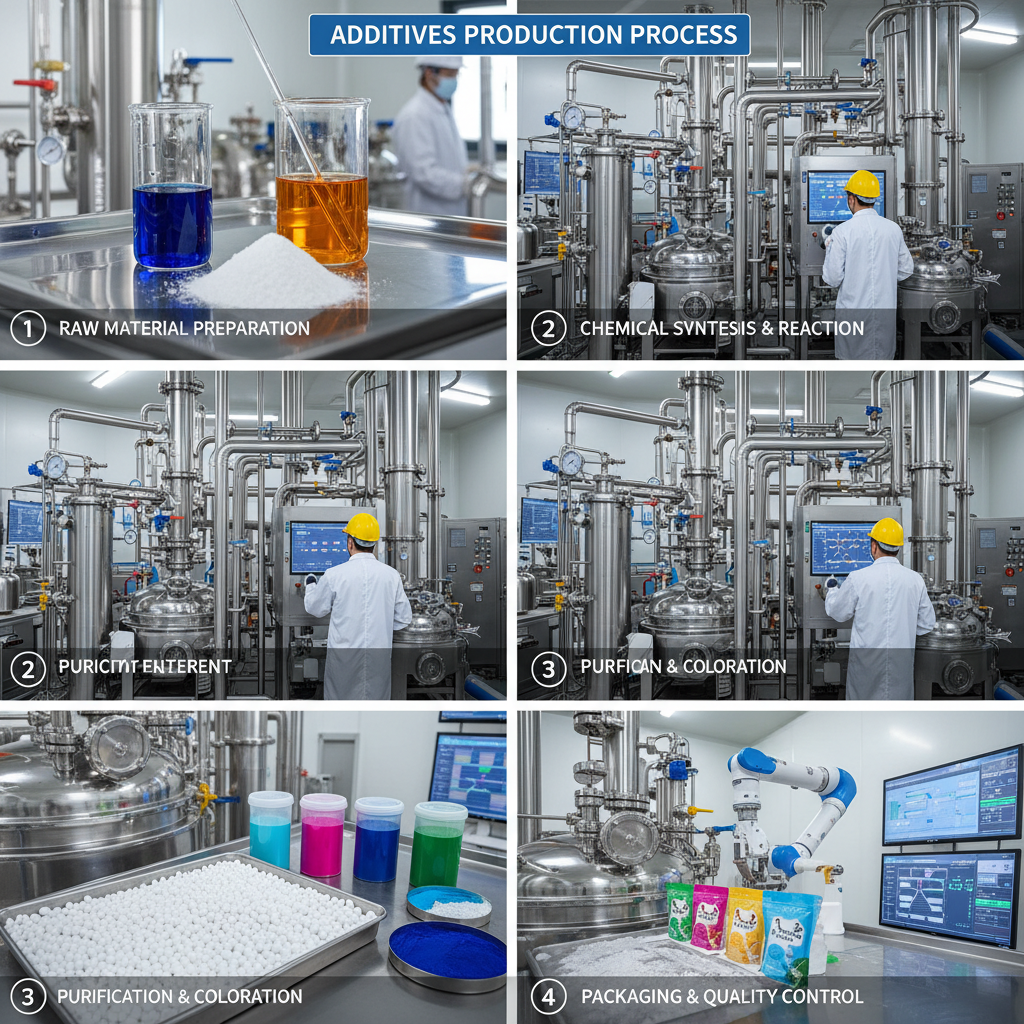
Another critical factor is the purity level and the absence of contaminants. High-grade chicken collagen powder must undergo rigorous filtration and decolorization processes to remove fats and unwanted odors, ensuring that it does not alter the sensory profile of the end food or beverage product.
Finally, the solubility and stability of the powder are key scalability factors. A product that clumps or precipitates under varying pH levels is unusable in automated industrial mixing. Therefore, the optimization of the spray-drying process is essential to produce a free-flowing chicken collagen powder that meets global logistics and storage standards.
Global Applications and Use Cases
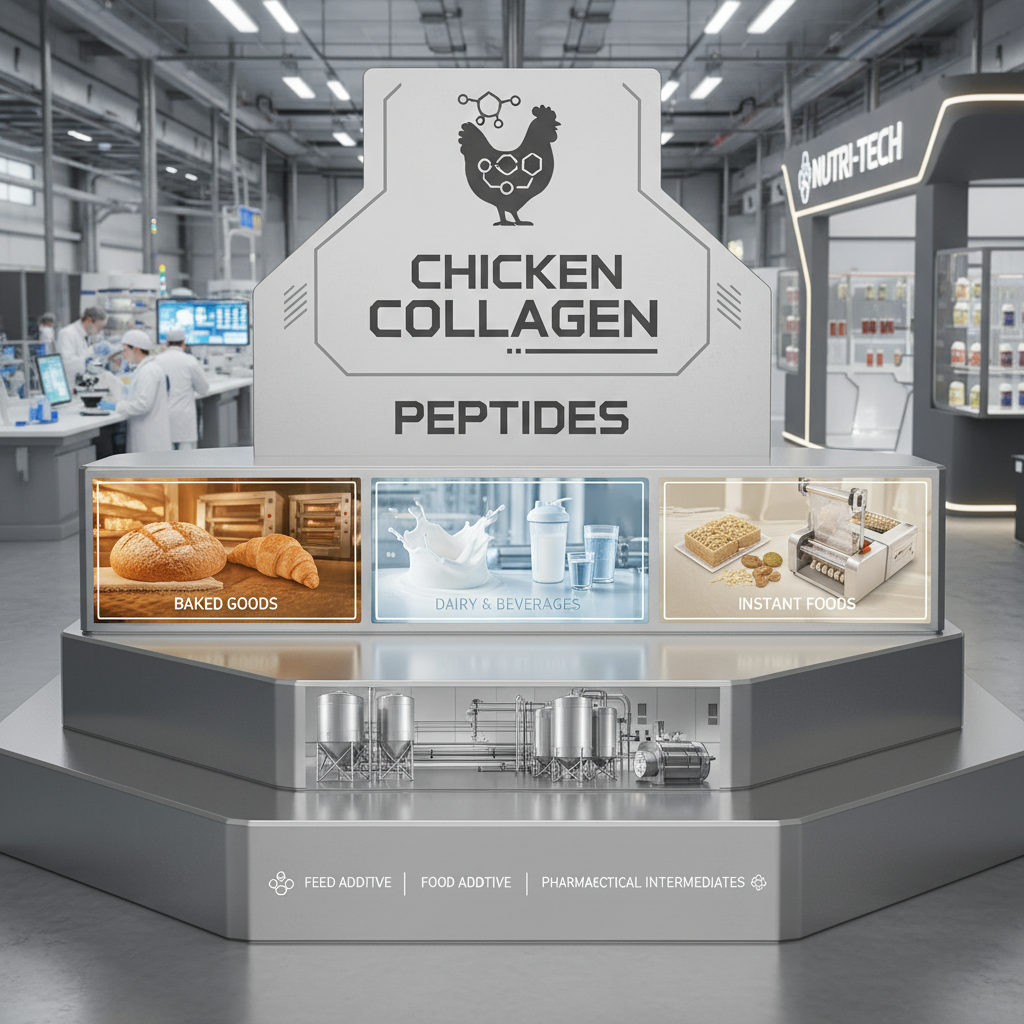
The application of chicken collagen powder spans multiple high-growth sectors. In the nutraceutical industry, it is widely used in "beauty-from-within" products, such as anti-aging drinks and skin elasticity capsules. In Europe and North America, there is a growing trend of incorporating these peptides into functional snacks and protein bars to cater to the athletic population.
Beyond human consumption, the agricultural sector utilizes it as a premium feed additive. In remote industrial farming zones, adding chicken collagen powder to livestock feed has been shown to improve skeletal development and reduce lameness in fast-growing poultry and swine, thereby increasing overall farm productivity and animal welfare.
Comparative Efficacy of Chicken Collagen Powder Processing Methods
Advantages and Long-Term Value
One of the primary tangible benefits of using chicken collagen powder is its superior biocompatibility. Because avian collagen is structurally similar to human Type II collagen, it is more effective for joint-specific applications than bovine collagen. This precision makes it a high-value asset for pharmaceutical companies developing osteoarthritis treatments.
From a sustainability perspective, the production of this powder transforms what would otherwise be waste from the poultry industry into a high-value commercial product. This not only reduces the environmental footprint of meat production but also creates a reliable, cost-effective stream of raw materials that ensures long-term price stability for manufacturers.
Future Trends and Innovations
The future of chicken collagen powder lies in the realm of "precision peptides." We are seeing a shift toward the use of specific protease enzymes that can target and release very specific peptide sequences, known as "matrikines," which can signal the body to produce more of its own collagen. This move toward biotechnology-driven extraction will likely increase the potency of supplements.
Digital transformation is also playing a role, with AI-driven quality control systems now being implemented to monitor the hydrolysis process in real-time. This ensures that every batch of chicken collagen powder has an identical molecular weight distribution, eliminating the batch-to-batch variability that has historically plagued the industry.
Furthermore, there is a growing movement toward "Green Extraction" methods. The replacement of harsh chemical catalysts with organic acids and ultrasonic-assisted extraction is making the production of chicken collagen powder more eco-friendly, aligning with global ESG (Environmental, Social, and Governance) mandates.
Challenges and Expert Solutions
Despite its benefits, a common limitation in the current practice is the presence of residual odors and a slightly bitter taste associated with hydrolysis. For food manufacturers, this can be a significant barrier. The expert solution involves a combination of activated carbon filtration and vacuum deodorization, which strips away volatile organic compounds without degrading the protein structure.
Another challenge is the stability of chicken collagen powder when exposed to high temperatures during food processing (such as baking). To overcome this, innovative micro-encapsulation techniques are being used to shield the peptides in a protective lipid layer, allowing them to survive the heating process and remain bioactive upon consumption.
Finally, regulatory hurdles regarding the origin of the raw materials can complicate international trade. Establishing a fully traceable "Farm-to-Powder" blockchain system allows manufacturers to prove the safety and ethical sourcing of their chicken collagen powder, facilitating smoother customs clearance and building deeper trust with end consumers.
Technical Analysis of Chicken Collagen Powder Grade Specifications
| Grade Level |
Molecular Weight |
Solubility Rate |
Primary Application |
| Pharmaceutical Grade |
< 2000 Daltons |
99% |
Medical Supplements |
| Cosmetic Grade |
2000-5000 Daltons |
95% |
Beauty Beverages |
| Food Additive Grade |
5000-10000 Daltons |
85% |
Functional Foods |
| Feed Grade A |
10000-20000 Daltons |
70% |
Premium Livestock Feed |
| Feed Grade B |
> 20000 Daltons |
60% |
Standard Animal Feed |
| Industrial Grade |
Variable |
Variable |
Biopolymer Research |
FAQS
Chicken collagen powder is particularly rich in Type II collagen, which is the primary collagen found in joint cartilage. While bovine collagen provides a broader range of Types I and III, the specificity of chicken-derived peptides for cartilage regeneration makes it more effective for targeting joint inflammation and improving synovial fluid viscosity.
High-quality hydrolyzed chicken collagen powder is designed to be highly soluble, even in cold liquids. However, solubility depends on the molecular weight; pharmaceutical and cosmetic grades (lower Daltons) dissolve almost instantly, whereas feed-grade powders may require stirring or slightly warmer temperatures to avoid clumping.
When sourcing, request a detailed Certificate of Analysis (CoA) that specifies the amino acid profile, moisture content, and heavy metal limits. Ensure the manufacturer follows ISO or GMP standards and provides documentation on the hydrolysis method used to ensure no harmful chemical residues remain in the powder.
Standard chicken collagen powder can withstand moderate heat, but extreme temperatures (like high-heat baking) can cause denaturation. For these applications, we recommend using micro-encapsulated collagen or adding the powder during the cooling phase of production to preserve its biological activity.
When stored in a cool, dry place in airtight packaging, chicken collagen powder typically has a shelf life of 18 to 24 months. It is crucial to avoid humidity, as the hygroscopic nature of the peptides can lead to clumping and potential microbial growth if moisture penetrates the seal.
While collagen itself is generally hypoallergenic, chicken collagen powder is derived from avian sources. Individuals with severe poultry allergies should avoid it. Manufacturers should clearly label the product to ensure consumer safety and comply with international food labeling regulations.
Conclusion
In summary, chicken collagen powder represents a sophisticated synergy between agricultural efficiency and biotechnological innovation. By optimizing the hydrolysis process and focusing on purity and molecular weight, manufacturers can provide a versatile ingredient that serves the critical needs of the pharmaceutical, food additive, and animal feed sectors. Its superior biocompatibility and sustainable origins make it a cornerstone of the modern functional protein market.
Looking forward, the integration of AI-monitored production and green extraction methods will further elevate the quality and ethical standing of this product. For businesses seeking to enhance their product lines with high-bioavailability proteins, investing in premium-grade avian collagen is a strategic move toward long-term growth and consumer trust. Visit our website to explore our professional solutions: www.chinaseasoning.com