In the fast-paced world of modern food processing, chicken broth powder has emerged as a cornerstone ingredient for achieving consistent, savory depth in a variety of commercial applications. This dehydrated flavor powerhouse allows manufacturers to bypass the labor-intensive process of simmering whole carcasses for hours, providing a standardized profile that ensures every batch of product tastes exactly as intended.
The global demand for convenient, high-quality flavor enhancers is driving a significant shift toward advanced powder formulations. From instant soup bases to complex snack seasonings, the ability to integrate a rich, umami-centric base without the logistical challenges of liquid storage has made this ingredient indispensable for scalable food production across diverse markets.
Understanding the technical nuances of chicken broth powder—from its spray-drying process to its synergistic interaction with other food additives—is essential for R&D teams looking to optimize costs while enhancing the sensory experience for the end consumer.
Global Relevance of Chicken Broth Powder
On a global scale, the efficiency of the food supply chain relies heavily on ingredients that offer stability and ease of transport. chicken broth powder addresses the critical challenge of flavor degradation during long-distance shipping, providing a shelf-stable alternative to fresh extracts that meets ISO standards for food safety and quality management.
The rise of the "convenience economy" in Asia and North America has accelerated the adoption of these powders. By reducing the water content, manufacturers significantly lower shipping weights and eliminate the need for expensive cold-chain logistics, thereby reducing the overall carbon footprint of flavor distribution.
Defining the Essence of Chicken Broth Powder
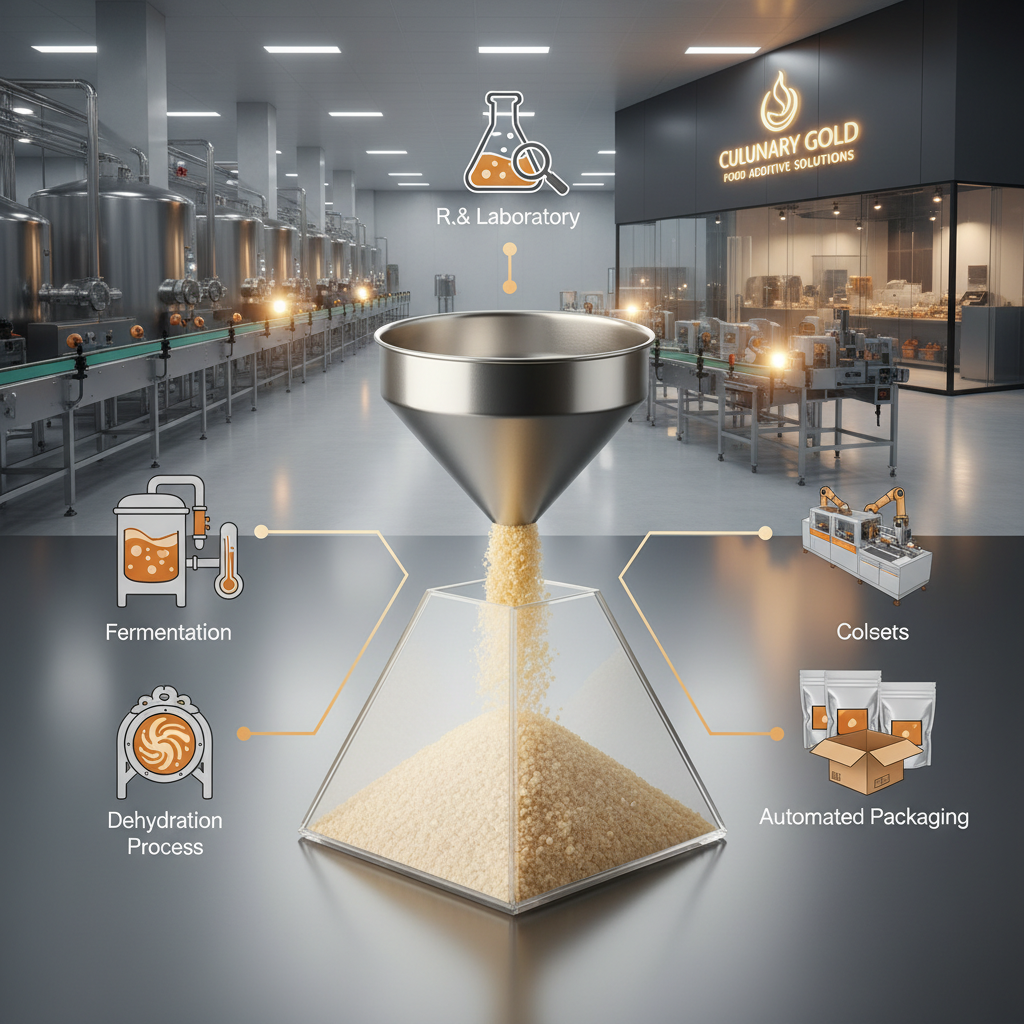
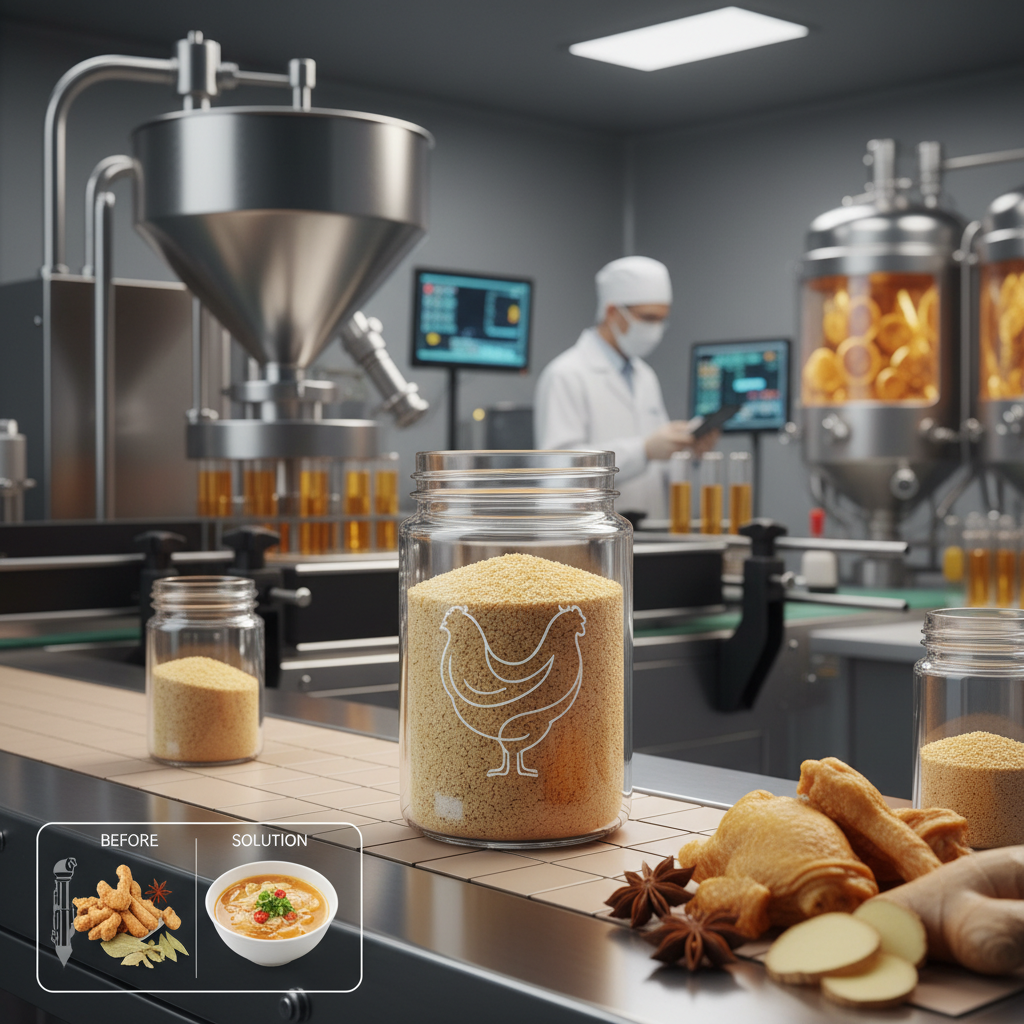
At its core, chicken broth powder is a concentrated, dehydrated form of chicken stock, typically produced through a combination of extraction and spray-drying technologies. It is designed to dissolve instantly in water or be blended into dry mixes, delivering a complex profile of savory proteins, salts, and aromatic compounds that mimic the taste of home-cooked broth.
Beyond simple taste, this product serves as a vital tool for humanitarian food aid and emergency relief operations. In regions where fresh protein is scarce or cooking infrastructure is destroyed, these nutrient-dense flavor bases help make basic grains and legumes more palatable and appetizing, improving the psychological well-being of displaced populations.
Modern industrial versions often integrate advanced food additives to ensure a smooth texture and a balanced salt-to-umami ratio. This precision allows food scientists to create a consistent "gold standard" flavor that remains unchanged regardless of the geographic location of the production plant.
Core Components and Technical Factors
The efficacy of chicken broth powder depends largely on its solubility. A high-grade powder must disperse rapidly in liquids without clumping, a factor achieved through precise particle size control during the drying phase, ensuring seamless integration into industrial soups.
Stability and Shelf-Life are equally critical. By controlling the water activity (aw) levels, manufacturers prevent microbial growth and oxidation. This allows chicken broth powder to remain potent for months or even years without the need for excessive chemical preservatives.
Finally, the umami balance is the hallmark of quality. The interaction between naturally occurring glutamates and added seasonings creates the depth of flavor that defines a premium product, making it a preferred choice for high-end pharmaceutical-grade nutritional supplements.
Industrial Applications and Use Cases
The application of chicken broth powder spans across multiple sectors. In the snack food industry, it is a primary component for savory puffs and chips, where it is applied via electrostatic seasoning systems to provide a uniform coat of flavor. In the ready-to-eat (RTE) meal sector, it serves as the foundation for gravies and sauces.
Beyond commercial food, it finds a niche in the pharmaceutical and wellness industries as a flavor mask for nutritional shakes or as a savory base for medical-grade meal replacements. In remote industrial zones—such as mining camps or offshore rigs—these powders provide a cost-effective way to deliver comforting, high-flavor meals with minimal kitchen equipment.
Comparison of Chicken Broth Powder Production Methods
Long-Term Value and Economic Benefits
The adoption of chicken broth powder offers significant tangible benefits, most notably in the realm of operational cost reduction. By eliminating the need for massive boiling vats and constant monitoring, factories can reduce their energy consumption and labor costs while increasing their total output per square foot of facility space.
From a sustainability perspective, the powder form reduces waste. Liquid broths often suffer from spoilage or leakage during transit, whereas encapsulated powders provide a reliable, airtight seal. This reliability fosters trust between suppliers and manufacturers, ensuring that production lines never halt due to ingredient inconsistency.
Future Trends in Flavor Innovation
The future of chicken broth powder is leaning heavily toward "clean label" initiatives. Consumers are increasingly demanding the removal of artificial MSG and synthetic dyes, pushing manufacturers to utilize natural yeast extracts and organic salt alternatives to achieve the same savory punch.
Digital transformation is also hitting the additive industry. AI-driven flavor profiling is now being used to analyze consumer preference data in real-time, allowing for the creation of "hyper-localized" chicken broth powders that cater to specific regional tastes—such as a more ginger-forward profile for East Asian markets.
Furthermore, the integration of green energy in spray-drying towers is reducing the environmental impact of production. The move toward circular economy models means that byproduct proteins from other poultry processes are being upcycled into high-value broth powders, reducing overall waste in the meat industry.
Overcoming Common Industry Challenges
One of the primary challenges in the use of chicken broth powder is "caking"—the tendency of the powder to clump in humid environments. To solve this, experts recommend the use of high-performance anti-caking agents like silicon dioxide or improving the moisture-barrier properties of the packaging.
Another common hurdle is the "artificial" aftertaste associated with lower-grade powders. This is typically caused by overheating during the drying process, which creates burnt notes. Innovative low-temperature vacuum drying techniques are now being implemented to preserve the volatile aromatic compounds of the chicken, ensuring a more natural, "simmered" taste.
Lastly, navigating international regulatory frameworks for food additives can be complex. Partnering with suppliers who provide full traceability and certification (such as Halal, Kosher, or HACCP) ensures that the chicken broth powder can be exported globally without customs delays or safety concerns.
Technical Analysis of Chicken Broth Powder Quality Metrics
|
Quality Parameter
|
Industrial Standard
|
Impact on End Product
|
Optimization Score (1-10)
|
| Solubility Rate |
< 30 Seconds |
Prevents Clumping |
9 |
| Moisture Content |
< 5% |
Extends Shelf-Life |
10 |
| Umami Intensity |
High Glutamate |
Deepens Savory Taste |
8 |
| Particle Uniformity |
Mesh 40-80 |
Consistent Mixing |
7 |
| Aroma Stability |
Low Oxidation |
Fresh Chicken Scent |
8 |
| Salt Distribution |
Homogeneous |
Balanced Seasoning |
9 |
FAQS
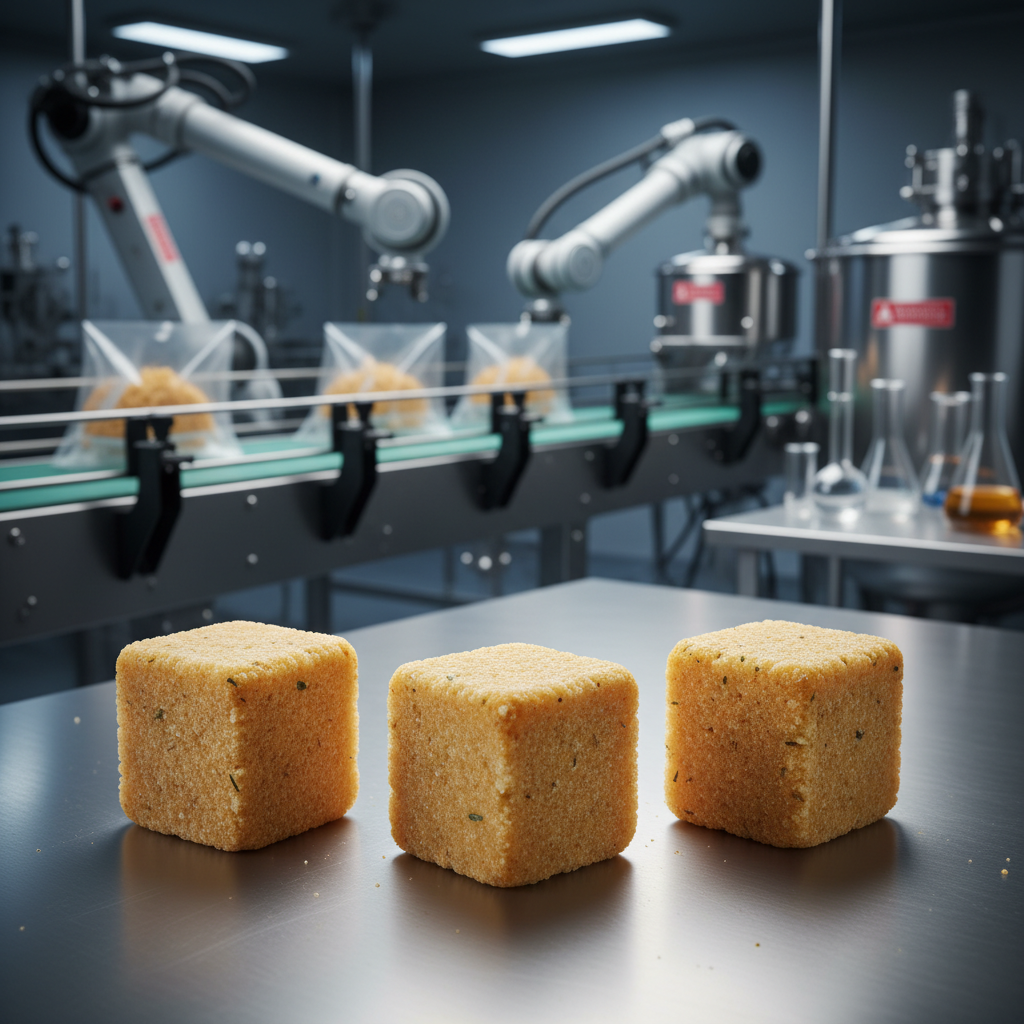
Chicken broth powder is a more versatile, free-flowing form of seasoning that allows for precise weighing and instant blending in large-scale industrial mixers. Bouillon cubes are compressed tablets often containing more binders and fats, which can make them slower to dissolve and harder to distribute evenly in dry-mix applications.
The best way to prevent caking is to store the powder in a cool, dry environment with humidity controlled below 60%. Using vacuum-sealed aluminum foil bags or airtight HDPE containers is highly recommended. Additionally, ensure your supplier uses a food-grade anti-caking agent to maintain fluidity during storage.
Standard chicken broth powder contains animal proteins. However, if you are looking for a similar flavor profile for vegan products, you would need a "chicken-style" seasoning powder made from yeast extracts, hydrolyzed vegetable proteins, and natural aromas that mimic the savory profile of chicken without using animal derivatives.
When stored in original, unopened packaging under optimal conditions, high-quality chicken broth powder typically has a shelf life of 12 to 24 months. The primary factors affecting stability are exposure to oxygen and moisture, which can lead to oxidation of the fats and flavor degradation.
Yes, most industrial manufacturers offer customizable formulations. You can request low-sodium versions by replacing a portion of the sodium chloride with potassium chloride or by increasing the concentration of natural umami enhancers to maintain flavor depth while reducing overall salt content.
You should request a Certificate of Analysis (COA) for every batch. This document outlines the moisture levels, microbial counts (such as Salmonella and E. coli), and heavy metal analysis. Verifying that the supplier holds GFSI-recognized certifications like BRC or FSSC 22000 also ensures rigorous safety standards.
Conclusion
In summary, chicken broth powder represents a perfect marriage of culinary tradition and industrial efficiency. By concentrating the complex flavors of a slow-simmered broth into a stable, soluble powder, food manufacturers can achieve unparalleled consistency, reduce logistical overhead, and meet the global demand for savory, convenient food solutions. From its critical role in humanitarian aid to its application in high-tech snack seasonings, this ingredient remains a vital tool for flavor optimization.
As the industry moves toward cleaner labels and more sustainable production methods, the evolution of broth powders will likely center on natural extracts and AI-driven customization. For businesses looking to scale their production without sacrificing taste, investing in high-purity, technically sound seasonings is the most reliable path to consumer loyalty. We invite you to explore our professional range of flavor solutions. Visit our website: www.chinaseasoning.com