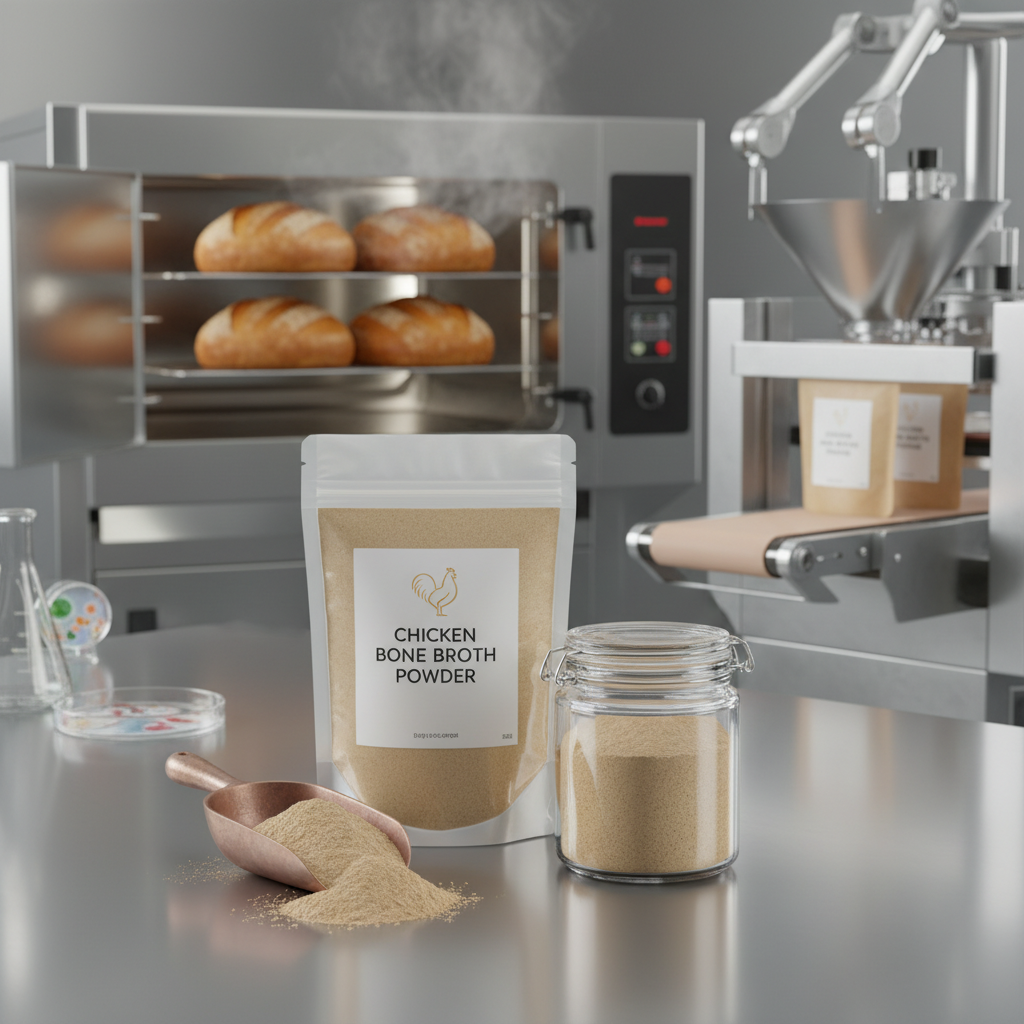
In the modern landscape of food science and chemical manufacturing, glutamate salt serves as a cornerstone for enhancing flavor profiles and nutritional stability across various product lines. As global demand for processed foods and specialized animal feeds rises, the precision in synthesizing these salts has become paramount to ensuring both safety and sensory appeal. Understanding the chemical nuances and industrial applications of these compounds is essential for manufacturers aiming to balance cost-efficiency with high-quality output.
The global market for flavor enhancers has seen a significant shift toward standardized, high-purity ingredients. According to industry trends aligned with ISO quality standards, the adoption of refined glutamate salt enables food producers to achieve consistent "umami" taste profiles, reducing the reliance on excessive sodium while maintaining palatable results. This transition is not merely about taste; it is about the chemical stability of the food matrix and the longevity of the final product on the shelf.
However, the industry faces ongoing challenges regarding purity levels and the environmental impact of production. By optimizing the synthesis of glutamate salt, companies can minimize waste and improve the bioavailability of the nutrient in pharmaceutical and feed applications. This guide explores the technical depth, global utility, and future innovations surrounding these essential additives, providing a comprehensive overview for industry professionals and procurement specialists.
Global Relevance of Glutamate Salt
The global distribution of glutamate salt reflects the interconnected nature of the modern food supply chain. From the massive processing hubs in Asia to the specialized pharmaceutical laboratories in Europe and North America, these salts are indispensable. Their ability to modulate taste and stabilize protein structures makes them a critical component in the fight against food insecurity, as they allow for the fortification of low-cost proteins, making nutrient-dense food more palatable to diverse populations.
Beyond the culinary world, the relevance of glutamate salt extends into the pharmaceutical sector, where it serves as a vital intermediate for synthesized medicines. The strict adherence to international quality benchmarks ensures that these additives meet the rigorous safety requirements of different regulatory bodies, ensuring that the global movement of these chemicals supports both economic growth and public health.
Technical Definition and Industrial Meaning
At its most fundamental level, glutamate salt is the sodium or potassium salt of glutamic acid, an amino acid that occurs naturally in many foods. In an industrial context, it is produced through large-scale fermentation of carbohydrates using specific microbial strains. This process transforms simple sugars into a concentrated crystalline form that can be easily integrated into liquid or powder formulations.
The "meaning" of this compound in modern industry goes beyond simple flavoring. It represents the intersection of biotechnology and chemistry, where the goal is to maximize the efficiency of taste receptors. By providing a concentrated source of glutamate ions, manufacturers can trigger the "umami" sensation, which is the biological signal for protein presence, thereby enhancing the perceived quality of the food without necessarily increasing the cost of raw ingredients.
Furthermore, in the realm of feed additives and pharmaceutical intermediates, the chemical stability of the glutamate salt structure is leveraged to transport essential nitrogen and carbon sources into biological systems. This versatility makes it a multi-functional tool that supports everything from livestock growth acceleration to the stabilization of drug delivery systems.
Core Components of High-Quality Glutamate Salt
To ensure the efficacy of glutamate salt, manufacturers focus on several key performance indicators. First is the Chemical Purity; any residual impurities from the fermentation process can lead to off-flavors or instability in the final product. High-purity salts are essential for pharmaceutical-grade applications where contamination is not an option.
Another critical factor is Crystalline Morphology. The size and shape of the glutamate salt crystals determine the dissolution rate. In fast-moving consumer goods (FMCG), rapid solubility is required to ensure uniform distribution across a batch, whereas in controlled-release feed additives, a slower dissolution rate may be preferred.
Finally, Hygroscopicity Control is vital. Because these salts can absorb moisture from the air, advanced anti-caking agents or specialized packaging are employed. This ensures that the glutamate salt remains a free-flowing powder, preventing clumps that could disrupt automated dosing systems in large-scale food factories.
Practical Applications Across Global Industries
The deployment of glutamate salt varies significantly depending on the end-user. In the food industry, it is ubiquitous in seasonings, canned soups, and processed meats, where it optimizes the synergy between salt, sugar, and acidity. In emerging markets, it is often used in fortified bouillon cubes to provide a rich taste to staple diets, improving the consumption of necessary calories in remote regions.
In the livestock sector, specialized grades of glutamate salt are integrated into feed to stimulate appetite and improve the digestion of proteins in poultry and swine. This application is particularly crucial in intensive farming zones where maximizing feed conversion ratios (FCR) is the primary economic driver.
Comparative Performance of Glutamate Salt Variants
Long-Term Value and Sustainable Advantages
Investing in high-grade glutamate salt offers substantial long-term value through cost reduction and product consistency. By using a potent flavor enhancer, manufacturers can reduce the overall volume of expensive raw ingredients while maintaining a premium taste profile. This economic efficiency allows for more competitive pricing in a saturated global market without sacrificing the quality the consumer expects.
From a sustainability perspective, the evolution of glutamate salt production toward bio-based fermentation reduces the carbon footprint compared to traditional synthetic chemical paths. Furthermore, the ability to reduce sodium intake by replacing part of the table salt with glutamate salts aligns with global health initiatives, adding social value and trust to the brand.
Future Innovations in Glutamate Synthesis
The future of glutamate salt lies in the integration of CRISPR and synthetic biology. Researchers are currently developing "super-strains" of bacteria that can synthesize glutamate from non-food biomass, such as agricultural waste. This shift toward a circular economy will not only lower production costs but also decouple flavor enhancer production from the food-crop supply chain, reducing competition with human food sources.
Digital transformation is also playing a role through the implementation of AI-driven fermentation monitoring. By using real-time sensors and machine learning, factories can optimize the pH, temperature, and nutrient feed in the bioreactor to maximize the yield of glutamate salt. This precision reduces energy consumption and minimizes the production of unwanted by-products.
Additionally, we are seeing the rise of "designer salts" where glutamate is co-crystallized with other minerals or vitamins. These hybrid glutamate salt complexes are designed for specific delivery targets, such as the slow release of nutrients in the gut or targeted flavor bursts in high-temperature cooking applications.
Overcoming Industrial Challenges and Solutions
One of the primary challenges in the glutamate salt industry is the persistent public misconception regarding its safety. Despite extensive scientific consensus and approval by the FDA and EFSA, "MSG-avoidance" trends persist. The solution lies in transparent labeling and educational marketing that highlights the natural occurrence of glutamates in foods like tomatoes and aged cheeses, bridging the gap between chemical terminology and natural reality.
Technically, the challenge of "clumping" in humid environments continues to plague logistics. Innovative solutions include the use of nano-coatings—ultra-thin, food-safe layers that encapsulate the glutamate salt crystals. This prevents moisture absorption without affecting the solubility of the salt once it is added to a liquid medium.
Lastly, the industry is addressing the problem of wastewater management in fermentation plants. By adopting advanced anaerobic digestion systems, manufacturers are converting the organic waste from glutamate salt production into biogas, which can then be fed back into the plant's energy grid, creating a sustainable, closed-loop manufacturing process.
Comparison Analysis of Glutamate Salt Production Methods
| Production Method |
Purity Level |
Environmental Impact |
Cost Efficiency |
| Traditional Fermentation |
Medium-High |
Moderate |
High |
| Enzymatic Catalysis |
Very High |
Low |
Medium |
| Synthetic Chemical Path |
High |
High |
Very High |
| Bio-Waste Upcycling |
Medium |
Very Low |
High |
| Precision GMO Fermentation |
Ultra-High |
Low |
Medium-High |
| Hybrid Bio-Chemical Process |
High |
Moderate |
High |
FAQS
The primary difference lies in the purity thresholds and the strictness of the filtration process. Pharma-grade glutamate salt undergoes multiple recrystallization cycles to remove trace organic impurities and heavy metals, ensuring it meets the pharmacopeia standards for safety and stability in drug formulation, whereas food-grade focuses on sensory consistency and general safety.
Yes, to a significant extent. Because glutamate salt provides a powerful "umami" taste, it allows manufacturers to reduce the total amount of sodium chloride (table salt) while maintaining a savory taste. This synergy reduces the overall sodium load of the product without compromising the flavor profile, making it a valuable tool for health-conscious product development.
When formulated correctly, glutamate salt does not negatively impact shelf life; in fact, its role in improving protein bioavailability can make the feed more efficient. However, due to its hygroscopic nature, it must be stored in moisture-proof packaging to prevent clumping, which could otherwise lead to uneven nutrient distribution over time.
Modern production is increasingly sustainable. The shift from chemical synthesis to microbial fermentation using renewable carbohydrates has greatly reduced the chemical waste. Furthermore, the industry is adopting "green chemistry" principles by recycling fermentation broth and utilizing bio-gas recovery systems to power the production plants, making glutamate salt a relatively eco-friendly additive.
Low-quality glutamate salt typically manifests as an uneven crystalline texture, a slight off-color (yellowish instead of pure white), or the presence of a metallic aftertaste. In liquid applications, it may fail to dissolve completely or create an unstable emulsion, indicating the presence of impurities or improper salt crystallization.
Buyers should request a comprehensive Certificate of Analysis (COA) and verify that the supplier adheres to ISO 9001 and HACCP standards. For pharmaceutical use, GMP (Good Manufacturing Practice) certification is essential. Conducting third-party lab tests for purity and heavy metal content is also recommended to ensure that the glutamate salt meets the specific regulatory requirements of the destination country.
Conclusion
In summary, glutamate salt is far more than a simple flavor enhancer; it is a versatile chemical tool that drives efficiency and quality in the food, feed, and pharmaceutical industries. From its fundamental role in triggering the umami taste to its advanced applications as a pharmaceutical intermediate, the compound's value is rooted in its purity, stability, and biological efficacy. By mastering the balance between cost and quality, manufacturers can leverage these salts to meet the complex demands of a health-conscious and sustainability-driven global market.
Looking forward, the integration of synthetic biology and AI-driven manufacturing will likely redefine the production of glutamate salt, making it even more sustainable and precise. For companies looking to enhance their product lines, the key is to partner with suppliers who prioritize transparency, purity, and innovative production methods. Embrace the evolution of flavor and nutrition by integrating high-standard additives into your supply chain today. Visit our website: www.chinaseasoning.com