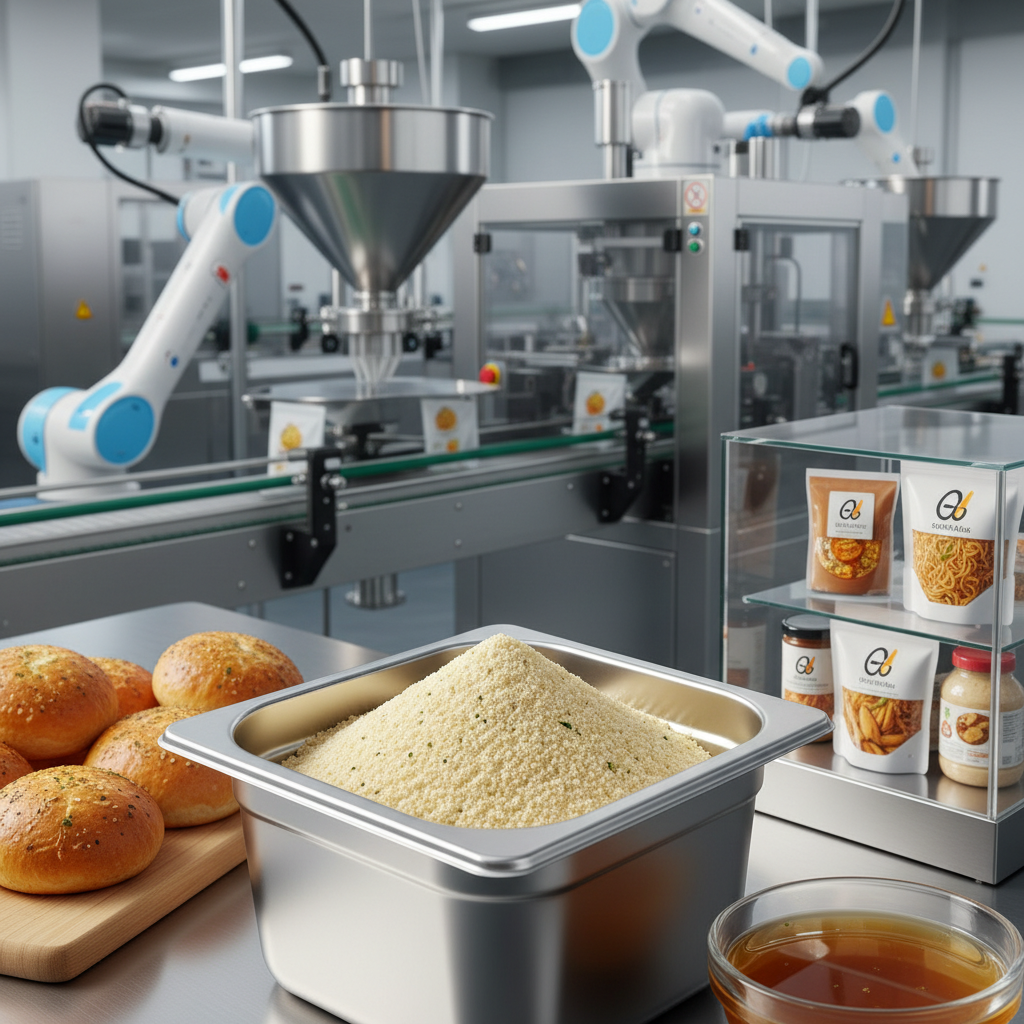
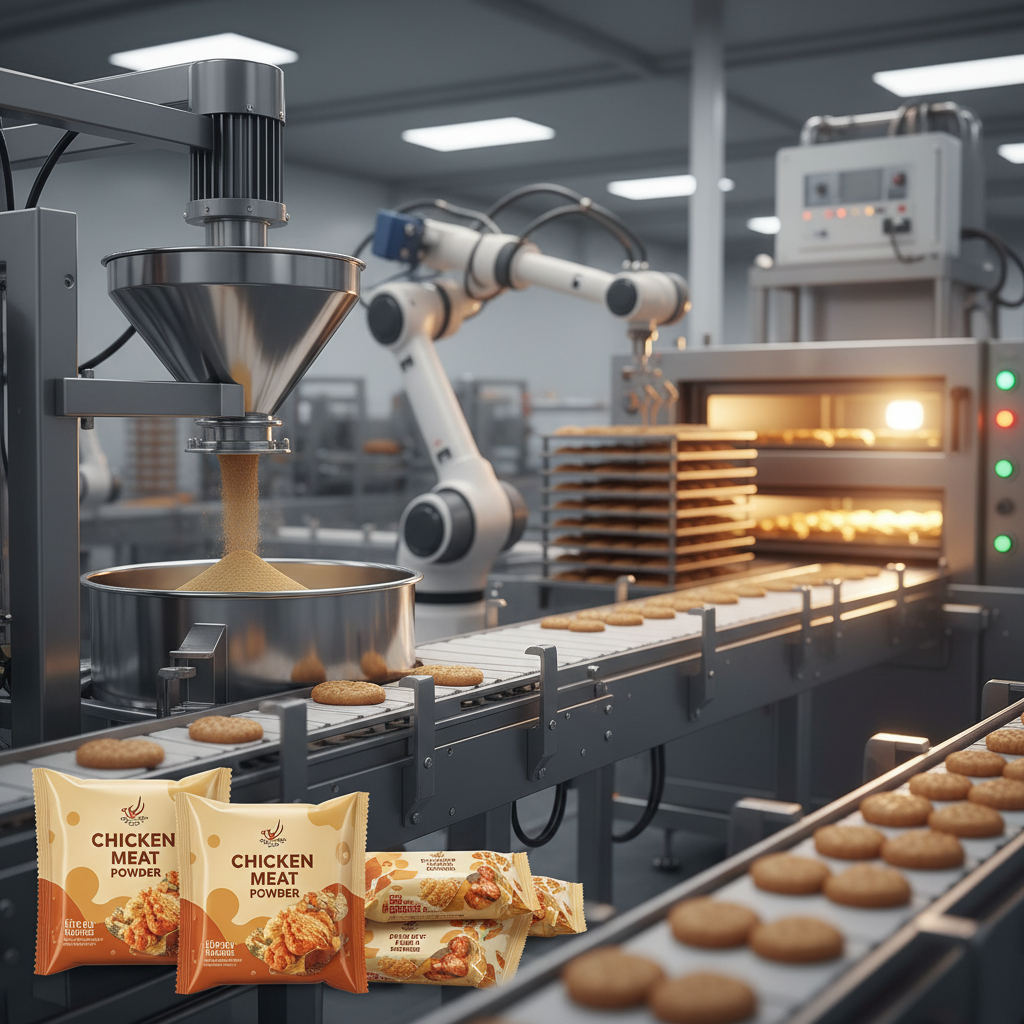
The global demand for convenient, high-quality flavor enhancers has propelled chicken stock powder from a simple kitchen staple to a critical industrial ingredient in the food manufacturing sector. As urbanization increases and the pace of modern life accelerates, the need for consistent, time-saving culinary solutions has never been greater, making the science behind these powders a focal point for food technologists.
Beyond mere convenience, the strategic implementation of chicken stock powder allows food producers to maintain strict flavor profiles across massive production scales, ensuring that a soup or sauce tastes the same in New York as it does in Tokyo. This stability is essential for brand loyalty and operational efficiency in the competitive food additive market.
Understanding the nuances of this ingredient—from its chemical composition and spray-drying processes to its application in pharmaceutical intermediates—is vital for any business looking to optimize its product line. By leveraging high-purity additives, manufacturers can reduce waste and improve the nutritional delivery of savory profiles in a variety of global cuisines.
Global Market Context of Chicken Stock Powder
The global appetite for savory flavorings has seen a steady climb, with the market for chicken stock powder reflecting broader shifts in food consumption patterns. According to industrial trends aligned with ISO quality standards, the transition toward dehydrated seasonings is driven by the need for longer shelf-life and reduced logistics costs. In emerging economies, the rise of the middle class has increased the demand for "instant" gourmet experiences, positioning these powders as a primary solution for rapid food preparation.
However, the industry faces the challenge of balancing intense flavor with the growing consumer demand for "clean labels" and reduced sodium levels. Manufacturers are now tasked with innovating the chemical structure of these additives to maintain the authentic "umami" taste while adhering to stricter global health guidelines and dietary regulations.
Defining Chicken Stock Powder in Industrial Terms
At its core, chicken stock powder is a dehydrated concentrate derived from chicken essence, salt, and a blend of aromatic spices and flavor enhancers. Unlike traditional liquid stocks, the powder form is achieved through advanced processes such as spray drying or freeze drying, which remove water while preserving the volatile aromatic compounds that define the savory profile of cooked chicken.
In the context of modern food additive manufacturing, this product is more than just a seasoning; it is a precisely engineered delivery system. By controlling the particle size and solubility of the powder, manufacturers can ensure that the product dissolves instantly in hot water, providing a homogenous base for soups, sauces, and marinades without the need for lengthy simmering processes.
This industrial evolution connects directly to humanitarian and logistical needs. In disaster relief or remote industrial zones, where fresh poultry is unavailable or perishable, high-stability chicken stock powder provides a critical source of flavor and familiarity, improving the psychological well-being of populations relying on rationed meals.
Key Factors Driving Product Quality
The efficacy of chicken stock powder is primarily determined by its Umami Intensity. This is achieved through the strategic balance of glutamates and nucleotides, which trigger the savory taste receptors. A high-quality powder must deliver a deep, meaty resonance without leaving a metallic or overly salty aftertaste, requiring a sophisticated blend of natural extracts and food-grade additives.
Solubility and Flowability are equally crucial. In large-scale food production, clumping can lead to inconsistent flavoring and machinery downtime. Therefore, the use of anti-caking agents and optimized granulation ensures that the chicken stock powder remains free-flowing and dissolves rapidly, ensuring a seamless integration into automated mixing systems.
Lastly, Shelf-Life Stability is a non-negotiable parameter. Through controlled moisture levels and protective packaging, the powder must resist oxidation and microbial growth. This stability ensures that the sensory characteristics of the chicken stock powder remain unchanged from the factory gate to the end consumer, regardless of the climate in which it is stored.
Global Applications and Use Cases
The application of chicken stock powder spans across multiple industries, from household kitchens to massive industrial food plants. In the Ready-to-Eat (RTE) meal sector, it serves as the foundation for instant noodle bases and dehydrated soup mixes, where consistency and rapid rehydration are paramount for the consumer experience.
Beyond consumer goods, this ingredient is heavily utilized in institutional catering—such as hospitals, schools, and military bases—where preparing fresh stock for thousands of people is logistically impossible. In these settings, the powder provides a reliable, cost-effective way to enhance the palatability of large-batch meals without compromising on the nutritional profile.
Performance Comparison of Chicken Stock Powder Variants
Long-Term Value and Economic Advantages
Integrating high-quality chicken stock powder into a production line offers significant economic advantages, primarily through the reduction of operational overhead. The elimination of the energy-intensive process of boiling bones and aromatics for hours reduces water consumption and waste management costs, contributing to a more sustainable manufacturing footprint.
Moreover, the reliability of a standardized powder mitigates the risk of batch failure. When using fresh ingredients, natural variances in poultry quality can lead to flavor inconsistencies; however, a pharmaceutical-grade powder ensures that every unit produced meets the exact specifications of the brand, fostering trust and long-term loyalty among global consumers.
Future Trends and Technological Innovations
The future of chicken stock powder is leaning heavily toward "green chemistry" and digital transformation. We are seeing a shift toward fermentation-based umami components, where yeast and fungi are used to replicate the savory depth of chicken without the need for animal-derived proteins, catering to the booming plant-based market.
Automation is also redefining how these additives are blended. AI-driven formulation software can now adjust the composition of the powder in real-time based on the target region's flavor preferences, allowing companies to produce hyper-localized versions of their chicken stock powder with minimal manual intervention.
Additionally, sustainable packaging innovations, such as biodegradable films, are being integrated to ensure that the convenience of the powder does not come at the cost of environmental degradation, aligning the product with global ESG (Environmental, Social, and Governance) goals.
Overcoming Industry Challenges and Solutions
One of the primary challenges in the production of chicken stock powder is the tendency for lipids to oxidize, which can lead to "off-flavors" over time. To solve this, industry experts are implementing micro-encapsulation technology, which wraps individual flavor molecules in a protective microscopic layer, shielding them from oxygen and light until they are released upon rehydration.
Another hurdle is the regulatory pressure to reduce sodium. The solution lies in the use of potassium-based salts and the enhancement of natural flavor precursors that trick the palate into perceiving saltiness where there is less of it. This allows manufacturers to maintain the taste profile of their chicken stock powder while meeting health certifications.
Finally, supply chain volatility for raw materials is being addressed through diversified sourcing and the development of synthetic analogues that maintain identical molecular structures to natural chicken extract, ensuring a steady supply of raw materials regardless of agricultural fluctuations.
Comparative Analysis of Chicken Stock Powder Production Standards
| Production Method |
Flavor Retention |
Cost Efficiency |
Shelf Life (Months) |
| Traditional Spray Drying |
Moderate (7/10) |
High (9/10) |
12-18 |
| Advanced Freeze Drying |
Excellent (10/10) |
Low (4/10) |
24-36 |
| Vacuum Evaporation |
High (8/10) |
Moderate (6/10) |
12-24 |
| Fermentation-Based |
Consistent (8/10) |
Moderate (7/10) |
18-24 |
| Micro-Encapsulated |
Superior (9/10) |
Moderate (5/10) |
24-36 |
| Standard Blend |
Basic (6/10) |
Very High (10/10) |
6-12 |
FAQS
While both are dehydrated concentrates, chicken stock powder offers greater flexibility in dosage and faster dissolution. Powders are generally used in larger-scale industrial mixing where precise weight measurement is required, whereas cubes are pre-measured for individual household use. The powder form also typically allows for a more refined control over the ingredient blend.
Yes, many industrial-grade chicken stock powders are naturally gluten-free. However, it depends on the fillers used (such as maltodextrin or flour-based thickeners). For professional food manufacturing, it is essential to request a Certificate of Analysis (CoA) from the supplier to ensure there is no cross-contamination and that the product meets gluten-free certification standards.
To prevent clumping and oxidation, chicken stock powder should be stored in moisture-proof, airtight packaging, such as aluminum foil bags or HDPE drums. Maintaining a cool, dry environment with a relative humidity below 60% is ideal. Using desiccants within the outer packaging can further protect the product from atmospheric moisture.
Certain high-purity extracts used in chicken stock powder production are utilized as flavor masking agents in pharmaceutical syrups or chewable tablets. By neutralizing the bitter taste of active pharmaceutical ingredients (APIs) with savory, palatable notes, manufacturers can improve patient compliance, especially in pediatric medicine.
Premium chicken stock powder typically contains a higher percentage of actual chicken extract rather than relying solely on hydrolyzed vegetable proteins (HVP) and MSG. It also utilizes advanced drying techniques, like freeze-drying, to preserve the natural volatile oils of the poultry, resulting in a more authentic, "home-cooked" flavor profile.
Importing requires adherence to the destination country's food safety laws (e.g., FDA in the US or EFSA in the EU). You will need a detailed specification sheet, an MSDS (Material Safety Data Sheet), and a health certificate. Partnering with a supplier who is already ISO and HACCP certified simplifies the customs clearance process significantly.
Conclusion
In summary, chicken stock powder represents the intersection of culinary art and industrial chemistry. From its role in stabilizing global flavor profiles to its economic benefits in reducing manufacturing waste, it is a cornerstone of the modern food additive industry. By focusing on key factors like solubility, umami intensity, and shelf stability, manufacturers can deliver consistent quality that meets the rigorous demands of the global market.
Looking forward, the industry is poised for a transformation driven by biotechnology and sustainable practices. The move toward clean-label ingredients and AI-optimized formulations will ensure that this versatile additive remains relevant in an era of health-conscious consumption. For businesses seeking to elevate their product quality, investing in high-purity, technologically advanced seasonings is not just an operational choice, but a strategic advantage. Visit our website: www.chinaseasoning.com