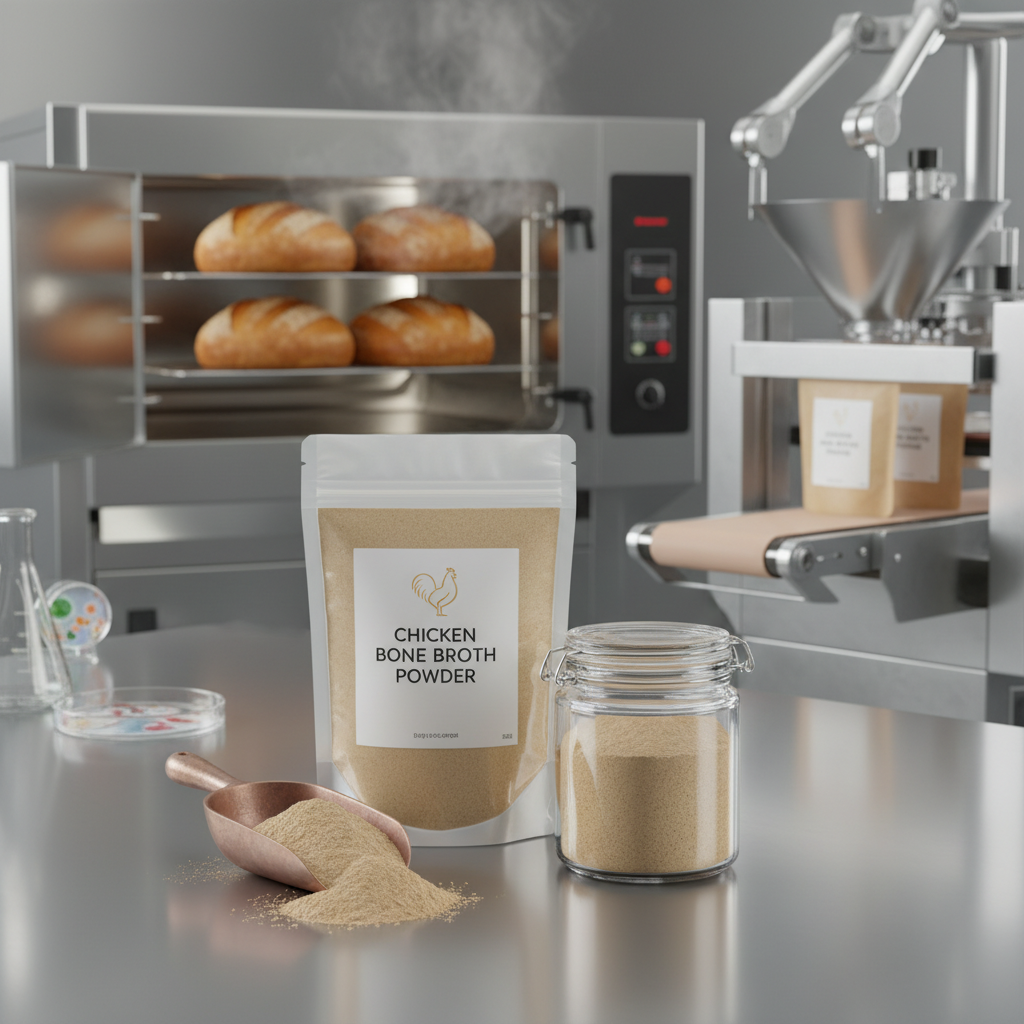
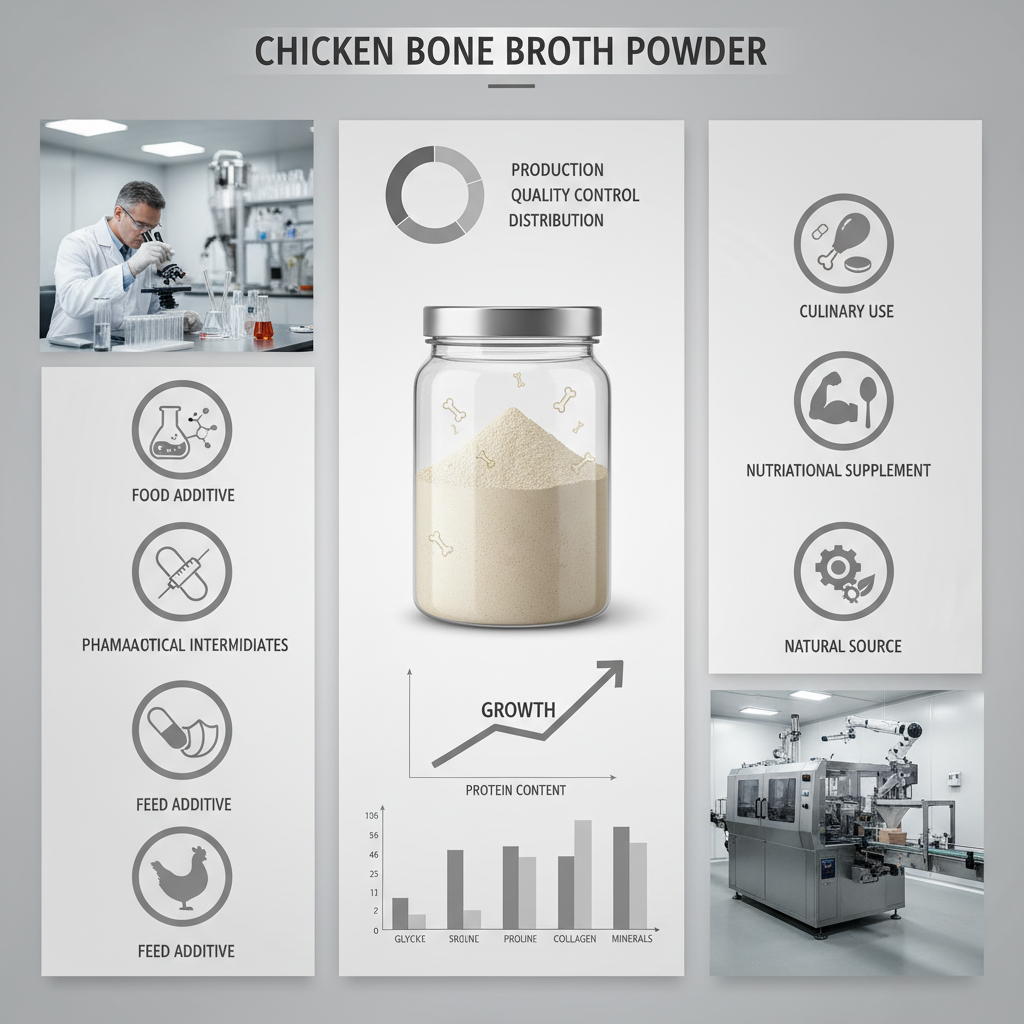
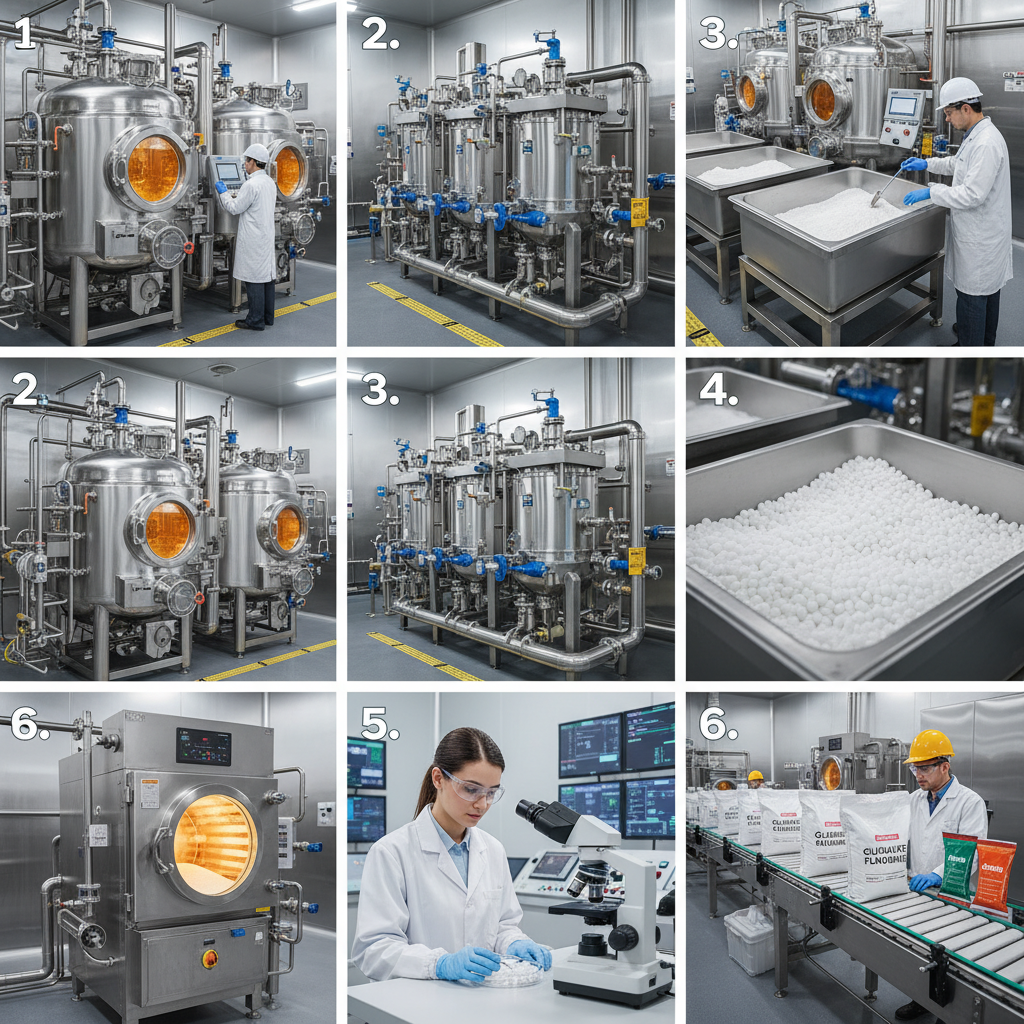
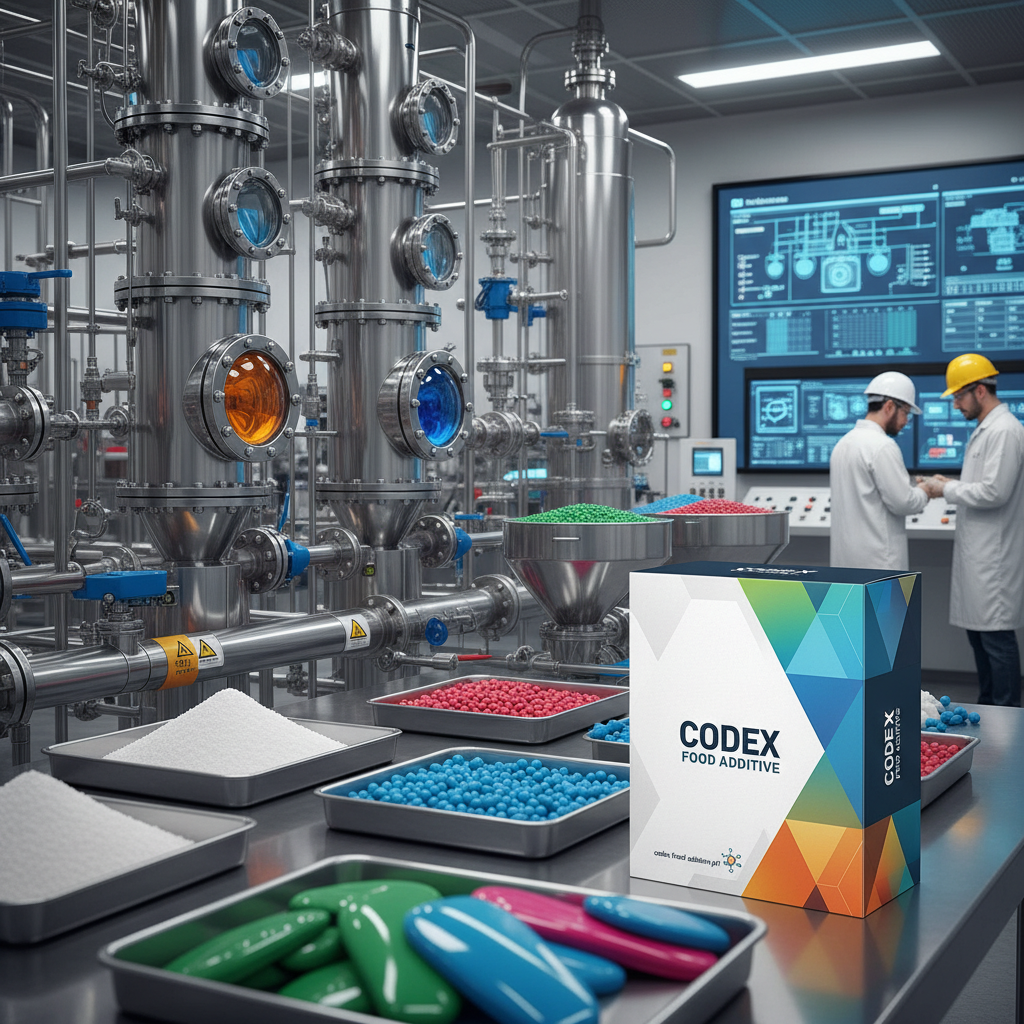
The modern food industry is witnessing a significant shift toward nutrient-dense, convenient functional ingredients, with chicken bone broth powder emerging as a powerhouse in this evolution. By concentrating the collagen, minerals, and amino acids found in traditional slow-simmered stocks, this powder offers a scalable solution for manufacturers looking to enhance the nutritional profile of their products without compromising on taste or shelf-life.
From a global perspective, the demand for high-protein, gut-healthy additives is skyrocketing as consumers move away from synthetic fillers and toward whole-food derivatives. Whether integrated into sports nutrition, gourmet seasonings, or pharmaceutical-grade supplements, the versatility of this ingredient allows it to bridge the gap between traditional culinary wisdom and modern industrial efficiency.
Understanding the technical specifications and application methods of chicken bone broth powder is essential for brands aiming to optimize their supply chains. By transitioning from liquid broths to concentrated powders, companies can drastically reduce logistics costs, minimize waste, and ensure a consistent flavor profile across global markets.
Global Market Context of Chicken Bone Broth Powder
The global surge in "clean label" trends has propelled chicken bone broth powder from a niche health-store product to a mainstream industrial ingredient. Market data suggests a compound annual growth rate (CAGR) driven by the increasing awareness of collagen's role in joint health and gut permeability, aligning with ISO standards for food safety and nutritional fortification.
However, the industry faces a critical challenge: the inefficiency of traditional liquid production. Scaling the production of slow-cooked bone broth for millions of consumers often leads to high water waste and expensive cold-chain logistics. This is where the powdered form revolutionizes the supply chain, transforming a bulky liquid into a lightweight, shelf-stable asset.
Defining the Science Behind Chicken Bone Broth Powder
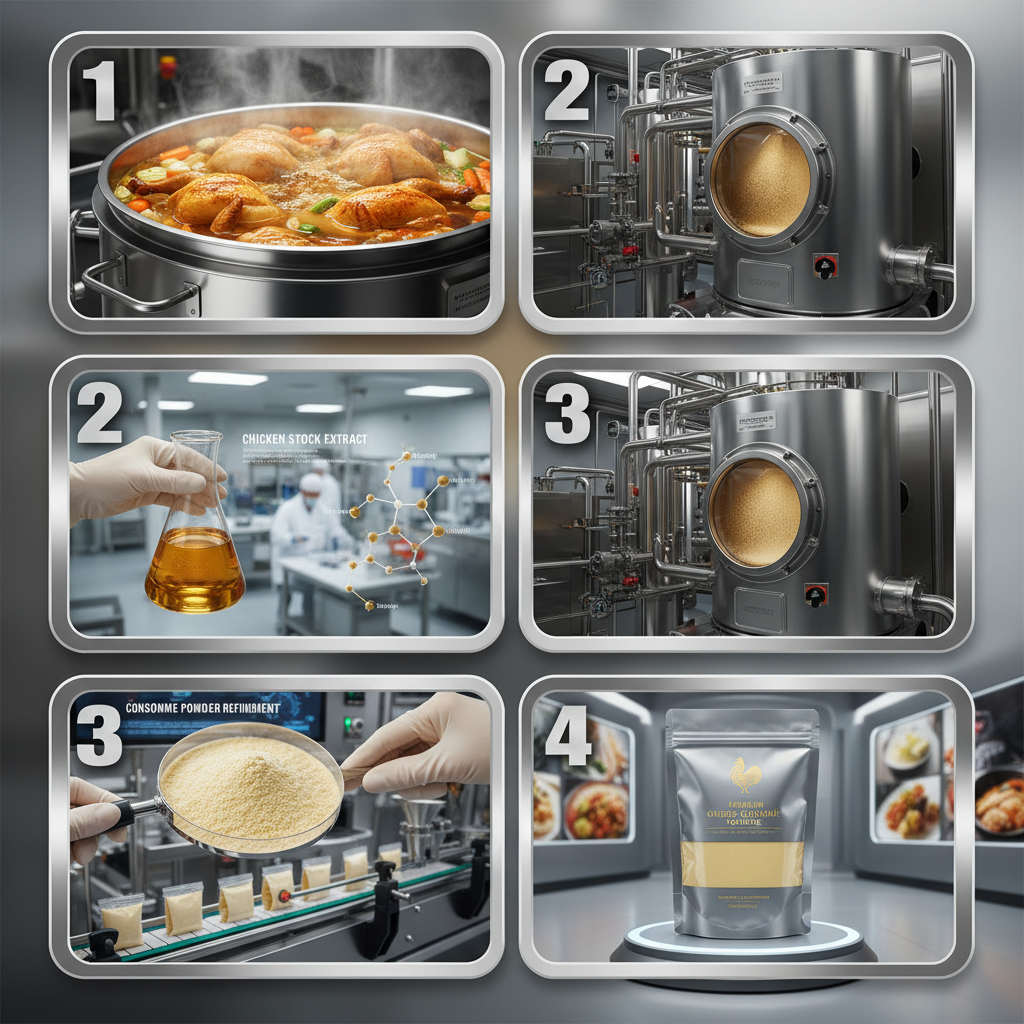
At its core, chicken bone broth powder is a dehydrated concentrate derived from the long-term simmering of chicken bones and connective tissues. This process extracts gelatin and collagen, which are then processed—typically through spray-drying or freeze-drying—to remove water while preserving the bioavailable peptides and minerals like calcium and magnesium.
Unlike standard chicken bouillon, which relies heavily on salt and MSG for flavor, a true bone broth powder focuses on the nutritional density of the animal proteins. It serves as a bridge between a culinary base and a pharmaceutical intermediate, providing the body with the building blocks necessary for tissue repair and immune support.
In the context of modern food manufacturing, this powder is categorized as a high-value food additive. It allows brands to incorporate "bone broth" claims into their packaging without needing to manage the complexities of liquid storage, making it an ideal component for instant soups, protein shakes, and specialized medical nutrition.
Core Technical Factors and Quality Components
The efficacy of chicken bone broth powder is primarily determined by its protein bioavailability. The extraction temperature and duration are critical; too high a heat can denature the proteins, while too low a heat fails to release the collagen from the bone matrix.
Solubility is another key metric. A high-quality chicken bone broth powder must dissolve instantly in warm or cold liquids without clumping. This requires precise particle size control during the drying phase, ensuring that the powder integrates seamlessly into various food matrices.
Finally, cost efficiency and scalability are achieved through the optimization of the raw material sourcing. By utilizing high-collagen bone cuts and employing advanced filtration systems, manufacturers can maximize the yield per ton of raw material, reducing the overall carbon footprint of the production cycle.
Industrial Applications and Use Cases
The versatility of chicken bone broth powder allows it to span multiple industries. In the food sector, it is used as a natural flavor enhancer and thickener for sauces and gravies. In the sports nutrition market, it is integrated into post-workout recovery drinks to support joint health and reduce inflammation.
Beyond consumer goods, it plays a vital role in specialized nutrition. For instance, in clinical settings for patients recovering from surgery or in remote humanitarian aid zones, the powder provides a lightweight, high-calorie, and nutrient-dense source of protein that can be easily reconstituted with water.
Efficiency Comparison of Chicken Bone Broth Powder Formulations
Long-Term Economic and Nutritional Value
Investing in chicken bone broth powder offers significant long-term advantages. From a sustainability angle, it reduces the need for energy-intensive refrigerated transport. By removing water, the volume of the product is slashed by up to 90%, leading to a dramatic reduction in shipping emissions and warehousing costs.
Nutritionally, the concentrated nature of the powder ensures a consistent dosage of amino acids like glycine and proline. This reliability builds consumer trust and brand loyalty, as users receive the same health benefits in every serving, regardless of where the product was packaged or shipped.
Future Innovations in Powder Processing
The future of chicken bone broth powder lies in the adoption of "Green Chemistry" and automation. We are seeing a shift toward low-temperature vacuum drying, which preserves the volatile aromatic compounds and heat-sensitive vitamins more effectively than traditional methods, resulting in a powder that tastes closer to home-cooked broth.
Furthermore, the integration of AI-driven quality control allows manufacturers to monitor the collagen content in real-time during the extraction phase. This ensures that every batch meets strict pharmaceutical or food-grade standards, minimizing waste and optimizing the use of raw materials.
Digital transformation in the supply chain also enables "traceability from farm to fork." Using blockchain, consumers can verify the origin of the chicken bones and the sustainability of the farming practices used, adding a layer of emotional value and ethical transparency to the product.
Overcoming Challenges in Powder Stability
Despite its benefits, maintaining the stability of chicken bone broth powder can be challenging. Oxidation of fats and moisture absorption (clumping) are the primary enemies of shelf-life. To combat this, advanced encapsulation techniques are being used to "shield" the nutrients and flavors from the air.
Another challenge is the sensory profile; some powdered versions can have a "burnt" note due to overheating during drying. The solution lies in the precise calibration of heat exchangers and the use of organic carriers that prevent the protein from scorching, ensuring a clean, savory taste.
By implementing strict moisture-controlled packaging and using natural antioxidants like rosemary extract, manufacturers can extend the shelf-life of the powder to over 24 months without the need for synthetic preservatives.
Comparative Analysis of Bone Broth Powder Quality Control Dimensions
| Quality Metric |
Standard Grade |
Premium Grade |
Impact on Product |
| Collagen Content |
15-20% |
35-45% |
Nutritional potency |
| Solubility Rate |
Moderate (clumps) |
Instant (clear) |
User experience |
| Aroma Profile |
Generic savory |
Natural roast |
Taste appeal |
| Moisture Level |
5-7% |
<3% |
Shelf stability |
| Processing Temp |
High (Spray) |
Low (Freeze) |
Bioavailability |
| Purity Level |
Standard |
Ultra-filtered |
Clean label status |
FAQS
The powder offers superior convenience, a significantly longer shelf life without refrigeration, and lower shipping costs. Nutritionally, it provides a concentrated dose of collagen and amino acids in a standardized format, ensuring consistency across every serving, which is difficult to achieve with artisanal liquid batches.
When stored in a cool, dry place in airtight packaging, high-quality powder can maintain its nutritional integrity and flavor for 12 to 24 months. Using moisture-barrier packaging (like foil pouches) is essential to prevent clumping and oxidation.
Yes, provided it is processed using ultra-filtration and low-temperature drying. Many pharmaceutical intermediates use the collagen peptides derived from bone broth powder to create joint-health supplements or gut-healing formulas due to its high bioavailability.
Depending on the processing method, some powders are highly soluble in cold water. Freeze-dried or specially micronized versions are designed to dissolve without heat, making them ideal for smoothies or cold protein shakes.
Check the ingredient list for maltodextrin or artificial carriers. A pure product should list only chicken bone broth (or collagen/gelatin) and perhaps a natural antioxidant. Requesting a COA (Certificate of Analysis) from the manufacturer is the best way to verify purity.
Because the powder is shelf-stable and lightweight, it can be shipped via standard dry containers, eliminating the need for expensive reefers. Ensure all HS codes for food additives are correct and that the product meets the destination country's food safety certifications (e.g., FDA, EFSA).
Conclusion
In summary, chicken bone broth powder represents a perfect synergy between traditional nutrition and industrial innovation. By overcoming the logistical hurdles of liquid broths and leveraging advanced drying technologies, it provides a scalable, sustainable, and nutrient-dense solution for the food, supplement, and pharmaceutical industries. From improving joint health to enhancing the flavor profiles of commercial foods, its value is undeniable.
Looking ahead, the integration of green processing and transparent sourcing will further solidify the position of bone broth powders in the global market. For companies seeking to innovate their product lines with clean-label, functional proteins, adopting high-grade powdered concentrates is a strategic move toward efficiency and consumer satisfaction. Visit our website to explore premium solutions: www.chinaseasoning.com