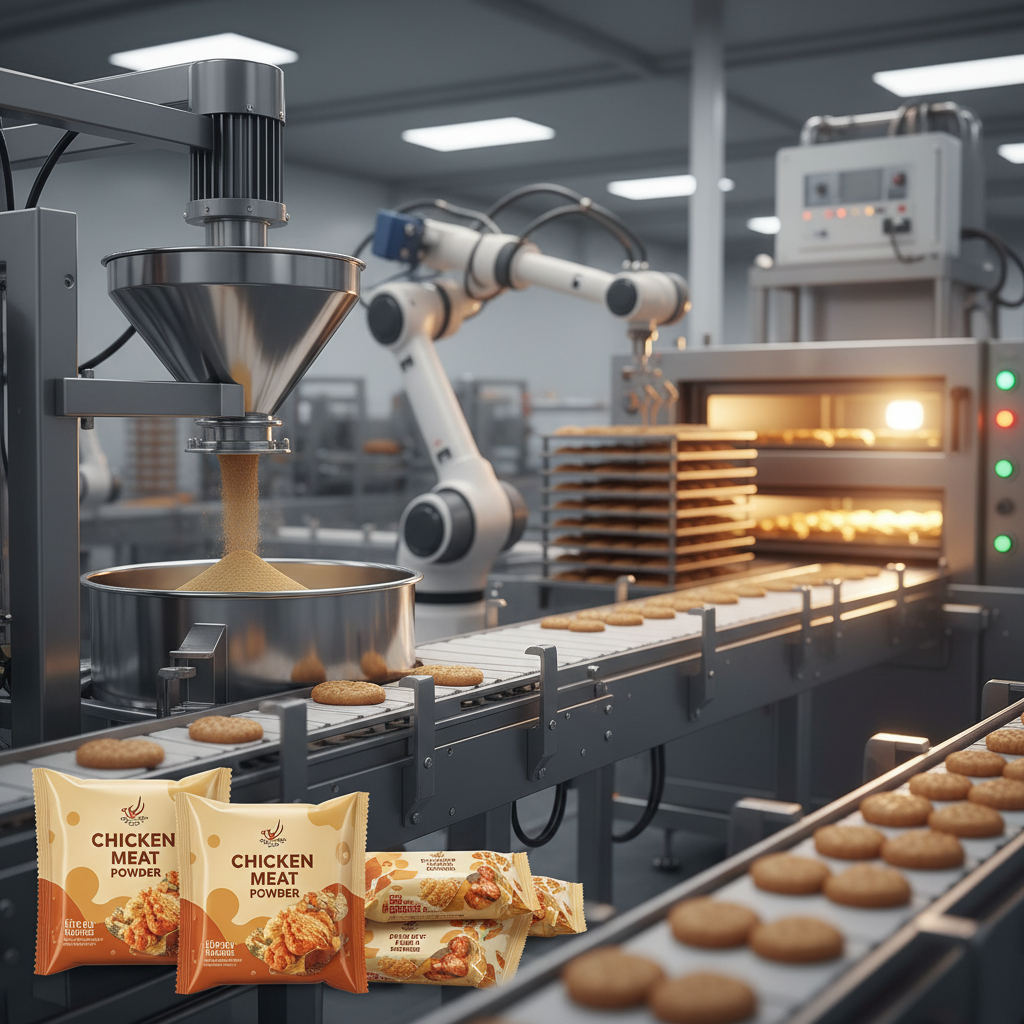
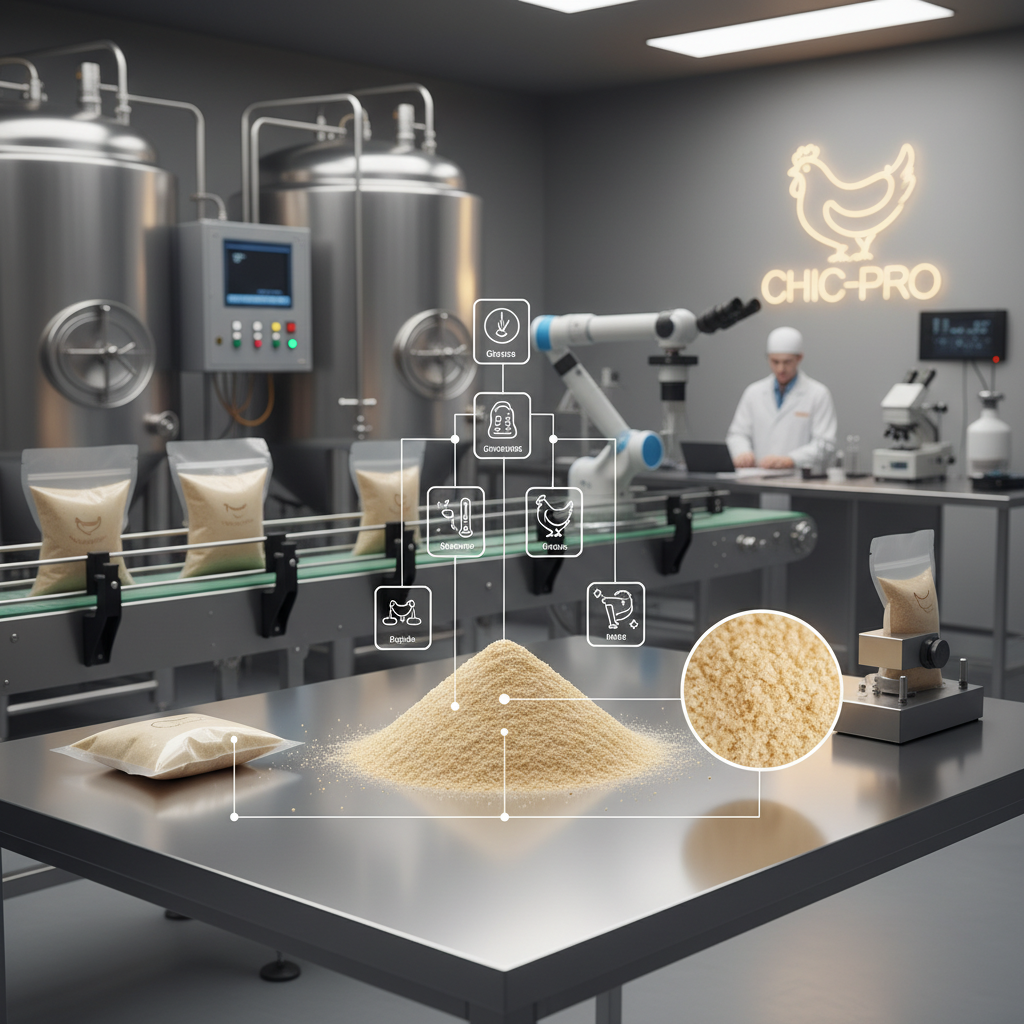
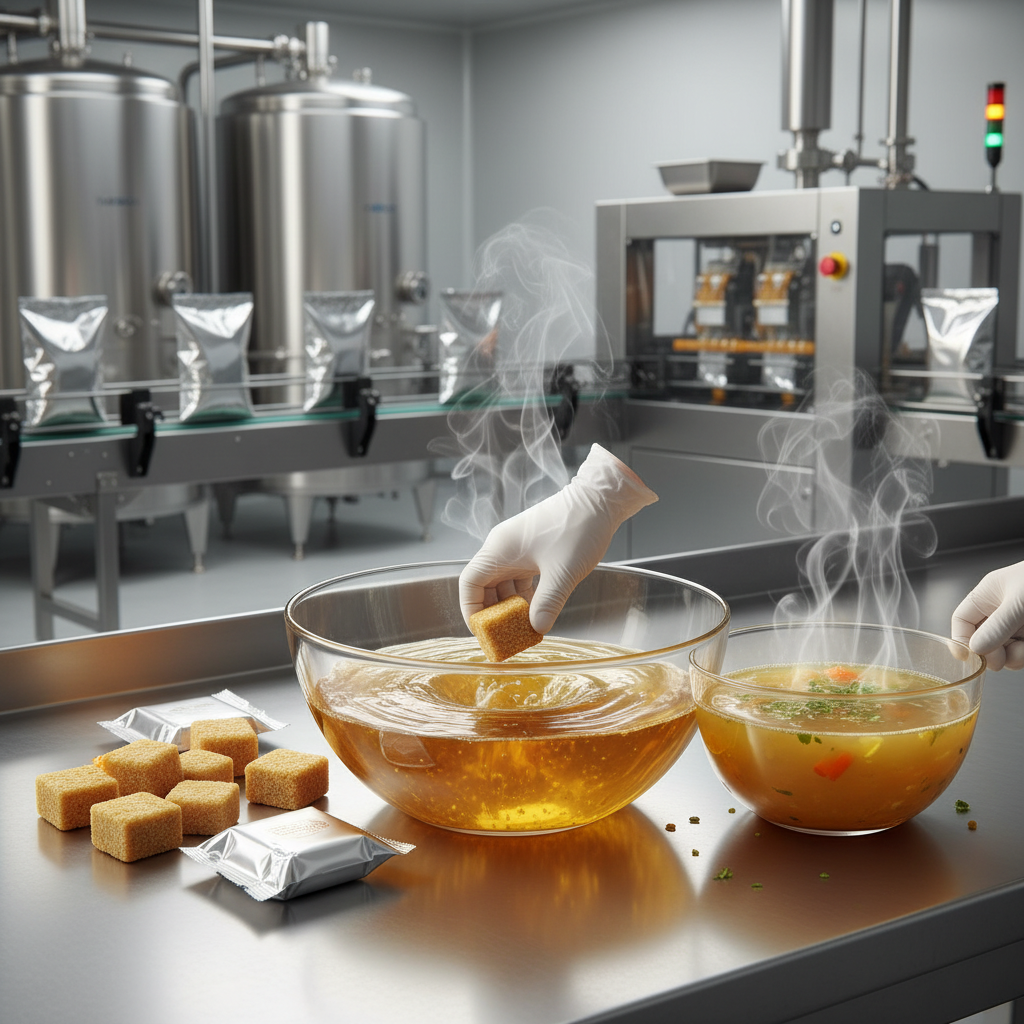
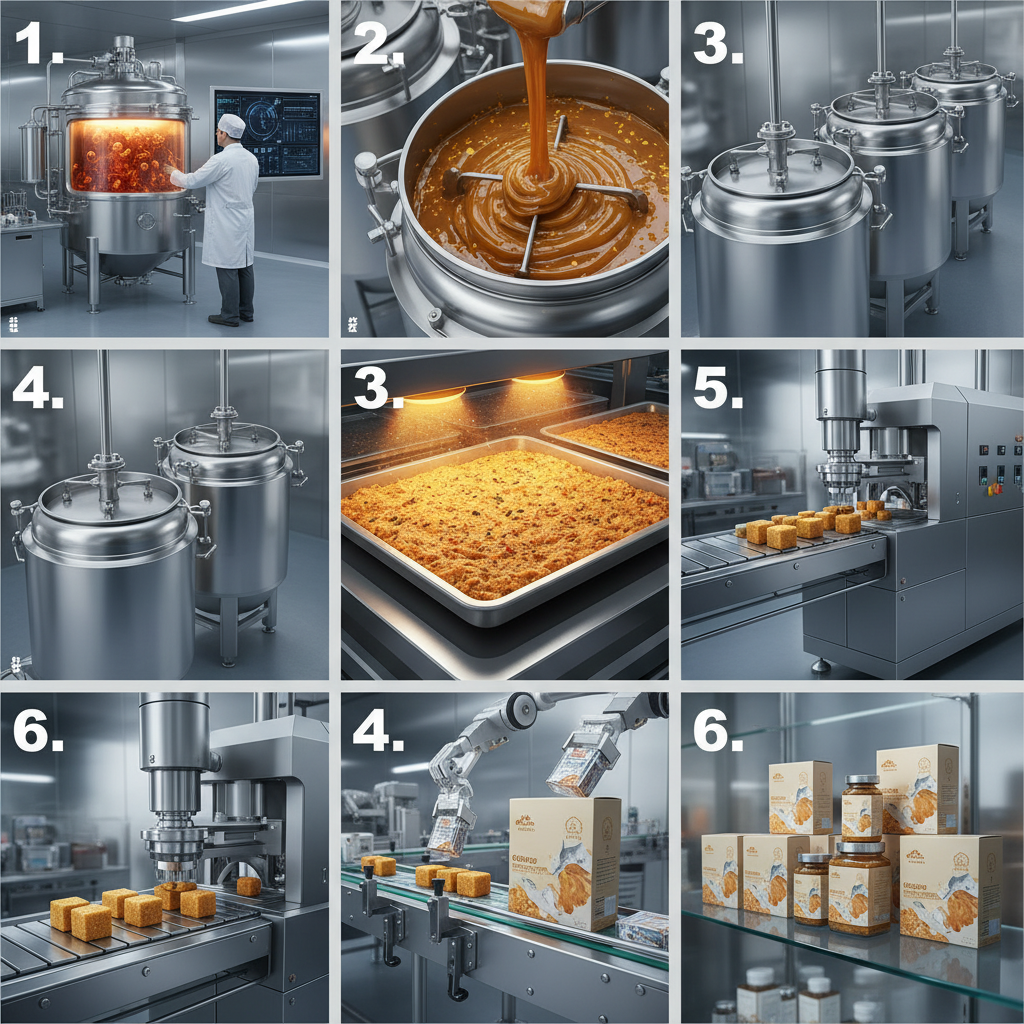
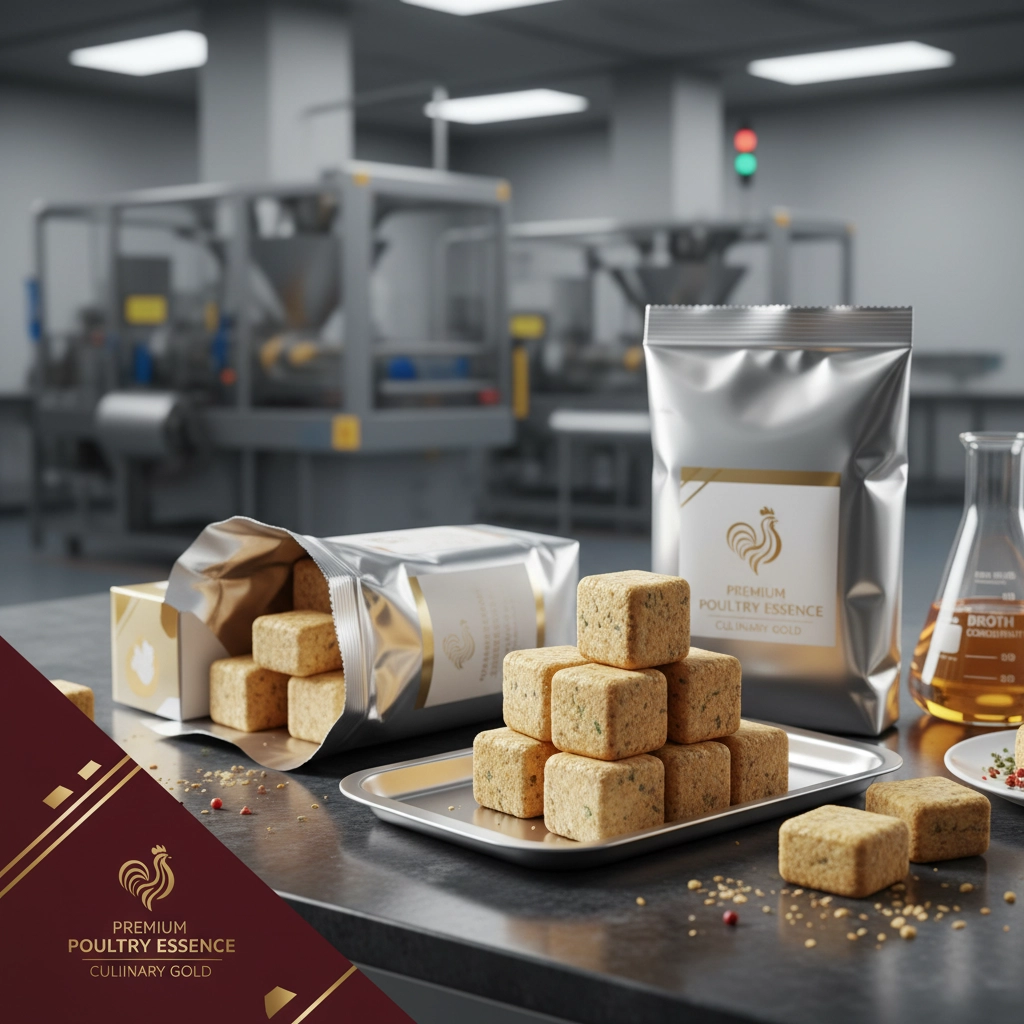
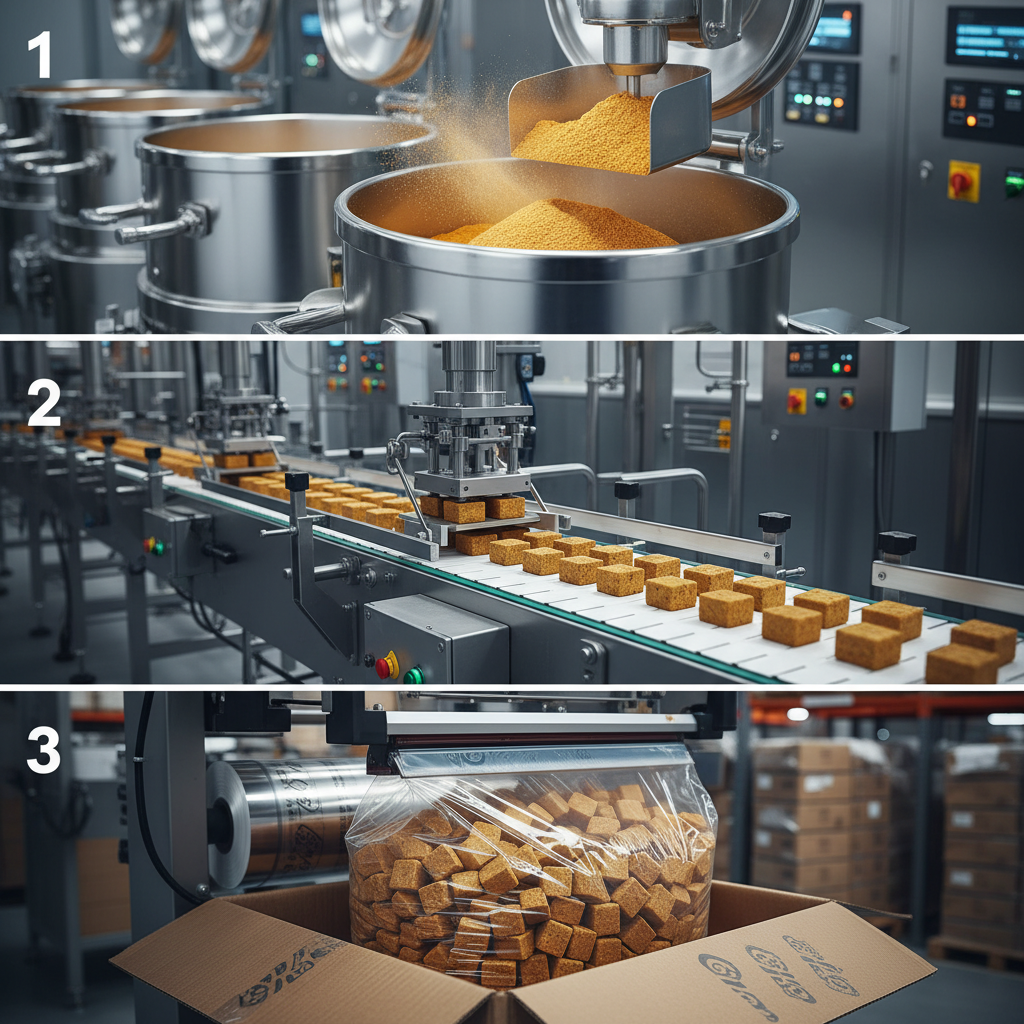
In the modern food processing landscape, chicken meat powder has emerged as a pivotal ingredient for manufacturers seeking to balance authentic flavor with industrial efficiency. As a concentrated source of protein and savory umami, this additive streamlines the production of everything from instant soups to high-end pet foods, providing a consistent taste profile that raw ingredients often lack.
The global shift toward convenience foods and the rising demand for protein-fortified products have pushed the food additive industry to refine the production of meat-based powders. By reducing moisture content and stabilizing essential nutrients, chicken meat powder allows for longer shelf lives and simplified logistics, effectively bridging the gap between fresh poultry and processed convenience.
Understanding the technical nuances of this ingredient—from its spray-drying process to its amino acid profile—is essential for quality control and regulatory compliance. Whether used as a feed additive for livestock or a flavor enhancer in human consumption, the strategic application of this powder ensures cost-effectiveness without compromising the sensory experience of the final product.
Global Relevance of Chicken Meat Powder
On a global scale, the demand for protein-rich ingredients is accelerating, driven by population growth and the industrialization of the food supply chain. chicken meat powder plays a critical role in this ecosystem, as it allows for the efficient transport of protein across borders without the need for expensive cold-chain logistics. Data from global food trade reports indicate that dehydrated meat products are seeing a steady increase in CAGR, particularly in emerging markets where food security and affordable nutrition are top priorities.
However, the industry faces a significant challenge: maintaining the organoleptic properties of the meat—the smell, taste, and color—after dehydration. Traditional drying methods often degrade the proteins or oxidize the fats, leading to off-flavors. This is where advanced manufacturing processes come into play, ensuring that the final chicken meat powder retains the biological value and savory appeal required by pharmaceutical and food-grade standards.
Defining Chicken Meat Powder in Modern Industry
Simply put, chicken meat powder is a dehydrated, concentrated form of poultry meat, processed into a fine powder through techniques such as spray drying or freeze drying. Unlike simple bouillon or flavor enhancers, true meat powder contains a significant percentage of actual animal protein, making it a functional ingredient rather than just a seasoning. This distinction is vital for companies producing nutritional supplements or high-protein animal feeds.
In the context of modern industry, this powder serves as a versatile raw material. It bridges the gap between raw agricultural output and refined consumer goods. By transforming perishable chicken meat into a stable powder, manufacturers can eliminate the volatility of raw meat prices and ensure a steady supply of ingredients regardless of seasonal fluctuations in poultry farming.
Beyond the commercial aspect, there is a humanitarian dimension to this technology. In regions plagued by food instability or in post-disaster relief operations, nutrient-dense powders provide a lightweight, shelf-stable way to deliver essential amino acids to vulnerable populations. This makes chicken meat powder not just a commercial product, but a tool for global nutritional support.
Core Technical Components and Quality Factors
The quality of chicken meat powder is primarily determined by its protein concentration and its solubility. High-grade powders are characterized by a low moisture content (usually below 5%), which inhibits microbial growth and prevents the degradation of lipids. Ensuring a consistent particle size is also crucial for seamless integration into automated mixing systems in large-scale factories.
Another critical factor is the "Umami Profile," which depends on the presence of free glutamates and nucleotides naturally occurring in the poultry. When processing chicken meat powder, maintaining the temperature during the drying phase is essential to prevent the Maillard reaction from over-darkening the powder, which would otherwise alter the flavor profile and visual appeal of the final food product.
Finally, purity and safety are paramount. In the pharmaceutical and food additive sectors, the absence of contaminants, antibiotics, and heavy metals is non-negotiable. Rigorous screening and the use of ISO-certified processing plants ensure that the chicken meat powder meets international safety standards, allowing it to be used in sensitive applications like infant formula or medicinal protein supplements.
Efficiency and Scalability in Production
From a manufacturing perspective, the adoption of chicken meat powder offers unparalleled scalability. Compared to working with fresh meat, which requires immense refrigeration capacity and suffers from rapid spoilage, the powder form allows for high-density storage and rapid dispersion in liquid bases. This reduces the operational footprint of food plants and lowers the energy costs associated with cold-chain maintenance.
Furthermore, the precision of dosing in industrial mixers is significantly improved when using a homogenized powder. This ensures that every batch of product—whether it be a thousand gallons of soup or ten thousand tons of livestock feed—has the exact same nutritional and flavor characteristics, reducing waste and improving brand consistency.
Comparative Performance of Chicken Meat Powder Processing Methods
Global Applications and Use Cases
The versatility of chicken meat powder allows it to penetrate multiple diverse industries. In the food sector, it is the backbone of "instant" products—cubes, sachets, and dehydrated meals—where it provides a rich, meaty base that rehydrates instantly. In the pharmaceutical sector, it is used as a precursor for specific amino acid intermediates or as a protein booster in specialized dietary supplements for patients recovering from muscle atrophy.
Beyond human consumption, the livestock and aquaculture industries rely heavily on this product as a high-value feed additive. In remote industrial zones or aquaculture farms in Southeast Asia, adding chicken meat powder to fish or poultry feed significantly improves growth rates and overall animal health by providing essential lipids and proteins that are otherwise expensive to source locally.
Long-Term Value and Sustainability
Investing in chicken meat powder offers significant long-term economic value. By utilizing parts of the poultry that might otherwise be wasted in a traditional butchery process, the production of meat powder promotes a "zero-waste" circular economy. This not only reduces the environmental impact of poultry farming but also lowers the cost of raw materials for the manufacturer.
From a social impact perspective, the reliability of powdered proteins enhances food security. Because chicken meat powder does not require constant refrigeration, it can be stored in strategic reserves and deployed quickly to regions experiencing food shortages or agricultural failures, ensuring a baseline of protein intake for the population.
Ultimately, the trust placed in these additives comes from their standardization. In an era where consumers demand transparency, the ability to provide a certified analysis of the amino acid profile and purity of the powder creates a bond of trust between the manufacturer and the end consumer, fostering long-term brand loyalty and market stability.
Future Innovations and Industry Trends
The future of chicken meat powder is being shaped by the intersection of biotechnology and digital transformation. We are seeing a shift toward "precision nutrition," where powders are customized with specific fortified vitamins or minerals depending on the target end-user. Automation in the spray-drying process, powered by AI-driven sensors, now allows for real-time adjustments to temperature and flow, ensuring an even more consistent particle size and flavor profile.
Sustainability is also driving a move toward "green" processing. New energy-efficient drying technologies are reducing the carbon footprint of chicken meat powder production, utilizing waste heat recovery systems and renewable energy sources. This aligns the product with global ESG (Environmental, Social, and Governance) goals, making it more attractive to multinational corporations.
Moreover, the rise of the "clean label" movement is pushing manufacturers to eliminate synthetic carriers and anti-caking agents. The next generation of meat powders will rely on natural stabilizers and organic processing aids, ensuring that the product remains "all-natural" while maintaining the industrial convenience that makes it so valuable.
Comprehensive Analysis of Chicken Meat Powder Industry Standards
|
Grade Level
|
Primary Application
|
Protein Purity (%)
|
Stability Rating (1-10)
|
| Pharmaceutical Grade |
Medical Supplements |
> 85% |
10 |
| Food Grade A |
Premium Instant Foods |
70% - 80% |
9 |
| Food Grade B |
Budget Seasonings |
50% - 65% |
8 |
| Feed Grade Premium |
High-End Pet Food |
60% - 75% |
8 |
| Feed Grade Standard |
Livestock Feed |
40% - 55% |
7 |
| Industrial Grade |
Generic Additives |
< 40% |
6 |
FAQS
Chicken bouillon is primarily a flavor enhancer consisting of salt, MSG, and a small amount of meat extract. In contrast, chicken meat powder is a concentrated protein product. It contains a much higher percentage of actual meat solids and is used both for flavor and as a nutritional protein source in food and feed applications.
When stored in a cool, dry place in airtight packaging, high-quality chicken meat powder typically has a shelf life of 12 to 24 months. The low moisture content prevents bacterial growth, though keeping it away from direct sunlight and humidity is crucial to prevent lipid oxidation and clumping.
No, because chicken meat powder is derived from animal proteins, it is not suitable for vegan or vegetarian products. However, it is widely used in "hybrid" meat products to enhance the taste of plant-based proteins for consumers who are transitioning to a more plant-heavy diet but still desire a meaty flavor.
Yes, provided it is "Pharmaceutical Grade." This grade undergoes stricter filtration and purification to remove all impurities and ensure a high protein-to-fat ratio. It is often used in specialized clinical nutrition products to provide easily absorbable amino acids to patients with specific dietary restrictions.
The production of chicken meat powder promotes sustainability by utilizing poultry by-products that would otherwise enter the waste stream. By converting these into a value-added ingredient, the industry reduces landfill waste and lowers the overall environmental footprint of meat production.
Solubility depends on the particle size and the fat content of the chicken meat powder. We recommend using a high-shear mixer or pre-blending the powder with a small amount of warm water before adding it to the main batch. Choosing a spray-dried powder usually ensures better solubility than drum-dried alternatives.
Conclusion
In summary, chicken meat powder is far more than a simple additive; it is a sophisticated industrial solution that addresses the global need for protein efficiency, taste consistency, and waste reduction. From its role in enhancing the flavor of convenience foods to its critical application in high-protein animal feeds and pharmaceutical intermediates, this versatile ingredient optimizes every stage of the production chain. By balancing technical purity with sensory appeal, it allows manufacturers to scale their operations while maintaining high quality standards.
Looking forward, the integration of green processing and precision biotechnology will only further enhance the value of chicken meat powder. Companies that adopt these innovative, sustainable versions of meat proteins will be better positioned to meet the demands of a conscious global consumer base. We invite you to explore how our high-grade additives can transform your production efficiency. Visit our website: www.chinaseasoning.com