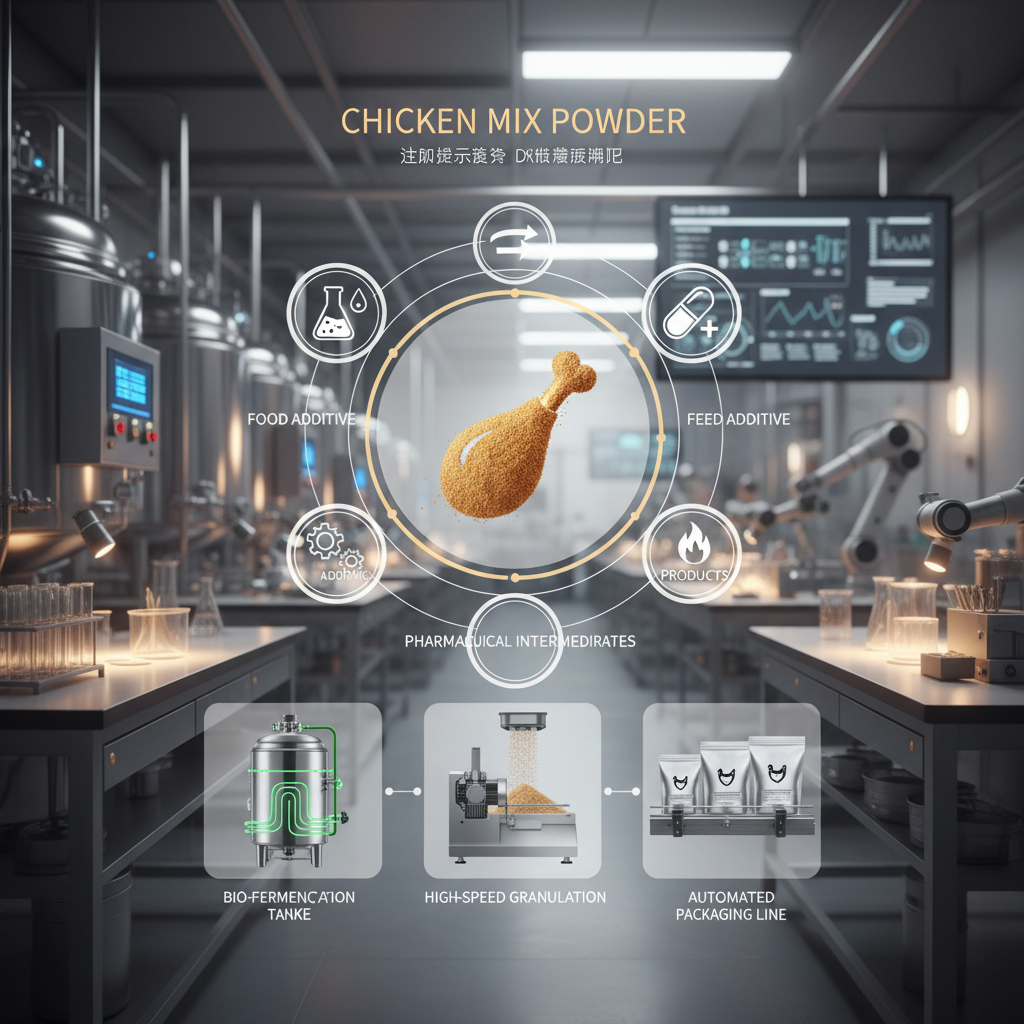
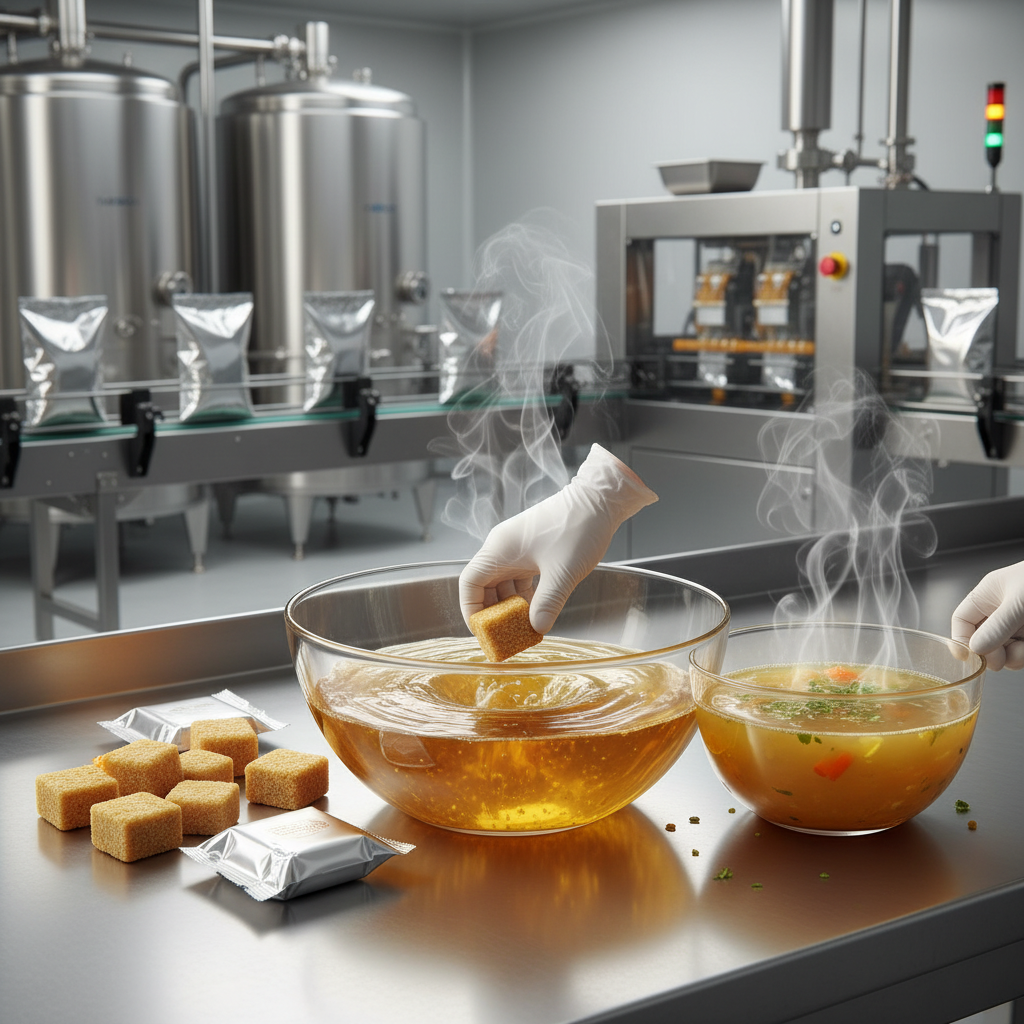
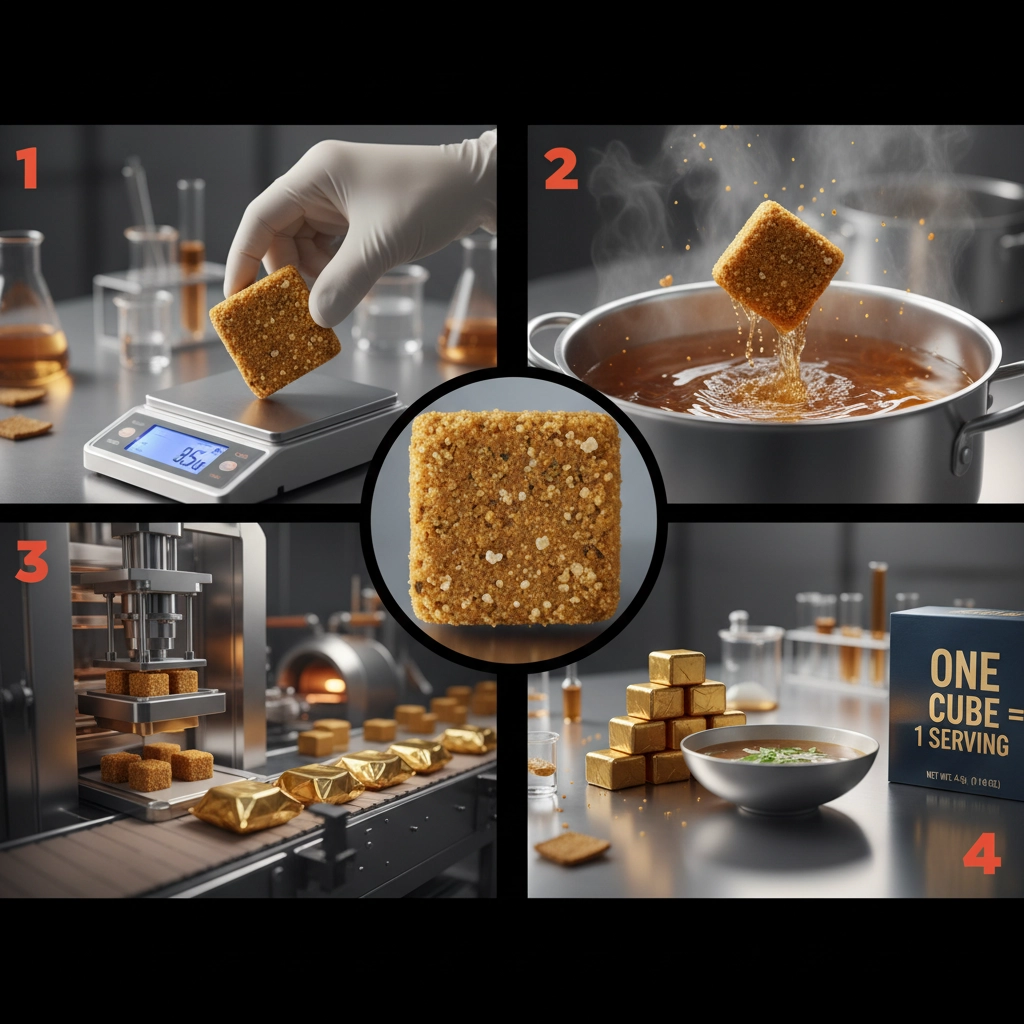
In the competitive landscape of global food manufacturing, the demand for consistent, high-quality flavor profiles has led to the widespread adoption of chicken mix powder. This specialized additive serves as a cornerstone for industrial kitchens and food processors, providing a standardized base that ensures every batch of product tastes identical, regardless of where it is produced. By integrating a precise blend of savory enhancers, salts, and aromatic spices, manufacturers can significantly reduce prep time while maintaining an authentic poultry flavor profile.
The global relevance of these seasoning solutions is underscored by the rising consumption of processed convenience foods across Asia and Africa. According to food industry trends aligned with ISO quality standards, the shift toward "ready-to-eat" meals has created a critical need for stable, powdered bases that can withstand various processing temperatures and shelf-life requirements. The primary challenge addressed by chicken mix powder is the volatility of raw chicken flavor and the high cost of fresh ingredient sourcing at a massive scale.
Understanding the chemistry and application of these mixes allows brands to scale their operations without sacrificing the sensory experience of the consumer. Whether used in snacks, instant noodles, or marinated meats, the right formulation acts as a bridge between industrial efficiency and culinary excellence. This guide explores the technical dimensions, global applications, and future innovations of this essential food additive.
Global Industry Context of Chicken Mix Powder
The integration of chicken mix powder into the global supply chain reflects a broader movement toward food security and standardization. As urbanization increases, the demand for proteins that can be flavored consistently across different geographic regions has surged. This powder isn't just a seasoning; it's a logistical solution that eliminates the need for transporting bulky, perishable fresh aromatics.
From an economic perspective, the adoption of high-grade powders allows manufacturers in emerging markets to compete with established global brands by ensuring a "gold standard" taste. By leveraging pharmaceutical-grade precision in additive manufacturing, the industry can now offer customized profiles—ranging from traditional Western savory to East Asian umami—tailored to local palate preferences.
Technical Definition and Industrial Meaning
At its core, chicken mix powder is a complex composite of dehydrated chicken extracts, maltodextrins, salt, and a proprietary blend of spices designed to replicate the deep, savory essence of slow-cooked poultry. Unlike simple bouillon cubes, industrial-grade mixes are engineered for solubility and stability, ensuring that the powder disperses evenly in large-scale vats without clumping or separating.
In the context of modern food chemistry, this product represents the intersection of convenience and nutrition. By utilizing spray-drying and freeze-drying technologies, the volatile aromatic compounds of chicken are captured and preserved in a dormant state. This allows food scientists to manipulate the "mouthfeel" and "aftertaste" of the final product, ensuring that the savory notes linger appropriately on the palate.
Beyond the culinary aspect, this powder addresses humanitarian needs by providing a nutrient-dense, flavor-rich additive for fortified foods in regions with limited access to fresh livestock. Its long shelf life and ease of transport make it an invaluable tool for NGOs and international aid agencies looking to improve the palatability of emergency food rations.
Core Components for Maximum Flavor Impact
The effectiveness of any chicken mix powder depends heavily on the quality of its base proteins. High-grade chicken extracts provide the foundational "umami" that triggers a savory response in the brain, making the food more satisfying and craveable.
Crucial to the stability of the mix are the carriers, such as maltodextrin or corn starch, which prevent the chicken mix powder from absorbing moisture (caking). This ensures that the powder remains free-flowing, which is vital for automated dosing systems in large-scale factories.
Finally, the aromatic layer—consisting of onion, garlic, and white pepper—is what transforms a generic salty taste into a recognizable chicken flavor. The precision of these ratios determines whether the product is perceived as "home-style" or "industrial," allowing brands to position their products in different market segments.
Key Performance Factors and Efficiency
When evaluating a chicken mix powder, manufacturers focus on four primary metrics: solubility, stability, flavor intensity, and cost-per-serving. High solubility is non-negotiable for instant soup applications, where the powder must dissolve in seconds without leaving gritty residue.
Furthermore, scalability is a key driver; a mix that works in a 5-liter pot must perform identically in a 5,000-liter industrial mixer. The following data illustrates how different formulation methods impact the overall performance rating of the resulting mix.
Efficiency Comparison of Chicken Mix Powder Formulations
Global Applications and Diverse Use Cases
The versatility of chicken mix powder allows it to penetrate multiple industry verticals. In the snack food industry, it is a primary component for extruded corn puffs and potato chips, where it is applied via electrostatic spraying to ensure a uniform coating. In the beverage sector, it forms the base for bouillon-style drinks and savory broths common in East Asian culinary traditions.
Beyond commercial food production, the product is vital in institutional catering, such as in military barracks or remote industrial mining camps. In these high-pressure environments, the ability to generate a nutritious, flavorful meal from a shelf-stable powder reduces waste and ensures that personnel receive a consistent diet regardless of the geographic isolation of their posting.
Long-Term Value and Economic Advantages
The adoption of chicken mix powder provides tangible economic benefits by stabilizing food costs. Fresh poultry prices fluctuate wildly based on seasonal demand and avian health trends; however, a powdered additive allows manufacturers to hedge against these risks by purchasing bulk supplies with a long shelf life.
From a sustainability angle, the powder reduces the carbon footprint associated with the cold chain. By removing the need for refrigerated transport of liquid bases or fresh meat extracts, companies can lower their energy consumption and reduce the likelihood of spoilage-related waste.
Ultimately, the long-term value lies in trust and brand loyalty. When a consumer buys a product in New York and finds it tastes exactly the same as it did in Tokyo, that consistency is powered by the precision of the additive. This reliability builds a psychological bond of safety and quality between the brand and the consumer.
Future Trends in Seasoning Innovation
The future of chicken mix powder is leaning heavily toward "Clean Label" initiatives. Consumers are increasingly demanding the removal of artificial MSG and synthetic colors. This is driving innovation in fermentation-based umami enhancers, where natural yeasts are used to create the same savory depth without the controversial additives.
Digital transformation is also playing a role through "smart formulation." AI is now being used to analyze consumer taste data in real-time, allowing manufacturers to tweak the ratios of their chicken mixes to match shifting regional preferences. This means we will likely see "Hyper-Local" versions of the same powder, optimized for specific cities or demographic groups.
Furthermore, the shift toward plant-based alternatives is creating a new category of "Vegan Chicken Mix Powder." By utilizing hydrolyzed pea protein and specific mushroom extracts, chemists are replicating the exact molecular profile of chicken flavor, allowing the same industrial processes to be used for plant-based meat alternatives.
Comparative Analysis of Chicken Mix Powder Innovation Trends
|
Innovation Driver
|
Technical Approach
|
Impact on Flavor
|
Market Adoption Rate
|
| Clean Label |
Natural Yeast Extract |
Pure, less artificial |
High (8/10) |
| Plant-Based |
Hydrolyzed Pea Protein |
Mimics animal protein |
Rapid (9/10) |
| Low Sodium |
Potassium Salt Blends |
Mild, health-focused |
Steady (6/10) |
| AI-Optimization |
Data-Driven Ratios |
Hyper-localized |
Emerging (4/10) |
| Eco-Packaging |
Biodegradable Films |
No change to taste |
Moderate (7/10) |
| Fortification |
Micro-nutrient Addition |
Slightly metallic |
Growing (5/10) |
FAQS
Industrial chicken mix powder is engineered for large-scale consistency and high solubility. It uses advanced spray-drying techniques to ensure the flavor remains stable across thousands of liters of product, whereas home bouillon is designed for small batches and often contains higher levels of clumping agents that are unsuitable for automated industrial dosing systems.
When stored in airtight, moisture-proof packaging in a cool, dry place, most industrial mixes have a shelf life of 12 to 24 months. The use of anti-caking agents like silicon dioxide helps maintain the flowability and prevents the oxidation of the aromatic oils, ensuring the taste remains consistent from the first day to the last.
Standard chicken mix powder contains animal extracts. However, there are specialized "chicken-flavored" vegan versions that use hydrolyzed plant proteins and yeast extracts to replicate the savory profile. Manufacturers should specifically request "Plant-Based" or "Vegan" certified versions for these applications.
Yes, most professional-grade mixes are designed to withstand the high heat of extrusion and baking. However, some volatile aromas can be lost at extreme temperatures. We recommend utilizing a heat-stable version of the mix or applying the powder as a post-process coating for maximum flavor intensity.
Reducing sodium usually diminishes the perceived intensity of flavor. To counter this, we suggest using a mix enriched with natural umami enhancers like mushroom extract or yeast lysate. These compounds trick the taste buds into perceiving a fuller, saltier flavor without actually increasing the sodium levels.
Importing chicken mix powder requires compliance with local food safety authorities (such as the FDA or EFSA). Ensure your supplier provides a complete Certificate of Analysis (COA), an MSDS sheet, and health certificates. Our team can assist in providing the necessary documentation to streamline customs clearance.
Conclusion
In summary, chicken mix powder is far more than a simple seasoning; it is a strategic industrial tool that enables global flavor standardization, cost reduction, and operational efficiency. By balancing the technical requirements of solubility and stability with the sensory demands of the consumer, this additive allows food manufacturers to scale their reach while maintaining the integrity of their taste profile.
As the industry moves toward cleaner labels and plant-based innovations, the role of advanced seasoning chemistry will only become more critical. We encourage manufacturers to invest in high-quality, stable formulations that not only meet current regulatory standards but also anticipate the health-conscious trends of tomorrow. For premium seasoning solutions tailored to your industrial needs, visit our website: www.chinaseasoning.com