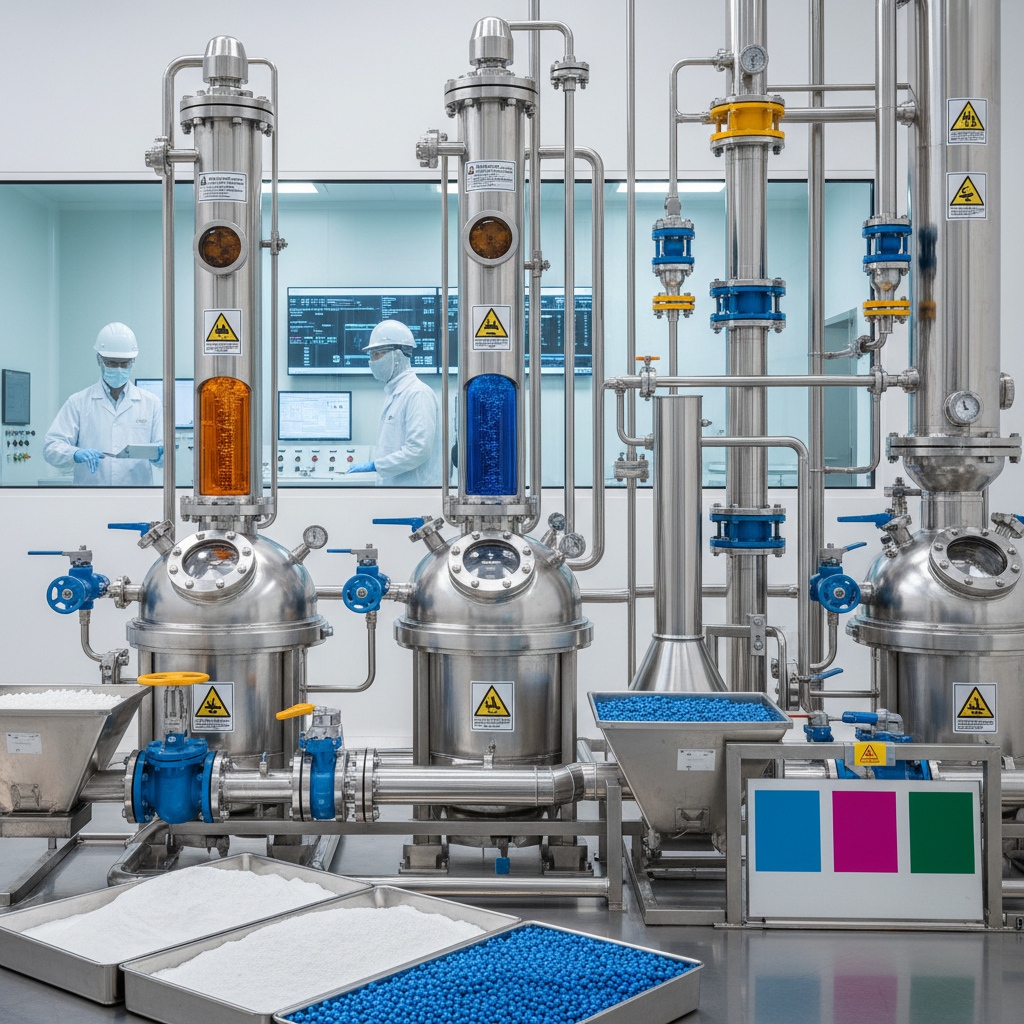
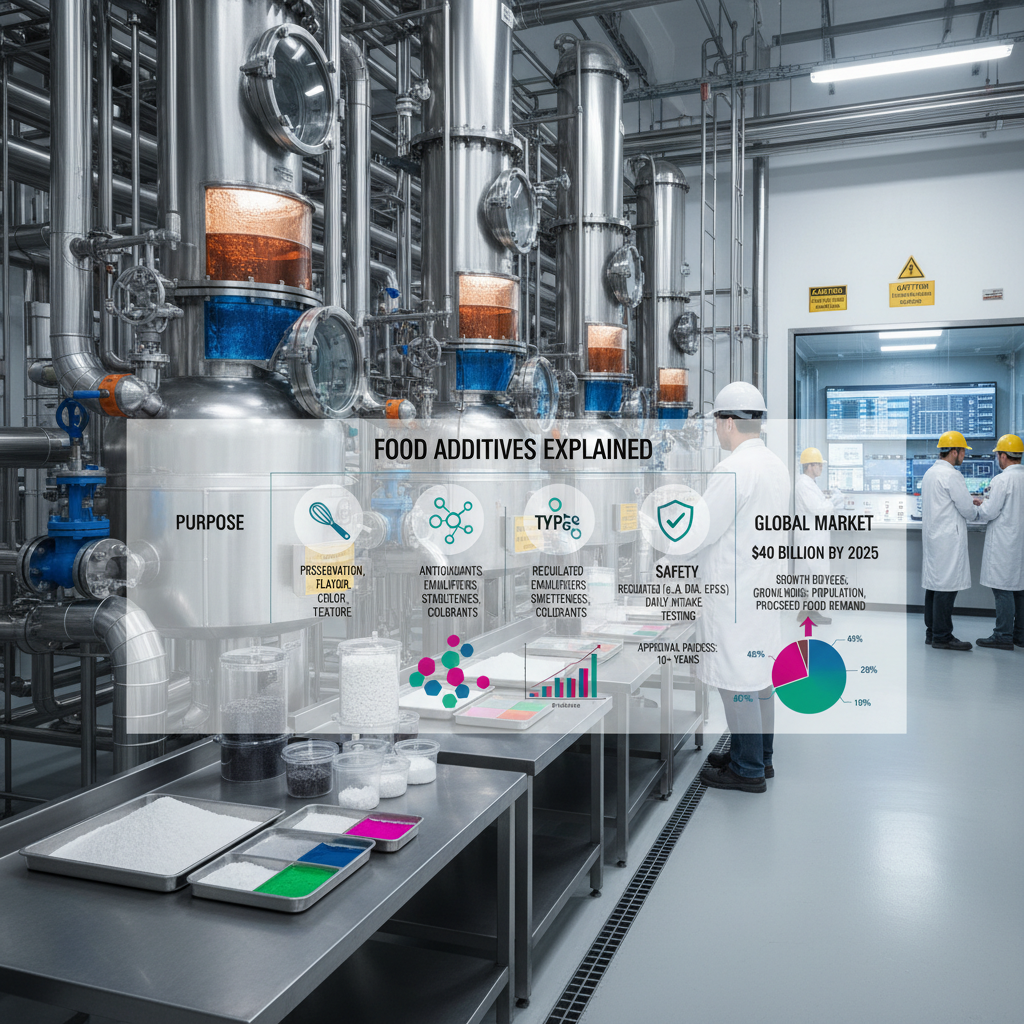
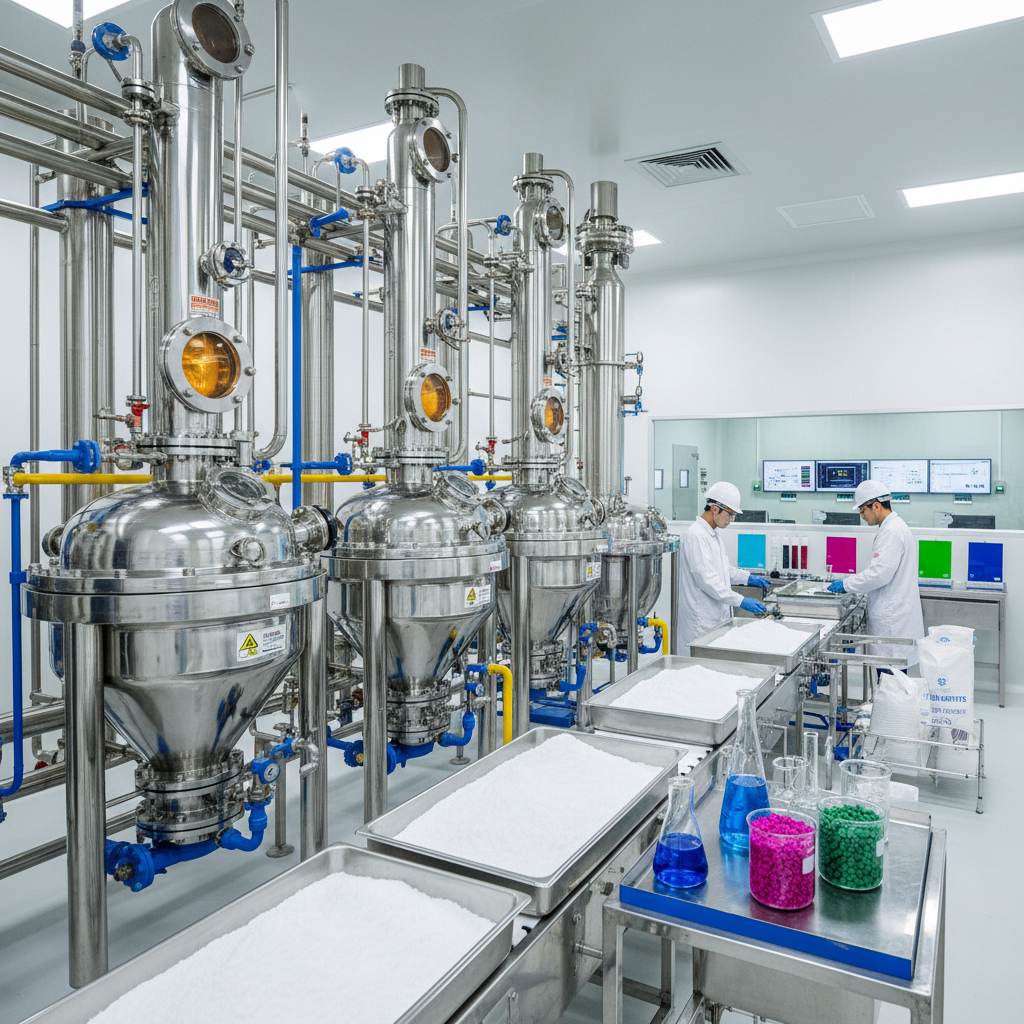
In the modern food landscape, the ability to explain food additives is not just a regulatory requirement but a cornerstone of consumer trust and food safety. As global supply chains expand, these substances play a pivotal role in ensuring that food remains shelf-stable, nutritious, and palatable across thousands of miles, effectively bridging the gap between harvest and consumption.
Understanding these ingredients allows manufacturers to optimize product quality while adhering to stringent international health standards. By decoding the chemistry behind preservatives, emulsifiers, and stabilizers, the industry can move away from misconceptions and toward a transparent, science-based approach to nutrition that benefits both the producer and the end consumer.
Ultimately, when we explain food additives, we highlight the intersection of biotechnology and culinary art. This comprehensive guide aims to demystify these components, exploring their functions, their safety profiles, and how they integrate into the broader categories of feed additives and pharmaceutical intermediates to support global health.
Global Relevance of Food Additive Science
On a global scale, the necessity to explain food additives arises from the urgent need to combat food insecurity and waste. According to data aligned with FAO and WHO standards, a significant percentage of food loss occurs due to spoilage during transport. Additives serve as the primary defense mechanism, extending shelf life and ensuring that essential nutrients reach remote populations without degrading.
Furthermore, the standardization of these substances via the Codex Alimentarius ensures that trade between nations is safe and efficient. When manufacturers can clearly explain food additives used in their processes, it reduces trade barriers and fosters international cooperation in the food and pharmaceutical intermediate sectors, ensuring a consistent quality of life regardless of geography.
Defining the Role of Food Additives
To simply explain food additives, they are substances added to food to maintain or improve its safety, freshness, taste, texture, or appearance. While often viewed with suspicion by the general public, they are essential tools that allow for the mass production of safe food. They range from naturally occurring substances, like citric acid from citrus fruits, to synthetic compounds designed for specific stability goals.
In the context of modern industry, these additives are not merely "extras" but are integral to the structural integrity of food. For example, emulsifiers prevent oil and water from separating in processed foods, while antioxidants prevent the oxidation of fats, which would otherwise lead to rancidity and unpleasant odors. This chemical synergy is what allows the modern supermarket to function.
Beyond human consumption, the logic used to explain food additives extends to feed additives for livestock and pharmaceutical intermediates. These categories share a common goal: the precise modification of a biological or chemical environment to achieve a desired health or stability outcome, demonstrating a unified approach to chemical manufacturing and biological wellness.
Core Components of High-Quality Additives
When we analyze the pillars that support the industry, the first key factor is Purity and Stability. To properly explain food additives from a technical perspective, one must highlight that an additive's effectiveness depends on its chemical purity. Any contamination can lead to unpredictable reactions in the final food product, potentially compromising safety or flavor.
The second critical component is Bioavailability and Efficacy. It is not enough for a substance to be present; it must function at the lowest possible concentration to achieve the desired result. This efficiency reduces costs for manufacturers and minimizes the chemical load on the consumer, aligning with the "clean label" trend that currently dominates the global market.
Lastly, Regulatory Compliance acts as the ultimate benchmark. Whether it is FDA approval in the US or EFSA regulations in Europe, the ability to explain food additives through the lens of legal safety thresholds ensures that products can be scaled globally. This involves rigorous testing for toxicity and allergenicity, ensuring a high standard of public health.
Practical Applications Across Industries
The application of these substances varies wildly depending on the end-use. In the beverage industry, acidulants are used to balance flavor and act as preservatives. In the bakery sector, enzymes and emulsifiers are employed to improve the crumb structure and extend the softness of bread. These real-world examples help us explain food additives as functional tools rather than unnecessary fillers.
Moreover, in specialized sectors like pharmaceutical intermediates, the precision of these additives allows for the controlled release of active ingredients. Similarly, in the animal feed industry, additives are crucial for enhancing growth rates and improving the immune response of livestock, proving that the science of additives is a cross-disciplinary necessity for global food security.
Comparative Efficacy of Additive Categories
Tangible Benefits and Long-Term Value
The most immediate advantage of utilizing high-quality additives is the drastic reduction in food waste. By extending the window of viability for perishable goods, we reduce the economic burden on retailers and lower the environmental impact of landfills. When we explain food additives in this light, they become a tool for sustainability rather than a chemical intrusion.
From a logical and emotional standpoint, additives provide peace of mind through safety. The prevention of botulism or other foodborne illnesses is made possible by preservatives that inhibit bacterial growth. This reliability builds a foundation of trust between the manufacturer and the consumer, ensuring that innovation in food science leads to a healthier, more secure global population.
Future Trends in Additive Innovation
The future of the industry is moving toward "Natural-Identical" additives. As consumers demand cleaner labels, the challenge is to explain food additives that are derived from fermentation or plant-based extraction but maintain the potency of synthetic versions. Biotechnology, particularly CRISPR and precision fermentation, is allowing us to create additives that are biologically indistinguishable from nature.
Digital transformation is also playing a role. AI-driven formulation software can now predict how different additives will interact over a product's shelf life, allowing for "precision dosing." This reduces waste and ensures that only the minimum required amount of a substance is used, further enhancing the safety profile of processed foods.
Sustainability is the final frontier. We are seeing a shift toward biodegradable additives and those sourced from upcycled food waste (circular economy). This evolution ensures that the food industry not only feeds the world but does so without leaving a permanent chemical footprint on the planet.
Overcoming Industry Challenges
One of the primary challenges is the "perception gap." Many consumers view any chemical name they cannot pronounce as harmful. The solution lies in education; companies must proactively explain food additives using transparent labeling and consumer-facing science communication to replace fear with factual understanding.
Another limitation is the volatility of raw material costs. To overcome this, manufacturers are diversifying their sourcing and investing in synthetic biology to produce additives locally, reducing reliance on unstable global shipping routes and lowering the overall carbon footprint of production.
Finally, maintaining consistency across different batches remains a technical hurdle. The implementation of IoT-enabled monitoring in factories ensures that temperature, pH, and mixing speeds are optimized in real-time, guaranteeing that every gram of additive performs exactly as intended.
Core Analysis of Industrial Additive Solutions
| Additive Category |
Primary Function |
Safety Rating (1-10) |
Market Trend |
| Preservatives |
Inhibit microbial growth |
9 |
Bio-preservation |
| Emulsifiers |
Stabilize mixtures |
8 |
Plant-based lipids |
| Antioxidants |
Prevent oxidation |
10 |
Natural Tocopherols |
| Acidulants |
pH control/Flavor |
9 |
Fermented acids |
| Stabilizers |
Maintain texture |
8 |
Hydrocolloid blends |
| Sweeteners |
Taste modification |
7 |
Rare sugars |
FAQS
No. To explain food additives correctly, we must distinguish between synthetic and natural additives. Many, such as citric acid or lecithin, occur naturally in foods. All approved additives undergo rigorous safety assessments by global health authorities to ensure they are safe for consumption at the recommended levels.
While both aim to improve stability and nutrition, food additives are regulated for human consumption with a focus on taste and health. Feed additives are tailored for livestock, focusing on growth efficiency, animal health, and the prevention of zoonotic diseases, though they share similar chemical foundations.
Yes. Fortification is a key part of the additive industry. Adding vitamins and minerals (like folic acid in flour or iodine in salt) helps combat widespread nutrient deficiencies in various populations, making the additives a tool for public health improvement.
A clean label refers to a consumer preference for products with fewer, more recognizable ingredients. This pushes the industry to replace complex-sounding synthetic additives with natural alternatives that perform the same function, requiring manufacturers to further explain food additives in simpler terms.
Safety is tested through toxicology studies, including ADI (Acceptable Daily Intake) evaluations. This involves analyzing how the substance is metabolized in the body and ensuring that long-term exposure at specified levels does not cause adverse health effects.
Different regulatory bodies (like the FDA and EFSA) may interpret toxicological data differently or have different risk-tolerance levels. This is why a global understanding to explain food additives is crucial for exporters to ensure their products meet the specific legal requirements of the target market.
Conclusion
In summary, the science behind the need to explain food additives reveals a complex but essential system that sustains the modern global food supply. From extending shelf life and reducing waste to enhancing nutritional profiles and ensuring safety, these components are the unsung heroes of food manufacturing. By focusing on purity, regulatory compliance, and innovative natural alternatives, the industry continues to evolve toward a more transparent and sustainable future.
As we look ahead, the integration of biotechnology and AI will further refine the use of additives, making them more efficient and less intrusive. For manufacturers and distributors, the key to success lies in transparency and the pursuit of high-quality pharmaceutical and food-grade intermediates. We invite you to explore our professional solutions and partner with us in creating a safer, tastier, and more sustainable food future. Visit our website: www.chinaseasoning.com