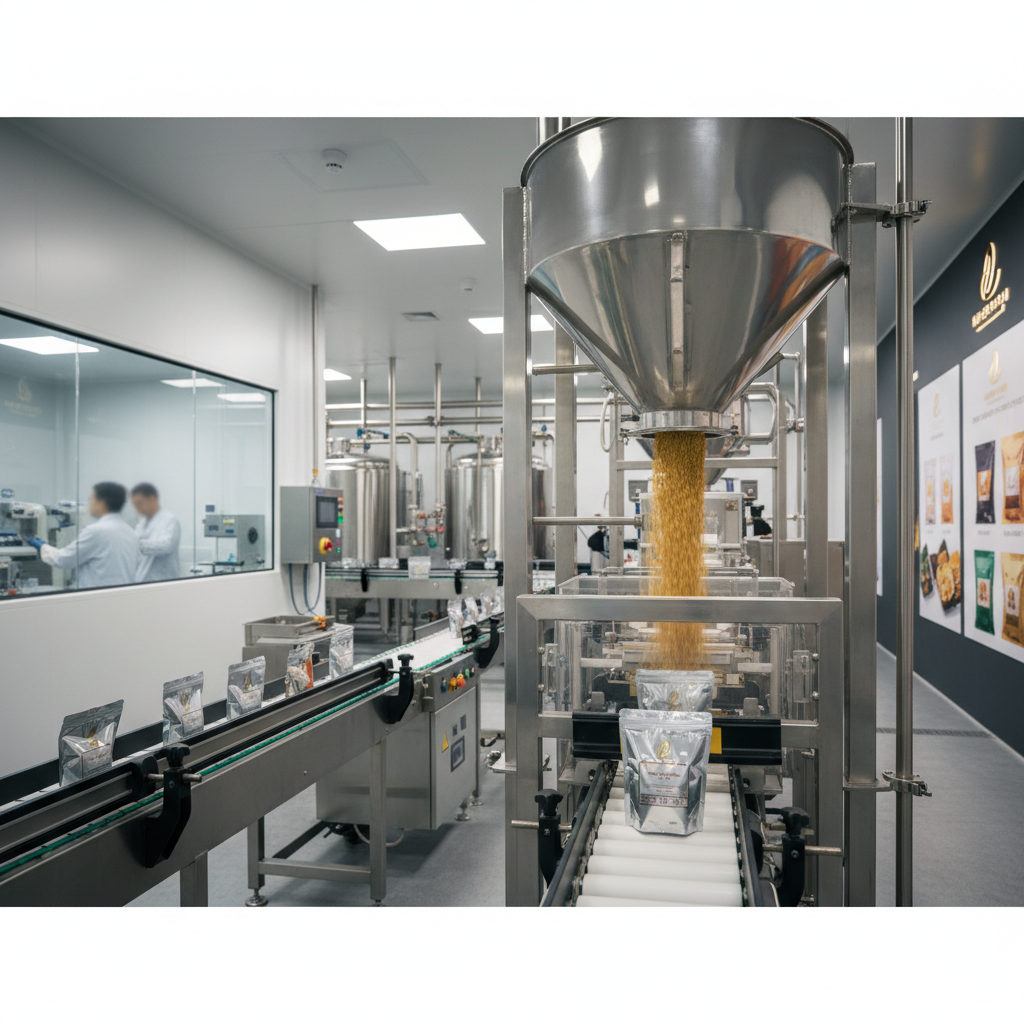
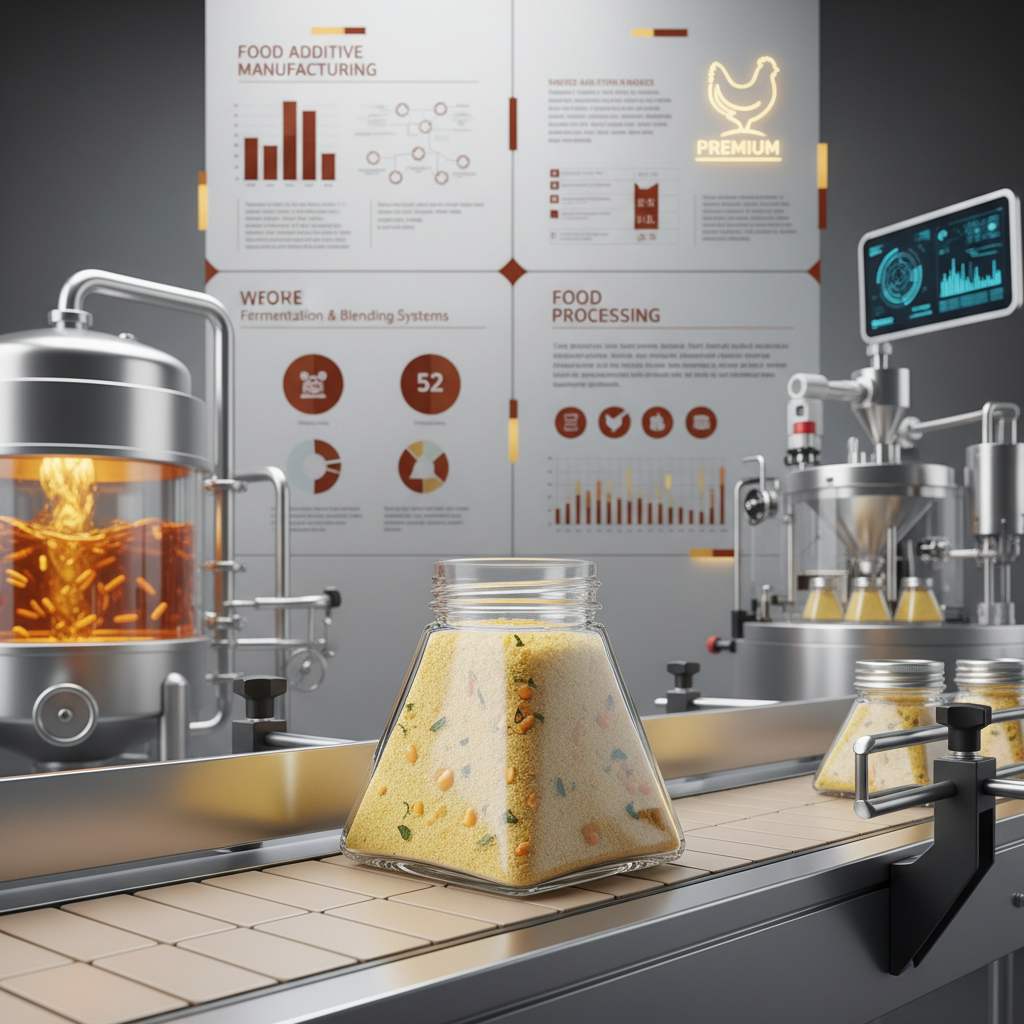
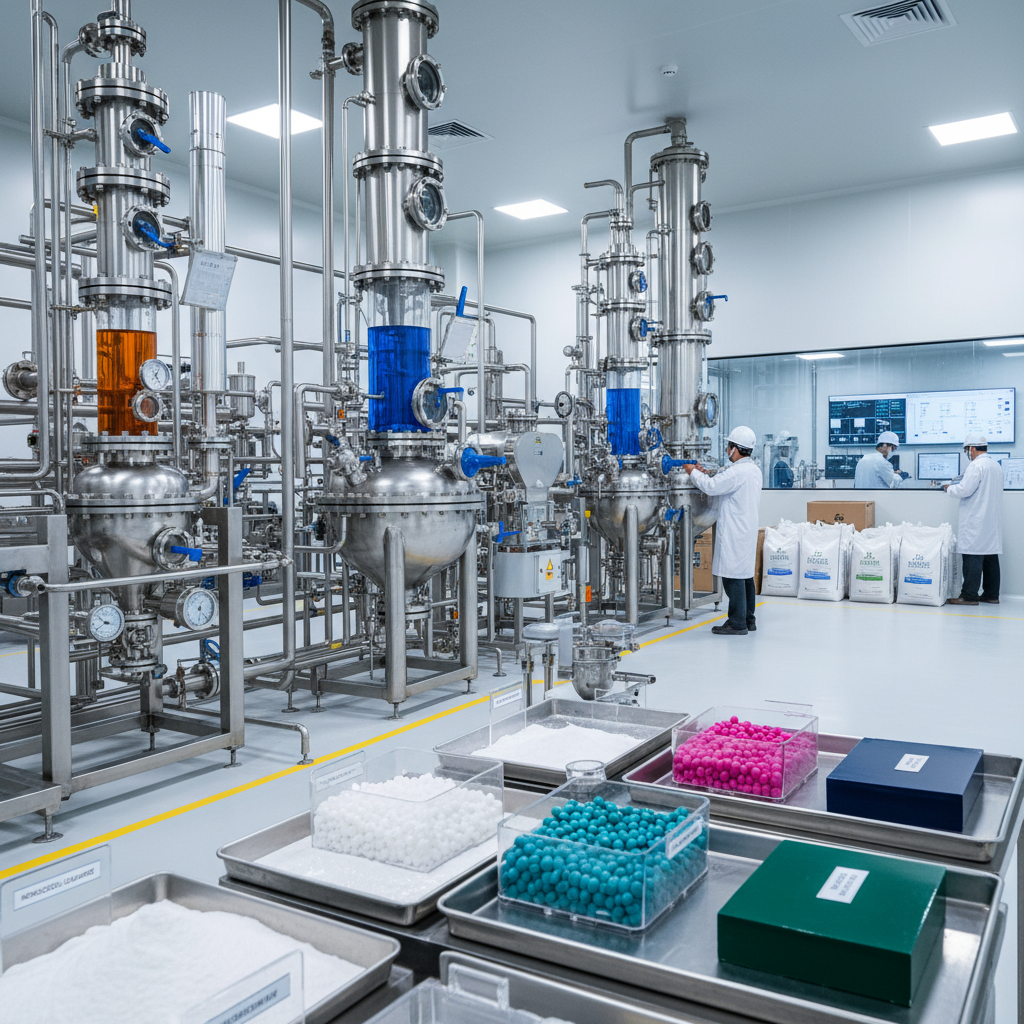
In the competitive landscape of the global food industry, the demand for consistency, flavor depth, and operational efficiency has led to the rise of premium chicken bouillon powder. This specialized food additive serves as a critical bridge between traditional culinary art and industrial scale, allowing manufacturers to replicate the complex, savory profile of slow-simmered chicken stock in a matter of seconds.
Understanding the nuances of high-grade bouillon is essential for businesses aiming to optimize their product lines, from ready-to-eat meals to gourmet snack seasonings. By integrating a high-purity, stable powder, companies can reduce raw material waste and ensure that every batch produced maintains the same gold-standard taste profile regardless of regional variations in fresh poultry.
Ultimately, the adoption of premium chicken bouillon powder is not merely about convenience; it is a strategic move toward sustainable production and cost-effective quality control. As consumer preferences shift toward "clean label" and high-intensity flavors, the science behind these powders continues to evolve, blending biotechnology with traditional taste profiles.
Global Market Relevance of Premium Chicken Bouillon Powder
The global food additive market has seen a significant surge in the adoption of premium chicken bouillon powder, driven by the urbanization of Asia-Pacific and the demand for convenience foods in North America and Europe. According to industry data aligned with ISO quality standards, the efficiency of powdered bases over liquid concentrates has reduced logistics costs by nearly 30% for international food exporters.
However, the industry faces a persistent challenge: the "artificial" taste associated with low-grade substitutes. Many manufacturers struggle to balance cost-reduction with the authentic, mouth-filling sensation of real chicken fat and protein, creating a gap in the market for a truly high-end, natural-tasting solution.
Defining Quality in Premium Chicken Bouillon Powder
At its core, premium chicken bouillon powder is a highly concentrated blend of chicken extracts, salt, flavor enhancers, and carefully selected spices, processed through advanced spray-drying or freeze-drying techniques. Unlike standard bouillon, a "premium" designation implies a higher percentage of actual meat solids and a lower reliance on fillers like maltodextrin.
In the context of modern food manufacturing, this product serves as a critical tool for standardization. It eliminates the variability inherent in fresh livestock, ensuring that a soup produced in a factory in Shanghai tastes identical to one produced in Berlin, which is vital for global brand equity.
Beyond commercial gain, these powders address humanitarian needs in food-insecure regions. Because they are nutrient-dense, shelf-stable, and easy to transport, they provide essential flavor and sodium balance to fortified food programs without the need for refrigeration.
Core Components and Technical Parameters
The purity and solubility of premium chicken bouillon powder are determined by its particle size and the quality of its carriers. High-end versions utilize a precise ratio of chicken essence to salt to ensure rapid dissolution in both hot and cold water without clumping.
Umami synergy is the second pillar of quality. By combining inosinates and guanylates with natural chicken proteins, premium chicken bouillon powder achieves a "long-lasting" flavor profile that persists even after high-temperature processing or long-term storage.
Lastly, the stability of the lipids is crucial. Premium powders use encapsulated fats that prevent oxidation, ensuring that the savory chicken aroma does not turn rancid, thereby extending the product's shelf life to 18-24 months without compromising the sensory experience.
Performance Benchmarks for Industrial Applications
When evaluating premium chicken bouillon powder for industrial use, engineers focus on three key metrics: dissolution rate, flavor intensity, and heat stability. These parameters dictate whether the powder can be used in an automated dosing system or if it requires manual agitation.
For instance, in the production of instant noodles or dehydrated soups, the powder must maintain its aromatic integrity through the drying process. A low-grade powder will lose its "chicken" note, whereas a premium grade retains its profile.
Efficiency Comparison of Chicken Bouillon Formulations
Global Use Cases and Sector Integration
In the commercial food sector, premium chicken bouillon powder is indispensable for the "Ready-to-Eat" (RTE) meal market. In regions like Southeast Asia, where street-food flavors are being industrialized, these powders allow factories to replicate complex local broths with pinpoint accuracy and minimal labor.
Beyond the consumer market, these powders are used in large-scale institutional catering, such as in military rations or remote mining camp kitchens. In these contexts, the ability to create a high-protein-tasting meal from a dry powder ensures that personnel receive the psychological comfort of a "home-cooked" meal even in the most extreme environments.
Long-Term Value and Economic Advantages
The shift toward premium chicken bouillon powder offers a compelling economic narrative. While the per-kilogram cost of premium powder is higher than budget alternatives, the "dosage efficiency" is significantly better. Less product is required to achieve the target flavor, which effectively lowers the cost per serving.
From a sustainability perspective, the reduction in water transport (compared to liquid stocks) significantly lowers the carbon footprint of the supply chain. This aligns with global ESG (Environmental, Social, and Governance) goals, making it a preferred choice for Fortune 500 food corporations.
Moreover, the reliability of a premium supplier reduces the risk of product recalls due to contamination or inconsistency. This "peace of mind" provides an intangible but massive value in terms of brand protection and consumer trust.
Future Innovations in Bouillon Technology
The future of premium chicken bouillon powder is being shaped by "Clean Label" initiatives. We are seeing a transition away from MSG toward yeast extracts and fermentation-derived umami boosters, catering to a health-conscious demographic without sacrificing the depth of flavor.
Digital transformation is also playing a role. Smart manufacturing and AI-driven flavor profiling allow producers to customize bouillon powders for specific ethnic palettes in real-time, creating "hyper-local" versions of a global product.
Additionally, the integration of plant-based proteins to create "hybrid" bouillon powders is gaining traction, allowing brands to offer a chicken-like experience with a lower environmental impact, bridging the gap between traditional meat-based products and vegan alternatives.
Technical Comparison of Bouillon Production Methods
| Production Method |
Flavor Intensity |
Solubility Rate |
Shelf Life (Months) |
| Spray-Drying (Premium) |
High |
Very Fast |
24 |
| Freeze-Drying (Ultra) |
Extreme |
Instant |
36 |
| Drum Drying (Standard) |
Medium |
Moderate |
12 |
| Vacuum Evaporation |
High |
Fast |
18 |
| Traditional Mixing |
Low |
Slow |
6 |
| Hybrid Fermentation |
Very High |
Fast |
24 |
FAQS
Premium versions contain a higher concentration of real chicken extract and protein solids, whereas standard versions rely more heavily on salt, cornstarch, or maltodextrin. Premium powders also utilize superior drying technologies like spray-drying or freeze-drying to preserve the aromatic volatile compounds, resulting in a more authentic taste and better solubility.
Yes, high-quality premium chicken bouillon powder is engineered for high solubility. While most dissolve instantly in hot water, premium grades are processed to have a smaller particle size and specific anti-caking agents that allow them to disperse evenly in cold liquids, making them ideal for cold dressings or marinated bases.
Absolutely. Modern food science allows us to replace monosodium glutamate (MSG) with natural umami sources such as yeast extracts, mushroom powder, or hydrolyzed vegetable proteins. These alternatives provide the same savory depth while meeting the strict "natural" or "no added MSG" labeling requirements demanded by today's consumers.
To maintain the integrity of premium chicken bouillon powder, it should be stored in a cool, dry environment (preferably below 25°C) in airtight packaging. Exposure to moisture can lead to clumping, while exposure to oxygen can oxidize the fats, altering the taste profile. Using vacuum-sealed foil bags is highly recommended for bulk storage.
While dosage varies by recipe, premium powders are generally used at a rate of 0.5% to 2% of the total weight of the final product. Because of their high concentration, a small amount of premium bouillon can replace a significantly larger volume of traditional stock, reducing overall production costs and storage space.
Depending on the formulation, bouillon may contain soy, wheat (if gluten-based carriers are used), or dairy. However, premium manufacturers provide detailed COAs (Certificate of Analysis) and allergen statements. We can produce specific gluten-free or soy-free versions of premium chicken bouillon powder to meet dietary requirements.
Conclusion
In summary, premium chicken bouillon powder represents the intersection of culinary tradition and industrial precision. By focusing on high-purity extracts, superior solubility, and stable aromatic profiles, it enables food manufacturers to achieve global consistency and operational efficiency without sacrificing the sensory quality that consumers demand.
Looking forward, the trajectory of the industry points toward leaner, cleaner, and more sustainable formulations. For businesses seeking to elevate their product offerings and streamline their supply chains, investing in a high-grade bouillon solution is not just an ingredient choice—it is a commitment to quality and innovation. Visit our website: www.chinaseasoning.com