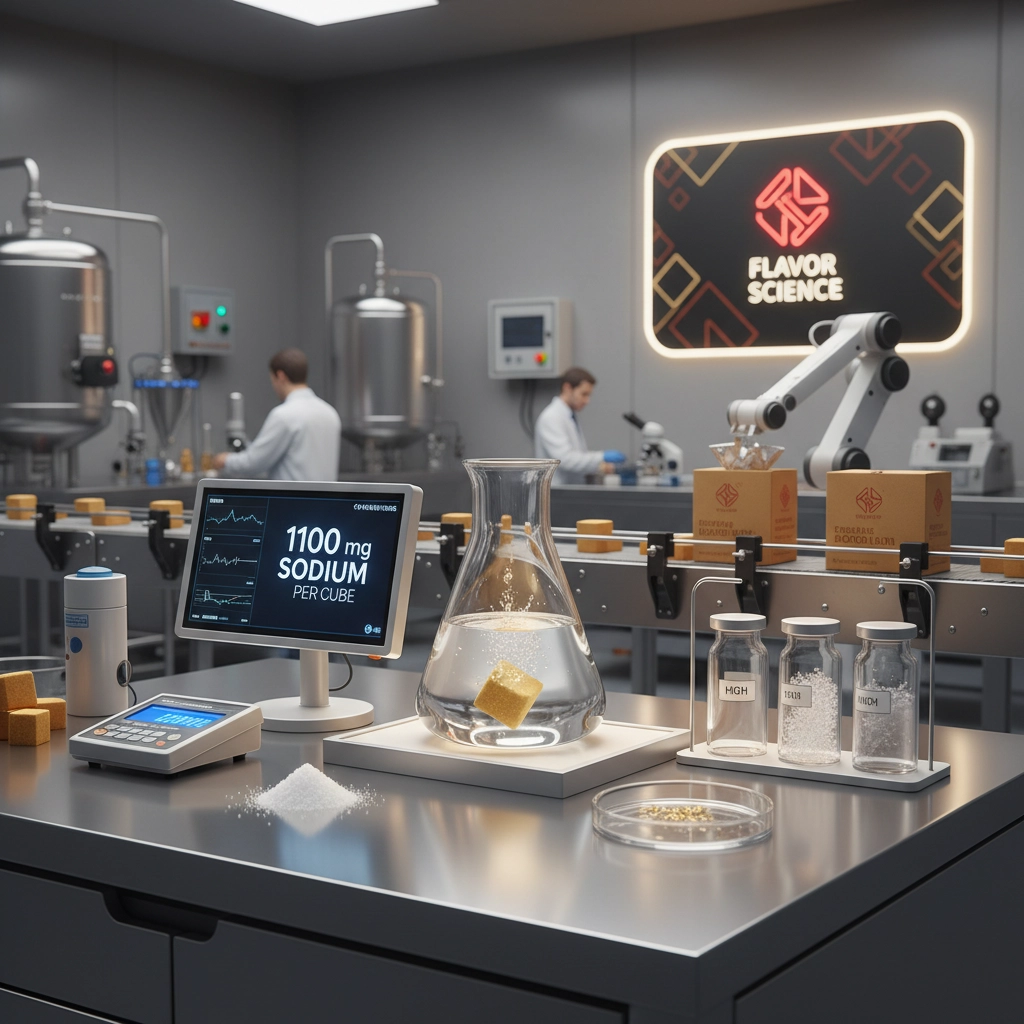
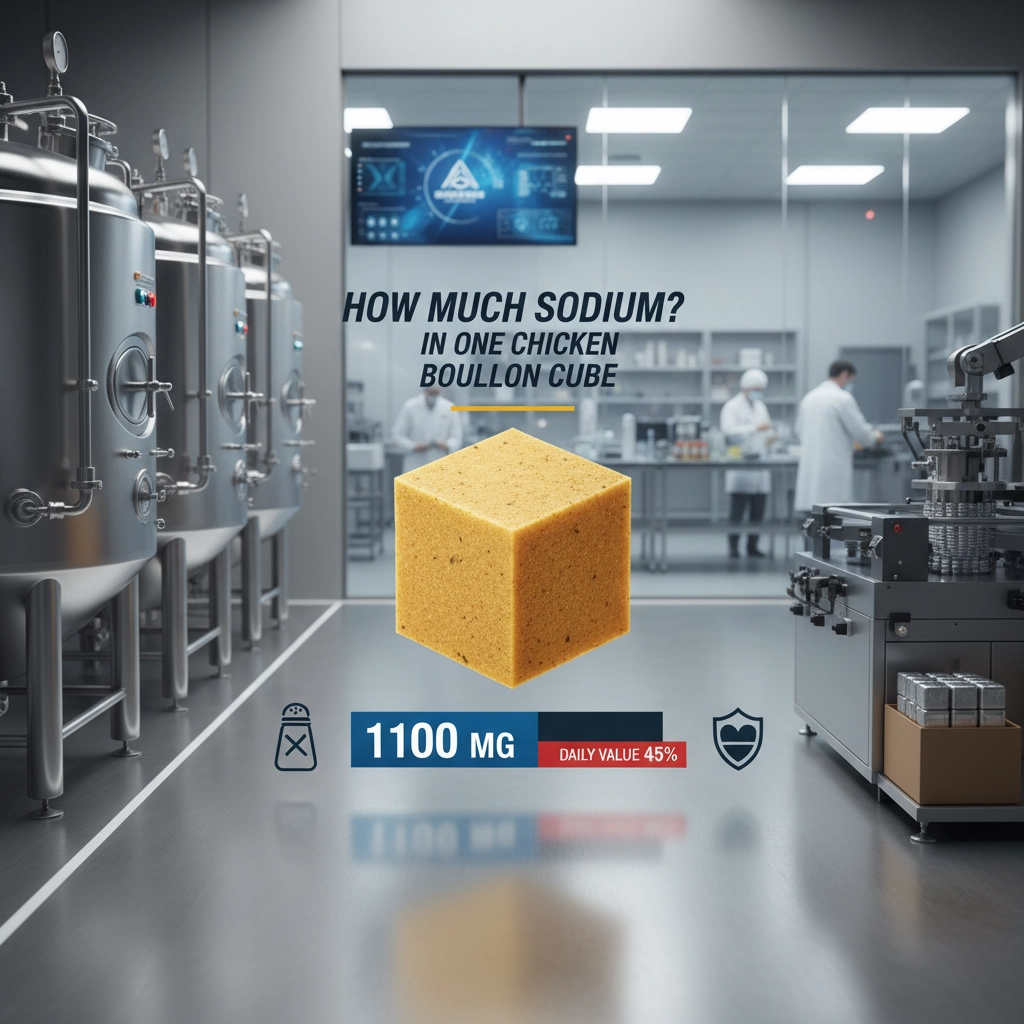
Understanding how much sodium in one chicken bouillon cube is more than just a matter of reading a nutrition label; it is a critical consideration for global public health and food formulation. In an era where hypertension and cardiovascular diseases are on the rise, the concentrated nature of bouillon cubes makes them a significant source of hidden salts in the daily diet.
From a food manufacturing perspective, balancing the intense savory profile of a bouillon cube with the necessity of sodium reduction is a complex chemical challenge. The industry must navigate the fine line between maintaining the "umami" experience and adhering to stricter health guidelines established by international health organizations to protect consumers.
Whether you are a home cook managing dietary restrictions or a food scientist developing the next generation of Food Additive solutions, knowing exactly how much sodium in one chicken bouillon cube impacts everything from taste consistency to long-term wellness.
The Global Impact of Sodium Levels in Bouillon
On a global scale, the consumption of processed seasonings has surged, leading health organizations like the WHO to warn about excessive salt intake. When consumers ask how much sodium in one chicken bouillon cube, they are often discovering that a single cube can contain over 50% of the recommended daily allowance of sodium, contributing significantly to the global burden of non-communicable diseases.
This issue is particularly acute in regions where bouillon cubes are a primary flavor enhancer due to their affordability and long shelf life. In these contexts, the high sodium density becomes a systemic challenge, prompting food additive manufacturers to seek innovative ways to replace traditional NaCl with potassium-based alternatives or yeast extracts.
Defining Sodium Concentration in Chicken Cubes
To define how much sodium in one chicken bouillon cube, we must look at the chemical composition of the product. Most standard cubes consist of a mixture of salt, flavor enhancers like MSG, fats, and dehydrated chicken stock. The sodium is present not only as table salt but also within the additives used to preserve the cube's structural integrity and flavor profile.
In simple terms, the sodium content is the sum of all sodium-bearing ingredients. For the average consumer, this translates to a high concentration of electrolytes in a very small volume. From an industrial standpoint, this concentration is necessary to ensure the product remains stable during transport and storage across various climatic zones.
Understanding this definition is crucial for humanitarian aid and food security programs. In remote industrial zones or post-disaster relief operations, bouillon cubes provide essential calories and flavor, but the high sodium levels must be managed to avoid dehydrating populations who may already have limited access to clean drinking water.
Core Factors Influencing Sodium Content
The primary factor determining how much sodium in one chicken bouillon cube is the preservation requirement. Sodium acts as a potent preservative, inhibiting microbial growth and extending the shelf life of the product without requiring refrigeration, which is vital for global distribution.
Another core component is "Flavor Scalability." To achieve a consistent taste across millions of units, manufacturers rely on a standardized sodium-to-flavor ratio. When analyzing how much sodium in one chicken bouillon cube, one must consider that the salt doesn't just add saltiness; it enhances the perception of other flavors, such as chicken essence and herbs.
Lastly, cost efficiency plays a major role. Sodium chloride is one of the most cost-effective bulk ingredients available. Replacing it with expensive potassium salts or complex organic flavor enhancers can increase the price of the final product, making it less accessible to low-income markets worldwide.
Practical Applications and Sodium Management
In professional kitchens and food manufacturing, managing how much sodium in one chicken bouillon cube is essential for recipe scaling. Chefs often dilute the cubes in large volumes of water to control the saltiness of the base, ensuring that subsequent additions of salt during the cooking process do not make the dish inedible.
For pharmaceutical intermediates and specialty food additives, the goal is to create a "low-sodium" profile without sacrificing the mouthfeel. This involves using precise measurements of glutamates and nucleotides to mimic the salty taste, effectively reducing the actual sodium milligram count per cube.
Sodium Reduction Efficiency by Method
Long-Term Value of Sodium-Reduced Alternatives
The transition toward lower sodium concentrations provides immense long-term value for both the consumer and the brand. By reducing how much sodium in one chicken bouillon cube, companies can market their products as "Heart-Healthy" or "Low-Sodium," tapping into a rapidly growing demographic of health-conscious consumers who refuse to compromise on flavor.
Beyond market share, there is a social impact. Reducing salt in staple seasonings helps lower the prevalence of hypertension in developing nations. This shift represents a move toward sustainable nutrition, where the reliability of the product is maintained through scientific innovation rather than chemical overload.
Future Trends in Flavor Enhancement Technology
The future of managing how much sodium in one chicken bouillon cube lies in the realm of biotechnology and digital transformation. Precision fermentation is now being used to create "bio-identical" flavor molecules that trigger the same salt receptors on the tongue as sodium chloride, but without the actual sodium ions.
Automation in the manufacturing process allows for the micro-dosing of flavor enhancers, ensuring that every cube has the exact minimum amount of sodium required for stability. This digital precision reduces waste and ensures a consistent nutritional profile across different product batches.
Furthermore, the integration of "Green Chemistry" is leading to the use of natural algae extracts and fungi-based proteins. These ingredients provide a deep, savory base that naturally reduces the need for added salt, fundamentally changing the answer to the question of how much sodium is necessary for a high-quality bouillon cube.
Challenges in Balancing Taste and Sodium Limits
One of the most significant challenges is the "Taste Gap." When manufacturers reduce how much sodium in one chicken bouillon cube, the product often loses its "punch" or intensity. Consumers are conditioned to associate high salt levels with "richness," making the transition to low-sodium options a psychological hurdle as much as a chemical one.
Additionally, the stability of the cube can be compromised. Sodium helps keep the ingredients bonded and dry; without it, cubes may become crumbly or absorb moisture from the air more quickly, leading to a shorter shelf life and potential quality degradation.
To overcome these limitations, experts are employing a multi-layered approach: combining potassium salts with umami-rich yeast extracts and using advanced encapsulation technology to protect flavors. This ensures that the nutritional benefits of lower sodium do not result in a subpar culinary experience.
Analysis of Sodium Reduction Methods and Their Impact
| Reduction Method |
Taste Retention (1-10) |
Cost Impact |
Stability Level |
| Potassium Chloride |
6 |
Moderate Increase |
High |
| Yeast Extract |
9 |
High Increase |
Medium |
| MSG Optimization |
8 |
Low Increase |
High |
| Mushroom Powder |
7 |
Moderate Increase |
Low |
| Algae-based Umami |
9 |
Very High |
Medium |
| Pure Salt Reduction |
3 |
Cost Decrease |
Very Low |
FAQS
Depending on the brand, one standard chicken bouillon cube typically contains between 800mg and 1,100mg of sodium. This represents a significant portion of the daily recommended limit (2,300mg), which is why monitoring the quantity used in a single recipe is vital for those on low-sodium diets.
Yes, by utilizing products enriched with yeast extracts or mushroom powders, you can maintain the umami profile while reducing the sodium content. Many professional food additives now focus on "flavor intensity" rather than "saltiness" to bridge this gap.
Sodium serves two primary purposes: it acts as a powerful preservative to ensure a long shelf life without refrigeration and it concentrates the flavor so that a small cube can season a large pot of water effectively.
No, the total sodium count includes sodium from table salt (NaCl), as well as sodium found in other additives like Monosodium Glutamate (MSG) and sodium bicarbonate, which may be used for pH balancing.
The best way is to avoid adding additional salt to your dish until the very end. Since bouillon cubes are so concentrated, they often provide all the salinity a dish needs. You can also use half a cube and supplement the flavor with fresh herbs and lemon juice.
Not necessarily. Many low-sodium versions replace sodium with potassium chloride. While this is great for heart health, people with kidney disease must monitor their potassium intake closely. Always check the ingredient list for potassium additives.
Conclusion
Analyzing how much sodium in one chicken bouillon cube reveals the complex intersection of culinary convenience, industrial preservation, and global health. We have explored how the high concentration of sodium is essential for stability and taste, but also how the industry is pivoting toward smarter, more sustainable additives to reduce health risks without sacrificing the savory experience consumers love.
As we move forward, the integration of biotechnology and precision nutrition will likely make high-sodium concentrates a thing of the past. For manufacturers and consumers alike, the goal is a future where flavor is delivered through innovation rather than excess salt. For more professional insights into food additives and seasoning solutions, visit our website: www.chinaseasoning.com