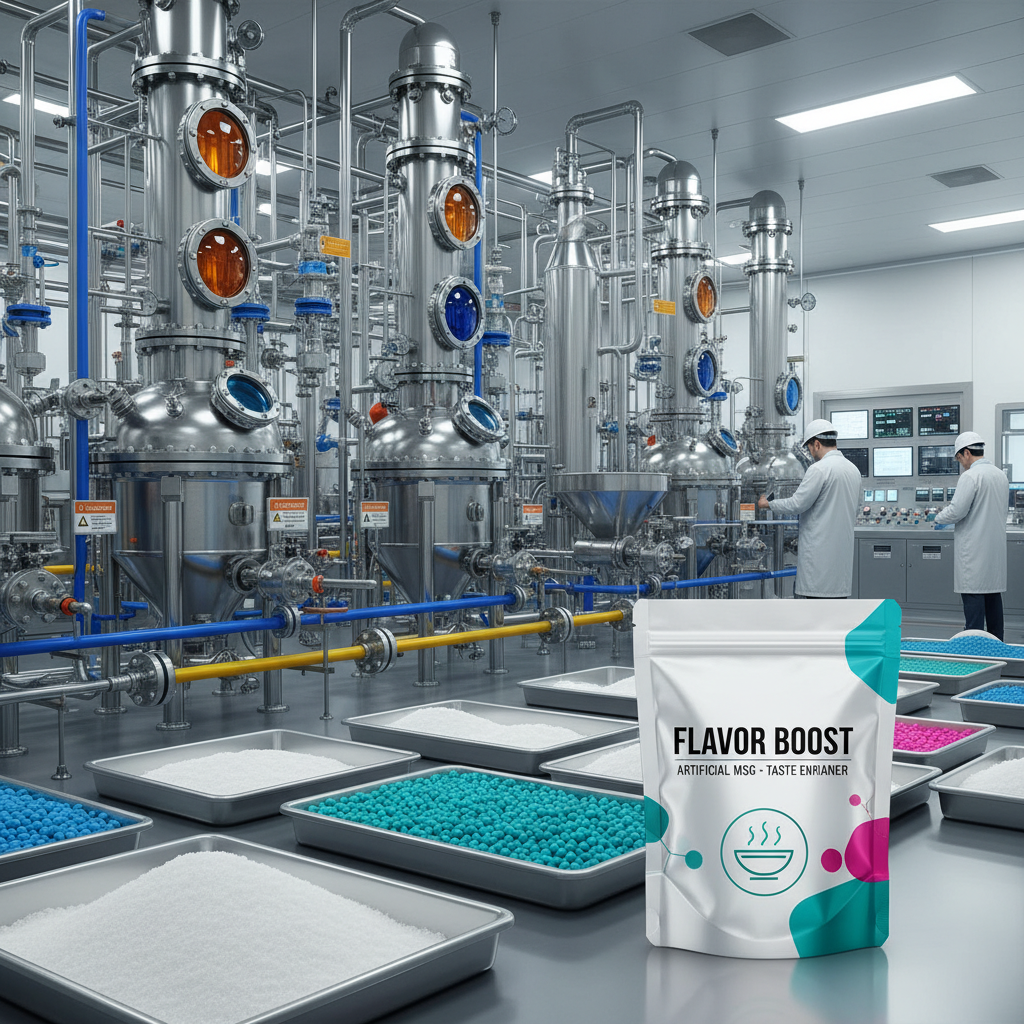
In the competitive landscape of the global food industry, the quest for consistent flavor and cost-effective production has led to the widespread adoption of seasoning chicken powder. This versatile additive serves as a cornerstone for food manufacturers, enabling them to replicate the complex, savory profile of slow-cooked chicken in a fraction of the time. By integrating high-quality flavor enhancers, producers can ensure that every batch of product meets the stringent taste expectations of consumers worldwide.
The global demand for convenience foods and ready-to-eat meals has surged, placing an immense burden on supply chains to maintain taste uniformity across different geographical regions. Here, seasoning chicken powder acts as a critical solution, offering a standardized flavor base that eliminates the variability associated with fresh ingredients. From industrial soup bases to snack seasonings, the ability to control the "umami" profile is essential for brand loyalty and market penetration.
Understanding the technical composition and application of these powders is not merely about taste; it is about optimizing the economic efficiency of food production. By leveraging advanced food science, manufacturers can reduce waste, lower labor costs, and extend shelf life without compromising the sensory experience. This guide explores the intricacies of seasoning chicken powder, from its industrial components to the emerging trends shaping its future in the additive market.
Global Industry Context of Seasoning Chicken Powder
The global market for flavor enhancers has witnessed an unprecedented expansion, with seasoning chicken powder becoming a staple in both developed and emerging economies. According to industry data, the move toward urbanization and the rise of "fast-casual" dining have increased the reliance on standardized flavor profiles. The challenge for manufacturers has been balancing the need for high-intensity flavor with the growing consumer demand for "clean label" ingredients and reduced sodium levels.
As food security and efficient resource management become global priorities, the use of concentrated powders allows for a significant reduction in logistics costs and storage requirements. By replacing bulky fresh components with a precise, dehydrated seasoning chicken powder, companies can streamline their supply chains and reduce the carbon footprint associated with cold-chain transportation, making it a strategic asset in the global food manufacturing ecosystem.
Defining Seasoning Chicken Powder in Modern Food Science
At its core, seasoning chicken powder is a sophisticated blend of salt, flavor enhancers (such as MSG or yeast extracts), hydrolyzed vegetable proteins, and dehydrated chicken extracts or synthetic chicken flavors. Unlike simple salt or pepper, it is engineered to provide a multi-dimensional taste experience that mimics the "umami" sensation—the savory fifth taste—which is naturally found in proteins.
In the context of modern food additives, this powder represents the intersection of chemistry and culinary art. It is designed for high solubility and rapid dispersion, ensuring that the flavor is evenly distributed throughout a product, whether it is a liquid broth or a dry snack coating. This technical precision prevents "flavor spotting," a common defect in lower-quality seasoning blends.
Beyond simple taste, seasoning chicken powder serves a humanitarian and practical need in regions where fresh protein is expensive or unavailable. By providing a nutrient-dense flavor base, it allows food producers to create affordable, palatable meals for large populations, bridging the gap between luxury gourmet tastes and mass-market accessibility.
Core Components and Quality Drivers
The efficacy of seasoning chicken powder depends heavily on the quality of its base components. High-grade powders utilize a balanced ratio of amino acids and nucleotides, which work synergistically to amplify the perception of meatiness. This ensures that even a small dosage can significantly elevate the profile of a dish.
Another critical driver is the granulation process. The particle size of the seasoning chicken powder determines its flowability in automated dosing systems. Coarser grains are often preferred for dry rubs, while ultra-fine powders are essential for instant soups to prevent clumping and ensure a smooth texture.
Finally, stability is paramount. The inclusion of anti-caking agents and stabilizers ensures that the seasoning chicken powder remains free-flowing under various humidity conditions. This is especially important for exports to tropical climates, where moisture absorption can lead to spoilage or loss of potency.
Technical Performance and Scalability Factors
When scaling production from a test kitchen to a thousand-ton factory, the consistency of seasoning chicken powder becomes the primary variable for quality control. Scalability is achieved through the use of standardized additive ratios, which allow producers to maintain the same taste profile regardless of the batch size. This eliminates the risk of "flavor drift," where the product tastes different from one shipment to the next.
Furthermore, the cost-efficiency of using seasoning chicken powder is unmatched when compared to using fresh chicken reductions. The concentrated nature of the powder means that logistics, storage, and preparation time are drastically reduced, allowing for a leaner manufacturing process.
Performance Comparison of Chicken Powder Variants
Global Applications and Industrial Use Cases
The application of seasoning chicken powder spans multiple sectors of the food industry. In the snack food sector, it is the primary ingredient for savory chips and extruded snacks, where it is applied as a fine dust via electrostatic spraying to ensure maximum adherence. In the convenience food sector, it forms the base for "instant" bouillon cubes and powder packets used in quick-cook noodles.
Beyond commercial snacks, seasoning chicken powder is vital in large-scale institutional catering, such as in military rations (MREs) or post-disaster relief food kits. In these high-pressure environments, the powder provides a familiar, comforting flavor that boosts morale and ensures that nutrient-dense meals remain palatable even when prepared with minimal equipment.
Long-Term Economic and Operational Value
Investing in a high-quality seasoning chicken powder yields significant long-term dividends in operational stability. By reducing the reliance on volatile fresh meat markets, manufacturers can lock in pricing and avoid the price spikes associated with livestock diseases or supply chain disruptions. This predictability allows for more accurate financial forecasting and stable consumer pricing.
From a quality assurance perspective, the use of standardized powders minimizes the risk of contamination. Fresh ingredients introduce biological hazards; however, a professionally processed seasoning chicken powder undergoes rigorous sterilization and dehydration, significantly lowering the risk of foodborne illnesses and extending the product's shelf life from days to years.
Furthermore, the emotional value of "consistent taste" cannot be understated. For global brands, the promise that a product tastes the same in New York as it does in Tokyo is the foundation of consumer trust. The precision of seasoning chicken powder makes this global synchronization possible, transforming a simple ingredient into a tool for brand equity.
Future Innovations and Sustainability Trends
The future of seasoning chicken powder is being reshaped by the "Green Revolution" in food science. We are seeing a shift toward plant-based umami sources, where fermented mushrooms and yeast are used to recreate the chicken flavor profile. This allows manufacturers to offer "vegan-friendly" chicken powder that satisfies the same sensory cravings while appealing to a more sustainable, plant-forward demographic.
Digital transformation is also entering the additive space. Smart manufacturing systems now use AI to adjust the composition of seasoning chicken powder in real-time based on the raw material characteristics of the main product. This "dynamic seasoning" ensures that the final taste remains perfect even if the base ingredients vary slightly.
Lastly, the industry is moving toward "precision nutrition." Future iterations of seasoning chicken powder will likely be fortified with essential vitamins and minerals, transforming a simple flavor additive into a functional food ingredient that contributes to the overall health of the consumer.
Comparative Analysis of Seasoning Chicken Powder Technological Evolution
| Evolution Stage |
Primary Flavor Source |
Health Focus |
Production Efficiency |
| Traditional Grade |
Basic Chicken Extract |
High Sodium |
Manual Batching |
| Industrial Standard |
MSG & HVP Blend |
Standardized Salt |
Semi-Automated |
| Premium Umami |
Nucleotide Synergies |
Controlled Sodium |
High-Precision Dosing |
| Clean Label |
Natural Yeast Extract |
No Artificial Colors |
Strict QC Monitoring |
| Plant-Based Hybrid |
Fermented Fungi/Pea |
Cholesterol Free |
Eco-Friendly Sourcing |
| Functional Powder |
Bio-engineered Aromas |
Fortified Vitamins |
AI-Optimized Mix |
FAQS
Industrial seasoning chicken powder is engineered for scalability and stability. It features a more precise particle size for automated machinery, higher concentration of umami amplifiers for mass-market appeal, and advanced anti-caking agents to withstand long-term storage in industrial silos, whereas home-use versions are designed for small-batch dissolution in domestic kitchens.
It significantly reduces costs by eliminating the need for fresh meat procurement, expensive cold-chain logistics, and intensive labor required for simmering and reducing broths. Using a concentrated powder allows for precise dosing, which minimizes ingredient waste and ensures that every product batch is identical, reducing the cost of rejected batches.
Yes, depending on the formulation. Many manufacturers produce plant-based versions of seasoning chicken powder using yeast extracts and fermented proteins to mimic chicken flavor. For Halal requirements, the powder is produced without any porcine derivatives or alcohol-based carriers, and is certified by relevant religious authorities.
The powder should be stored in a cool, dry environment, preferably in airtight containers or moisture-proof foil bags. Because it is highly hygroscopic (absorbs moisture from the air), exposure to humidity can cause clumping. Maintaining a temperature below 25°C and using desiccant packs in bulk storage can ensure a long shelf life and maintain flowability.
Absolutely. In fact, it is widely used for this purpose. For dry applications, a specific granulation of seasoning chicken powder is used to ensure it adheres to the surface of the snack without dissolving prematurely. This is often achieved through a combination of fine powdering and the addition of specific carriers like maltodextrin.
When stored under optimal conditions, industrial-grade seasoning chicken powder typically has a shelf life of 12 to 24 months. The low water activity (aw) of the powder prevents microbial growth, while the addition of antioxidants helps maintain the flavor profile and prevents the oils in the powder from becoming rancid.
Conclusion
In summary, seasoning chicken powder is much more than a simple flavor additive; it is a strategic industrial tool that enables global food manufacturers to achieve consistency, efficiency, and profitability. From the technical precision of its umami components to its critical role in supply chain optimization, this product bridges the gap between culinary quality and mass-market scalability. By focusing on stability, granulation, and flavor synergy, producers can ensure their products remain competitive in an increasingly demanding global market.
Looking ahead, the integration of plant-based alternatives and AI-driven formulation suggests a future where seasoning is not only delicious but also sustainable and personalized. For businesses seeking to elevate their product profiles while maintaining strict cost controls, adopting a high-performance seasoning chicken powder is a vital step toward operational excellence. We invite you to explore our range of professional additives and find the perfect blend for your production needs. Visit our website: www.chinaseasoning.com