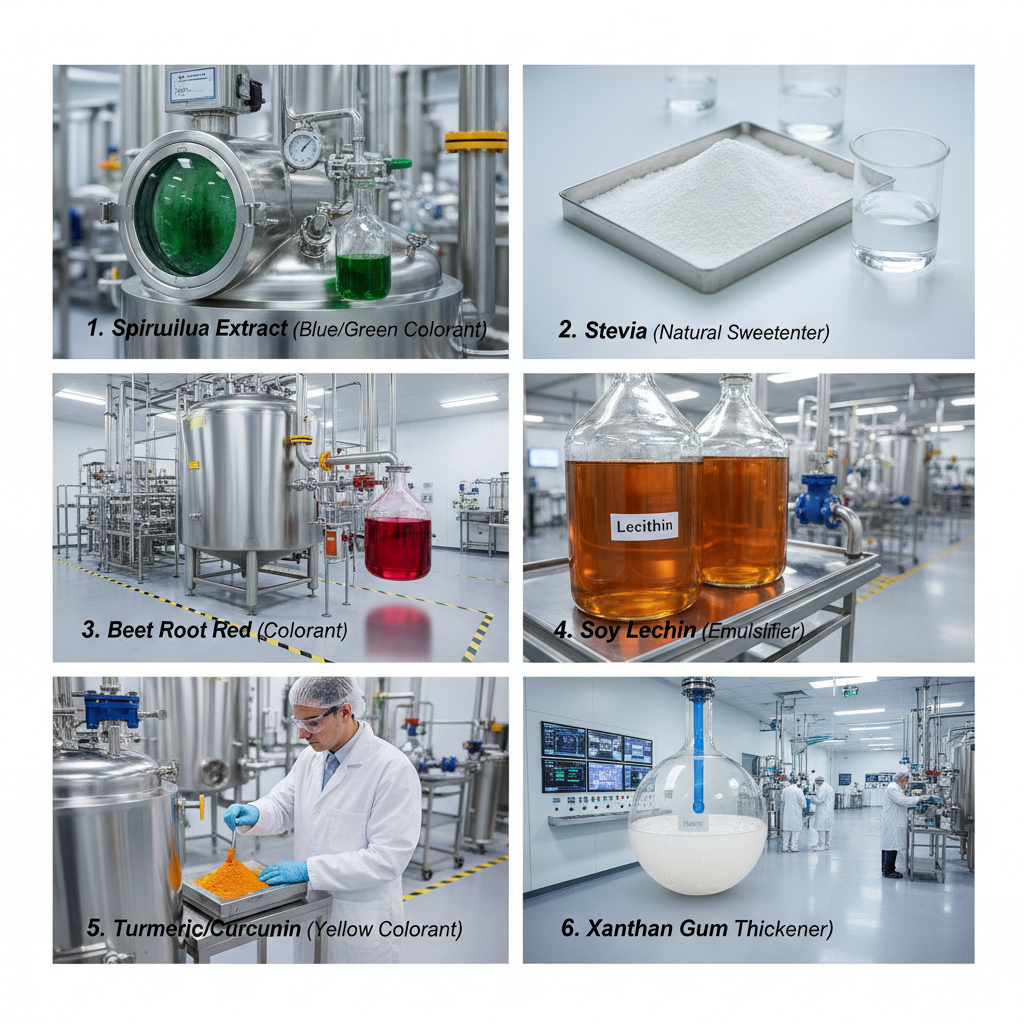
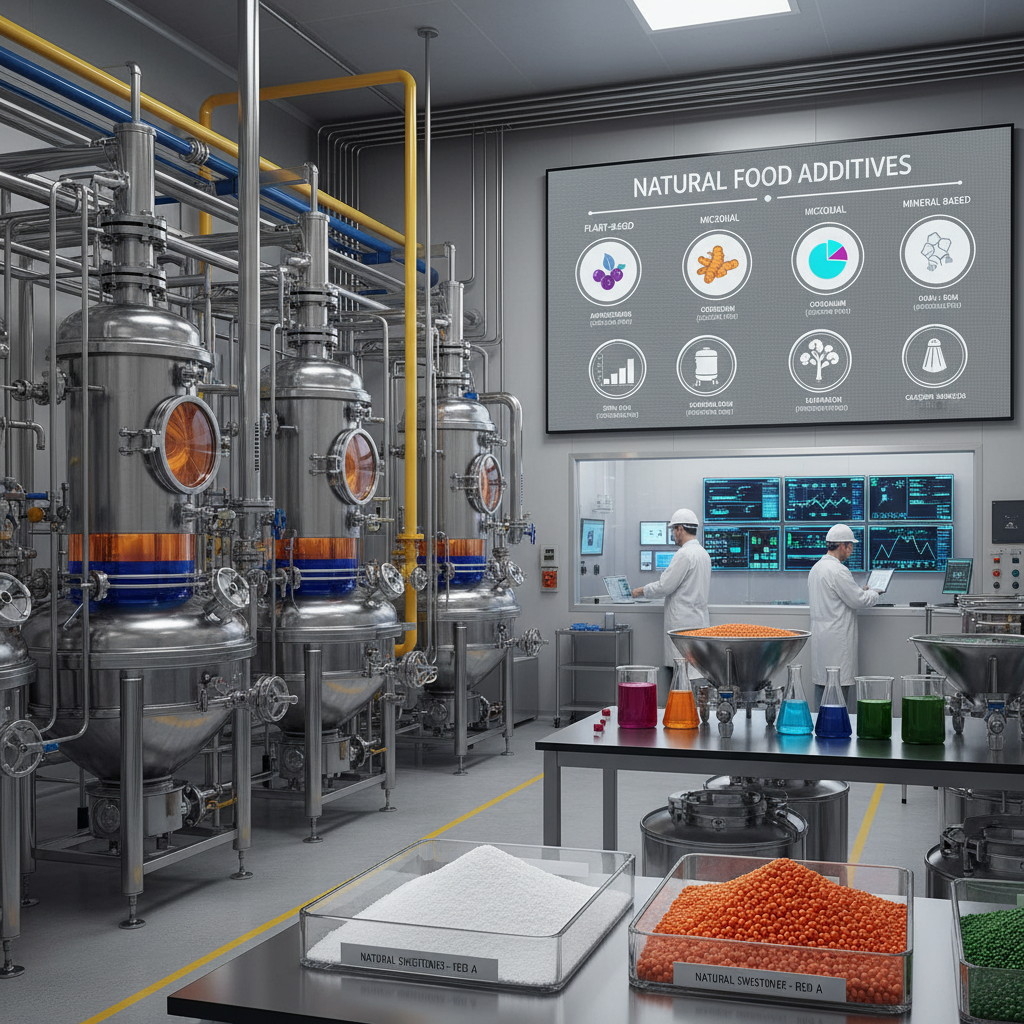
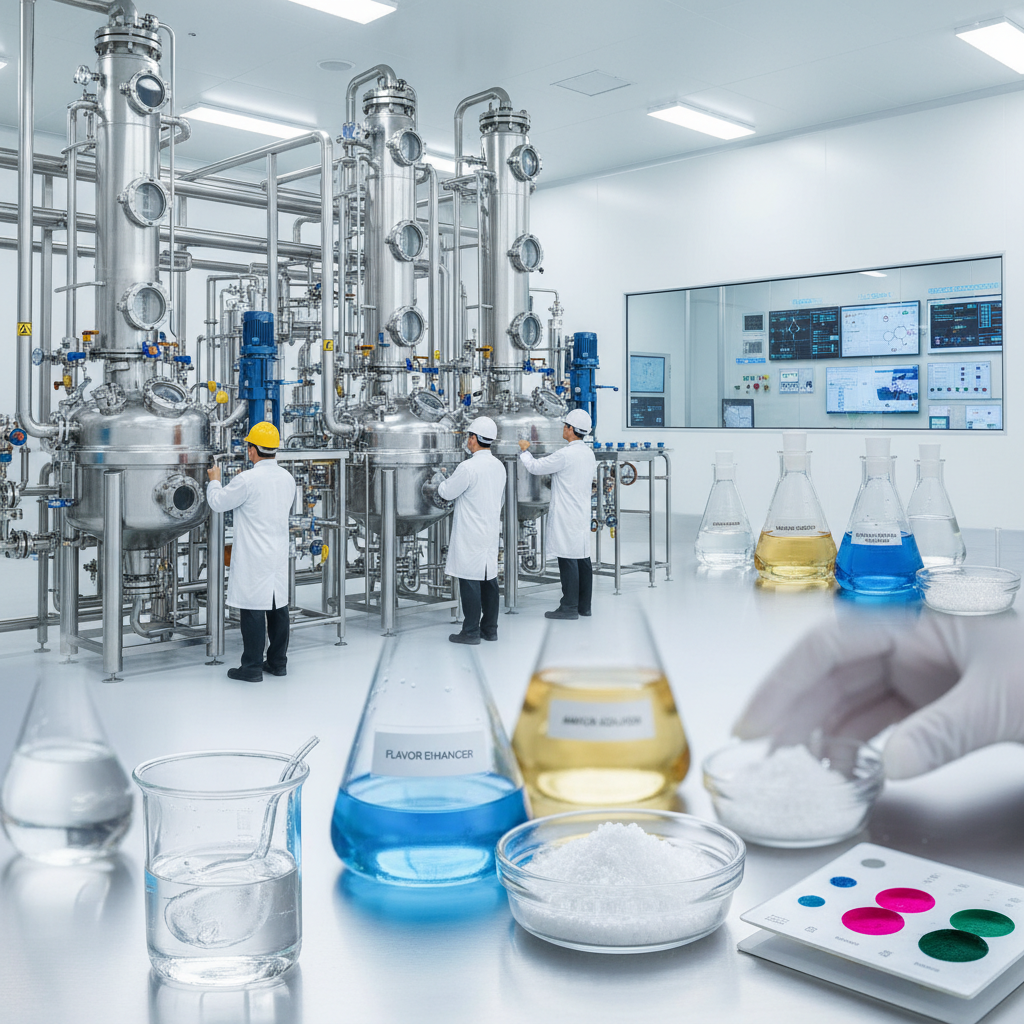
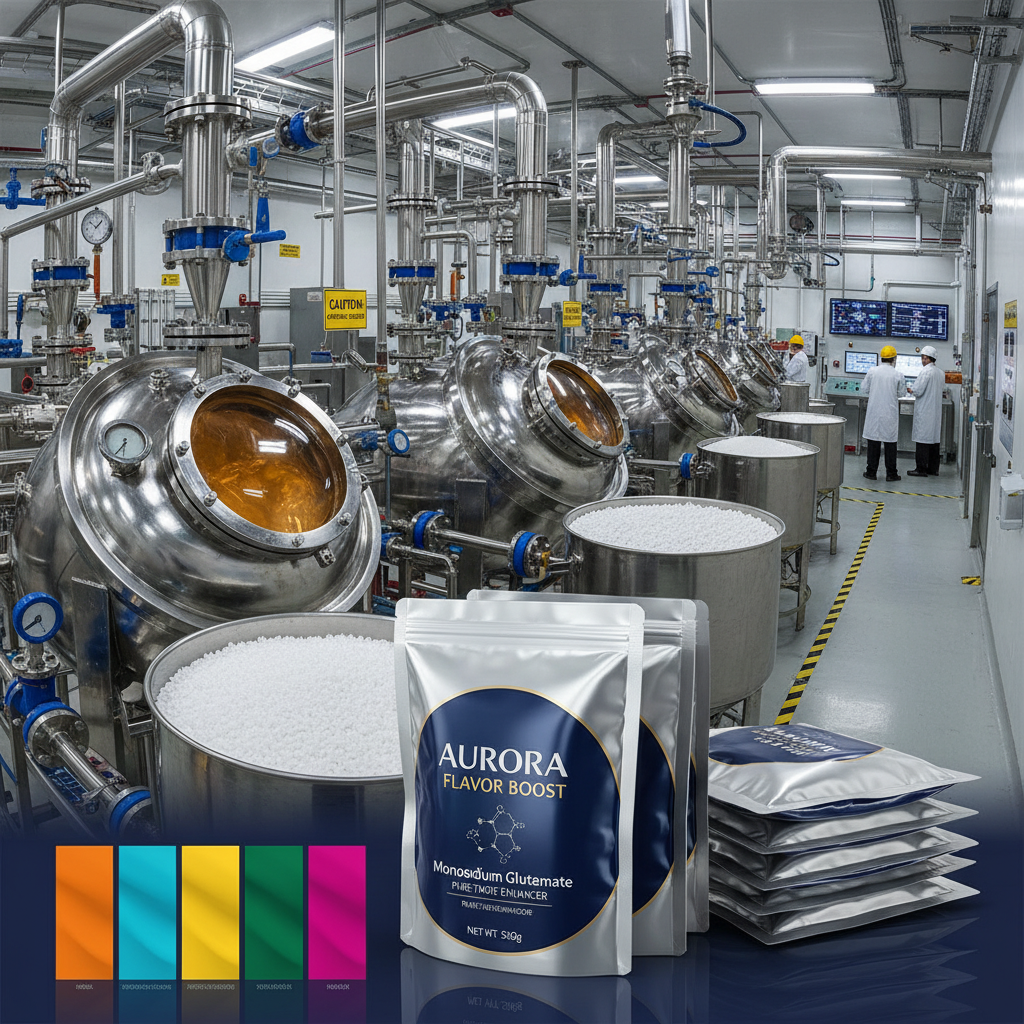
The modern food landscape is witnessing a significant paradigm shift as consumers increasingly distance themselves from synthetic chemicals in favor of "clean label" ingredients. Understanding various examples of natural food additives is no longer just a niche requirement for organic brands but a strategic necessity for global food manufacturers aiming to maintain market relevance and consumer trust.
From plant-derived antioxidants to mineral-based stabilizers, these natural alternatives serve the same critical functions as their synthetic counterparts—preserving freshness, enhancing texture, and refining flavor—while aligning with the biological needs of the human body. By leveraging these natural compounds, the industry can reduce the health risks associated with long-term synthetic consumption and move toward a more sustainable production model.
Exploring these natural solutions allows manufacturers to bridge the gap between industrial efficiency and nutritional integrity. Whether it is the use of rosemary extract for lipid stability or citrus fibers for texture enhancement, the versatility of these additives ensures that food quality remains high without compromising the "natural" promise made to the end consumer.
Global Relevance of Natural Food Additives
On a global scale, the demand for examples of natural food additives has surged as health awareness peaks across North America, Europe, and Asia-Pacific. According to market trends aligned with WHO and ISO guidelines, there is a measurable shift toward "preventative nutrition," where the additives in processed foods are scrutinized for their long-term impact on metabolic health.
The primary challenge facing the industry is the "stability gap"—the difficulty of achieving the same shelf-life and consistency with natural ingredients as previously done with synthetic ones. However, the economic incentive is clear: products with clean labels often command a premium price and enjoy higher consumer loyalty, driving manufacturers to innovate in the field of bio-preservation.
Defining Natural Additives in Modern Industry
In simple terms, natural food additives are substances obtained from nature—plants, animals, or minerals—via physical, enzymatic, or microbiological processes. Unlike synthetic additives, which are synthesized in laboratories using chemical reactions, these natural alternatives are extracted from biological sources to perform specific roles such as emulsification, coloration, or preservation.
Within the context of the modern food manufacturing industry, these additives are essential for maintaining the structural integrity of food during transport and storage. For instance, using lecithin from soy or sunflower instead of synthetic emulsifiers allows a product to remain stable while meeting the "natural" criteria that humanitarian food programs and health-conscious retailers now demand.
The connection to humanitarian needs is particularly strong in the development of fortified foods. By using natural additives to stabilize vitamins and minerals in nutrient-dense pastes or supplements, manufacturers can provide life-saving nutrition to remote areas without introducing unwanted chemical residues into the diet of vulnerable populations.
Core Components of Effective Natural Additives
One of the primary factors in selecting examples of natural food additives is Bioavailability. This refers to how easily the human body can absorb and utilize the additive. Natural antioxidants, such as tocopherols (Vitamin E), not only protect the food from oxidation but also provide nutritional value to the consumer, unlike synthetic BHA or BHT.
Functional Scalability is another critical component. For a natural additive to be viable in a large-scale manufacturing plant, it must be available in bulk without variance in potency. This is why standardized extracts, such as concentrated rosemary oil, are preferred over raw herb infusions, as they provide a consistent level of carnosic acid to ensure uniform product quality.
Finally, Synergistic Compatibility determines the success of a formulation. Natural additives rarely work in isolation; for example, combining citric acid (a natural preservative) with ascorbic acid (Vitamin C) can create a powerful synergistic effect that inhibits microbial growth more effectively than either ingredient alone, ensuring food safety across various climates.
Global Applications and Use Cases
The application of natural additives varies significantly across different industrial sectors. In the dairy industry, natural enzymes like rennet are essential for cheese production, while in the beverage sector, anthocyanins extracted from purple carrots or grapes provide vibrant colors without the health concerns associated with artificial dyes.
In more extreme contexts, such as post-disaster relief operations, the use of natural preservatives in MREs (Meals Ready-to-Eat) is becoming a priority. These additives must withstand high temperatures and humidity in remote industrial zones or tropical climates, ensuring that emergency food supplies remain safe and palatable for weeks without refrigeration.
Performance Comparison of Natural Additive Categories
Long-Term Value and Sustainability Benefits
The long-term value of transitioning to examples of natural food additives extends far beyond mere marketing. Logically, it reduces the environmental footprint of food production, as botanical extractions often have a lower chemical waste profile compared to petroleum-based synthetic synthesis.
Emotionally, this shift fosters a deeper sense of trust and dignity between the producer and the consumer. When a brand transparently uses ingredients like beet juice for color or sea salt for preservation, it signals a commitment to safety and innovation, transforming the act of eating into a health-positive experience rather than a calculated risk.
Future Trends in Natural Additive Technology
The future of natural additives is being shaped by digital transformation and precision biotechnology. We are seeing the rise of "precision fermentation," where microbes are programmed to produce specific natural additives—such as heme or natural flavors—without the need for massive land use, combining the benefits of nature with the efficiency of automation.
Furthermore, the integration of green energy into the extraction process is reducing the carbon cost of producing these additives. Supercritical CO2 extraction, for example, allows for the purity of natural oils and antioxidants without the use of toxic solvents, aligning the additives' internal chemistry with an external commitment to sustainability.
As regulatory policies in the EU and USA tighten around synthetic additives, we expect a surge in AI-driven formulation. AI is currently being used to predict how different combinations of natural preservatives interact with specific food matrices, drastically shortening the R&D cycle for new, clean-label products.
Overcoming Challenges in Natural Formulation
Despite the benefits, natural additives often face limitations in sensory profiles; for instance, rosemary extract can sometimes impart a herbal taste that clashes with a product's intended flavor. The solution lies in "encapsulation technology," where the active natural additive is trapped in a microscopic shell, releasing its preservative power without affecting the taste.
Another challenge is the higher cost of raw materials. To overcome this, manufacturers are adopting "upcycling," where additives are extracted from food waste—such as using grape pomace from wine production to extract polyphenols. This not only lowers the cost but also adds a compelling sustainability story to the product.
Finally, the variability of natural harvests can lead to inconsistent batches. Expert insights suggest the implementation of rigorous standardization protocols and the use of blended additive cocktails, which average out the potency variations of individual natural sources to ensure a stable end result.
Comparative Analysis of Natural Additive Solutions
| Additive Type |
Primary Function |
Stability Score (1-10) |
Cost Impact |
| Tocopherols |
Antioxidant |
8 |
Moderate |
| Citrus Fibers |
Stabilizer/Texture |
9 |
Low |
| Rosemary Extract |
Preservation |
7 |
Moderate |
| Pectin |
Gelling Agent |
9 |
Low |
| Lactic Acid |
pH Control |
10 |
Low |
| Curcumin |
Coloration |
6 |
High |
FAQS
Common examples include rosemary extract, tocopherols (Vitamin E), organic acids like citric and lactic acid, and salt. These work by either inhibiting microbial growth through pH adjustment or by preventing lipid oxidation, which keeps fats and oils from becoming rancid, thus extending shelf life naturally.
Generally, natural additives are perceived as safer and are more easily metabolized by the body. However, "natural" does not automatically mean "safe" in unlimited quantities. Like all additives, they must be used within regulated dosage levels to ensure they do not cause allergic reactions or interfere with nutrient absorption.
Natural colors, such as anthocyanins or carotenoids, often have lower stability when exposed to light or high heat compared to synthetic dyes. To solve this, manufacturers use encapsulation or pH stabilizers to maintain the vibrancy of the color throughout the product's shelf life.
In many cases, yes. Lecithin, gum arabic, and pectin are powerful natural emulsifiers. While some complex synthetic emulsions are harder to replicate, most food applications can be transitioned to natural alternatives through careful formulation and the use of synergistic blends.
Initially, the raw material cost for natural extracts can be higher. However, this is often offset by the ability to market the product as "Clean Label" or "Organic," allowing brands to charge a premium price that covers the increased cost of ingredients.
Look for suppliers who provide Certificates of Analysis (CoA) and follow ISO or GMP standards. A reliable partner will offer standardized extracts rather than raw materials to ensure consistency in your production. Visit www.chinaseasoning.com for professional-grade solutions.
Conclusion
The transition toward examples of natural food additives represents a critical evolution in the food manufacturing industry. By integrating plant-based antioxidants, mineral stabilizers, and organic acids, producers can satisfy the dual demand for high-performance preservation and clean-label transparency. We have seen that while challenges in stability and cost exist, they are effectively mitigated through innovation in encapsulation, upcycling, and precision fermentation.
Looking forward, the synergy between biotechnology and sustainable sourcing will likely make natural additives the gold standard across all food categories. For manufacturers, the strategy is clear: investing in natural formulation today is not just a regulatory hedge, but a commitment to the long-term health of the consumer and the planet. To explore high-quality additive solutions, visit our website: www.chinaseasoning.com.