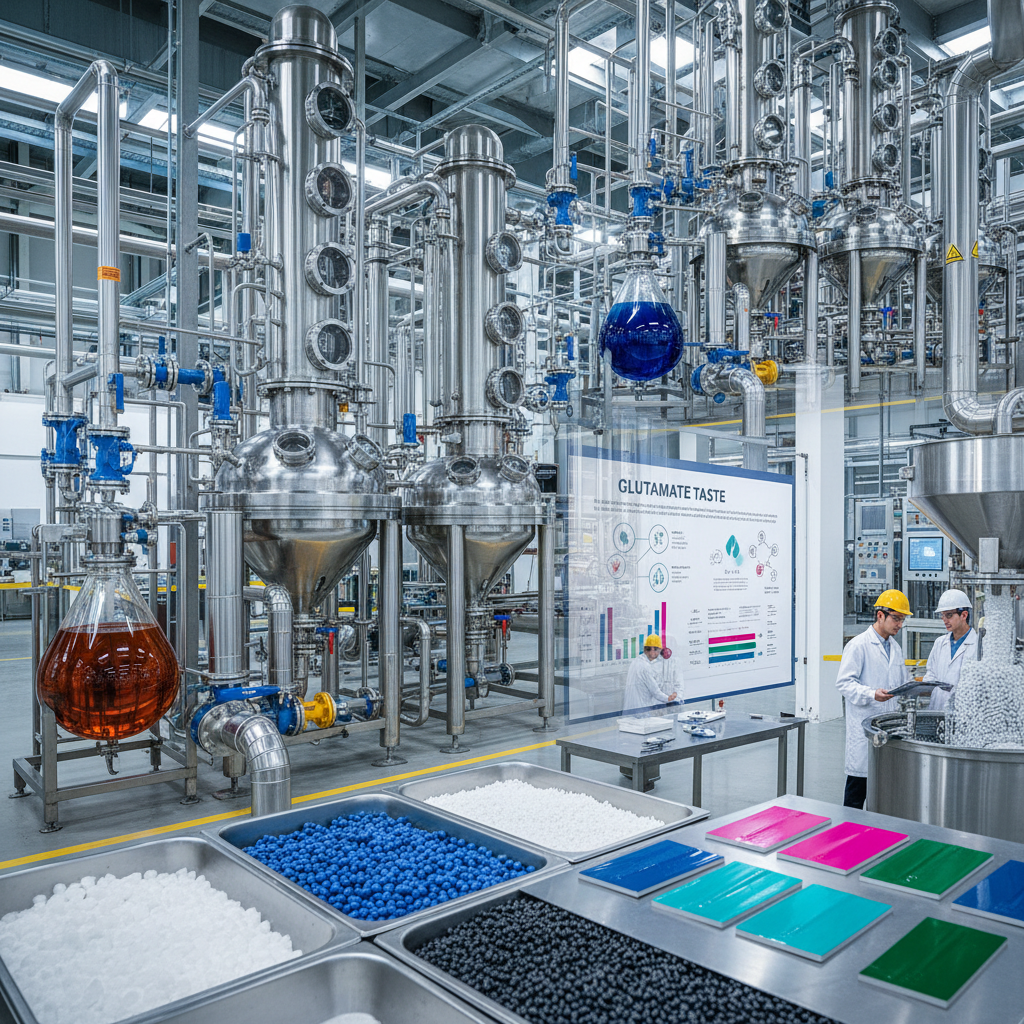
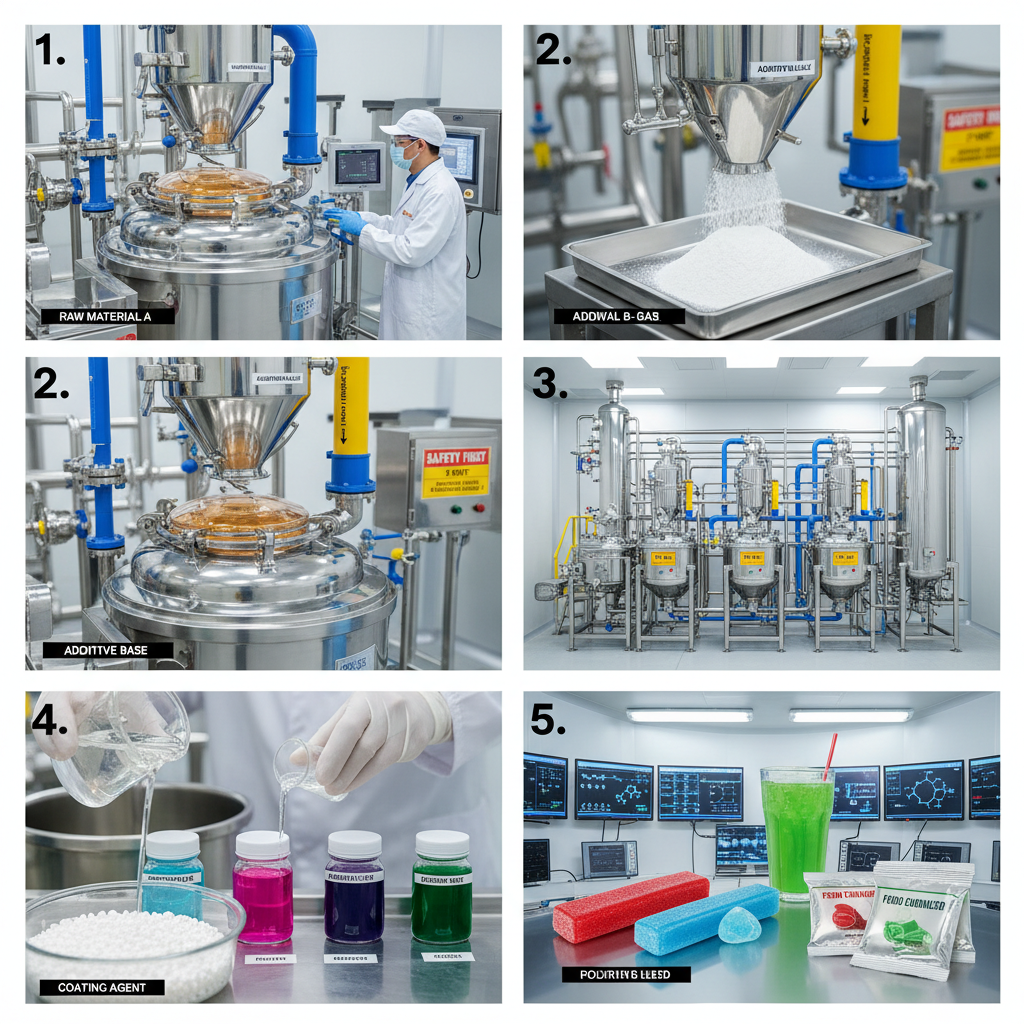
The science of flavor is a complex interplay of chemistry and biology, but few elements are as influential as the glutamate taste. Known globally as "umami," this fifth basic taste provides a savory depth that transforms ordinary ingredients into crave-worthy culinary experiences. Understanding how to manipulate this profile is essential for food manufacturers aiming to enhance palatability without relying solely on salt or sugar.
From a global perspective, the demand for refined flavor enhancers has surged as consumers seek healthier yet satisfying alternatives to traditional seasonings. The ability to standardize glutamate taste allows producers in the food additive and pharmaceutical sectors to create consistent, high-quality products that meet strict regulatory standards while appealing to a diverse international palate.
Integrating this savory profile into Feed Additives, Food Additives, and Pharmaceutical Intermediates requires a deep understanding of molecular synergy. By leveraging the properties of glutamates, industries can not only improve the taste of human food but also increase the feed intake of livestock and mask the bitterness of medicinal compounds, making it a cornerstone of modern industrial chemistry.
The Chemical Foundation of Glutamate Taste
At its core, glutamate taste is triggered by the interaction of L-glutamate ions with specific G-protein coupled receptors on the tongue. This biological signal tells the brain that the food is rich in proteins, which are essential for survival. In the manufacturing of food additives, isolating this specific interaction allows for the creation of concentrated flavor profiles that can be applied across various product lines.
The versatility of this taste profile stems from its ability to act as a flavor "amplifier." Rather than introducing a new flavor, it enhances the existing characteristics of other ingredients, making salty tastes more rounded and sweet tastes more complex. This makes it an indispensable tool for formulators who need to achieve a balanced sensory experience in processed foods.
Global Market Dynamics and Umami Demand
The global appetite for savory profiles has evolved significantly over the last decade. According to market trends observed in ISO-compliant food production, there is a shift toward "clean label" ingredients that provide the same glutamate taste through fermentation rather than synthetic chemical synthesis. This movement is driven by a consumer base that is increasingly conscious of ingredient origins.
Across Asia and Europe, the integration of umami into plant-based proteins is one of the fastest-growing segments of the food additive industry. Because plant proteins often lack the innate depth found in animal proteins, the strategic application of glutamate-based enhancers is necessary to bridge the sensory gap and ensure consumer acceptance of meat alternatives.
However, the challenge remains in navigating the disparate regulatory landscapes of different regions. While the FDA and EFSA recognize the safety of glutamates, the perception of these additives varies. This has led to an increase in the development of "natural" glutamate sources, such as yeast extracts and hydrolyzed vegetable proteins, to maintain the desired savory profile while meeting label requirements.
Synergy Between Glutamates and Nucleotides
One of the most critical concepts in sensory science is the synergistic effect where glutamate taste is exponentially increased when combined with specific nucleotides, such as inosine monophosphate (IMP) and guanosine monophosphate (GMP). This interaction creates a taste intensity far greater than the sum of its parts.
By optimizing the ratio of glutamate to nucleotides, manufacturers can reduce the total amount of additives required to achieve a powerful glutamate taste. This not only lowers production costs but also aligns with the industry goal of reducing sodium intake without sacrificing the eating experience.
This synergy is extensively used in the production of high-end bouillon cubes and savory snacks. When the molecular structure of the glutamate aligns with the nucleotide receptor, the sensory perception of "meatiness" is maximized, providing a professional-grade flavor profile that is highly sought after in the global B2B food market.
Industrial Application Efficiency Metrics
Evaluating the efficacy of different flavor delivery systems is paramount for maintaining cost-efficiency in large-scale manufacturing. Different methods of integrating glutamate taste—such as direct crystallization, spray drying, or encapsulation—yield different results in terms of stability and flavor release.
The goal is to achieve a "slow-release" effect where the savory notes linger on the palate, providing a more premium feel to the end product. By analyzing the intensity and duration of the flavor, companies can select the most appropriate additive form based on the specific needs of the food or pharmaceutical carrier.
Comparative Efficacy of Glutamate Delivery Methods
Role of Glutamate Taste in Animal Nutrition
Beyond human consumption, the glutamate taste plays a pivotal role in the feed additive sector. Livestock, particularly piglets and calves, are highly sensitive to the flavor of their starter feeds. Incorporating glutamate-based enhancers stimulates appetite and encourages faster transition from liquid to solid feed.
This improvement in palatability directly correlates with better growth rates and reduced stress during the weaning process. By optimizing the savory profile of animal feed, producers can ensure that high-nutrient diets are actually consumed, thereby maximizing the ROI on expensive feed formulations.
Pharmaceutical Masking and Palatability
In the realm of pharmaceutical intermediates, the challenge is often to mask the inherent bitterness of active pharmaceutical ingredients (APIs). The strategic use of glutamate taste components can effectively compete with bitter receptors, making liquid medications more tolerable for pediatric and geriatric patients.
Unlike traditional sugars, which can be problematic for diabetic patients or cause instability in certain chemical formulations, glutamate-based masking agents provide a neutral yet pleasing savory baseline. This allows for a more sophisticated flavor profile that doesn't clash with other medicinal additives.
Furthermore, the stability of these compounds ensures that the masking effect remains consistent throughout the product's shelf life. This reliability is critical for pharmaceutical companies that must adhere to stringent quality control and stability testing protocols before market release.
Future Innovations in Savory Flavor Synthesis
The future of glutamate taste lies in the intersection of biotechnology and digital flavor mapping. We are seeing a move toward precision fermentation, where genetically optimized microorganisms can produce specific glutamate profiles that mimic rare, high-value natural ingredients, reducing the reliance on traditional crop-based hydrolysis.
Additionally, the integration of AI in flavor formulation is allowing companies to predict exactly how a specific concentration of glutamate will interact with other flavor molecules across different temperature ranges. This "digital tasting" reduces the R&D cycle from months to days.
Sustainability is also driving innovation, with research focusing on recovering glutamates from agricultural waste streams. This circular economy approach not only lowers the carbon footprint of food additive manufacturing but also provides a cost-effective source of raw materials for the global market.
Comparative Analysis of Glutamate Synthesis Technologies
| Synthesis Method |
Taste Purity |
Eco-Impact Score |
Production Cost |
| Chemical Synthesis |
High |
Low (3/10) |
Low |
| Bacterial Fermentation |
Very High |
Medium (6/10) |
Medium |
| Precision Fermentation |
Ultra High |
High (9/10) |
High |
| Protein Hydrolysis |
Medium |
Medium (5/10) |
Low |
| Waste-Stream Recovery |
Medium |
Ultra High (10/10) |
Very Low |
| Enzymatic Conversion |
High |
High (8/10) |
Medium |
FAQS
The glutamate taste, often called umami, is a savory flavor profile triggered by the amino acid glutamate. It is distinct from sweet, sour, salty, and bitter tastes, providing a sense of richness and depth. In industrial terms, it is the key to achieving a "meaty" or "brothy" flavor in foods without necessarily using animal-derived proteins.
The most effective way is through nucleotide synergy. Combining glutamates with IMP (Inosine Monophosphate) or GMP (Guanosine Monophosphate) creates a synergistic reaction that significantly boosts the perceived intensity of the savory profile. This allows manufacturers to reduce sodium content while maintaining or even increasing the depth of flavor.
Yes, glutamate is a naturally occurring amino acid found in many foods and within the human body. When used as a masking agent in pharmaceuticals, it is generally recognized as safe (GRAS). Its primary role is to improve patient compliance by making bitter medicines more palatable, provided it is used within regulatory dosage limits.
Animals, particularly young livestock, are highly selective about taste. By adding glutamate-based flavor enhancers to feed, producers can increase the palatability of the diet. This leads to higher feed intake, better nutrient absorption, and improved growth rates, especially during critical transition periods like weaning.
Natural alternatives include yeast extracts, hydrolyzed vegetable proteins (HVP), and fermented mushroom extracts. These ingredients provide a complex source of glutamates and nucleotides, allowing companies to list "natural flavors" or "yeast extract" on their packaging instead of specific chemical additives, appealing to clean-label consumers.
Temperature can influence the solubility and volatility of flavor compounds. Generally, savory profiles are more pronounced at warm temperatures. In industrial food processing, the timing of when the glutamate additive is introduced—whether during the initial cook or as a finishing touch—can change how the end consumer perceives the depth of the flavor.
Conclusion
The strategic application of glutamate taste is more than just a culinary trick; it is a sophisticated industrial tool that spans the food, feed, and pharmaceutical sectors. By leveraging chemical synergies, advanced synthesis methods, and an understanding of biological receptors, manufacturers can create products that are not only more palatable but also more efficient and sustainable.
Looking ahead, the shift toward precision fermentation and AI-driven flavor mapping will further refine our ability to manipulate the savory experience. As the global market continues to demand healthier, cleaner, and more consistent flavor profiles, the mastery of umami will remain a critical competitive advantage for any company specializing in additives and intermediates.