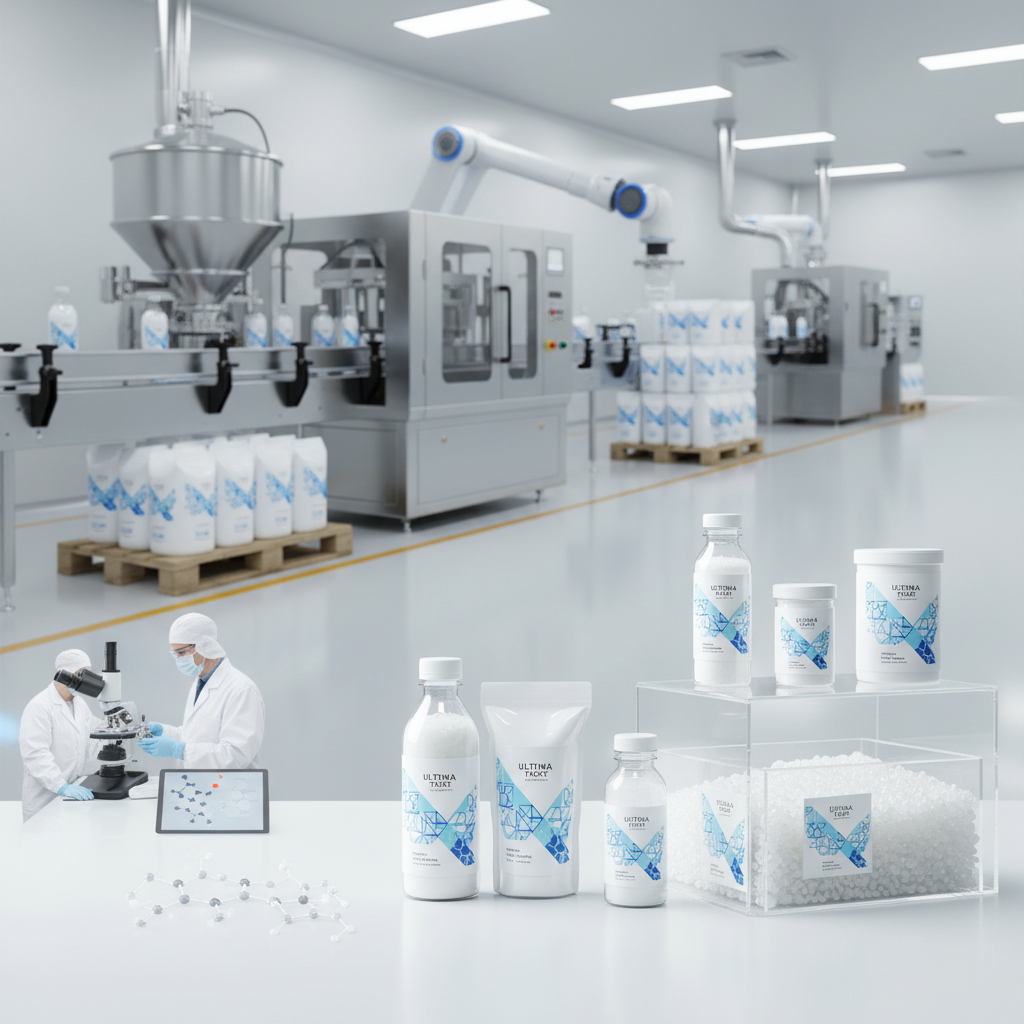
In the contemporary culinary and industrial landscape, glutamate seasoning serves as a cornerstone for flavor enhancement, bridging the gap between raw ingredients and the savory "umami" profile that consumers crave globally. Its ability to amplify the natural tastes of food makes it an indispensable tool for food manufacturers, chefs, and home cooks alike, ensuring consistency and palatability across diverse product lines.
Understanding the science and application of glutamate seasoning is crucial for businesses operating within the food additive sector. As global food security and the demand for processed convenience foods rise, the role of flavor enhancers has transitioned from simple additives to complex components of nutritional and sensory engineering, affecting everything from snack foods to high-end pharmaceutical-grade intermediaries.
By integrating high-quality glutamate seasoning, manufacturers can reduce the reliance on excessive sodium while maintaining a rich taste profile, addressing the growing consumer demand for healthier yet delicious options. This balance of technical efficiency and sensory appeal is what drives the continuous innovation in the food additive and seasoning industry.
Global Relevance of Glutamate Seasoning
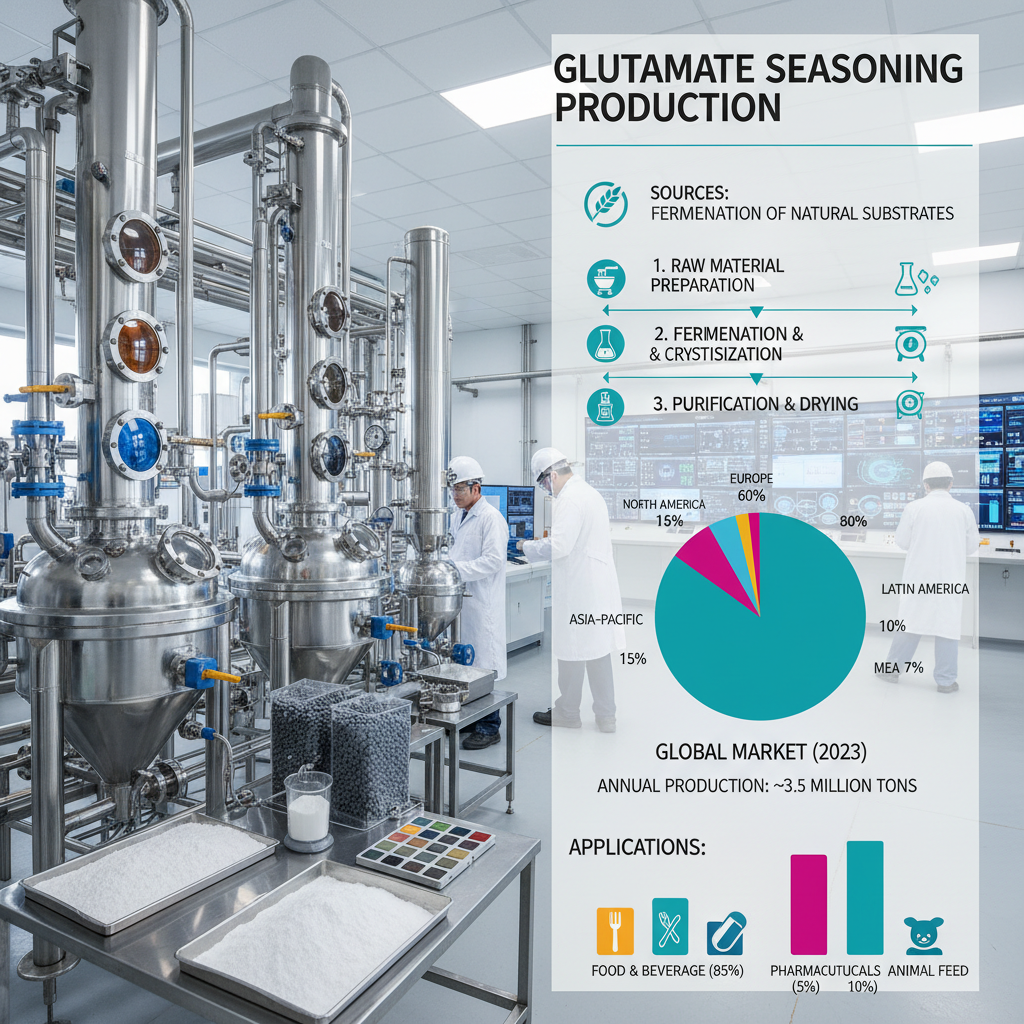
The global market for glutamate seasoning has seen exponential growth, driven by the expansion of the processed food industry in Asia-Pacific and Latin America. According to industrial food additive trends, the demand for umami-rich profiles is no longer limited to traditional Asian cuisines but has permeated global snack and ready-to-eat meal sectors, where consistency in flavor is paramount for brand loyalty.
However, the industry faces a significant challenge: balancing the high efficiency of glutamate seasoning with evolving health regulations and "clean label" trends. Manufacturers are now tasked with producing additives that provide the same savory punch while meeting strict ISO and food safety standards to satisfy health-conscious consumers worldwide.
Defining Glutamate Seasoning in Modern Industry
At its most basic level, glutamate seasoning is a flavor enhancer that triggers the umami taste receptors on the human tongue, creating a sensation of savoriness and fullness. While often associated with MSG, modern industrial glutamate seasonings are often complex blends incorporating nucleotides and other amino acids to create a synergistic effect that maximizes taste perception.
In the context of the food manufacturing industry, this seasoning is more than just a powder; it is a precision tool used to standardize the taste of mass-produced foods. By controlling the concentration of glutamates, producers can ensure that a product tastes identical whether it is manufactured in a plant in Shanghai or distributed in a supermarket in New York.
Beyond food, the chemistry behind glutamate seasoning overlaps with pharmaceutical intermediates and feed additives. The ability to synthesize pure glutamate compounds is essential for creating specialized nutrient supplements and animal feed that promotes healthier growth and better appetite in livestock, showcasing its versatility across different industrial sectors.
Core Components and Quality Factors
The efficacy of glutamate seasoning depends heavily on its purity and the synergy between its components. High-grade seasonings often combine L-glutamate with disodium inosinate (IMP) and disodium guanylate (GMP), which significantly amplify the perceived intensity of the flavor compared to using a single component.
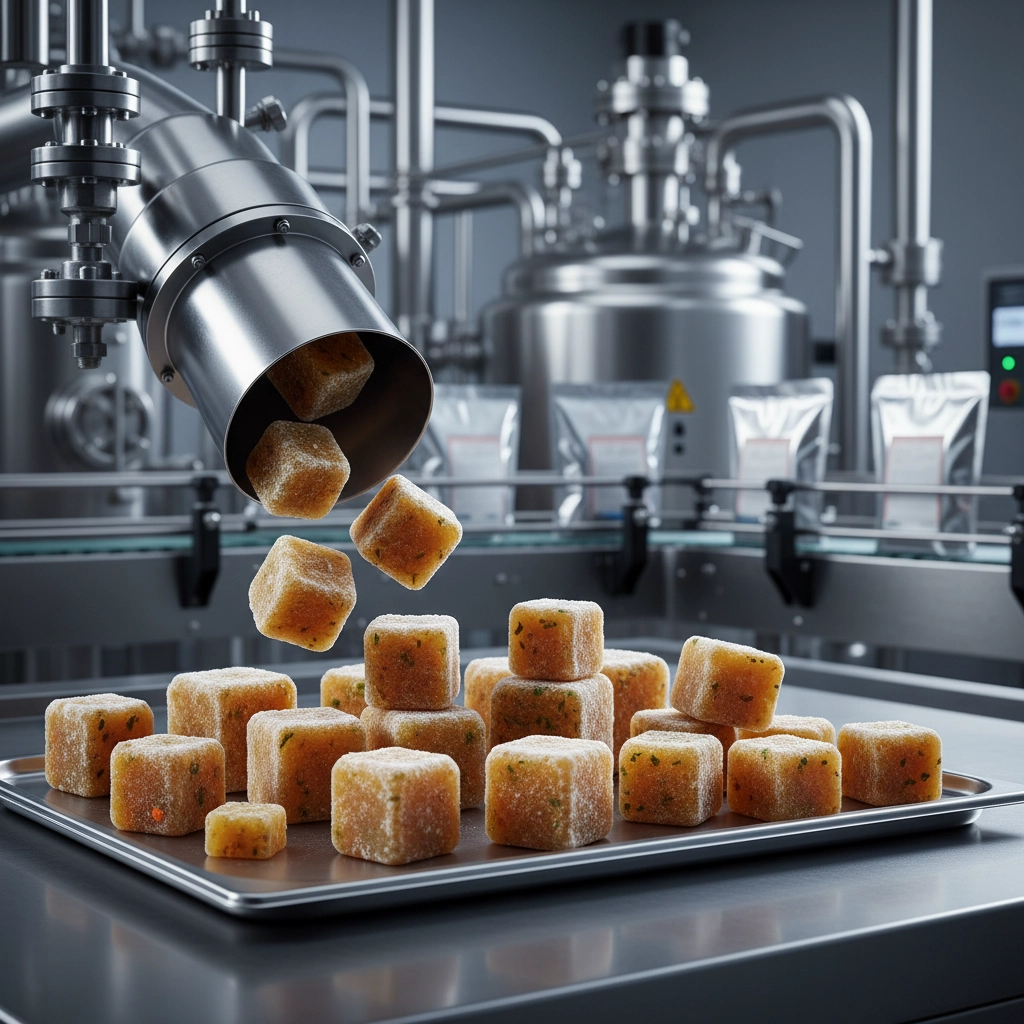
Solubility and stability are critical parameters for glutamate seasoning. In industrial applications, the seasoning must dissolve rapidly without clumping, especially in high-temperature processing environments or within encapsulated flavor beads, ensuring an even distribution of taste throughout the final food product.
Cost efficiency remains a primary driver for manufacturers. By optimizing the fermentation process used to produce glutamate seasoning, companies can achieve a high-yield output that reduces the cost per unit while maintaining the strict chemical specifications required for food-grade certifications.
Industrial Applications and Use Cases
The practical application of glutamate seasoning spans across various global sectors. In the snack food industry, it is used to create the addictive "craveability" found in potato chips and extruded corn snacks. In the meat processing sector, it is integrated into cured meats and sausages to maintain a savory profile that might otherwise be lost during the smoking or drying processes.
Moreover, in specialized contexts such as emergency food rations or post-disaster relief operations, glutamate seasoning is added to nutrient-dense pastes and dehydrated meals. This not only improves the psychological well-being of recipients by providing familiar, palatable tastes but also encourages the consumption of essential nutrients in high-stress environments.
Performance Analysis of Glutamate Seasoning Variants
Long-Term Value and Economic Advantages
Integrating high-quality glutamate seasoning provides tangible long-term value by optimizing raw material costs. Because these enhancers are potent in small quantities, manufacturers can achieve a desired flavor profile without needing to increase the volume of expensive proteins or natural extracts, thereby protecting profit margins.
Beyond the balance sheet, there is a significant social and emotional value. Trust in food consistency creates consumer safety and reliability. When a brand can guarantee a consistent taste experience through scientific application of glutamate seasoning, it builds a relationship of trust with the consumer, which is the most valuable intangible asset in the competitive food additive market.
Future Trends in Flavor Innovation
The future of glutamate seasoning is inextricably linked to the "Green Chemistry" movement. We are seeing a shift toward bio-based fermentation processes that utilize sustainable feedstocks, such as agricultural waste, to produce glutamate. This reduces the carbon footprint of the manufacturing process and aligns with global sustainability goals.
Digital transformation is also playing a role, with AI-driven flavor mapping now allowing chemists to predict exactly how glutamate seasoning will interact with other ingredients. This precision reduces waste during the R&D phase and accelerates the time-to-market for new food products.
Furthermore, the rise of plant-based meats has created a massive new demand. Since plant proteins often lack the inherent savoriness of animal proteins, specialized glutamate seasoning formulations are being developed to mimic the exact molecular profile of grilled meat, driving a new wave of innovation in the pharmaceutical and food additive sectors.
Technical Challenges and Expert Solutions
One of the most persistent challenges in using glutamate seasoning is the public perception and the "anti-MSG" sentiment. The solution lies in educational transparency and the development of "Natural-Source" glutamate seasonings derived from yeast extracts or fermented fungi, which provide the same chemical benefit but with a cleaner label that consumers trust.
Another technical hurdle is the hygroscopic nature of many glutamate powders, which can lead to clumping during storage. Expert solutions include the use of advanced anti-caking agents or the implementation of micro-encapsulation technology, where the glutamate seasoning is shielded by a thin lipid layer that dissolves only upon cooking.
Finally, achieving the perfect balance between saltiness and savoriness requires a precise ratio of sodium to glutamate. By employing a "Salt-Reduction Strategy," manufacturers can replace a portion of table salt with glutamate seasoning, maintaining the perceived saltiness while significantly lowering the actual sodium content, thus meeting stringent health guidelines.
Comparison of Glutamate Seasoning Production Methods and Efficiency
| Production Method |
Purity Level |
Cost Efficiency |
Market Acceptance |
| Chemical Synthesis |
Ultra High |
Medium |
Low (Label Issues) |
| Bacterial Fermentation |
High |
High |
Medium |
| Yeast Extract Method |
Medium |
Low |
Very High |
| Enzymatic Hydrolysis |
High |
Medium |
High |
| Plant-Based Extraction |
Medium |
Low |
Very High |
| Hybrid Fermentation |
High |
Medium |
High |
FAQS
Professional glutamate seasoning often incorporates a synergistic blend of ribonucleotides (like IMP and GMP) along with L-glutamate. This combination creates a much more intense and complex umami experience than pure MSG, allowing manufacturers to use smaller quantities to achieve the same or better taste results.
Yes, absolutely. Because glutamate seasoning enhances the perception of saltiness, it can be used to replace a significant portion of sodium chloride without sacrificing the savory taste of the product. This is a key strategy for brands aiming for "low-sodium" certifications.
Generally, glutamates are quite stable. However, to prevent degradation or clumping in extreme industrial environments, we recommend using encapsulated glutamate seasoning. This ensures the flavor is released only at the point of consumption or during the final stage of cooking.
For plant-based proteins, you need a seasoning that mimics the specific amino acid profile of animal fats. We suggest a blend of glutamate seasoning combined with yeast extracts and specific nucleotides to bridge the "flavor gap" and provide a meaty mouthfeel.
Yes, the industry is moving toward bio-fermentation using sustainable agricultural by-products as substrates. These eco-friendly glutamate seasoning options reduce environmental impact while providing the same chemical purity and flavor intensity as traditional methods.
Buyers should look for certifications such as ISO 22000, HACCP, and HALAL/KOSHER where applicable. Requesting a detailed Certificate of Analysis (CoA) that specifies the purity of L-glutamate and the absence of heavy metals is essential when sourcing glutamate seasoning globally.
Conclusion
In summary, glutamate seasoning is far more than a simple taste additive; it is a sophisticated tool of food science that enables global consistency, cost-efficiency, and sensory excellence. From its role in reducing sodium to its critical application in the emerging plant-based meat market, the versatility of glutamate-based enhancers continues to drive innovation across the food, feed, and pharmaceutical industries.
As the industry moves toward more sustainable, bio-based production and transparent labeling, the importance of choosing a high-quality, scientifically backed seasoning partner becomes paramount. By embracing these technical advancements, manufacturers can ensure their products not only taste superior but also meet the stringent health and environmental standards of the future. Visit our website for more professional solutions: www.chinaseasoning.com