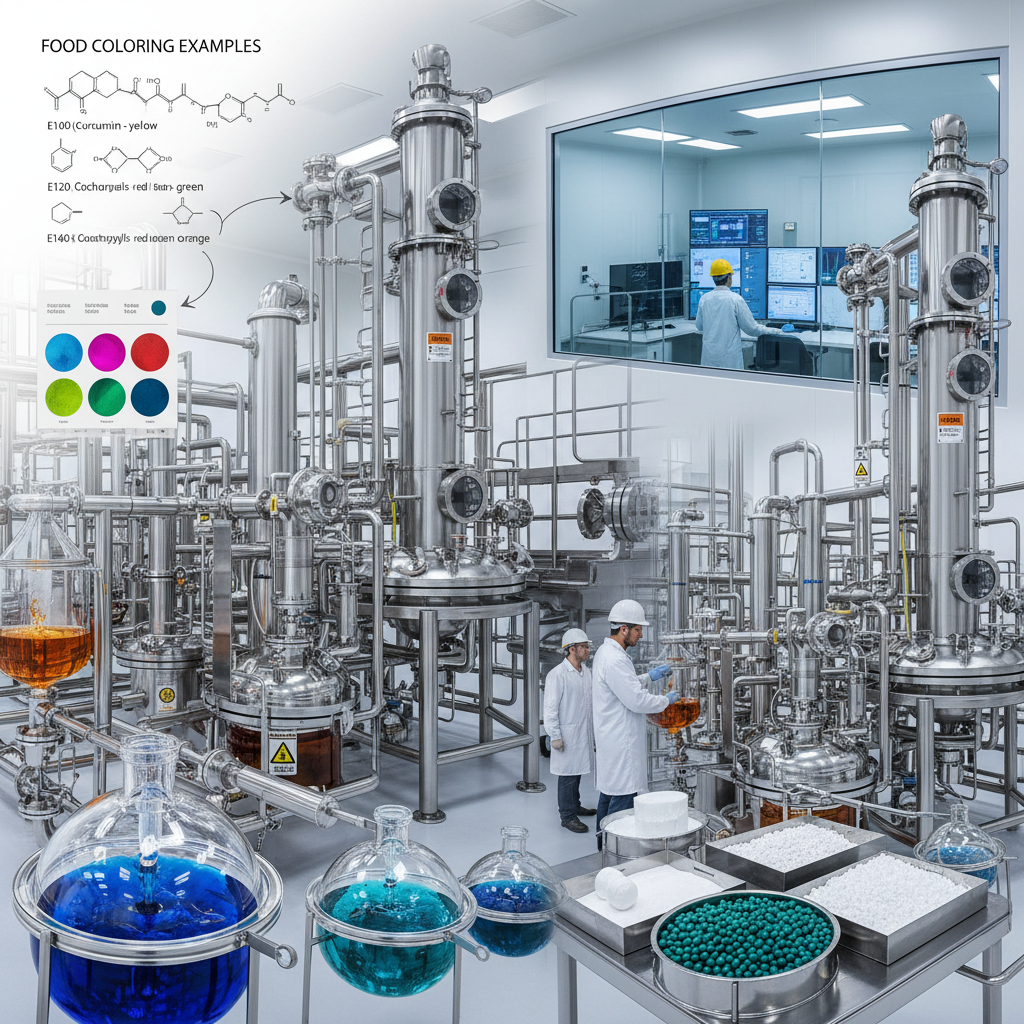
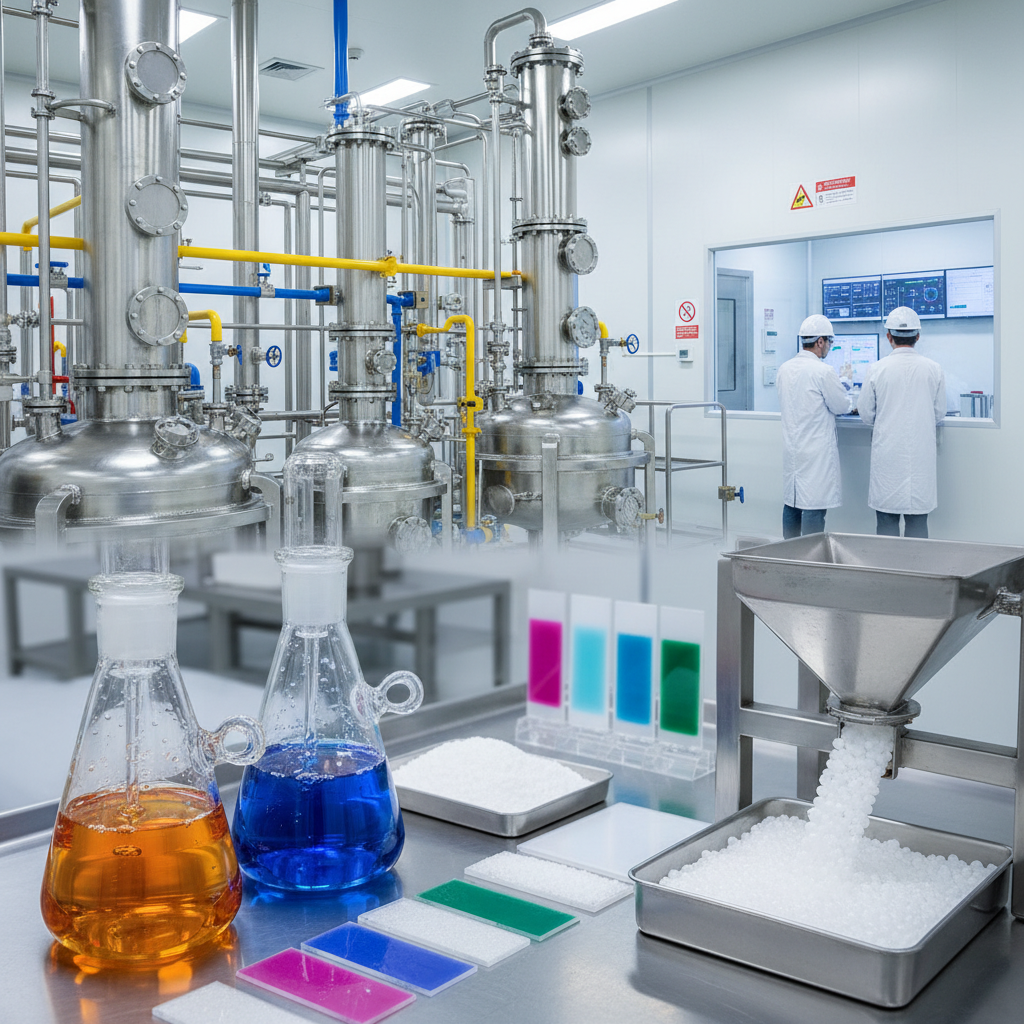
Visual appeal is a cornerstone of consumer psychology in the food industry, making the study of examples of food colouring essential for manufacturers aiming to capture market attention. Whether it is the deep red of a gourmet sauce or the vibrant yellow of a confectionery treat, the strategic application of colorants ensures product consistency and enhances perceived flavor profiles across global markets.
Understanding the diversity of these additives—ranging from nature-derived pigments to high-stability synthetic dyes—allows food scientists to balance aesthetic goals with regulatory compliance and nutritional value. As consumer demand shifts toward "clean label" ingredients, the industry is witnessing a pivotal transition in how these coloring agents are sourced and integrated into complex food matrices.
By exploring various examples of food colouring, businesses can optimize their production lines to ensure that the end product not only looks appetizing but also maintains its integrity during storage and transport. This comprehensive guide delves into the technical specifications, global applications, and future innovations driving the evolution of food pigmentation.
Classification of Global Food Colouring Agents
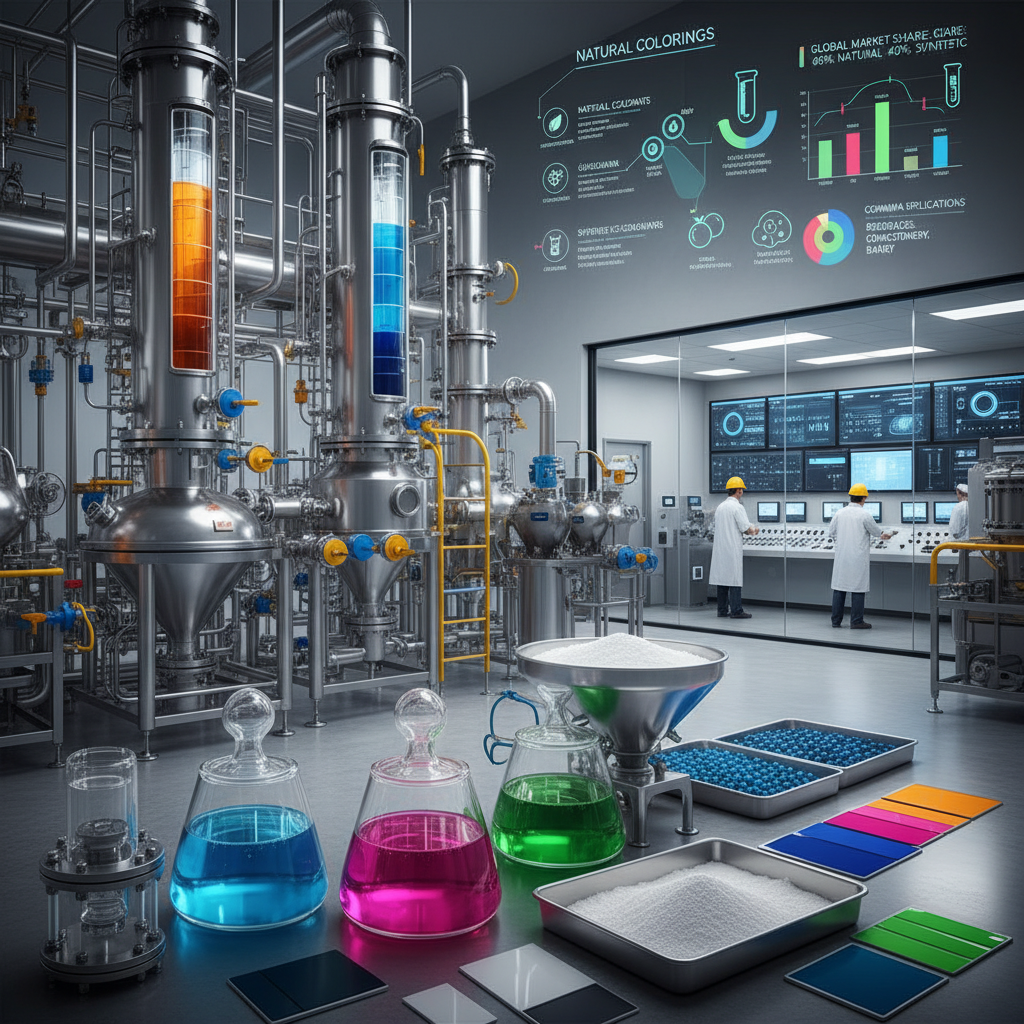
The landscape of food pigmentation is broadly divided into natural and synthetic categories, each offering distinct advantages. Natural examples of food colouring include anthocyanins derived from berries, carotenoids from carrots, and chlorophyll from leafy greens, which appeal to health-conscious consumers seeking additive-free labels.
Conversely, synthetic dyes—such as Tartrazine or Allura Red—provide unmatched color intensity and stability under extreme heat or pH changes. These are often preferred in large-scale industrial manufacturing where cost-efficiency and absolute uniformity across batches are the primary operational priorities.
Technical Factors in Colour Stability
Achieving a consistent hue requires a deep understanding of chemical stability. Factors such as oxidation, light exposure, and thermal degradation can cause colors to fade or shift, which is why selecting the right examples of food colouring depends heavily on the final product's environment. For instance, a pigment used in a frozen dessert must behave differently than one used in a high-temperature baked good.
pH levels play a critical role in pigment expression. Some natural colors, like anthocyanins, act as pH indicators, changing from red to blue depending on the acidity of the food matrix. To combat this, manufacturers often employ encapsulation techniques, shielding the colorant within a microscopic polymer shell to maintain visual integrity throughout the product's shelf life.
Scalability in production is another vital factor. The transition from a lab-scale sample to a multi-ton industrial batch requires precise dosing and homogenization. Ensuring that the coloring agent is evenly distributed prevents "spotting" and ensures that every unit leaving the factory meets the same stringent visual quality standards.
Regulatory Standards for Food Pigments
Global trade requires strict adherence to regional safety standards. When analyzing examples of food colouring, one must consider the differing mandates of the FDA in the United States and the EFSA in the European Union. Certain dyes permitted in one region may be banned or require warning labels in another due to suspected allergenicity or hyperactivity links.
The implementation of ISO standards and Codex Alimentarius guidelines helps synchronize the safety profiles of these additives. By utilizing standardized purity tests, manufacturers can guarantee that their examples of food colouring are free from heavy metal contamination and meet the pharmaceutical-grade purity required for high-end food additive applications.
Compliance is not merely a legal obligation but a trust-building exercise with the consumer. Detailed labeling of "E-numbers" in Europe provides transparency, allowing consumers to identify the specific origin of the pigment, whether it is a mineral-based color or a plant-derived extract, thereby fostering long-term brand loyalty.
Performance Analysis of Colouring Methods
Evaluating the efficiency of different coloration techniques is essential for cost reduction. In the industry, we compare various examples of food colouring based on their "tinting strength"—the amount of pigment required to achieve a specific shade. High-strength synthetics typically outperform natural extracts in this metric, though the latter are gaining ground through concentration technologies.
Furthermore, the interaction between the colorant and the food's fat or water content determines the delivery method (oil-soluble vs. water-soluble). Selecting the incorrect solubility profile leads to separation or precipitation, which ruins the professional finish of the product.
Comparative Efficiency of Food Colouring Categories
Industrial Applications and Use Cases
In real-world scenarios, examples of food colouring are deployed across diverse sectors. In the confectionery industry, vibrant colors are used to differentiate flavors—red for strawberry, orange for citrus—creating a sensory expectation before the product is even tasted. This is critical in markets like Asia and North America, where bold visuals drive impulse purchases.
Beyond sweets, the pharmaceutical industry utilizes these additives in medicinal syrups and chewable tablets to mask the clinical appearance of medication, making it more acceptable for pediatric use. In remote industrial zones where food preservation is a challenge, highly stable synthetic colors are used in canned goods to maintain a "fresh" appearance despite long-term storage.
Long-term Value and Sustainability
The shift toward sustainable sourcing is redefining the value proposition of food additives. Modern examples of food colouring are increasingly derived from agricultural side-streams—such as using pomegranate peels or grape pomace—turning waste into high-value pigments. This circular economy approach reduces environmental impact while appealing to the ethical consumer.
From a logical standpoint, investing in high-quality, stable colorants reduces waste by extending the visual shelf life of products. When a product retains its color, it avoids premature disposal, thereby reducing the global food waste footprint and improving the bottom line for manufacturers.
Emotionally, the use of safe, natural colors builds a bridge of trust between the manufacturer and the end-user. Innovation in this space is not just about chemistry; it is about the dignity of providing clean, honest, and beautiful food to a growing global population.
Future Innovations in Food Coloration
The future of food pigmentation lies in biotechnology and digital precision. We are seeing the rise of "precision fermentation," where microbes are engineered to produce specific examples of food colouring that are identical to natural pigments but produced without the need for vast acreage of land or pesticides.
Automation and AI are also playing a role in "smart coloring." Digital systems can now analyze a batch of raw ingredients in real-time and automatically adjust the amount of colorant needed to compensate for natural variations in the raw material, ensuring 100% batch-to-batch consistency.
Furthermore, the development of "intelligent pigments" that change color based on the freshness of the food is on the horizon. These additives could act as visual sensors, alerting consumers when a product has expired, thus enhancing food safety and reducing health risks.
Comparative Analysis of Future Coloration Technologies
| Technology Type |
Source Material |
Stability Level |
Market Readiness |
| Precision Fermentation |
Engineered Yeast |
High |
Emerging |
| Upcycled Pigments |
Fruit Waste |
Medium |
Commercial |
| Nano-encapsulated Dyes |
Hybrid Polymers |
Very High |
Specialized |
| Algae-derived Colors |
Spirulina/Chlorella |
Medium |
Commercial |
| Smart-Sensing Dyes |
Reactive Proteins |
Low |
R&D Phase |
| Plant-based Synthetics |
Modified Plant Oils |
High |
Growing |
FAQS
For pediatric products, natural plant-derived colors like beet red, turmeric yellow, and spirulina blue are generally considered the safest. These avoid the synthetic azo dyes that some studies link to hyperactivity in sensitive children, making them the preferred choice for "clean label" baby foods and snacks.
The choice depends entirely on your product's base. If you are coloring a beverage or syrup, water-soluble examples of food colouring are required to prevent clumping. For chocolates, oils, or buttercreams, oil-soluble pigments are necessary to ensure a smooth texture and prevent the emulsion from breaking.
Generally, yes. Natural pigments are more susceptible to UV light and heat. However, this can be mitigated by using encapsulated versions of these colors or adding natural antioxidants (like Vitamin E) to the formulation to protect the pigment molecules from oxidation.
No. Regulatory bodies like the FDA and EFSA often have different lists of approved additives. For example, some red dyes common in the US are restricted in the EU. Manufacturers exporting globally must conduct a regulatory audit to ensure their coloring agents are compliant in all target markets.
While high-purity synthetic dyes are tasteless, some natural examples of food colouring can introduce subtle flavors. For instance, high concentrations of turmeric can add a slightly earthy bitterness. This is why flavor balancing is a critical part of the formulation process when using natural pigments.
The most effective way is to use "hybrid" systems or concentrated extracts. By blending a small amount of a high-intensity natural pigment with a cost-effective base, or by utilizing precision-fermented colors, you can achieve the desired visual effect without the prohibitive cost of raw botanical extracts.
Conclusion
The strategic selection and application of examples of food colouring are fundamental to the commercial success of any food manufacturing enterprise. From the initial choice between natural and synthetic agents to the navigation of complex global regulatory frameworks, the process requires a blend of chemical expertise and market insight. By prioritizing stability, safety, and visual consistency, brands can effectively communicate quality and flavor to their consumers.
Looking ahead, the industry is moving toward a more sustainable and technologically advanced era. The adoption of precision fermentation and circular economy sourcing will allow manufacturers to maintain vibrant product aesthetics while meeting the stringent environmental demands of the modern era. We encourage manufacturers to invest in R&D to transition toward these innovative solutions. Visit our website: www.chinaseasoning.com