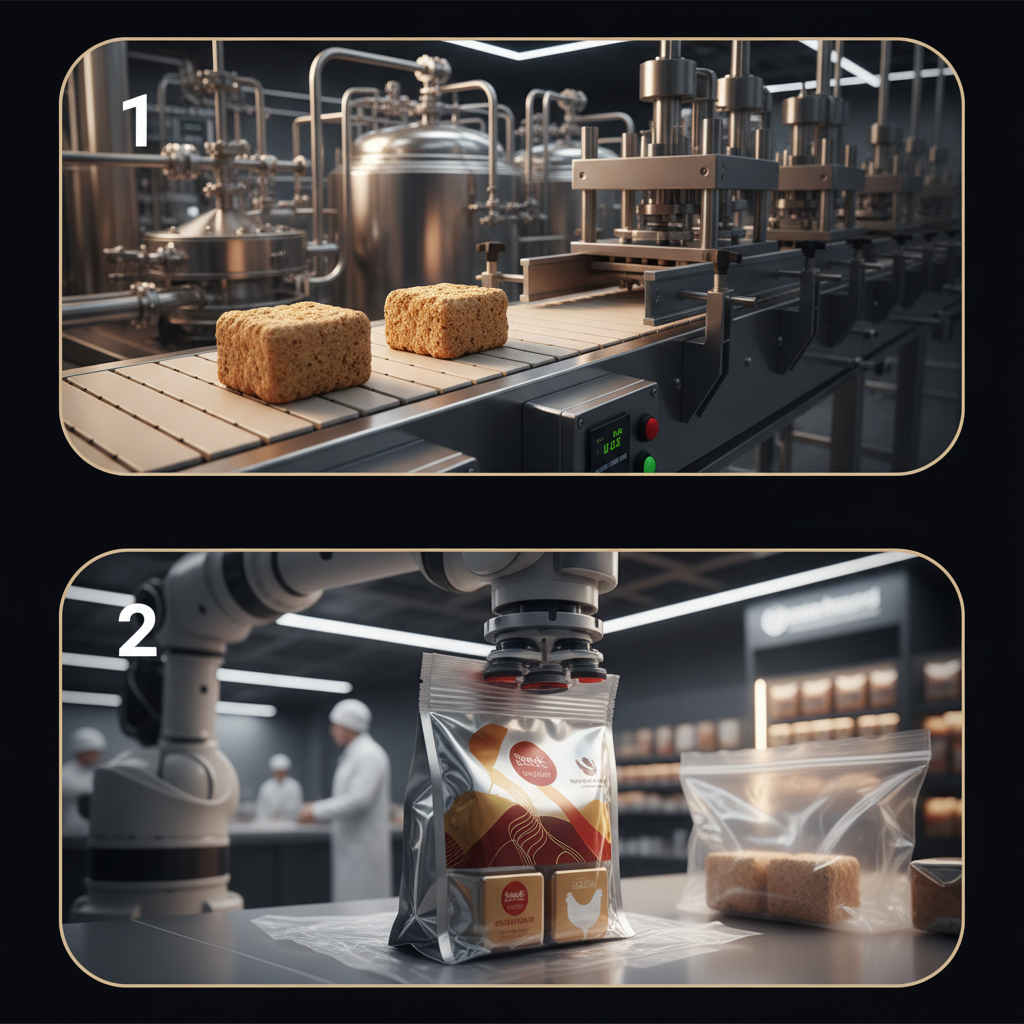
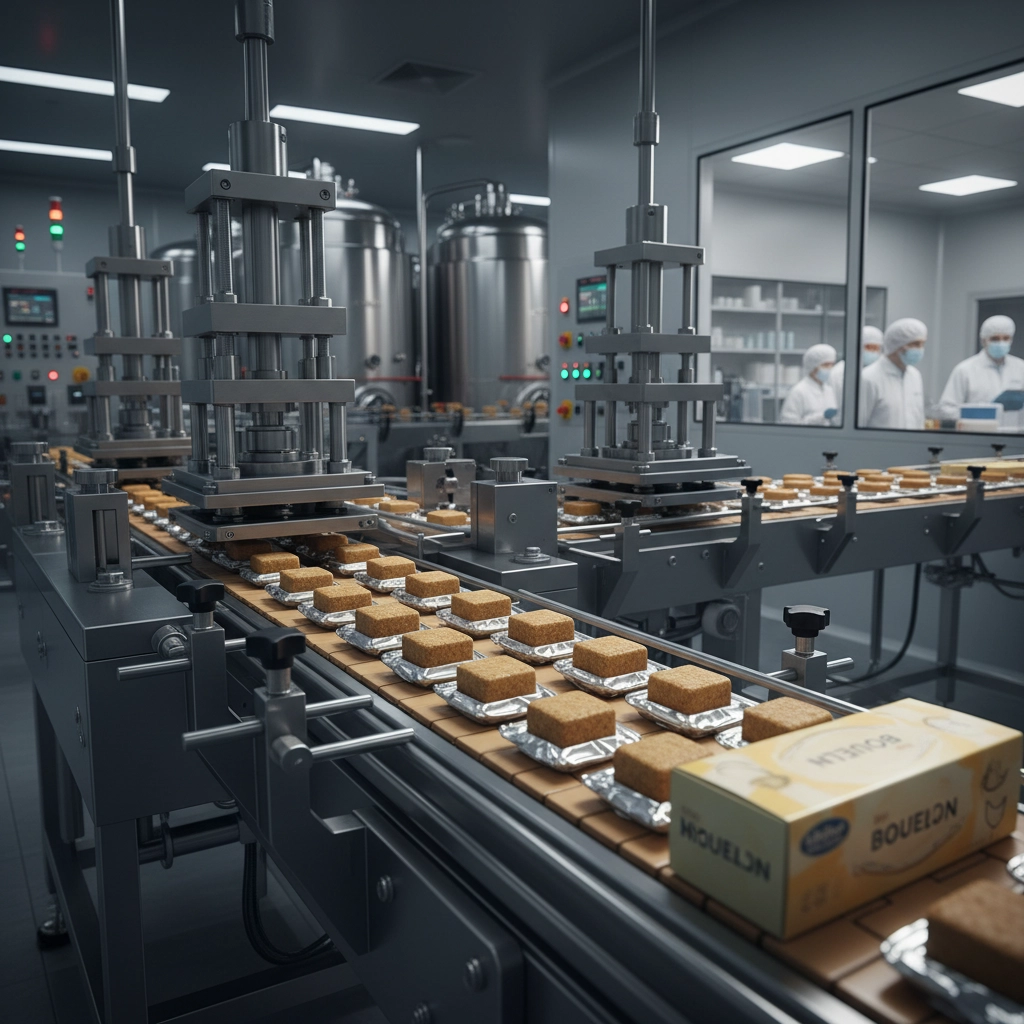
Understanding the various examples of food additives and their uses is fundamental to modern food science and industrial manufacturing. In an era where global supply chains demand extended shelf life and consistent quality, these substances act as the invisible backbone of the food industry, ensuring that products remain safe, appealing, and nutritious from the factory to the consumer's table.
From a global perspective, the strategic application of food additives addresses critical challenges such as food waste and nutritional deficiencies. By utilizing precise chemical and biological agents, manufacturers can prevent spoilage and fortify foods with essential vitamins and minerals, which is particularly vital for food security in developing regions.
For professionals in the food additive and pharmaceutical intermediate sectors, mastering the balance between functionality and safety is key. This guide provides a comprehensive analysis of common examples of food additives and their uses, exploring how they enhance texture, preserve freshness, and maintain the sensory characteristics that consumers expect in a competitive global market.
Global Relevance of Food Additive Applications
The global food industry operates on a scale that necessitates highly efficient preservation and processing methods. According to data aligned with FAO and ISO standards, food waste remains a systemic issue, with nearly one-third of all food produced globally being lost or wasted. This is where various examples of food additives and their uses become indispensable; antioxidants and preservatives extend the viability of perishables, reducing the economic and environmental burden of waste.
Furthermore, as urbanization increases, the demand for "convenience foods" has surged. The ability to maintain a consistent flavor profile and texture across different climates and shipping durations is only possible through the scientific application of emulsifiers and stabilizers. This global reliance underscores the necessity for transparent, high-purity additives that meet strict international regulatory frameworks.
Defining Food Additives in Modern Industry
In simple terms, food additives are substances added to food to maintain or improve its safety, freshness, taste, texture, or appearance. Rather than being "artificial" intruders, many are naturally occurring compounds—such as citric acid from citrus fruits or lecithin from soy—that are concentrated for industrial use. Understanding specific examples of food additives and their uses allows manufacturers to optimize product formulations for both health and hedonics.
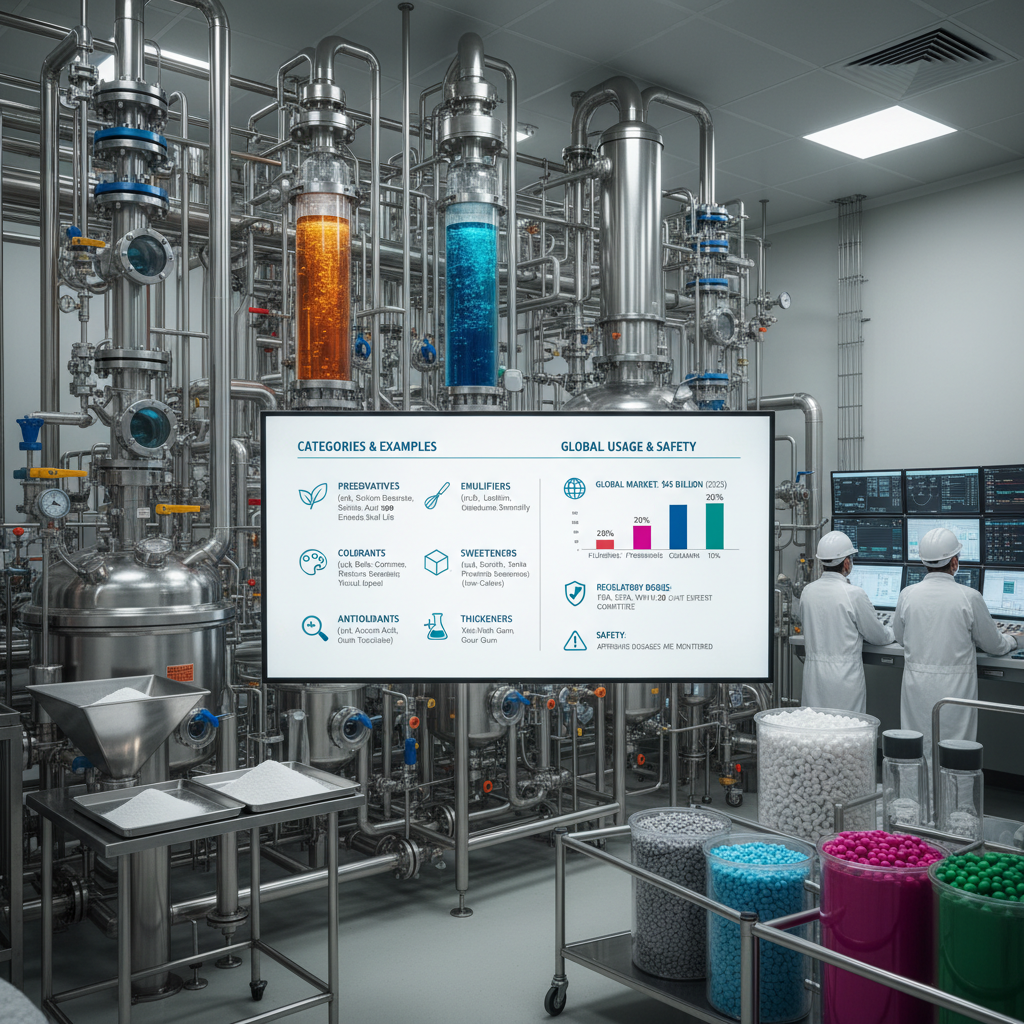
From an industrial perspective, these additives are categorized by their primary function: preservatives, colorants, flavor enhancers, and nutritional supplements. Their connection to humanitarian needs is profound; for instance, the fortification of flour with folic acid or salt with iodine has eradicated numerous deficiency-related diseases in various populations worldwide, demonstrating that additives serve a purpose far beyond mere aesthetics.
In the context of the pharmaceutical and feed additive industries, the line between food and medicine often blurs. The same high-purity intermediates used in pharmaceutical grade products are often adapted for high-end food additives to ensure maximum bioavailability and safety. This interdisciplinary approach ensures that the global food supply is not only abundant but biologically supportive.
Core Functional Components of Food Additives
One of the primary drivers in the selection of additives is Stability and Durability. In the world of examples of food additives and their uses, stabilizers like xanthan gum prevent the separation of oil and water in dressings, ensuring a consistent product experience over months of storage.
Cost Efficiency and Scalability are equally critical. By utilizing concentrated flavor enhancers or synthetic preservatives, manufacturers can maintain high quality while reducing the need for expensive, volatile raw ingredients. This allows for the mass production of affordable, nutrient-dense foods that can be distributed to low-income regions without losing potency.
Lastly, Sensory Optimization focuses on the psychological impact of food. Colorants and flavor modifiers ensure that food remains visually appealing, which is a key factor in consumer trust and appetite stimulation. When combined, these components create a synergy that enables the modern food industry to scale while maintaining safety standards.
Practical Use Cases Across Global Markets
In real-world applications, the deployment of additives varies by region and necessity. For example, in post-disaster relief operations, the use of high-stability preservatives in MREs (Meals Ready-to-Eat) is a lifesaver, ensuring that calorie-dense food can be transported to remote industrial zones or war-torn areas without refrigeration. These specific examples of food additives and their uses highlight the role of chemistry in crisis management.
Similarly, in the European and North American markets, there is a growing trend toward "clean label" additives. Here, the industry is shifting toward enzyme-based preservatives and natural extracts to meet consumer demand for transparency while still achieving the necessary shelf-life and safety parameters required by law.
Efficiency Analysis of Various Food Additive Categories
Long-Term Value and Safety Advantages
The long-term value of incorporating precise examples of food additives and their uses lies in the intersection of safety and sustainability. By inhibiting the growth of pathogens like Clostridium botulinum through nitrites or sorbates, additives provide a logical safety net that protects millions of consumers from foodborne illnesses. This reliability builds trust between the manufacturer and the end-user, which is the most valuable currency in the food industry.
Beyond safety, there is a significant emotional and social angle. Innovation in additives allows for the creation of allergen-free and gluten-free alternatives that mimic the texture and taste of traditional foods. This provides dignity and inclusivity for people with dietary restrictions, ensuring they have access to the same sensory joys of eating as the general population without compromising their health.
Future Trends in Additive Innovation
The future of food additives is leaning heavily toward "Green Chemistry" and biotechnology. We are seeing a shift where traditional chemical synthesis is being replaced by fermentation and precision bioprocessing. For example, the use of engineered yeast to produce natural flavors and colors is reducing the reliance on petrochemical precursors, aligning the industry with global sustainability goals.
Digital transformation is also playing a role. AI-driven formulation software can now predict the interaction between different examples of food additives and their uses, allowing chemists to create "minimalist" labels that use fewer ingredients while achieving the same functional results. This automation reduces waste during the R&D phase and speeds up the time-to-market for innovative products.
Finally, the integration of "smart" additives—substances that release nutrients or preservatives in response to specific environmental triggers like pH changes or temperature shifts—is on the horizon. This will lead to a new era of personalized nutrition, where additives are tailored to the specific biological needs of the consumer.
Overcoming Industry Challenges and Solutions
Despite their benefits, the industry faces challenges regarding consumer perception. Many consumers equate "additive" with "unhealthy," leading to a backlash against synthetic ingredients. The solution lies in education and radical transparency. By clearly explaining the examples of food additives and their uses on packaging and through digital storytelling, brands can pivot the narrative from "chemical addition" to "quality assurance."
Another challenge is the regulatory divergence between different countries. What is permitted in the US (FDA) may be restricted in the EU (EFSA). To overcome this, leading manufacturers are adopting the "highest common denominator" approach—formulating products to meet the strictest global standards, thereby ensuring seamless international trade and consistent safety profiles.
Lastly, the pursuit of purity in pharmaceutical intermediates used in food additives remains a technical hurdle. Implementing advanced chromatography and crystallization techniques allows manufacturers to eliminate trace impurities, ensuring that the additive provides only the intended benefit without unwanted side effects.
Comparative Analysis of Common Food Additive Categories and Their Impact
| Additive Category |
Primary Use Case |
Safety Rating (1-10) |
Industrial Impact |
| Antioxidants |
Preventing lipid oxidation in oils |
9 |
High shelf-life extension |
| Emulsifiers |
Stabilizing mayonnaise and sauces |
8 |
Improved texture consistency |
| Preservatives |
Inhibiting mold in baked goods |
7 |
Reduced microbial spoilage |
| Sweeteners |
Sugar reduction in beverages |
8 |
Calorie management |
| Thickeners |
Viscosity control in soups |
9 |
Mouthfeel optimization |
| Fortificants |
Adding Vitamin D to milk |
10 |
Public health improvement |
FAQS
Yes, provided they are used within the Acceptable Daily Intake (ADI) levels set by regulatory bodies like the FDA or EFSA. These limits are determined based on rigorous toxicological studies to ensure that the substances do not pose a risk to human health over a lifetime of consumption. Most additives are processed and excreted by the body without adverse effects.
A food ingredient is a primary component of the food (like flour, sugar, or eggs) that provides bulk, nutrition, or primary flavor. A food additive is a substance added in small quantities to achieve a specific technical effect—such as extending shelf life or maintaining color—and is not usually consumed as a standalone food source.
In many cases, yes, but it often requires a "cocktail" approach. While one synthetic preservative might do the job, a combination of natural extracts and processing techniques (like high-pressure processing) may be needed to achieve the same result. The industry is currently innovating to find high-efficiency natural alternatives that maintain the same stability as synthetics.
Additives are usually listed by their specific name (e.g., "Ascorbic Acid") or by an E-number (in Europe) or an INS number (internationally). For instance, E300 refers to Vitamin C. Checking these codes against a database allows consumers to understand the exact function of each additive in their food.
Most additives are inert and do not detract from the nutritional value. In fact, many "fortificants" actually increase the nutritional value by adding missing vitamins and minerals. However, the goal of any additive should be to preserve the existing nutrients (e.g., preventing vitamin degradation through antioxidants) rather than replacing them.
Manufacturers utilize Grade-A quality control systems, including HPLC (High-Performance Liquid Chromatography) and Mass Spectrometry, to verify the purity of every batch. Sourcing from certified suppliers who adhere to GMP (Good Manufacturing Practices) is the most effective way to ensure that additives are free from contaminants.
Conclusion
In summary, exploring the diverse examples of food additives and their uses reveals a sophisticated intersection of chemistry, nutrition, and logistics. From the critical role of preservatives in reducing global food waste to the precision of emulsifiers in creating a pleasant sensory experience, additives are essential tools for a sustainable and safe global food supply. By balancing technical efficiency with regulatory compliance and consumer transparency, the industry continues to evolve toward safer, more natural, and more effective solutions.
Looking ahead, the transition toward biotechnology and AI-driven formulations will likely redefine our relationship with food additives, moving us toward a future of personalized, "clean label" nutrition. For businesses and professionals in the food and pharmaceutical sectors, staying updated on these innovations is not just a competitive advantage but a necessity for contributing to global food security. To learn more about high-quality additive solutions and industrial applications, visit our website: www.chinaseasoning.com