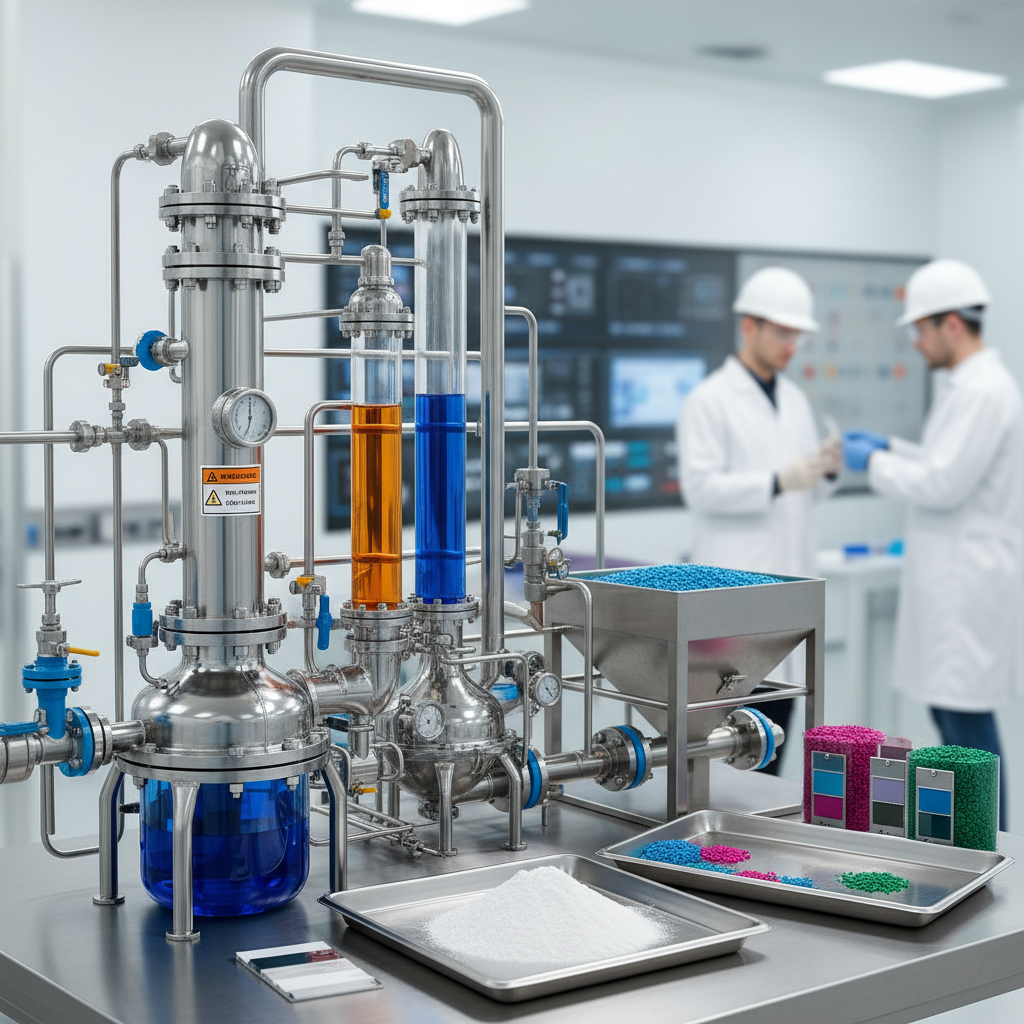
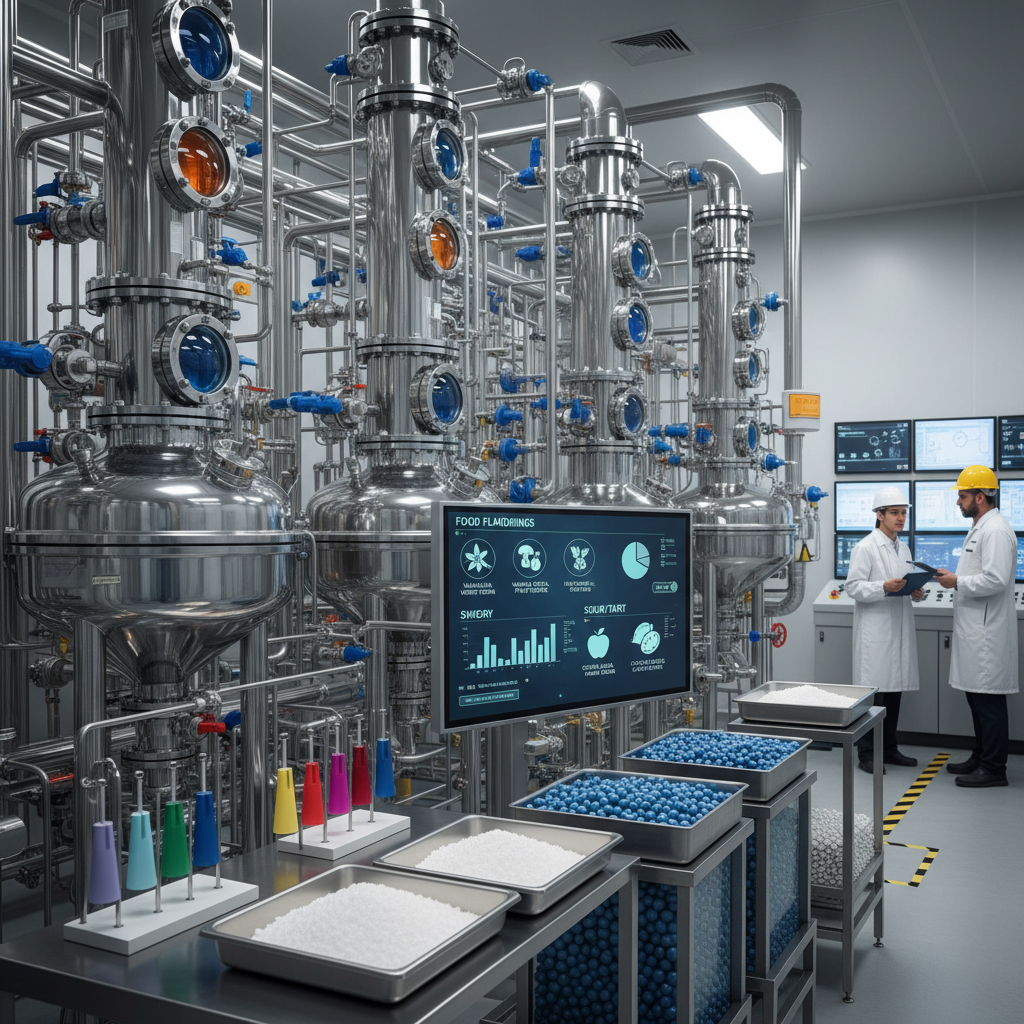
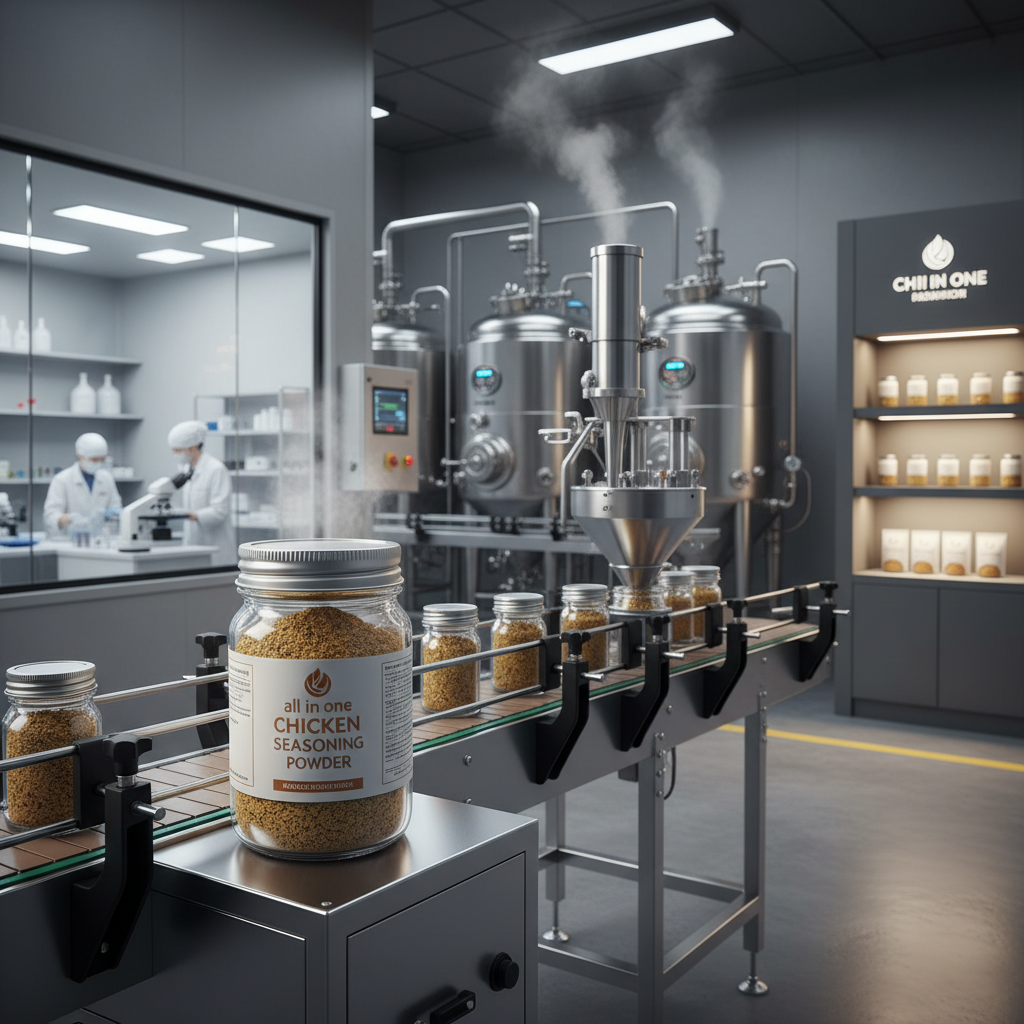
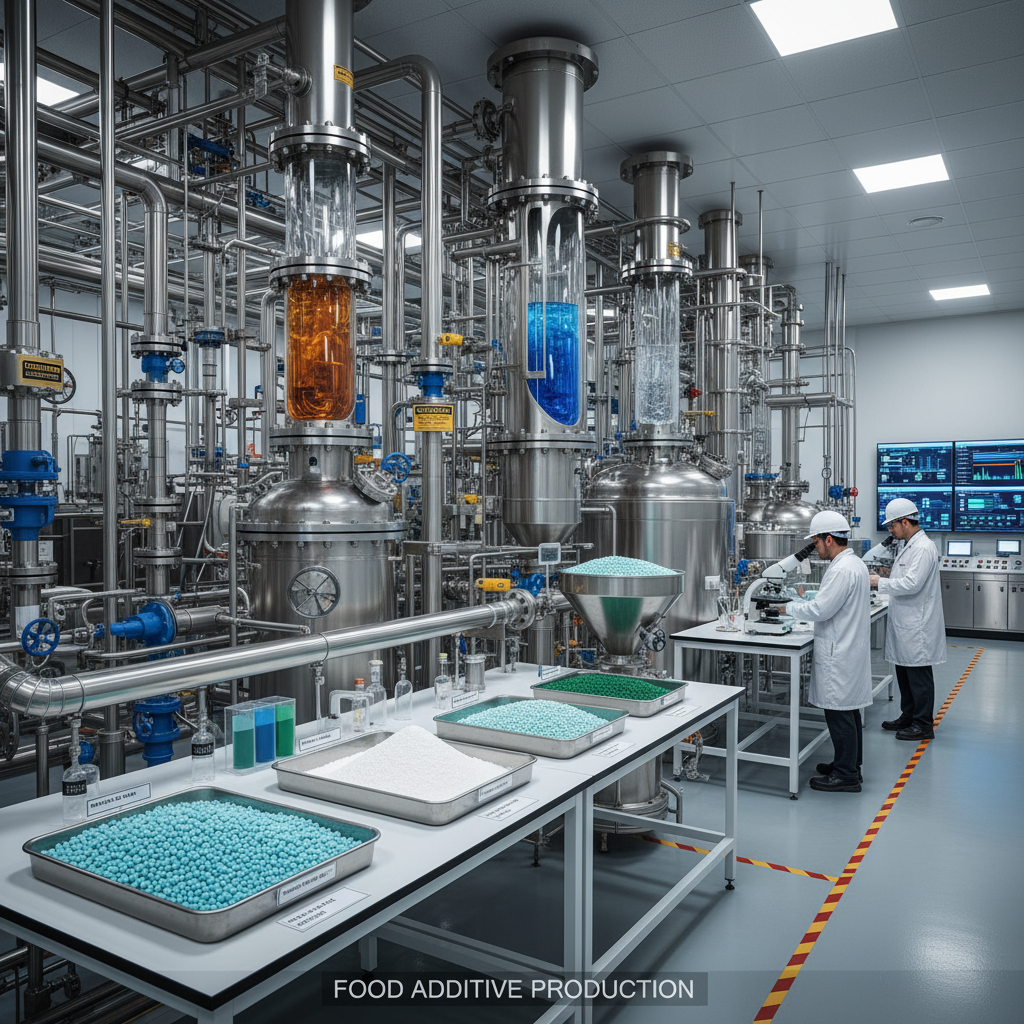
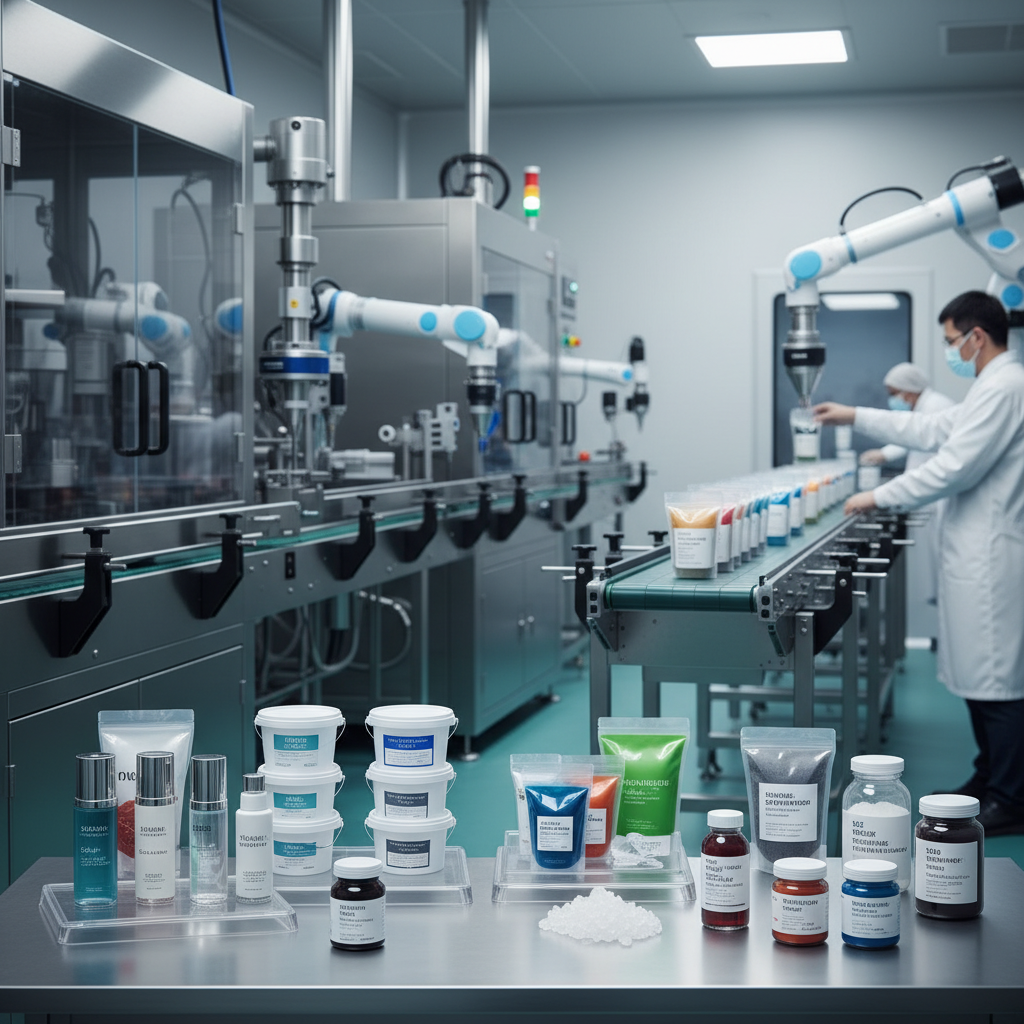
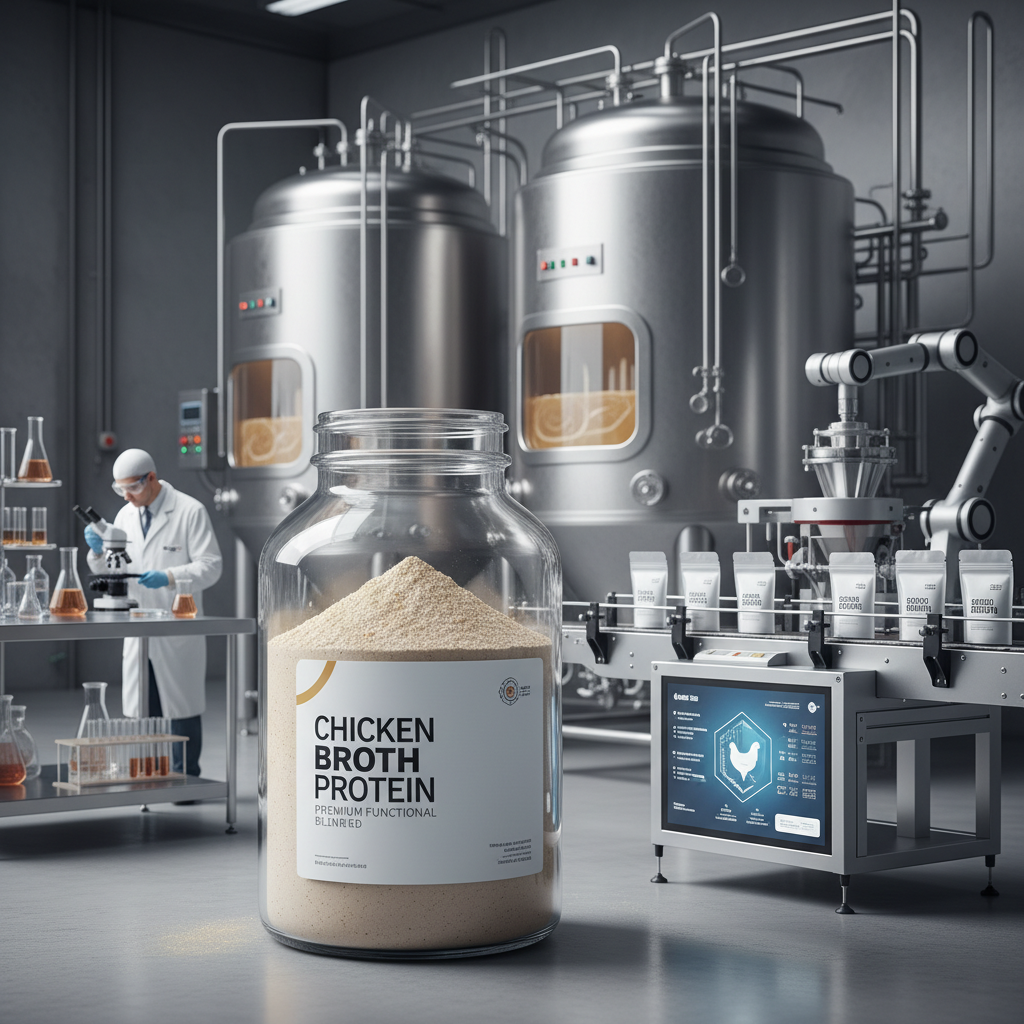
The sensory experience of eating is fundamentally driven by the complex interaction of taste and smell, where examples of flavourings in food play a pivotal role in defining consumer satisfaction. From the comforting aroma of vanilla in a baked cake to the sharp zing of citric acid in a beverage, these compounds are engineered to evoke specific emotional responses and cravings. Understanding the science behind these additives allows food manufacturers to maintain consistency across massive production batches while catering to evolving global palates.
In the modern food industry, the strategic use of flavouring agents is no longer just about masking off-notes from processing; it is about creating unique brand identities. The global market for these additives has expanded rapidly as the demand for processed, convenient, and high-protein foods grows, requiring precise chemical formulations to ensure that "meat-free" or "low-sugar" alternatives still taste authentic. This intersection of chemistry and gastronomy is what allows the industry to scale nutrition without sacrificing the pleasure of eating.
However, the challenge lies in balancing the potency of these ingredients with the increasing consumer demand for "clean label" products. By exploring various examples of flavourings in food, manufacturers can transition from synthetic compounds to natural extracts and bio-identical molecules that satisfy both regulatory standards and health-conscious consumers. This guide delves into the technical components, applications, and future trajectories of flavouring agents in the global food manufacturing landscape.
Global Context of Flavouring Agents
On a global scale, the integration of examples of flavourings in food is a multi-billion dollar endeavor influenced by ISO standards and international food safety regulations. As urbanization increases, the reliance on ultra-processed foods has surged, particularly in emerging economies where the stability of flavour over long shelf-lives is critical for food security and waste reduction.
The primary challenge facing the industry today is the "sensory gap"—the difference between the natural taste of fresh ingredients and the profile of processed goods. By utilizing advanced pharmaceutical-grade intermediates and food additives, manufacturers are now able to replicate complex organic profiles that mimic nature with startling accuracy, ensuring that nutrition is accessible and palatable worldwide.
Defining Flavouring Compounds in Industry
In simple technical terms, flavourings are substances used to modify the taste or smell of a product. When we look at examples of flavourings in food, we categorize them into natural, nature-identical, and artificial. Natural flavourings are derived from plant or animal sources via physical or enzymatic processes, while nature-identical compounds are chemically synthesized to be exactly the same molecule as the natural version.
This distinction is crucial for modern industry because it impacts labeling laws and consumer perception. For instance, the pharmaceutical intermediates used to create specific esters can produce a "strawberry" scent that is indistinguishable from the fruit itself but offers far greater stability and a lower cost of production for the manufacturer.
Beyond mere taste, these additives serve humanitarian needs by enhancing the palatability of fortified foods. In regions suffering from malnutrition, adding specific flavour profiles to nutrient-dense pastes ensures that children and adults actually consume the life-saving supplements, proving that flavouring is not just about luxury, but about efficacy in nutrition.
Core Components of Effective Flavouring
The effectiveness of examples of flavourings in food depends heavily on Volatility and Release. This refers to how quickly a flavour molecule evaporates and reaches the olfactory receptors. High-volatility compounds provide an immediate "hit" of aroma, while low-volatility agents provide a lingering aftertaste.
Another critical factor is Stability under Processing. Many food additives must withstand extreme heat during pasteurization or high pressure during extrusion. If a flavouring compound breaks down at 100°C, the final product will taste bland or metallic, regardless of how much additive was used initially.
Lastly, Synergy and Blending is where the art of food science meets chemistry. Rarely is a single molecule used; instead, a cocktail of esters, aldehydes, and ketones are blended to create a multi-dimensional profile. This ensures that the flavour doesn't taste "flat" or artificial, but rather rich and complex.
Practical Applications and Use Cases
The application of these compounds varies wildly across different sectors. In the beverage industry, water-soluble flavourings are used to create everything from zero-calorie sodas to functional energy drinks. In the meat-alternative sector, specifically for vegan burgers, manufacturers use "heme" and specific sulfur-containing compounds to replicate the savoury, "bloody" taste of beef, which is a prime example of how flavouring drives market adoption of sustainable diets.
In more specialized contexts, such as pharmaceutical-grade food additives used in medical supplements, flavourings are used to mask the inherent bitterness of active pharmaceutical ingredients (APIs). For example, in pediatric syrups, a strong cherry or grape profile is essential to ensure patient compliance, turning a medicinal necessity into a tolerable experience.
Efficacy Analysis of Flavouring Methods
Tangible Benefits and Long-Term Value
The most immediate benefit of integrating high-quality examples of flavourings in food is cost-efficiency. Sourcing fresh vanilla beans from Madagascar for every batch of ice cream is economically unfeasible for global brands; utilizing a high-purity vanillin intermediate allows for a consistent taste profile while drastically reducing raw material costs and supply chain volatility.
Beyond the balance sheet, there is a significant psychological and social value. Flavour creates trust and reliability. When a consumer buys a product, they expect the same taste every time. This consistency builds brand loyalty and emotional safety, as the sensory cues signal quality and safety to the brain, reducing the perceived risk of trying new or reformulated products.
Future Trends in Flavour Innovation
The future of flavouring is leaning heavily toward biotechnology and precision fermentation. Instead of extracting compounds from endangered plants, scientists are now using genetically modified yeast and bacteria to "brew" complex flavour molecules. This transition allows for a sustainable production model that reduces the carbon footprint of the food additive industry and eliminates the need for large-scale land use.
Digital transformation is also playing a role through "AI-driven scent mapping." By analyzing thousands of chemical combinations, AI can now predict which molecular structures will evoke a specific memory or emotion in a target demographic. This allows for the creation of bespoke flavour profiles tailored to specific regional preferences with surgical precision.
Furthermore, we are seeing a rise in "smart encapsulation." These are micro-beads that protect the flavouring compound from heat and oxygen, only releasing the aroma when they hit the consumer's tongue or are triggered by a specific temperature. This technology ensures that the "freshly baked" smell is preserved from the factory to the dinner table.
Overcoming Industrial Challenges
One of the primary limitations in current practice is the "chemical aftertaste" associated with some synthetic examples of flavourings in food. This is often caused by an imbalance in the molecular weight of the aromatic compounds. The solution lies in "hybrid flavouring," where a small percentage of natural oils are blended with synthetic bases to provide the organic "depth" that pure chemicals lack.
Regulatory hurdles also present a challenge, as different countries have vastly different definitions of what constitutes a "natural" flavour. To overcome this, global manufacturers are adopting a "Universal Compliance" strategy, formulating products to meet the strictest standards (such as EFSA in Europe) to ensure seamless international trade and export capabilities.
Finally, the struggle for sustainability is being met with green chemistry. By substituting petroleum-based solvents with bio-based alternatives during the synthesis of food additives, the industry is reducing its environmental impact while maintaining the high purity levels required for pharmaceutical and food-grade applications.
Comparative Analysis of Flavouring Synthesis Methods
| Methodology |
Cost Efficiency |
Taste Authenticity |
Sustainability Score |
| Traditional Steam Distillation |
Low |
Very High |
Moderate |
| Chemical Synthesis (Esters) |
Very High |
Moderate |
Low |
| Precision Fermentation |
Moderate |
High |
Very High |
| Enzymatic Modification |
Moderate |
High |
High |
| Cold-Press Extraction |
Low |
Extreme |
Moderate |
| Bio-Identical Synthesis |
High |
High |
Moderate |
FAQS
Natural flavourings are extracted directly from biological sources (plants, animals, fungi) using traditional methods. Artificial flavourings are synthesized in a lab; however, many are "nature-identical," meaning they share the exact same molecular structure as the natural version but are created chemically to ensure purity and scalability.
Yes, provided they are GRAS (Generally Recognized As Safe) and comply with FDA or EFSA regulations. Most flavouring compounds are used in minute quantities, often parts per million, making them safe for the general population when used within approved regulatory limits.
Stability is achieved through encapsulation or by using heat-stable intermediates. Encapsulation wraps the flavour molecule in a protective shell (like maltodextrin), which only melts or breaks open at a specific temperature, preventing the aroma from evaporating during baking or frying.
Absolutely. "Taste enhancers" can trick the brain into perceiving sweetness or saltiness even when those ingredients are reduced. By using specific aromatic profiles, manufacturers can create a "perceived" sweetness that allows for lower sugar content without sacrificing consumer enjoyment.
Common examples include Vanillin (for vanilla), Ethyl Butyrate (for pineapple/fruit), Citric Acid (for sourness), and various MSG-based compounds for umami. These are often blended into complex "flavour bases" tailored for specific food categories like dairy, bakery, or confectionery.
The transition involves replacing synthetic additives with natural extracts or using precision fermentation. The key is to find a bio-identical alternative that offers the same stability and potency as the chemical version but can be labeled as "natural" under local food laws.
Conclusion
The strategic implementation of examples of flavourings in food is a cornerstone of the modern food industry, bridging the gap between nutritional necessity and sensory pleasure. By mastering the balance of volatility, stability, and synergy, manufacturers can produce consistent, high-quality products that resonate with global consumers while maintaining economic viability and regulatory compliance.
Looking ahead, the shift toward biotechnology and AI-driven formulation promises a future where flavouring is not only more sustainable but also more personalized. For companies looking to innovate in the food additive space, investing in high-purity intermediates and bio-identical compounds is the most effective path toward achieving a "clean label" without compromising on taste. Visit our website for professional solutions: www.chinaseasoning.com