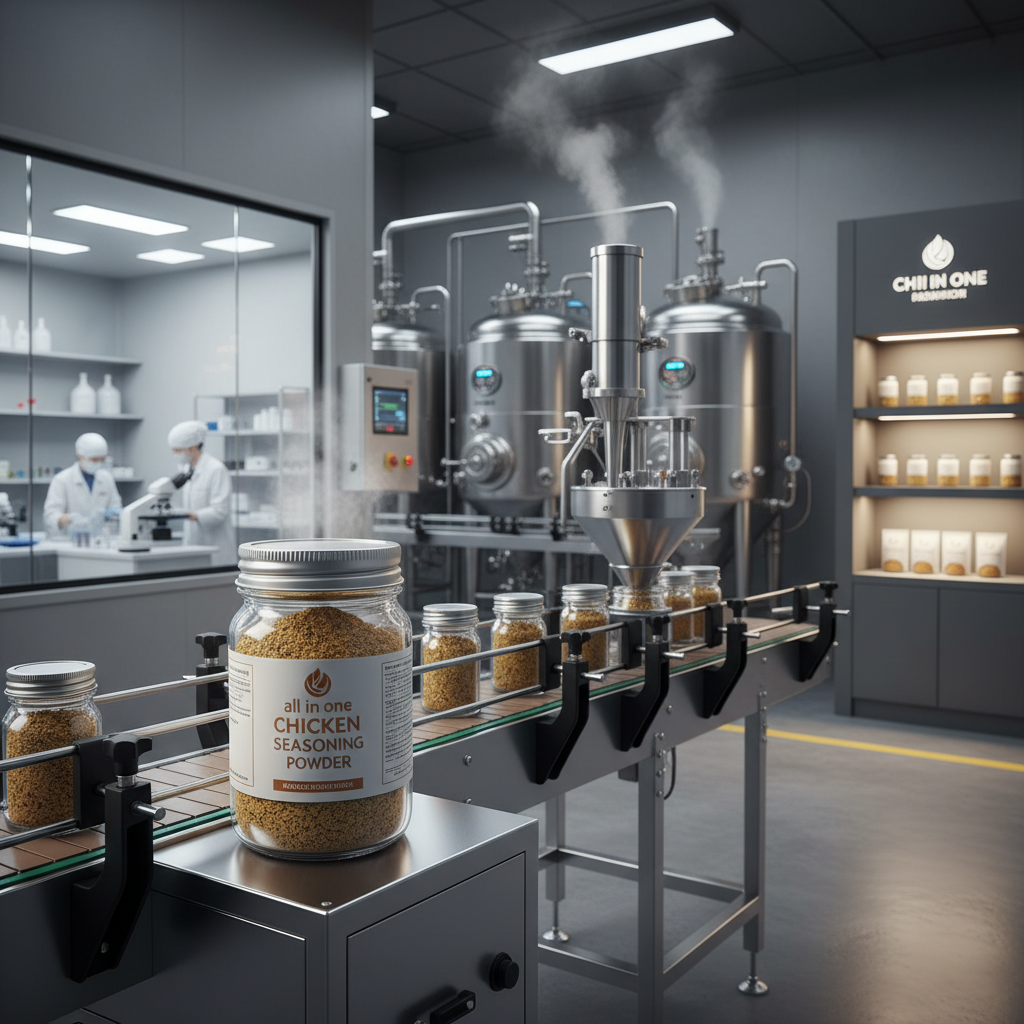
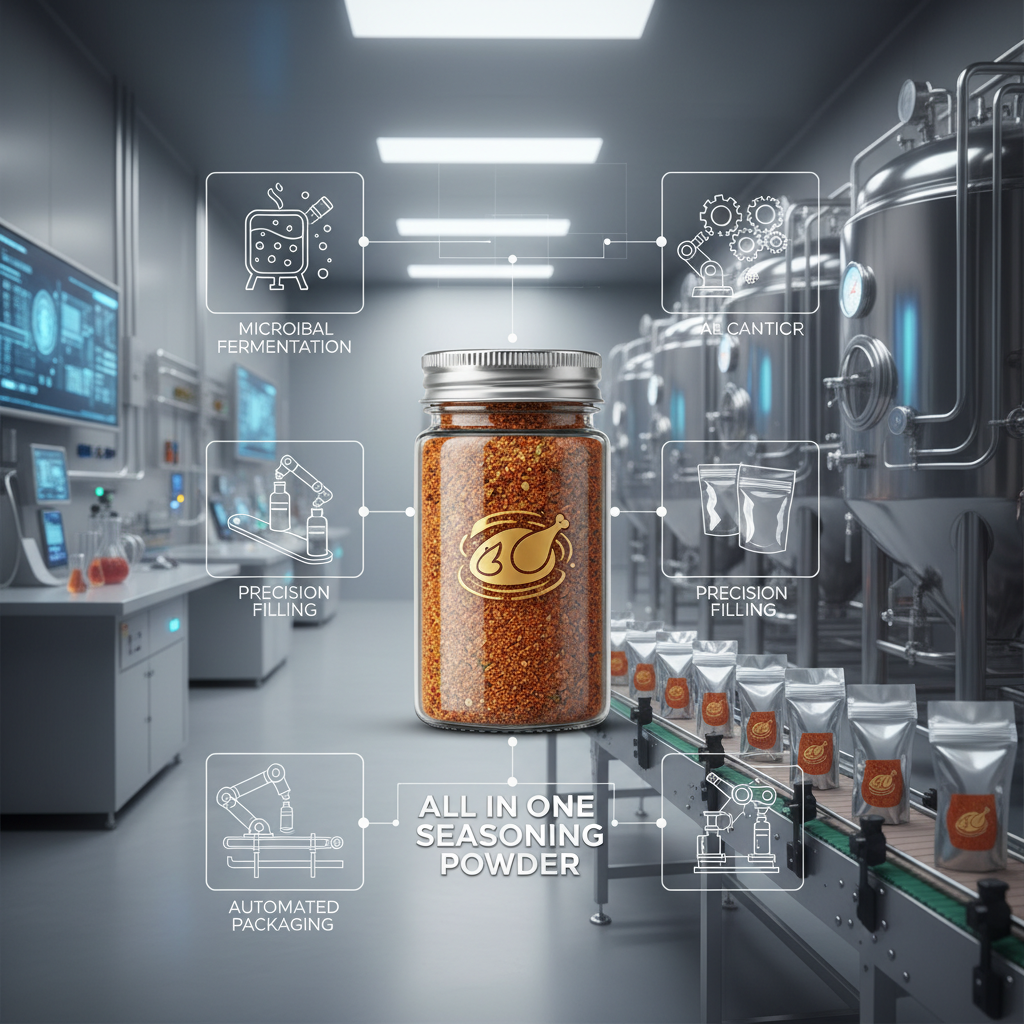
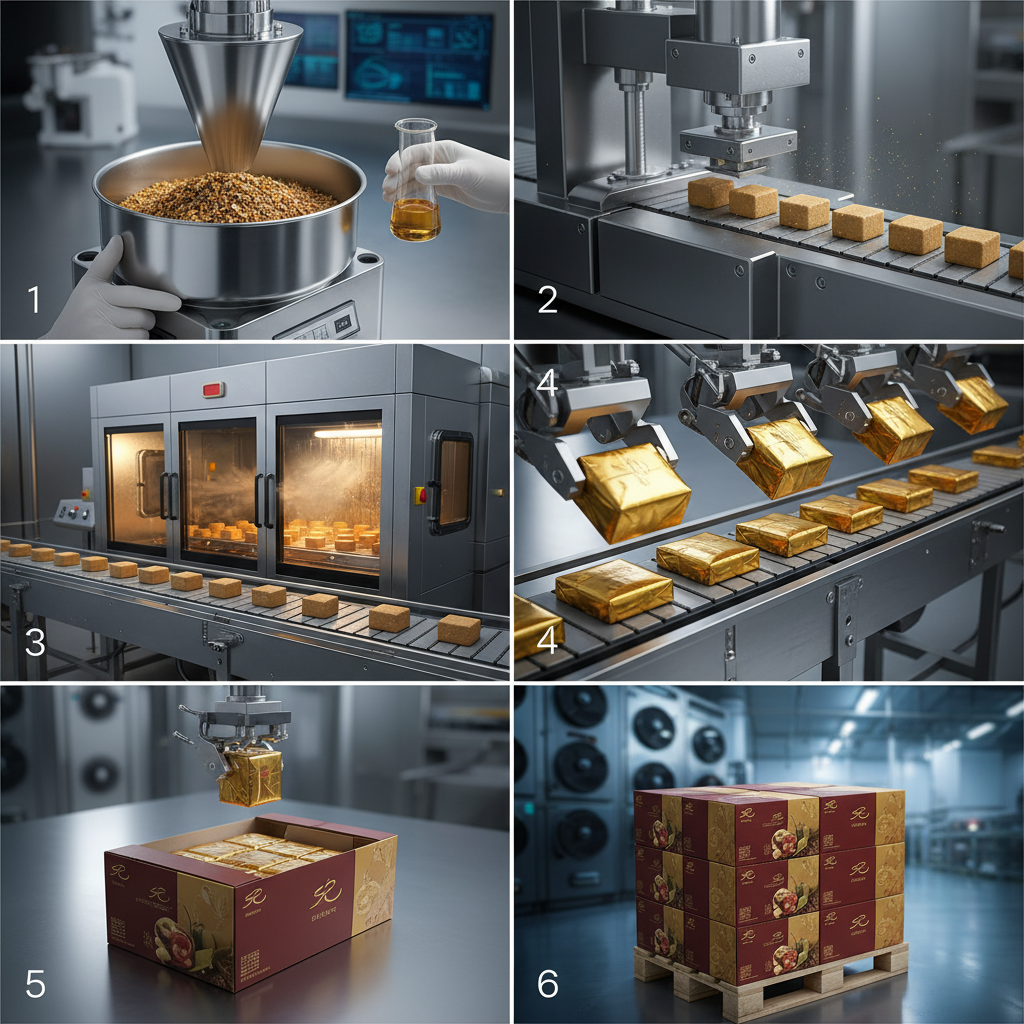
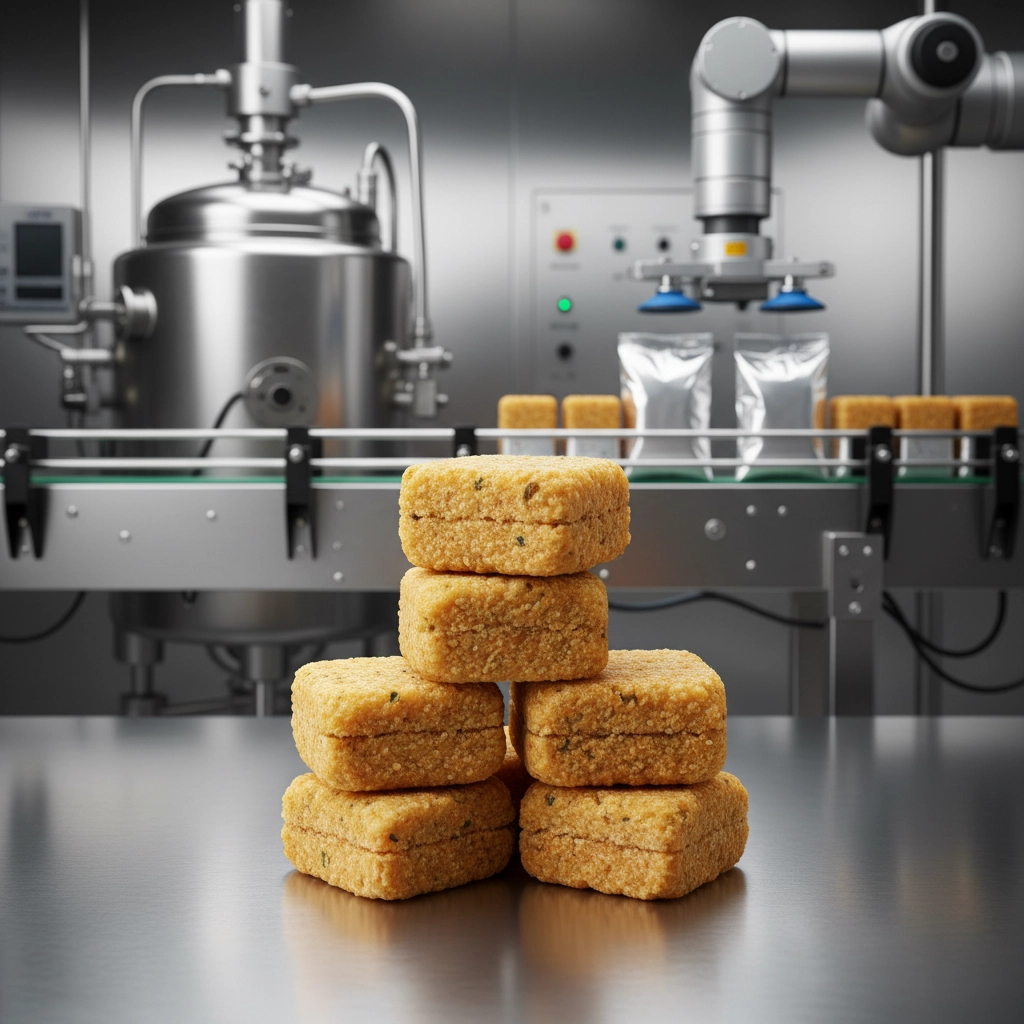
In the competitive landscape of the global food industry, the demand for efficiency and flavor consistency has led to the rise of professional-grade seasoning solutions. An all in one chicken seasoning powder represents a strategic convergence of culinary art and food science, designed to streamline production processes while maintaining high gastronomic standards. By consolidating multiple flavor profiles and functional additives into a single blend, manufacturers can significantly reduce preparation time and minimize the risk of batch inconsistency.
From a global perspective, the poultry sector continues to expand as a primary protein source, driving the need for scalable seasoning options that cater to diverse regional palates. Whether used in industrial food processing or high-volume catering, an all in one chicken seasoning powder ensures that the complex balance of savory, salty, and aromatic notes is delivered uniformly across every product unit. This standardization is critical for brands looking to maintain customer loyalty across different geographic markets.
Understanding the technical composition and application of these blends is essential for food technologists and procurement managers alike. Beyond simple taste, modern seasoning powders incorporate anti-caking agents and flavor enhancers that ensure stability during storage and optimal performance during cooking. By integrating an all in one chicken seasoning powder into their workflow, companies can achieve a sophisticated taste profile without the overhead of managing dozens of individual raw ingredients.
Global Context and Industrial Relevance of Chicken Seasoning
The global food additives market has seen a significant shift toward "integrated solutions" to combat rising labor costs and the complexity of supply chain management. According to industry trends aligned with ISO quality standards, the transition toward an all in one chicken seasoning powder allows manufacturers to bypass the volatility of sourcing individual spices from multiple continents, thereby stabilizing their cost structures.
In an era where consumer demand for "ready-to-eat" and "easy-to-prepare" poultry products is skyrocketing, the ability to deploy a consistent flavor profile rapidly is a competitive necessity. The challenge often lies in maintaining the volatile aromatic compounds of natural herbs when processed at scale; however, advanced encapsulation technologies used in modern powders solve this by protecting the flavor until the point of heat application.
Defining the All-in-One Seasoning Concept
At its core, an all in one chicken seasoning powder is a scientifically formulated blend of salts, flavor enhancers, dried herbs, and spices, designed to provide a complete taste profile in a single application. Unlike simple salt-and-pepper mixes, these industrial solutions are engineered to interact with the protein structure of chicken, ensuring deep penetration of flavor and a visually appealing golden-brown finish upon cooking.
This concept addresses a critical humanitarian and industrial need: the democratization of high-quality nutrition. By utilizing standardized seasoning blends, food providers in remote areas or disaster-relief zones can produce palatable, nutrient-dense poultry meals without requiring a professional chef or a fully equipped spice pantry. It bridges the gap between gourmet quality and mass-market accessibility.
Furthermore, the "all-in-one" nature extends to functional properties. These powders often include pH regulators to maintain meat freshness and emulsifiers that ensure the seasoning adheres evenly to the skin and meat, regardless of whether the chicken is marinated, injected, or dry-rubbed.
Core Components for Flavor Stability
The efficacy of an all in one chicken seasoning powder depends heavily on the synergy between its components. Primary flavor bases, such as yeast extracts or hydrolyzed vegetable proteins, provide the essential "umami" foundation that mimics a slow-cooked broth, giving the meat a rich, savory depth that is instantly recognizable to consumers globally.
Beyond the taste, the inclusion of specialized carriers and anti-caking agents in the all in one chicken seasoning powder is what separates industrial grades from home kitchen blends. These additives prevent the powder from clumping in humid warehouse environments, ensuring that automated dosing machines can dispense the exact milligram required per kilogram of meat without blockage.
Finally, the aromatic layer—consisting of dehydrated garlic, onion, and a curated selection of herbs—is often processed through spray-drying. This ensures that the all in one chicken seasoning powder remains stable at room temperature for extended periods, only releasing its full olfactory potential when exposed to the moisture and heat of the cooking process.
Key Performance Factors in Commercial Application
When evaluating a commercial all in one chicken seasoning powder, procurement teams focus on three primary metrics: dispersion rate, flavor retention, and cost-per-unit. A high-quality powder must dissolve rapidly in brines or adhere instantly to surfaces to prevent "flavor spotting," where some parts of the meat are oversalted while others remain bland.
Additionally, the scalability of the blend is paramount. In a factory setting, the seasoning must perform identically whether it is being applied to 100 kilograms or 10 tons of poultry. This reliability reduces the need for constant quality control adjustments, thereby lowering operational overhead and increasing throughput.
Performance Comparison of All-in-One Chicken Seasoning Powder Variants
Global Use Cases Across Food Sectors
In the fast-food sector, particularly within the booming fried chicken markets of Southeast Asia and North America, an all in one chicken seasoning powder is used to ensure that a wing sold in New York tastes identical to one sold in Tokyo. This level of brand consistency is only possible through the use of precise, pre-mixed powders that eliminate human error in the kitchen.
Beyond fast food, the powder finds extensive use in the production of frozen ready-meals and canned poultry products. In these contexts, the seasoning must withstand extreme temperature fluctuations—from flash-freezing to microwave reheating—without breaking down or altering the flavor profile. This resilience makes the industrial powder far superior to fresh spice blends.
Long-Term Value and Economic Advantages
The economic value of adopting an all in one chicken seasoning powder extends far beyond the initial purchase price. By reducing the number of SKUs (Stock Keeping Units) in a warehouse from twenty individual spices to one single powder, companies drastically lower their inventory management costs and reduce the risk of ingredient expiration.
Moreover, there is a significant emotional value tied to reliability. For a manufacturer, knowing that every batch of chicken will meet the exact flavor specifications provides peace of mind and protects the brand's reputation. This reliability fosters trust between the producer and the consumer, which is the most valuable asset in the food industry.
Sustainability also plays a role; integrated powders often result in less waste during the mixing process. Instead of dealing with multiple open bags of spices that may spill or clump, a single, sealed container of all in one chicken seasoning powder ensures a more hygienic and waste-free production line.
Future Innovations in Seasoning Technology
The future of all in one chicken seasoning powder is moving toward "Clean Label" initiatives. Consumers are increasingly demanding the removal of artificial enhancers, prompting researchers to develop natural umami alternatives derived from fermented fungi and sea vegetables. This shift ensures that the "all-in-one" convenience does not come at the cost of health-conscious transparency.
Digital transformation is also impacting the industry through "smart seasoning." We are seeing the integration of IoT sensors in mixing vats that can adjust the powder concentration in real-time based on the moisture content of the chicken being processed. This ensures a perfect seasoning ratio regardless of the raw material's variance.
Additionally, the rise of plant-based "chicken" alternatives is driving the creation of specialized powder blends that can mimic the savory profile of real poultry on a soy or pea-protein base. This versatility ensures that the all in one chicken seasoning powder remains relevant in a changing dietary landscape.
Analysis of Future Seasoning Trends and Technological Impact
| Innovation Trend |
Primary Driver |
Impact on Production |
Market Readiness |
| Clean Label Transition |
Health Regulations |
Natural Ingredient Sourcing |
High |
| AI-Driven Blending |
Precision Engineering |
Zero Waste Dosing |
Medium |
| Vegan-Mimicry Powder |
Plant-Based Demand |
Cross-Category Application |
High |
| Nano-Encapsulation |
Flavor Longevity |
Enhanced Shelf Life |
Medium |
| Low-Sodium Formulations |
WHO Guidelines |
Potassium Salt Integration |
Very High |
| Regional Taste Adaptors |
Globalization |
Modular Flavor Add-ons |
High |
FAQS
The primary advantage is consistency and efficiency. Mixing individual spices manually often leads to batch variance, whereas a professional all in one chicken seasoning powder is precisely engineered in a controlled environment. This ensures every batch of meat has the same taste profile, reduces labor costs, and minimizes the risk of ingredient waste or spoilage.
Yes, most high-grade powders are designed for versatility. They contain heat-stable flavor compounds that maintain their integrity whether they are subjected to the high, dry heat of a fryer or the slower, moist heat of an oven. This makes them an ideal "single-source" solution for diverse cooking methods.
Many industrial-grade powders include components like salts and specific organic acids that act as mild preservatives. By reducing the available water activity on the surface of the meat, an all in one chicken seasoning powder can actually help extend the freshness and safety of the product during storage.
Absolutely. Professional manufacturers can adjust the ratios of components—increasing paprika for Latin American markets or adding ginger and soy notes for Asian markets—while maintaining the "all-in-one" structural benefits. This allows brands to localize their taste while keeping their production process streamlined.
Yes, the industry is shifting toward wellness. By utilizing potassium chloride and enhancing the natural umami through yeast extracts, manufacturers can create a low-sodium all in one chicken seasoning powder that satisfies the palate without the excessive salt intake.
To maintain optimal flowability, the powder should be stored in a cool, dry place in airtight containers. While industrial powders contain anti-caking agents, extreme humidity can still cause aggregation. Ensuring a moisture-controlled environment will maximize the efficiency of automated dispensing systems.
Conclusion
In summary, the adoption of an all in one chicken seasoning powder is a strategic move for any food manufacturing operation aiming for the intersection of quality and efficiency. By integrating complex flavor profiles with functional additives, these solutions eliminate the volatility of raw spice procurement and the inconsistency of manual mixing. From the technical benefits of flavor stability and anti-caking properties to the economic advantages of reduced SKU management, the value proposition is clear: standardization leads to scalability.
Looking forward, the industry will continue to evolve toward cleaner labels and smarter, AI-driven applications. Companies that embrace these innovations today will be better positioned to meet the global demand for sustainable, healthy, and consistently delicious poultry products. We recommend auditing your current seasoning process to identify where an integrated solution could reduce waste and enhance brand loyalty. For professional-grade solutions, visit our website: www.chinaseasoning.com