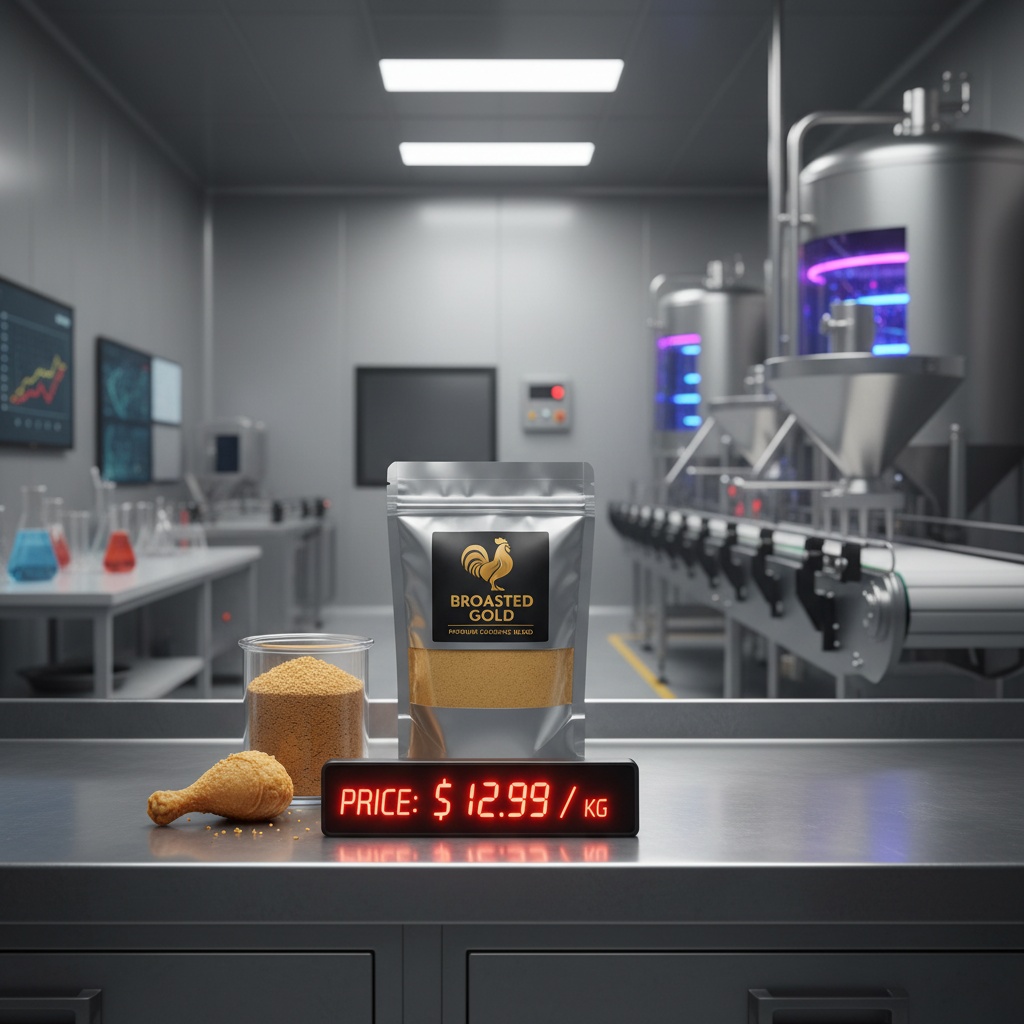
The culinary world is witnessing a significant surge in the demand for high-quality seasoning blends, with 5 spice powder chicken emerging as a cornerstone for both home cooks and industrial food processors. This complex blend, traditionally rooted in Asian gastronomy, balances five distinct flavor profiles—sweet, sour, bitter, spicy, and salty—to create a multi-dimensional taste experience that elevates poultry dishes from ordinary to extraordinary.
From a manufacturing perspective, the production of a consistent, high-potency 5 spice powder chicken mix requires precision in sourcing raw materials and rigorous quality control. As global consumers lean towards "clean label" products, the food additive industry is evolving to provide natural extracts and organic carriers that maintain the aromatic integrity of the spices while ensuring long-term shelf stability and safety.
Understanding the technical composition and application of 5 spice powder chicken is crucial for brands looking to scale their production. Whether used as a dry rub, a marinade base, or an integrated food additive in pre-packaged meals, the right balance of star anise, cloves, cinnamon, Sichuan pepper, and fennel seeds defines the commercial success and consumer loyalty of the final product.
The Global Market Impact of 5 Spice Powder Chicken
The international appetite for ethnic flavors has propelled 5 spice powder chicken from a regional specialty to a global commodity. Market data indicates a steady CAGR increase in the specialty spice sector, driven by the fusion food trend in North America and Europe. This shift has forced manufacturers to standardize traditional recipes into scalable industrial formulas that meet diverse regulatory requirements.
Beyond simple taste, the global relevance of this blend lies in its versatility. By integrating it into the "Food Additive" category, manufacturers can provide a consistent flavor profile that reduces the need for multiple individual spices, thereby lowering operational costs and reducing the risk of cross-contamination in large-scale food processing facilities.
Technical Composition and Ingredient Synergy
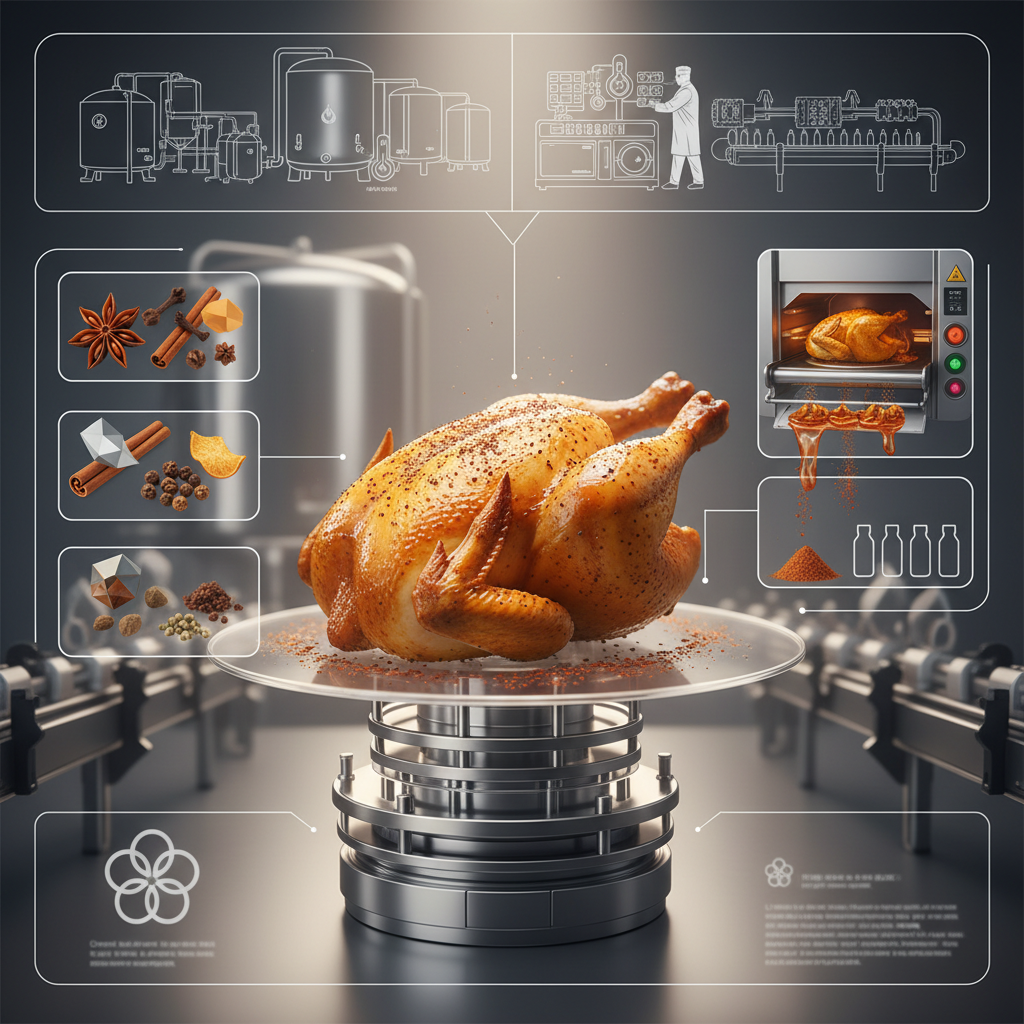
The efficacy of 5 spice powder chicken depends on the precise ratio of its core components. Each ingredient serves a specific chemical and sensory purpose: star anise provides the aromatic depth, cinnamon adds warmth, cloves bring a pungent sweetness, Sichuan pepper introduces a numbing citrus note, and fennel seeds offer a grounding, licorice-like base.
From a food science perspective, the synergy between these volatile oils creates a complex olfactory profile that enhances the natural umami of chicken protein. The challenge for manufacturers is to prevent the oxidation of these essential oils during the grinding and mixing process, which can lead to flavor degradation and a shorter shelf life.
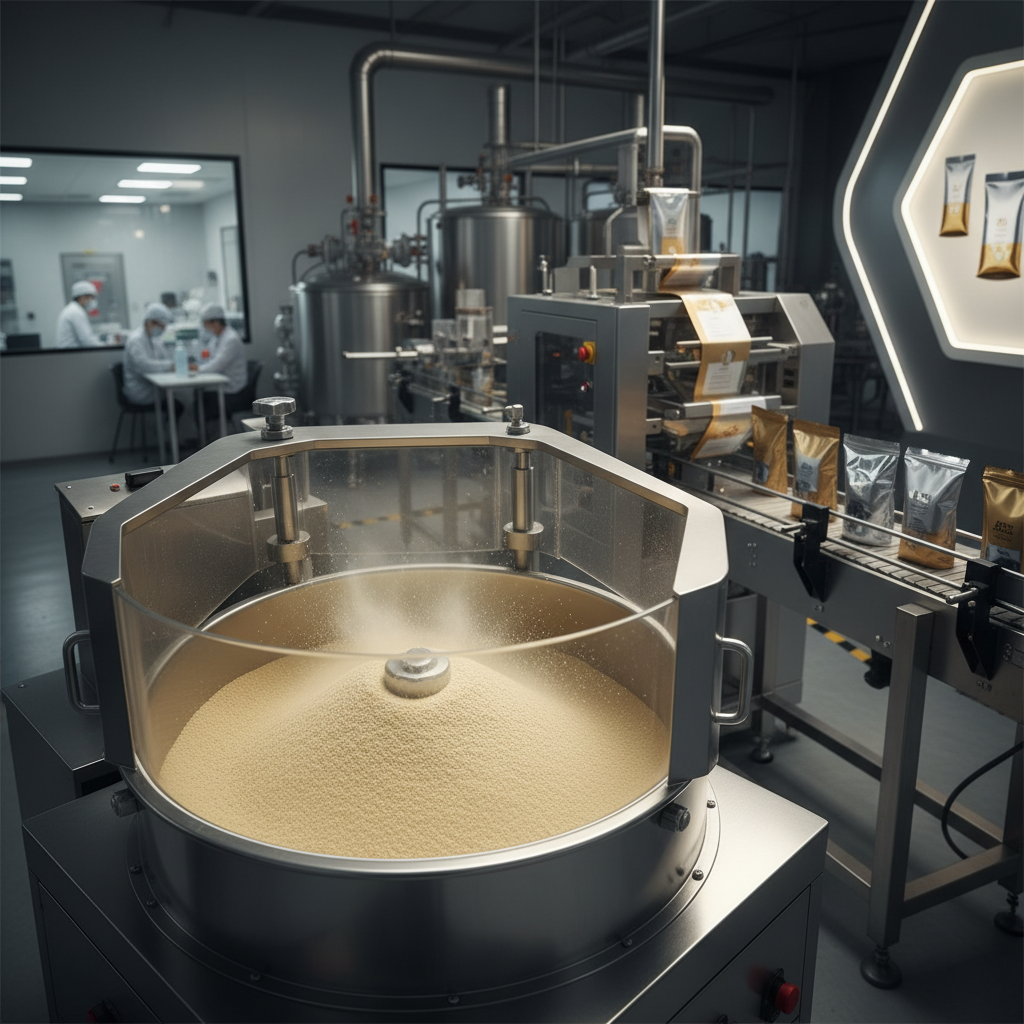
Furthermore, the integration of anti-caking agents and flow enhancers—common in professional food additives—ensures that the powder remains free-flowing and evenly distributed, regardless of humidity levels in the production environment. This technical precision is what separates industrial-grade seasoning from artisanal blends.
Industrial Production and Quality Standardization
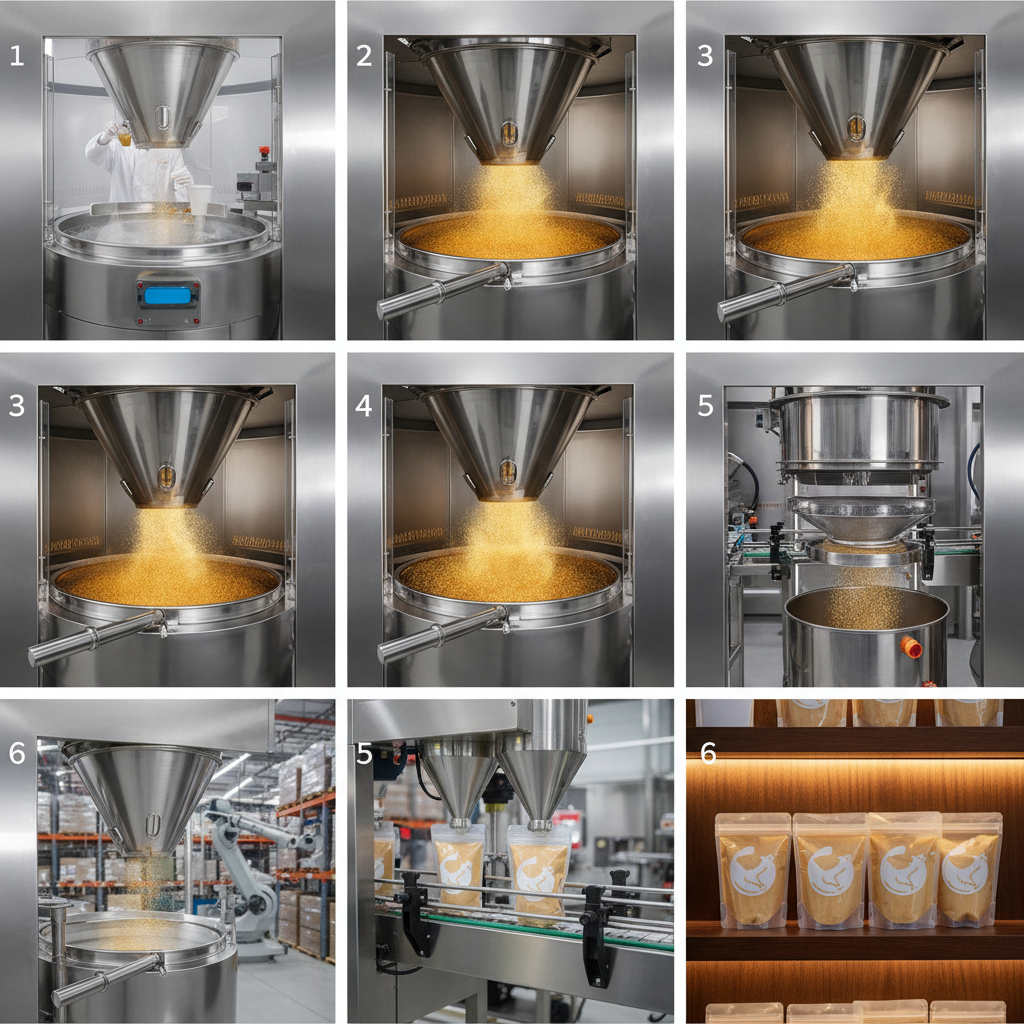
To achieve a commercial-grade 5 spice powder chicken, manufacturers employ advanced milling technologies. The particle size distribution is critical; too coarse, and the seasoning will clump; too fine, and the volatile aromas evaporate too quickly during the cooking process.
Strict adherence to ISO and HACCP standards is non-negotiable when producing 5 spice powder chicken. This involves rigorous testing for microbial contaminants, heavy metals, and pesticide residues, ensuring that the additive is safe for international export and consumption.
The final step in standardization involves sensory evaluation panels. These experts ensure that every batch of 5 spice powder chicken maintains a consistent "Gold Standard" profile, preventing flavor drift that could alienate long-term B2B clients in the food service industry.
Practical Application and Performance Metrics
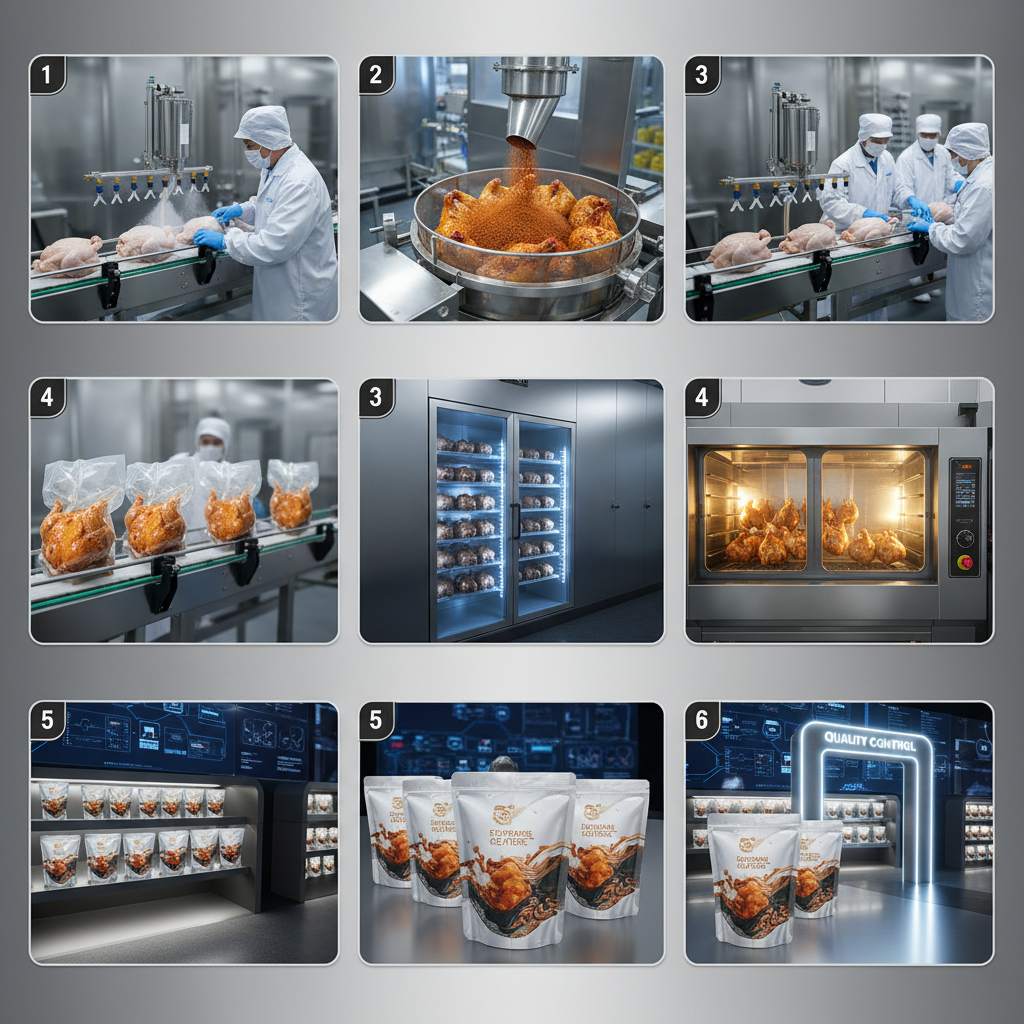
In real-world food manufacturing, the application of 5 spice powder chicken varies by method. In vacuum tumbling, the powder is integrated into a brine to ensure deep penetration into the meat fibers. Conversely, in dry-rub applications, the focus is on surface adhesion and the creation of a caramelized crust during high-heat roasting.
Performance is measured by "flavor retention" and "color stability." A high-quality blend will not only infuse the chicken with deep aromatic notes but will also contribute to a rich, golden-brown hue that is visually appealing to consumers, reducing the need for artificial colorants.
Performance Analysis of 5 Spice Powder Chicken Variants
Global Supply Chain and Sourcing Strategies
The reliability of 5 spice powder chicken production is heavily dependent on the geopolitical stability of spice-growing regions. Sourcing high-grade cinnamon from Sri Lanka or Sichuan pepper from the mountainous regions of China requires a robust supply chain capable of handling seasonal fluctuations and crop failures.
Modern procurement strategies now emphasize "direct-from-farm" sourcing. By eliminating unnecessary intermediaries, manufacturers can ensure better traceability and fair-trade practices, which are increasingly demanded by the end-consumers of 5 spice powder chicken products.
Sustainability and Clean Label Innovations
As the industry moves toward sustainability, the production of 5 spice powder chicken is integrating green chemistry. This includes the use of supercritical CO2 extraction to obtain pure spice oils without the use of toxic solvents, resulting in a cleaner and more potent additive.
Digital transformation is also playing a role. Blockchain technology is being implemented to track the journey of each ingredient in the 5 spice powder chicken blend, providing an immutable record of origin and quality certifications.
Moreover, the shift toward "Clean Label" means replacing synthetic preservatives with natural antioxidants like rosemary extract. This ensures that the 5 spice powder chicken remains stable on the shelf while appealing to health-conscious consumers who scrutinize ingredient lists.
Comparative Analysis of Processing Methods
The method of preparation significantly alters the final profile of 5 spice powder chicken. Cold-grinding is preferred for maintaining the volatile aromatic compounds, whereas heat-treating some components can unlock deeper, roasted notes that are ideal for braised chicken dishes.
From an economic standpoint, the choice between "batch processing" and "continuous flow processing" determines the scalability of the product. While batch processing allows for artisanal quality control, continuous flow is essential for meeting the high-volume demands of global food chains.
Ultimately, the integration of these methods allows manufacturers to offer a tiered product line of 5 spice powder chicken, ranging from budget-friendly industrial mixes to ultra-premium, organic-certified blends.
Core Comparison of 5 Spice Powder Chicken Manufacturing Approaches
| Processing Method |
Flavor Intensity |
Cost Efficiency |
Shelf Life (Months) |
| Cold-Pressed Grinding |
Very High |
Moderate |
12 |
| Standard Thermal Milling |
Medium |
High |
18 |
| Supercritical Extraction |
Extreme |
Low |
24 |
| Spray-Dried Powder |
Medium-High |
Very High |
24 |
| Artisanal Stone-Ground |
High |
Very Low |
6 |
| Hybrid Industrial Mix |
Medium-High |
High |
18 |
FAQS
While traditional recipes vary, the industrial standard typically balances star anise, cloves, cinnamon, Sichuan pepper, and fennel in a 20-25% equal split. However, for chicken-specific applications, manufacturers often increase the fennel and cinnamon ratios to complement the natural sweetness of the poultry, ensuring a rounded flavor profile that doesn't overpower the meat.
Clumping is usually caused by the hygroscopic nature of certain spices. We recommend incorporating food-grade anti-caking agents like silicon dioxide (within regulatory limits) or using spray-drying technology to encapsulate the spice oils. Additionally, using moisture-barrier packaging such as foil-lined pouches is essential for maintaining the free-flowing property of the powder.
Yes, absolutely. The core components are plant-based. To achieve organic certification, ensure that all five botanical sources are grown without synthetic pesticides and processed without chemical solvents. Many of our premium lines for 5 spice powder chicken are specifically designed to meet USDA and EU organic standards to cater to the health-conscious market.
To preserve the volatile oils, bulk 5 spice powder chicken should be stored in a cool, dry place (ideally below 20°C) and away from direct sunlight. We recommend using airtight, UV-protected containers. For long-term storage, vacuum sealing or nitrogen flushing is highly effective in preventing oxidation and maintaining the aromatic potency for up to 24 months.
While primarily a food additive, some of the botanical extracts in the blend have antimicrobial and digestive properties. In the feed additive sector, specific components (like cinnamon and cloves) are used to improve gut health in poultry. However, the "5 spice" culinary blend is optimized for flavor and should be adjusted for dosage if used for functional feed purposes.
The most reliable method is through GC-MS (Gas Chromatography-Mass Spectrometry) analysis, which identifies the specific volatile markers of each spice. Additionally, a COA (Certificate of Analysis) should be requested for every batch, detailing the moisture content, microbial load, and purity levels to ensure it meets your specific industrial requirements.
Conclusion
The journey of 5 spice powder chicken from a traditional kitchen staple to a sophisticated industrial food additive highlights the intersection of culinary art and chemical precision. By focusing on ingredient synergy, rigorous quality standardization, and sustainable sourcing, manufacturers can deliver a product that not only satisfies the palate but also meets the stringent safety and efficiency demands of the global food industry.
Looking forward, the integration of clean-label innovations and digital traceability will further solidify the value of high-quality seasoning blends. For businesses seeking to enhance their product offerings, investing in a scientifically backed 5 spice powder chicken formula is a strategic move toward capturing the growing market of gourmet and ethnic-inspired convenience foods. Visit our website for more professional solutions: www.chinaseasoning.com