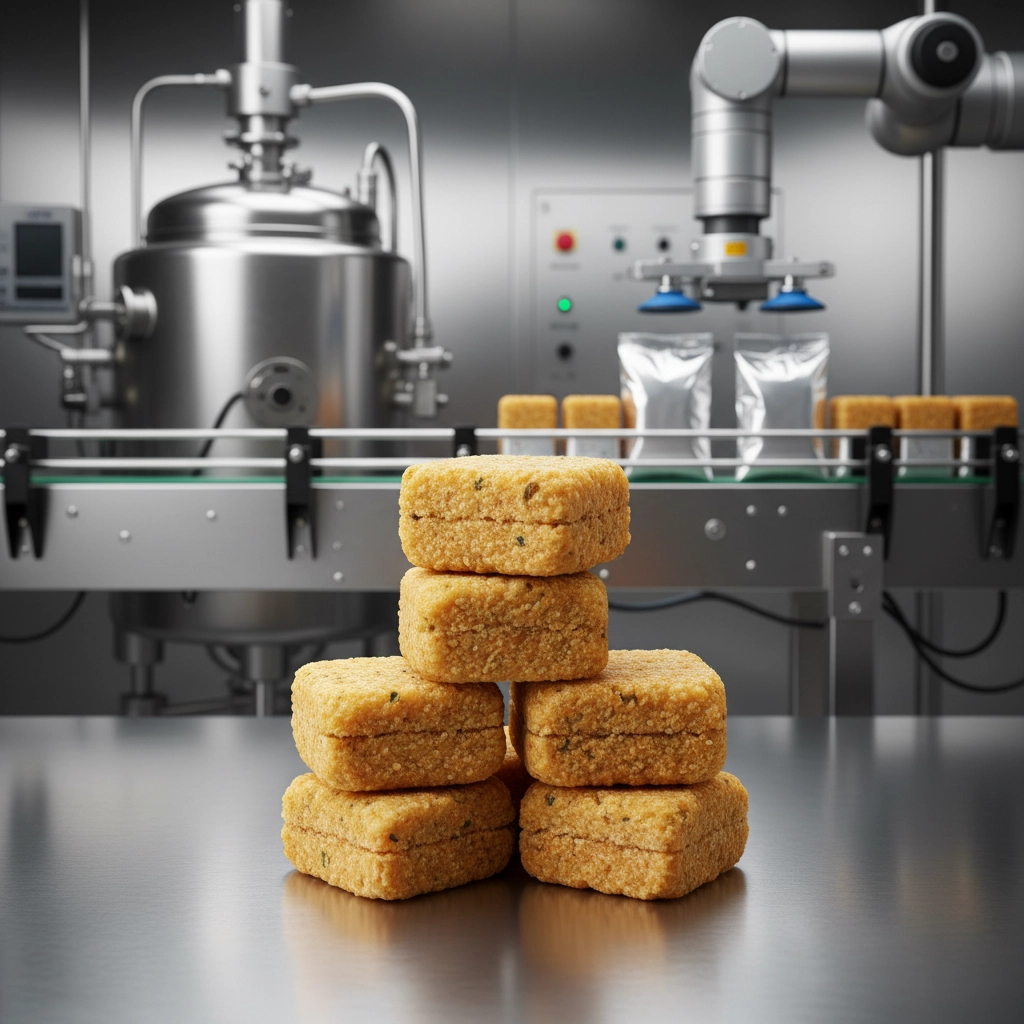
The modern culinary landscape is increasingly defined by the balance between gourmet taste and convenience, a demand that has propelled chicken broth in cubes to the forefront of the food additive industry. These concentrated flavor powerhouses allow both home cooks and industrial food processors to achieve a consistent, savory depth in their dishes without the time-consuming process of simmering bones for hours. By condensing essential nutrients and aromatic compounds into a shelf-stable format, the industry has effectively democratized high-quality seasoning.
Globally, the shift toward processed and semi-processed foods has made the standardization of taste a critical operational goal for food manufacturers. The use of chicken broth in cubes ensures that whether a product is consumed in New York or Nairobi, the flavor profile remains identical, reducing the risk of batch inconsistency. This reliability is not just about taste; it is about the logistical efficiency of transporting flavor in a dehydrated, lightweight form.
Understanding the science behind these cubes—from the precise ratio of salt and glutamates to the advanced dehydration techniques—is essential for those looking to optimize their food production pipelines. As consumers move toward "clean label" products, the evolution of these additives reflects a broader industry trend toward transparency and the integration of natural extracts over synthetic enhancers.
Global Relevance of Chicken Broth in Cubes
On a global scale, the demand for chicken broth in cubes is driven by the rapid urbanization of emerging economies and the subsequent rise in fast-paced lifestyles. According to market trends aligned with ISO food safety standards, the convenience food sector has seen a steady CAGR increase, as households seek ways to reduce meal preparation time without sacrificing the nutritional essence of a home-cooked meal.
The challenge lies in the balance between affordability and quality. In many regions, the cost of fresh poultry varies wildly, making the standardized, affordable nature of broth cubes a vital tool for food security and flavor consistency. This has transformed the product from a mere kitchen shortcut into a strategic asset for food manufacturers globally.
Definition and Technical Composition
At its core, chicken broth in cubes is a dehydrated seasoning agent composed of salt, chicken extract, flavor enhancers, and anti-caking agents, compressed into a precise geometric form for measured dosing. Unlike liquid broths, these cubes utilize advanced spray-drying or freeze-drying technology to remove water while preserving the volatile organic compounds that provide the "chicken" aroma.
From an industrial perspective, these cubes serve as a concentrated food additive. They are engineered to dissolve rapidly in hot water, releasing a precise concentration of sodium and umami-rich proteins. This chemical stability allows them to be stored for long periods without refrigeration, making them indispensable for long-term stockpiling and international trade.
The connection to modern humanitarian needs is evident in disaster relief operations. Because they are lightweight and calorie-dense in terms of flavor and salt (which is essential for electrolyte balance), chicken broth in cubes are often included in food aid packages to make bland staples like rice or porridge more palatable and nutritionally satisfying for displaced populations.
Core Factors for High-Quality Production
The efficacy of chicken broth in cubes depends heavily on Solubility. A high-grade cube must dissolve completely without leaving gritty residues or clumps, ensuring a smooth texture in the final culinary application. This requires precise particle size distribution during the granulation phase.
Flavor Stability is the second pillar. The industry utilizes encapsulation technology to protect sensitive aromatic oils within the chicken broth in cubes, preventing oxidation during storage. This ensures that the "fresh chicken" scent is only released upon contact with heat and water.
Finally, Cost Efficiency and Scalability are paramount. By optimizing the blend of high-impact extracts with cost-effective carriers like maltodextrin, manufacturers can produce millions of units of chicken broth in cubes that maintain a consistent taste profile across different production lots.
Industrial Applications and Global Use Cases
The application of chicken broth in cubes extends far beyond the home kitchen. In the industrial food sector, these cubes are used as base components for ready-to-eat (RTE) meals, instant noodle seasoning packets, and pre-packaged sauce mixes. By using a pre-standardized cube, manufacturers eliminate the variable quality of raw chicken stocks.
In remote industrial zones, such as mining camps or offshore oil rigs, the logistics of fresh food are a nightmare. Here, chicken broth in cubes provide a reliable way to maintain morale through flavor, providing a sense of "home" and dignity in harsh working environments where fresh ingredients are unavailable.
Performance Comparison of Broth Production Methods
Economic and Sustainability Advantages
From an economic standpoint, chicken broth in cubes offer an unparalleled return on investment for food service operators. The reduction in water weight significantly lowers shipping costs and carbon footprints compared to transporting liquid broths, aligning with global sustainability goals.
Furthermore, the precision of the cube format minimizes food waste. Because each unit is pre-measured, kitchens can calculate exactly how much chicken broth in cubes is needed per portion, eliminating the over-production and subsequent disposal of large pots of unused stock.
Future Innovations in Flavor Technology
The future of chicken broth in cubes is leaning heavily toward "Clean Label" innovation. We are seeing a shift away from MSG toward natural yeast extracts and mushroom-based umami enhancers, catering to a health-conscious demographic that demands transparency in ingredients without compromising the savory profile.
Digital transformation is also hitting the factory floor. Automation and AI-driven blending systems now allow manufacturers to adjust the composition of chicken broth in cubes in real-time based on the moisture content of raw materials, ensuring a 100% consistent product every time.
Sustainability is also driving the adoption of biodegradable packaging. The traditional plastic foil wrap used for individual cubes is being replaced by compostable polymers, ensuring that the convenience of the product does not come at the cost of the environment.
Overcoming Current Industry Challenges
One of the primary challenges in the production of chicken broth in cubes is the management of sodium levels. High salt content is necessary for preservation and flavor, but it conflicts with modern dietary guidelines. The solution lies in the use of potassium salts and flavor boosters that mimic the salty taste while reducing actual sodium intake.
Another limitation is the potential for "clumping" in humid environments. To overcome this, experts are developing advanced hydrophobic coatings for the granules within the cube, which prevent moisture absorption without affecting the eventual solubility of the product.
Lastly, the perception of "artificiality" remains a hurdle. By integrating real freeze-dried chicken chunks and organic herbs into the chicken broth in cubes, brands can bridge the gap between industrial convenience and artisanal quality, fostering greater trust with the consumer.
Comparative Analysis of Chicken Broth Cube Formulations
| Formulation Type |
Umami Intensity |
Shelf Stability |
Cost per Unit |
| Standard MSG-based |
High (9/10) |
Excellent (24mo) |
Very Low |
| Natural Yeast Extract |
Medium (7/10) |
Good (18mo) |
Medium |
| Organic Premium |
High (8/10) |
Moderate (12mo) |
High |
| Low-Sodium Variant |
Medium (6/10) |
Good (18mo) |
Medium |
| Industrial Bulk Grade |
Medium (7/10) |
Excellent (24mo) |
Lowest |
| Gourmet Infused |
Very High (10/10) |
Moderate (12mo) |
Very High |
FAQS
The primary advantages are shelf-life, storage space, and consistency. While liquid stocks require refrigeration and take up significant volume, chicken broth in cubes are dehydrated, allowing them to stay fresh for years at room temperature. Additionally, they provide a standardized flavor profile that ensures every dish tastes the same, regardless of who is preparing it.
When properly sealed in moisture-proof foil, chicken broth in cubes can last 12 to 24 months. However, once the individual wrap is breached, humidity can cause clumping. We recommend temperature-controlled storage and vacuum-sealed bulk packaging for industrial distribution to maintain maximum stability.
Yes, they are highly cost-effective due to reduced shipping weights and eliminated cold-chain logistics. To make them more eco-friendly, the industry is transitioning toward biodegradable wrappers and sourcing ingredients from sustainable poultry farms. The reduction in water waste during transport also significantly lowers the overall carbon footprint of the product.
Certain specialized formulations of chicken broth in cubes can be adapted for medical use, particularly in elderly care or recovery wards where appetite stimulation is necessary. By adjusting the sodium levels and adding specific micronutrients, they serve as an effective way to enhance the flavor of therapeutic diets.
Buyers should look for certifications such as ISO 22000, HACCP, and Halal or Kosher certifications depending on the target market. Requesting a Certificate of Analysis (CoA) for each batch ensures that the chicken broth in cubes meet specific parameters for sodium, moisture content, and microbial limits.
It depends on the grade. Standard cubes often use MSG and anti-caking agents for stability. However, "Premium" or "Clean Label" versions of chicken broth in cubes replace these with yeast extracts and natural starches. Always check the ingredient list to match the product with your consumer's dietary preferences.
Conclusion
In summary, chicken broth in cubes represent a perfect marriage of food science and consumer convenience. From their technical composition and global logistical advantages to their role in humanitarian aid and industrial food processing, these concentrates solve the fundamental problem of flavor consistency and accessibility. By balancing solubility, stability, and cost, the industry has created a tool that empowers both the professional chef and the home cook.
Looking forward, the trajectory of the broth cube industry will be defined by the pursuit of "healthier convenience." As we move toward low-sodium and organic formulations, the significance of these additives will only grow, enabling a global food system that is more efficient, sustainable, and inclusive. For those seeking high-quality, industrial-grade seasoning solutions, we invite you to explore our professional range. Visit our website: www.chinaseasoning.com