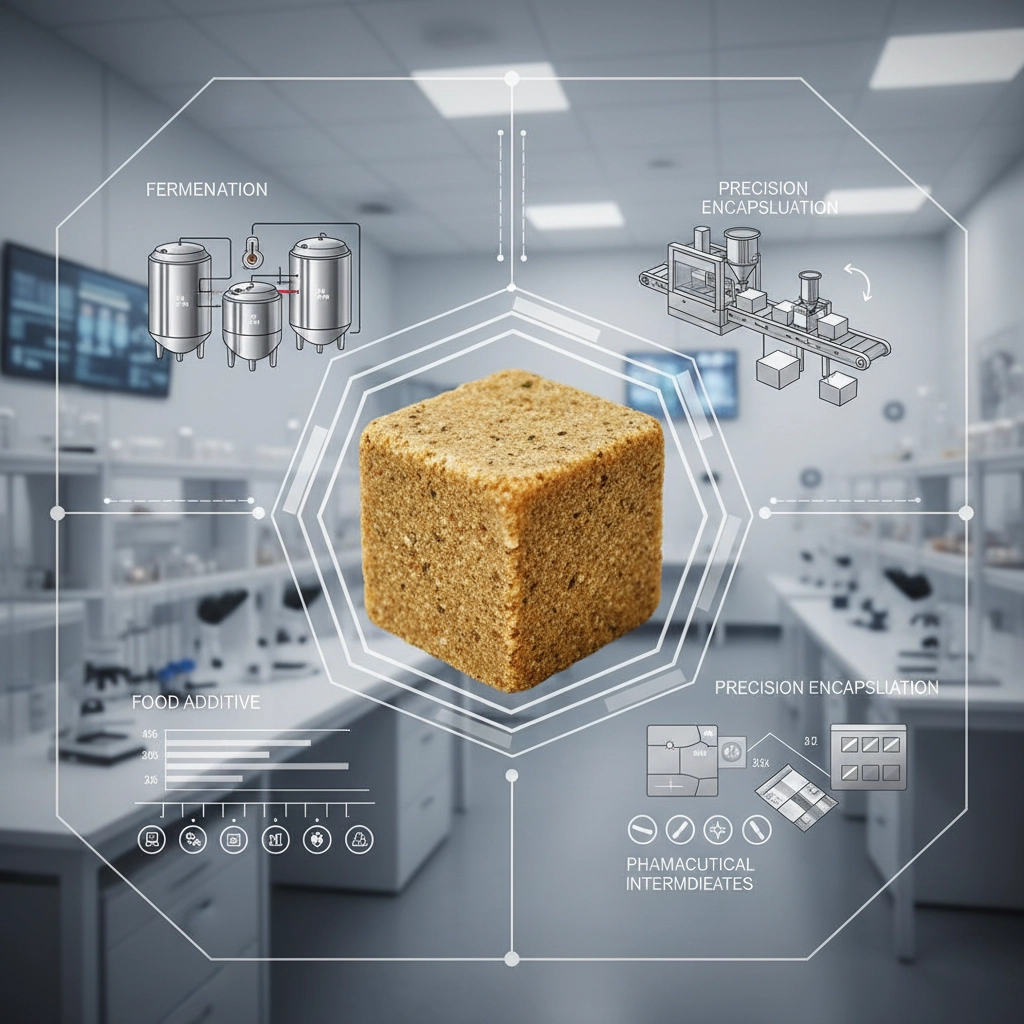
The modern culinary landscape relies heavily on efficiency and consistency, and few products embody this better than the chicken broth bouillon cube. This concentrated seasoning powerhouse allows both industrial food producers and home cooks to achieve a rich, savory depth of flavor without the time-consuming process of simmering whole carcasses for hours.
Globally, the demand for standardized taste profiles has pushed the food additive industry to refine the formulation of the chicken broth bouillon cube. By balancing salt, hydrolyzed vegetable proteins, and aromatic extracts, manufacturers provide a reliable base that ensures a consistent sensory experience across different geographic markets.
Understanding the technical composition and application of the chicken broth bouillon cube is essential for businesses in the food service and pharmaceutical intermediate sectors. Whether used in instant soup production or as a flavor enhancer in processed meats, this versatile ingredient bridges the gap between gourmet taste and industrial scalability.
Global Market Context of Chicken Broth Bouillon Cube
The global consumption of savory seasoning agents has seen a steady climb, with the chicken broth bouillon cube leading the segment due to its universality. Data from international food trade monitors suggest that the shift toward urbanization and the rise of "convenience cooking" have made these cubes indispensable in emerging economies, particularly in Southeast Asia and Africa, where they serve as a primary source of flavor enhancement.
However, the industry faces a significant challenge: the increasing consumer demand for "clean label" products. Balancing the traditional high-sodium, high-preservative profile of a standard chicken broth bouillon cube with the modern requirement for organic and low-sodium alternatives is the current battlefield for food scientists and additive manufacturers worldwide.
Technical Definition and Industrial Meaning
In technical terms, a chicken broth bouillon cube is a dehydrated, compressed block of seasoning comprising salt, flavor enhancers (such as MSG or yeast extract), fat, and chicken-derived proteins or synthetic chicken flavors. The process of dehydration ensures a low water activity level (aw), which inherently inhibits microbial growth and extends shelf life without the need for intensive refrigeration.
From an industrial perspective, these cubes represent the pinnacle of "flavor miniaturization." By concentrating the essence of a slow-cooked broth into a few grams of solid matter, manufacturers solve the logistical nightmare of transporting heavy liquid stocks. This transformation reduces shipping costs, minimizes carbon footprints, and optimizes warehouse space.
Beyond commercial use, the chicken broth bouillon cube holds immense humanitarian value. In disaster-relief operations and food-aid programs, these cubes provide critical sodium and flavor to bland staples like rice or maize, improving the palatability and caloric intake of displaced populations in remote areas where fresh ingredients are unavailable.
Core Components and Quality Factors
The efficacy of a chicken broth bouillon cube depends heavily on its "dissolvability." A high-quality cube must disintegrate rapidly in boiling water without leaving clumps or oily residue, which requires a precise ratio of binders to fats.
Flavor stability is another critical factor. The interaction between the chicken broth bouillon cube's salt content and its volatile aromatic compounds determines whether the product tastes "fresh" or "chemical" after six months on a retail shelf. This is where advanced Food Additives play a crucial role in stabilization.
Finally, the textural integrity—the "hardness" of the cube—must be calibrated. If the chicken broth bouillon cube is too soft, it crumbles during packaging; if it is too hard, it fails to dissolve efficiently, compromising the end-user experience.
Performance Metrics of Production Methods
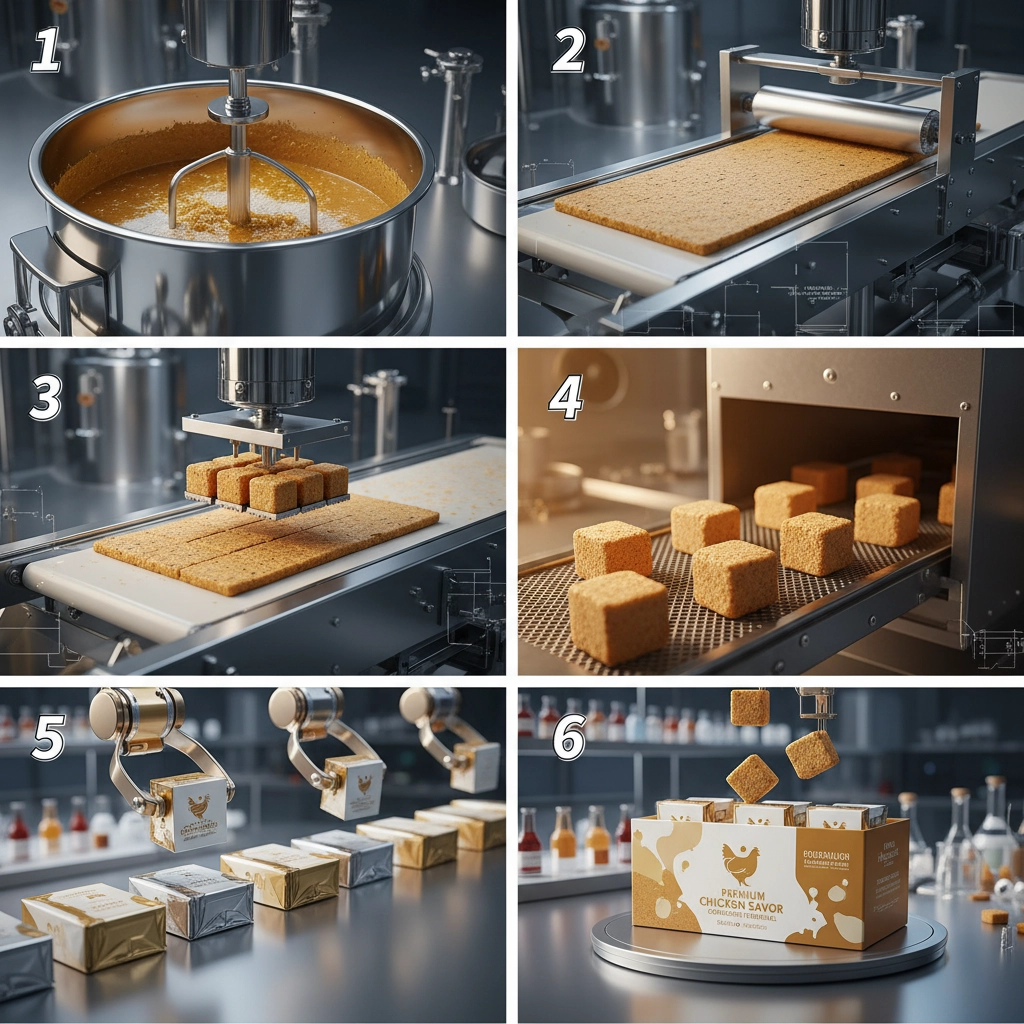
The manufacturing of a chicken broth bouillon cube can vary from traditional spray-drying and compression to advanced freeze-drying techniques. Each method impacts the nutrient retention and the intensity of the savory "umami" profile.
Industrial producers often evaluate these methods based on cost-efficiency versus flavor fidelity. While high-pressure compression is the most cost-effective for mass markets, freeze-drying offers a premium product that mimics a homemade stock almost perfectly.
Comparison of Chicken Broth Bouillon Cube Manufacturing Efficiency
Real-World Global Applications
In the commercial food industry, the chicken broth bouillon cube serves as a foundational building block for ready-to-eat (RTE) meals. Fast-food chains and catering companies use these concentrated bases to ensure that a soup served in London tastes identical to one served in Tokyo, eliminating the variability of fresh ingredients.
Beyond the kitchen, these cubes are utilized in the development of specialized nutritional supplements. By stripping away certain additives and enriching the base with vitamins, the chicken broth bouillon cube can be transformed into a savory electrolyte replacement for athletes or a stimulating broth for convalescing patients in hospitals.
Long-Term Economic and Social Value
The economic value of the chicken broth bouillon cube lies in its ability to democratize flavor. By providing an affordable way to access complex tastes, it allows lower-income households to improve the nutritional appeal of their diets, which is a critical factor in combating food insecurity and malnutrition.
From a sustainability perspective, the shift toward bouillon cubes reduces the waste associated with liquid broth production. There is no need for massive amounts of water during transport, and the concentrated nature of the product minimizes packaging waste per serving, aligning with global goals for leaner, greener supply chains.
Moreover, the trust built between a brand and a consumer through a consistent chicken broth bouillon cube creates long-term brand loyalty. In many cultures, a specific brand of bouillon becomes a nostalgic staple, weaving the product into the social fabric of family traditions and cultural identity.
Future Innovations in Flavor Technology
The future of the chicken broth bouillon cube is inextricably linked to biotechnology. We are seeing a move toward fermentation-derived flavors, where precision fermentation allows scientists to create "chicken" taste profiles without using actual animal proteins, catering to the booming vegan and vegetarian markets.
Digital transformation is also entering the factory. AI-driven formulation software can now analyze consumer taste preferences in real-time across different regions, allowing manufacturers to tweak the salt and spice levels of a chicken broth bouillon cube for specific local palates with surgical precision.
Furthermore, the integration of "smart packaging" will likely allow consumers to monitor the freshness of their bouillon cubes via QR codes or color-changing indicators, ensuring that the product's potency and safety are guaranteed from the factory to the pot.
Comparative Analysis of Modern Bouillon Formulation Trends
| Formulation Type |
Key Ingredient Focus |
Market Segment |
Sustainability Score (1-10) |
| Traditional Salt-Based |
Sodium Chloride, MSG |
Mass Market / Economy |
5 |
| Low-Sodium Organic |
Potassium Salt, Yeast Extract |
Health Conscious |
8 |
| Plant-Based (Vegan) |
Mushroom Powder, Soy Protein |
Vegan/Ethical |
9 |
| Premium Gourmet |
Real Bone Broth Concentrate |
High-End Retail |
7 |
| Fortified Nutrient |
Iron, Zinc, Vitamin A |
Humanitarian Aid |
8 |
| Fermentation-Derived |
Precision Ferment Proteins |
Tech-Forward / Gen Z |
10 |
FAQS
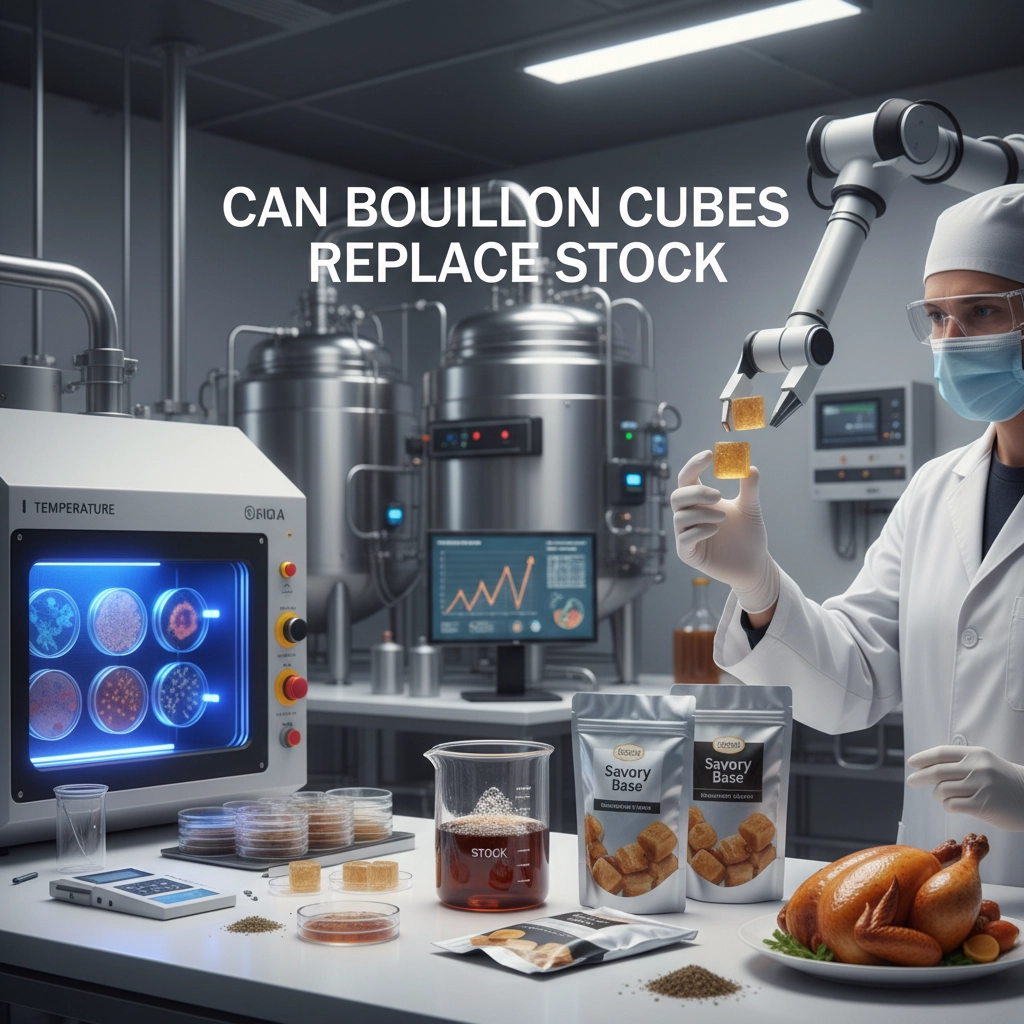
While often used interchangeably, a chicken broth bouillon cube typically focuses on a lighter, clearer flavor profile derived from meat and aromatics. A stock cube is often denser and designed to provide more body and "mouthfeel" to a dish, frequently containing more gelatinous agents. In industrial manufacturing, the bouillon cube is optimized for rapid dissolution and clean flavor delivery.
Yes, the chicken broth bouillon cube is specifically designed for shelf-stability. Through the process of dehydration and the high concentration of salt (which acts as a natural preservative), water activity is reduced to a level where bacteria cannot survive. As long as they are kept in a cool, dry place and protected from moisture, they can remain potent for years.
Absolutely. In fact, they are preferred for large-scale production because they provide absolute consistency. Instead of dealing with the volatility of fresh chicken broth batches, manufacturers use bouillon concentrates to ensure that every single unit of the finished product has the exact same flavor profile, which is critical for quality control and regulatory compliance.
Reducing sodium while maintaining flavor requires the use of "flavor enhancers" like yeast extracts, mushroom powders, or potassium chloride. By leveraging the umami synergy between different glutamates, manufacturers can reduce salt levels by up to 40% without a perceived loss in taste quality, making the product more attractive to health-conscious consumers.
Yes, significantly. Liquid stocks are mostly water, which increases shipping weight and requires larger packaging and more fuel for transport. The chicken broth bouillon cube removes the water at the source, drastically reducing the carbon footprint per serving and minimizing the amount of plastic or glass required for packaging.
Importing requires strict adherence to the food safety standards of the destination country (e.g., FDA in the US or EFSA in Europe). It is crucial to work with a supplier who provides full COA (Certificate of Analysis) and MSDS documentation. Ensuring the product meets specific labeling requirements regarding allergens and additives is key to a smooth customs process.
Conclusion
The chicken broth bouillon cube is far more than a simple kitchen convenience; it is a sophisticated product of food engineering that solves complex problems of stability, logistics, and taste consistency. From its role in global humanitarian aid to its application in high-end industrial food production, the cube represents an efficient marriage of chemistry and culinary art, providing essential flavor and nutrition to millions worldwide.
Looking forward, the evolution of the bouillon cube will likely be driven by the pursuit of sustainability and "cleaner" ingredients. As biotechnology enables the creation of animal-free umami and AI optimizes regional flavor profiles, the industry will move toward a more personalized and ethical approach to seasoning. For businesses looking to innovate in this space, the opportunity lies in balancing traditional savory satisfaction with the futuristic demands of health and ecology. Visit our website: www.chinaseasoning.com