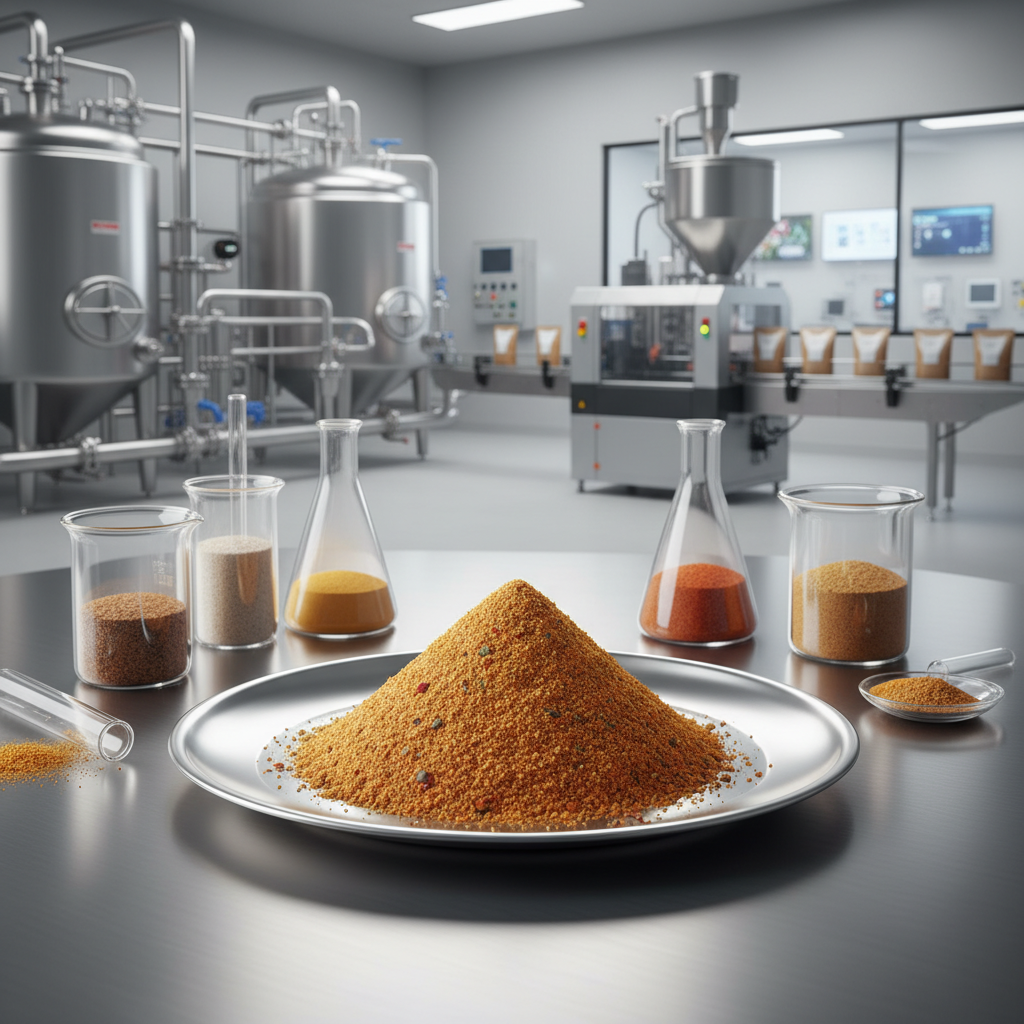
In the competitive landscape of the global quick-service restaurant (QSR) industry, the secret to customer loyalty often lies in the consistency and depth of flavor. A high-quality seasoning powder for fried chicken acts as the foundational element that transforms a simple protein into a signature culinary experience. By blending precision-engineered food additives with natural flavor enhancers, manufacturers can ensure that every piece of chicken delivers the perfect balance of salt, spice, and umami, regardless of the kitchen's location.
From a technical perspective, the development of an industrial-grade seasoning powder involves complex food chemistry to manage moisture absorption and heat stability. The goal is to create a coating that not only tastes exceptional but also enhances the textural contrast between a crispy exterior and a juicy interior. As consumer preferences shift toward bolder, more diverse flavor profiles—ranging from traditional Southern styles to spicy Korean or savory Japanese blends—the demand for versatile and scalable seasoning solutions has skyrocketed.
Understanding the nuances of these additives is crucial for food producers and entrepreneurs who aim to scale their operations without sacrificing quality. By leveraging professional-grade seasoning powder for fried chicken, businesses can reduce preparation time, minimize waste, and maintain a standardized taste profile across multiple outlets. This guide explores the global context, technical components, and future innovations of the seasoning powders that drive the multi-billion dollar fried chicken market.
Global Market Dynamics of Seasoning Powder for Fried Chicken
The global appetite for fried chicken has evolved from a regional comfort food into a universal staple. According to market analysis and trends aligned with ISO food safety standards, the demand for ready-to-use seasoning powder for fried chicken is growing at a compound annual growth rate (CAGR) driven by the expansion of fast-food chains in Asia-Pacific and Africa. The challenge for the industry is no longer just about "taste," but about "consistency at scale," where a franchise in New York must taste identical to one in Tokyo.
This globalized demand has pushed food additive manufacturers to innovate more stable, long-shelf-life powders that can withstand varying humidity and temperature conditions during international shipping. The integration of advanced dehydration techniques and flavor encapsulation ensures that the aromatic compounds of the seasoning remain potent until the moment the chicken hits the hot oil, solving the problem of flavor degradation in mass-market logistics.
Defining the Composition of Professional Seasoning Powder
In simple terms, a professional seasoning powder for fried chicken is a precision-engineered blend of salts, spices, flavor enhancers (such as MSG or yeast extracts), and often functional agents like cornstarch or phosphates. Unlike home-made rubs, industrial powders are formulated to penetrate the meat fibers deeply while simultaneously creating a protective barrier that locks in moisture during the high-heat frying process.
From an industry standpoint, these powders are essential for humanitarian and commercial needs alike. In large-scale food production for remote industrial zones or emergency relief centers, the use of pre-mixed seasonings ensures nutritional consistency and food safety. By eliminating the need for handling dozens of individual raw spices, the risk of cross-contamination is reduced, and the efficiency of the production line is maximized.
Modern food chemistry has allowed for the creation of "clean label" seasoning powders. This involves replacing artificial additives with natural extracts and organic salts, meeting the rising consumer demand for transparency. The synergy between the salt content and the aromatic spices is what creates the "crave-ability" associated with the world's most successful fried chicken brands.
Key Factors Driving Quality and Performance
One of the primary factors in a high-performing seasoning powder for fried chicken is Adhesion and Coverage. A powder that clumps or fails to stick to the skin results in uneven flavor distribution. Engineers achieve optimal coverage by balancing the particle size of the salt and spices, ensuring that the mixture flows smoothly and coats every crevice of the meat.
Heat Stability is another critical dimension. Many flavor compounds are volatile and can evaporate or turn bitter when exposed to temperatures exceeding 170°C. Premium seasoning powders utilize encapsulation technology, where flavor oils are trapped in a microscopic matrix that only breaks open at specific temperatures, releasing a burst of freshness exactly when the customer takes their first bite.
Finally, Cost Efficiency and Scalability define the commercial viability of the product. By utilizing high-potency food additives and optimized blending ratios, manufacturers can provide a product that requires a smaller application volume to achieve maximum taste impact. This reduces the overall cost per serving for the operator while maintaining a luxury flavor profile.
Industrial Applications and Global Use Cases
The application of seasoning powder for fried chicken extends far beyond the local fast-food joint. In the frozen food sector, these powders are integrated into breading systems for pre-fried, heat-and-eat products sold in supermarkets globally. This requires the seasoning to remain stable through both a primary frying process and a subsequent reheating process by the end consumer.
In regions like Southeast Asia and Africa, where diverse palettes meet rapid urbanization, localized versions of these powders are developed to suit regional tastes—such as adding turmeric or chili-lime notes. For example, in high-volume industrial catering for mining camps or remote oil rigs, pre-seasoned chicken helps maintain morale through familiar, high-quality tastes while simplifying the logistics of the kitchen.
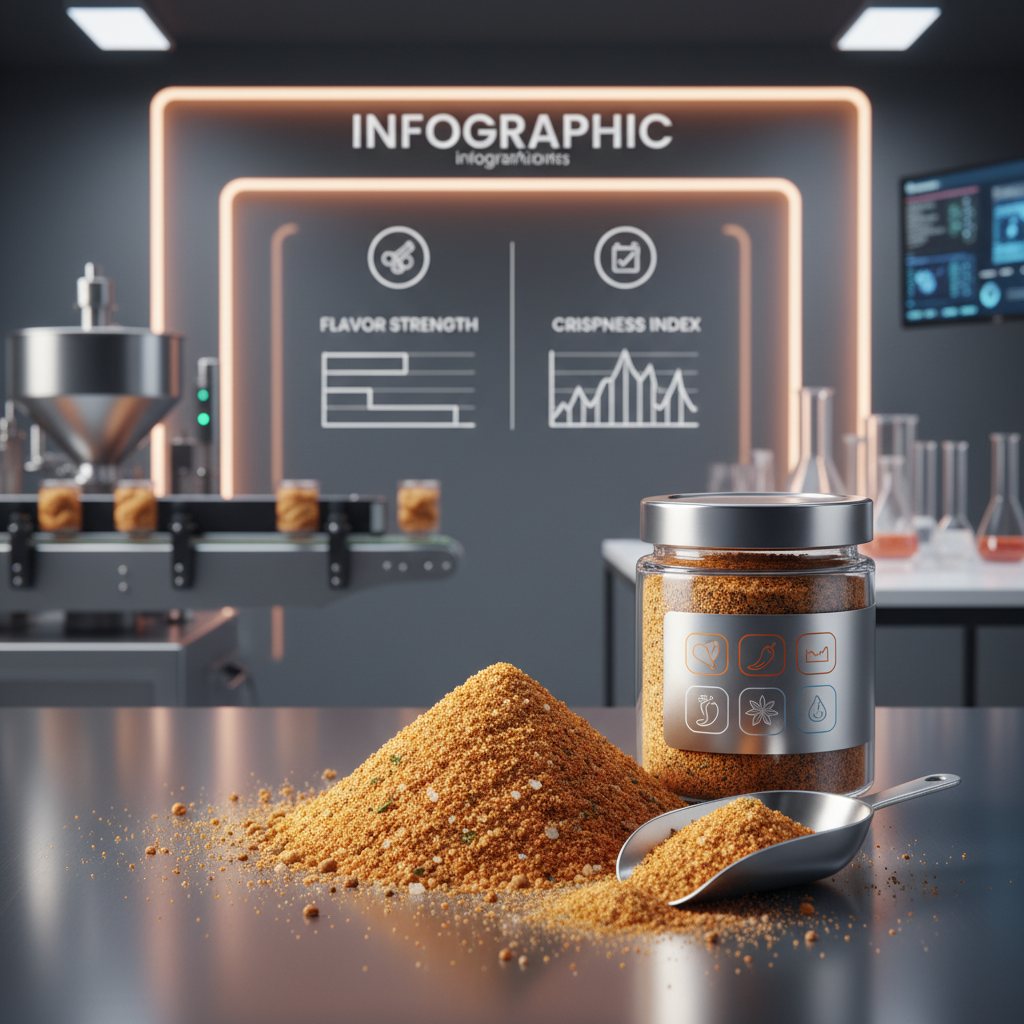
Efficiency Comparison of Seasoning Powder for Fried Chicken Methods
Strategic Advantages of Standardized Seasoning Solutions
The shift toward using a professional seasoning powder for fried chicken offers a profound logical advantage: the elimination of human error. In a traditional kitchen, a pinch too much salt or a missing spice can ruin an entire batch. A standardized powder ensures that every piece of chicken is a carbon copy of the ideal flavor profile, which is the bedrock of brand trust and customer retention.
Beyond the logical, there is an emotional value in reliability. For a business owner, the peace of mind knowing that their product is safe, consistent, and delicious allows them to focus on growth rather than quality control. Furthermore, the sustainability of these powders—through optimized packaging and reduced raw ingredient waste—contributes to a leaner, greener business model.
Future Trends in Fried Chicken Flavor Innovation
The future of seasoning powder for fried chicken is being shaped by digital transformation and biotechnology. We are seeing the rise of "AI-driven flavor profiling," where algorithms analyze millions of consumer data points to predict the next trending flavor combination, which is then translated into a precise chemical formula for a seasoning powder.
Sustainability is also driving a material revolution. Plant-based proteins are replacing traditional chicken in many markets, but they lack the inherent flavor of meat. This has created a massive opportunity for seasoning powder manufacturers to create "meat-mimicking" powders that use fermented fungi and yeast extracts to provide the savory "umami" punch that plant-based fried chicken requires to be successful.
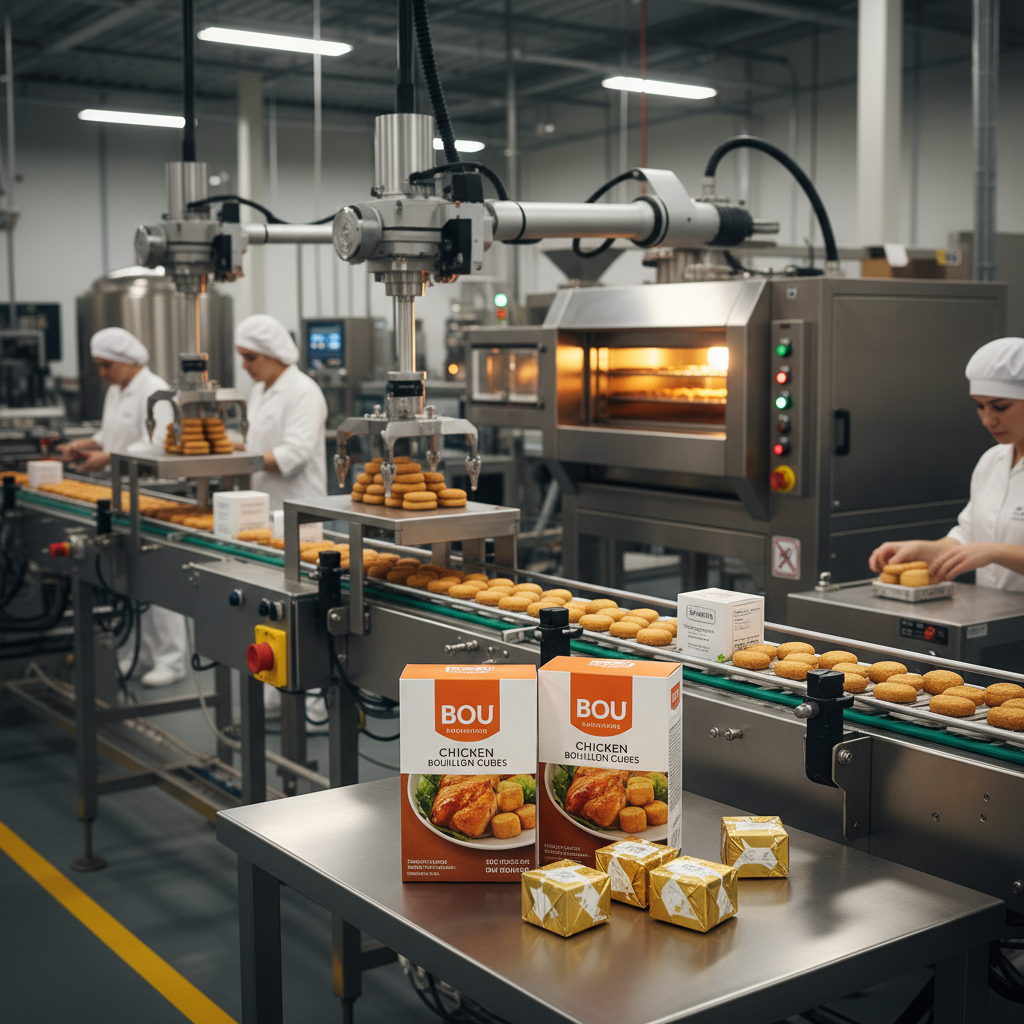
Automation in the application process is another key trend. Robotic breading stations now integrate with smart-dispensers that adjust the amount of seasoning powder in real-time based on the weight and surface area of the chicken piece, ensuring zero waste and perfect coating every single time.
Overcoming Technical Challenges in Seasoning Application
Despite the benefits, challenges such as "hydroscopic clumping" remain a hurdle. In humid environments, seasoning powder for fried chicken can absorb moisture from the air, leading to lumps that result in "salt bombs" on some pieces and blandness on others. Expert solutions include the addition of food-grade anti-caking agents like silicon dioxide or the use of vacuum-sealed, moisture-barrier packaging.
Another common issue is the "flavor fade" that occurs during prolonged holding times in heat lamps. To solve this, manufacturers are developing multi-stage release powders. These contain both "immediate-release" flavors for the initial bite and "slow-release" compounds that sustain the taste profile even after the chicken has been sitting for 15-20 minutes.
Finally, balancing sodium levels with taste is a constant battle. To reduce salt without losing flavor, the industry is turning to potassium-based salts and flavor enhancers that trick the taste buds into perceiving higher saltiness, aligning the product with global health initiatives and reducing the risk of cardiovascular issues for consumers.
Technical Analysis of Seasoning Powder Application Performance
| Application Factor |
Traditional Method |
Industrial Powder |
Impact Score (1-10) |
| Flavor Consistency |
Variable by batch |
Strictly standardized |
10 |
| Prep Time |
High (manual mixing) |
Low (ready-to-use) |
9 |
| Heat Resistance |
Moderate |
High (Encapsulated) |
8 |
| Waste Reduction |
High ingredient loss |
Precision dosing |
7 |
| Shelf Stability |
Short (fresh spices) |
Long (Stabilized) |
9 |
| Cost Per Unit |
Unpredictable |
Fixed and Optimized |
8 |
FAQS
Industrial seasoning powder for fried chicken is engineered for consistency, shelf-stability, and heat resistance. Unlike manual mixing, which varies by the person preparing it, professional powders ensure every batch tastes identical. They also include functional additives that help the seasoning adhere better to the meat and resist burning at high temperatures, which is nearly impossible to achieve with raw spices alone.
Clumping occurs when the powder absorbs atmospheric moisture. To prevent this, ensure your seasoning powder contains a food-grade anti-caking agent. Additionally, store the powder in airtight, moisture-barrier containers and avoid exposing the open product to steam. Using a dedicated dispenser can also limit the air exposure of the bulk product.
Yes, but plant-based proteins often require a different flavor profile. Because plant proteins lack the natural fats and umami of animal meat, specialized seasoning powders for fried chicken are formulated with higher concentrations of yeast extracts and savory compounds to bridge the flavor gap and provide a satisfying, "meaty" experience.
Absolutely. Many professional powders include starch-based components or modified food starches that interact with the chicken's surface to create a more durable and crunchier crust. By managing the moisture level at the interface of the meat and the oil, the powder helps achieve that signature "golden crunch" without absorbing excess oil.
While pre-made powders are designed for consistency, manufacturers can create custom formulations based on your brand's needs. If you are using a standard product, you can "top up" the heat with additional chili powder; however, for a balanced taste, it is recommended to order a customized blend where the salt, acidity, and heat are balanced professionally.
Importing food additives requires strict adherence to the destination country's food safety laws (such as FDA or EFSA). Professional suppliers provide full COA (Certificate of Analysis) and MSDS (Material Safety Data Sheet) documentation to ensure the seasoning powder for fried chicken meets all local regulatory requirements for ingredients and contaminants.
Conclusion
The integration of professional seasoning powder for fried chicken is more than just a culinary choice; it is a strategic business decision. From ensuring absolute flavor consistency across global franchises to utilizing advanced encapsulation for heat stability, these powders solve the most critical pain points of large-scale food production. By balancing the science of food additives with the art of flavor, businesses can deliver a high-quality product that meets the rigorous demands of the modern consumer.
Looking forward, the industry will likely see a deeper shift toward personalized nutrition and sustainable, plant-based flavor enhancers. For operators and manufacturers, the key to longevity will be the ability to adapt these seasoning solutions to evolving health trends without compromising the addictive taste that makes fried chicken a global phenomenon. We invite you to explore our range of high-performance additives to elevate your product. Visit our website: www.chinaseasoning.com