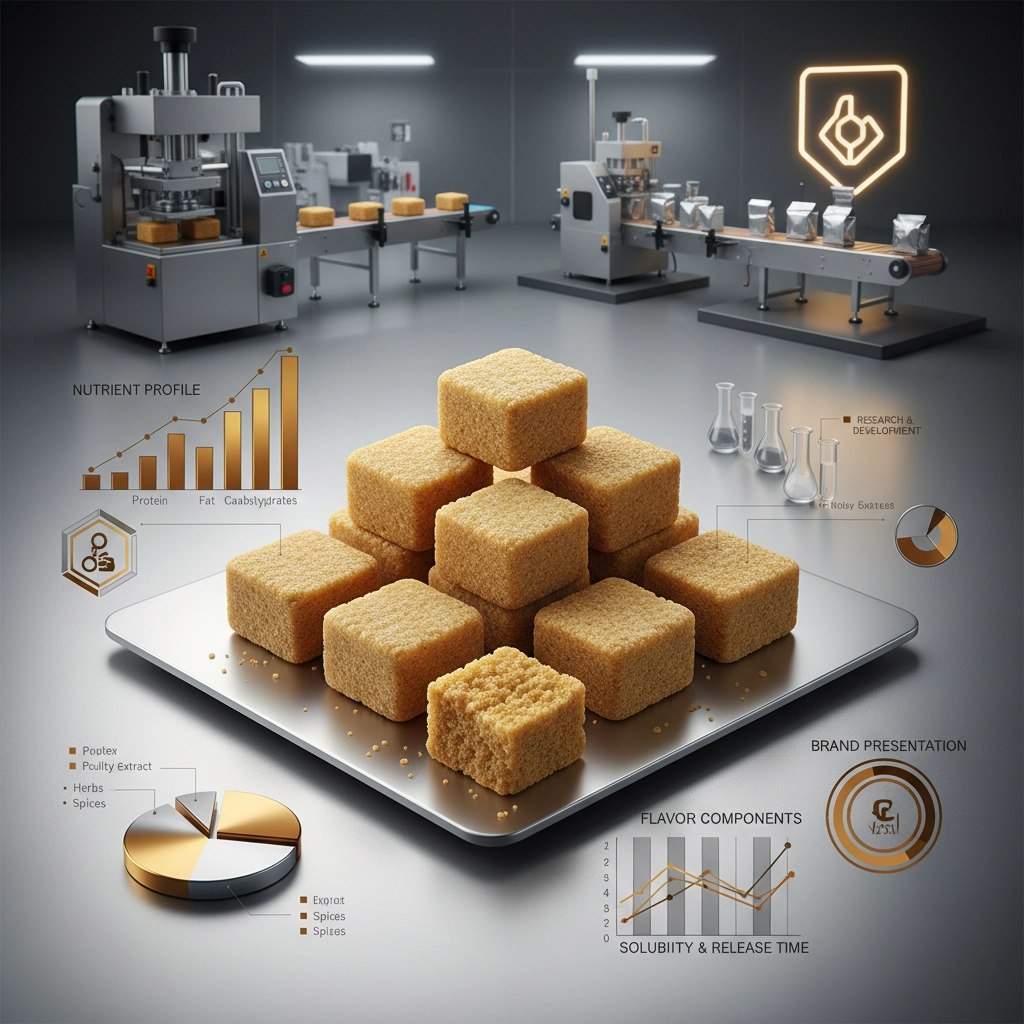
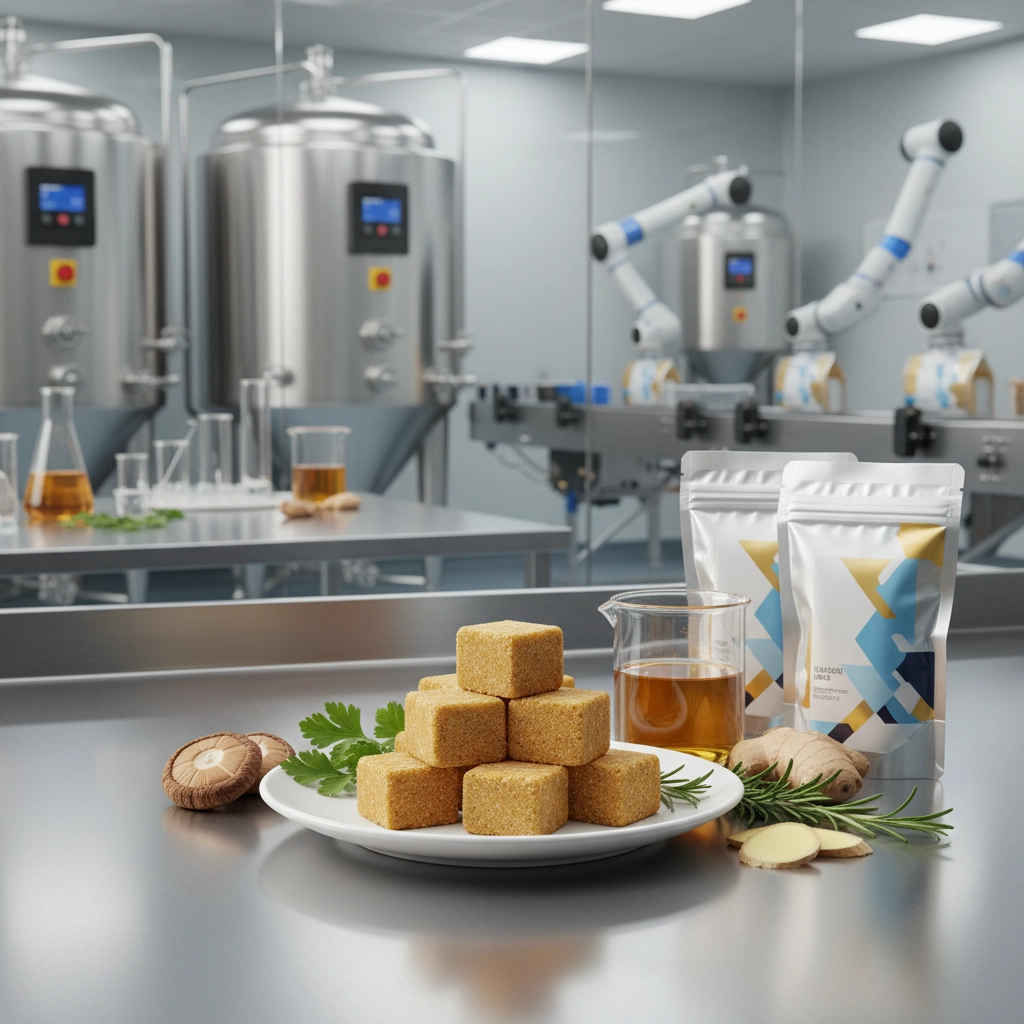
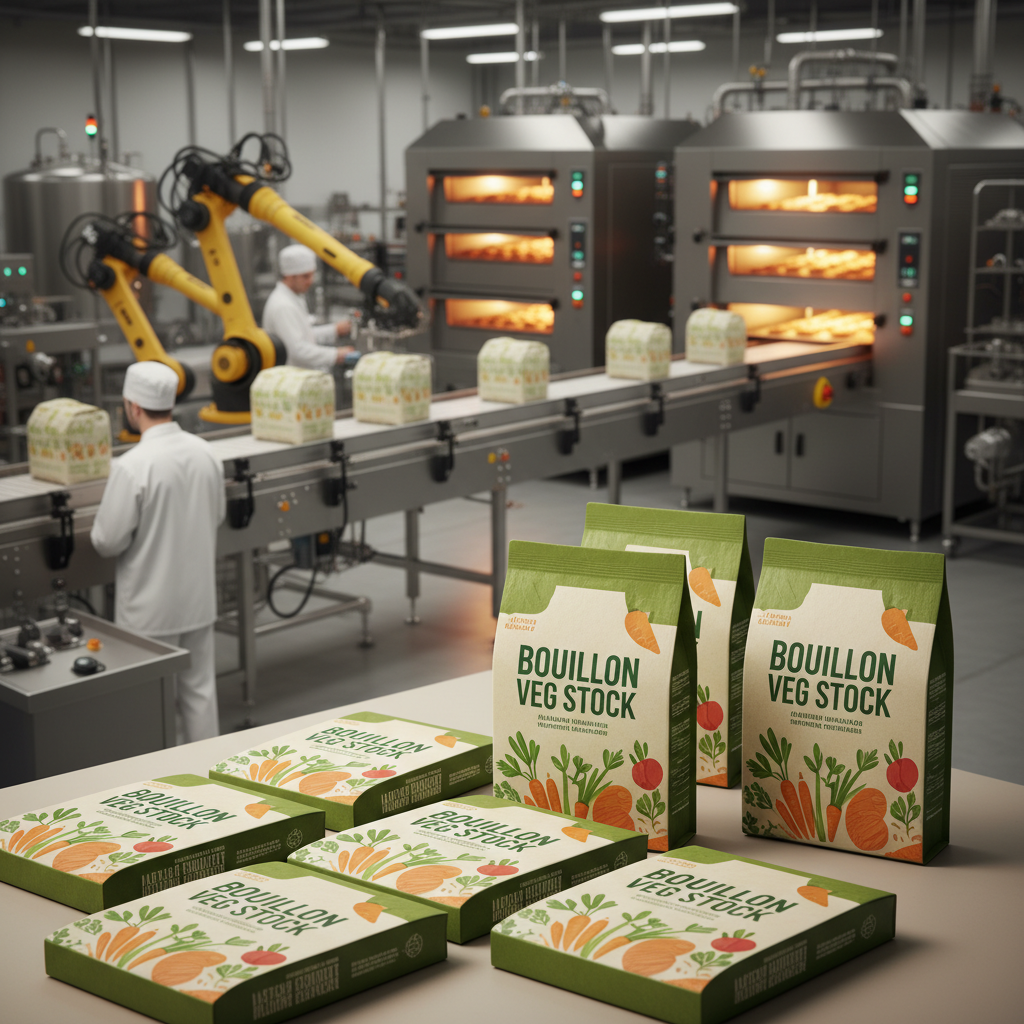
The global culinary landscape has been transformed by the convenience of concentrated flavor enhancers, with the chicken broth stock cube emerging as a cornerstone of modern kitchen efficiency. These compact powerhouses provide a consistent, savory base for soups, stews, and sauces, allowing both home cooks and industrial food processors to achieve complex flavor profiles without the time-consuming process of simmering bones for hours.
Beyond simple convenience, the evolution of the chicken broth stock cube reflects broader trends in food science and additive manufacturing. By utilizing advanced dehydration and granulation techniques, manufacturers can now preserve the volatile aromatic compounds of real chicken and vegetables, ensuring that the final product delivers a professional-grade taste across various global markets.
Understanding the technical composition and application of these stock cubes is essential for stakeholders in the food additive industry. From cost-reduction strategies in commercial catering to the stringent quality standards required for international export, the chicken broth stock cube represents a perfect intersection of chemistry, logistics, and gastronomic art.
Global Market Context of Chicken Broth Stock Cubes
The demand for concentrated seasoning solutions has surged globally as urbanization increases and the pace of life accelerates. According to market trends aligned with ISO food safety standards, the chicken broth stock cube has become an essential commodity in emerging economies where access to fresh protein may be inconsistent, but the need for nutrient-dense, flavorful meals remains constant.
Industrially, the challenge lies in balancing cost-efficiency with the "clean label" movement. Consumers are increasingly demanding fewer artificial preservatives while expecting the same shelf-stability and intense flavor that a traditional chicken broth stock cube provides, forcing manufacturers to innovate in the realm of natural extracts and organic binders.
Defining the Modern Chicken Broth Stock Cube
At its most basic level, a chicken broth stock cube is a dehydrated concentrate of meat extracts, salt, fats, and seasonings, compressed into a precise geometric form for standardized dosing. Unlike liquid stocks, the cube format eliminates the weight of water, drastically reducing shipping costs and removing the need for expensive cold-chain logistics during transport.
In the context of the food additive industry, these cubes are more than just convenience foods; they are engineered delivery systems. By controlling the particle size of the ingredients and the pressure of the compression process, manufacturers ensure that the cube dissolves rapidly in hot water without clumping, maintaining a homogeneous distribution of flavor.
This innovation addresses a critical humanitarian and commercial need: the ability to provide consistent nutrition and taste in remote areas or high-volume industrial kitchens. Whether used in a disaster relief camp or a five-star hotel chain, the chicken broth stock cube serves as a reliable foundation for culinary production.
Core Components for Flavor Stability
The efficacy of a chicken broth stock cube depends heavily on the quality of its protein extracts. High-quality hydrolyzed vegetable proteins (HVP) or concentrated chicken essences provide the "umami" depth that characterizes a premium stock, ensuring that the savory notes remain potent even after long-term storage.
Crucial to the structure is the use of binders and anti-caking agents. A well-engineered chicken broth stock cube must resist moisture absorption from the air (hygroscopy) to prevent the cube from softening or sticking to its packaging, which is achieved through the precise calibration of food-grade salts and fats.
Finally, the aromatic profile is completed through the integration of dehydrated aromatics such as onion, garlic, and celery powder. These components must be finely milled to ensure they integrate seamlessly into the chicken broth stock cube matrix, releasing their fragrance only when reconstituted in boiling water.
Industrial Performance and Scalability
From a manufacturing perspective, the scalability of chicken broth stock cube production relies on automated compression technology. The ability to produce thousands of uniform units per hour with exact weight specifications is what allows these products to remain affordable while meeting the strict quality control requirements of global retail chains.
When comparing different production methodologies, the focus is usually on dissolution speed and flavor intensity. High-pressure extrusion often yields a denser cube with a longer shelf life, whereas spray-dried mixtures may offer faster solubility but require more robust packaging to prevent degradation.
Comparative Performance of Stock Cube Formulations
Global Applications and Regional Adaptations
The application of the chicken broth stock cube varies significantly across different culinary cultures. In Southeast Asia, these cubes are often integrated into stir-fry bases and street food preparations to ensure a consistent "savory" baseline across thousands of vendors. In contrast, European markets often utilize them as a time-saving starting point for traditional slow-cooked stews and risottos.
Beyond the domestic kitchen, these products are indispensable in institutional catering, such as military rations and emergency food kits. Because a chicken broth stock cube provides essential sodium and flavor without the risk of spoilage, it is a primary component in post-disaster relief operations where fresh water and heat are available, but fresh ingredients are scarce.
Long-Term Value and Economic Advantages
The primary economic driver for adopting the chicken broth stock cube is the dramatic reduction in waste. Traditional broth production involves significant loss through evaporation and the disposal of organic solids. By shifting to a concentrated format, food service operators can precisely control their ingredient costs and eliminate the unpredictability of fresh poultry pricing.
Sustainability also plays a role in the long-term value proposition. The reduced carbon footprint associated with transporting lightweight cubes compared to heavy liquid cartons is a tangible benefit for companies aiming for green certification. This efficiency does not come at the expense of quality, as modern additives allow for a highly stable and reliable taste profile.
Furthermore, the trust established through consistent flavor profiles allows brands to scale their menus internationally. A franchise can ensure that their signature chicken-based soup tastes identical in Tokyo, London, and New York by utilizing a standardized chicken broth stock cube specification.
Future Innovations in Stock Cube Technology
The future of the chicken broth stock cube lies in the integration of biotechnology and "clean-label" chemistry. We are seeing a shift toward fermentation-derived umami compounds, which provide the same depth as traditional meat extracts but appeal to the growing flexitarian and vegan populations who seek a "chicken-style" flavor without animal products.
Digital transformation is also hitting the production line. Smart sensors and AI-driven blending systems now allow manufacturers to adjust the composition of the chicken broth stock cube in real-time based on the moisture content of the raw materials, ensuring that every single cube has an identical dissolution rate and salt concentration.
Additionally, there is a movement toward biodegradable packaging to replace the traditional foil-and-plastic wraps. The goal is to create a fully compostable chicken broth stock cube system that maintains its protective barrier properties while reducing the environmental impact of single-use plastics.
Analysis of Technical Specifications for Next-Gen Stock Cubes
| Innovation Type |
Technical Approach |
Impact on Quality |
Market Readiness |
| Plant-Based Umami |
Yeast Extract Fermentation |
High - Mimics Meat |
Commercialized |
| Low-Sodium Matrix |
Potassium Salt Substitution |
Medium - Taste Shift |
Widespread |
| Rapid-melt Tech |
Micro-granulation |
Very High - No Clumps |
Developing |
| Eco-Packaging |
PLA-based Films |
Neutral - Purely External |
Pilot Phase |
| Nutrient Fortification |
Micronutrient Encapsulation |
High - Added Health |
Niche Markets |
| AI Blending |
Real-time NIR Spectroscopy |
Extreme - Total Precision |
Enterprise Only |
FAQS
The primary difference lies in the concentration of actual meat extracts versus fillers like cornstarch or excessive salt. High-quality cubes use hydrolyzed chicken protein and natural aromatic extracts, resulting in a deeper "umami" flavor and a cleaner dissolution without leaving a gritty residue in the pot.
Yes, they are ideal for industrial use due to their standardized dosing. They allow factories to maintain flavor consistency across massive batches, reduce storage space compared to liquid bases, and eliminate the biological risks associated with handling raw chicken carcasses in a processing plant.
Manufacturers integrate specific food-grade anti-caking agents and optimize the fat-to-powder ratio to create a hydrophobic barrier. Additionally, utilizing individual foil wrapping for each chicken broth stock cube is the most effective way to isolate the product from atmospheric moisture.
Many brands now offer low-sodium versions that replace some salt with potassium chloride or use natural yeast extracts to maintain flavor with less sodium. There are also organic-certified cubes that avoid artificial MSG and synthetic preservatives.
Due to their low water activity (aw) and high salt content, most chicken broth stock cubes have a shelf life of 18 to 36 months when stored in a cool, dry place. This makes them an excellent choice for long-term food security and global export.
When importing, ensure the supplier provides a Certificate of Analysis (COA) and adheres to ISO or HACCP standards. Working with a specialized additive manufacturer ensures that the product meets the specific regulatory requirements of your target country's food safety authority.
Conclusion
The chicken broth stock cube is far more than a simple kitchen shortcut; it is a sophisticated product of food engineering that balances flavor, stability, and economy. By condensing complex savory profiles into a portable and durable format, it solves critical challenges in logistics, waste management, and culinary consistency across both domestic and industrial scales.
Looking ahead, the industry is poised for a shift toward sustainable, clean-label, and plant-based alternatives that do not compromise on the classic taste. For businesses seeking to optimize their flavor profiles and operational efficiency, investing in high-quality, scientifically formulated stock solutions is a strategic move toward scalability and global competitiveness. Visit our website: www.chinaseasoning.com