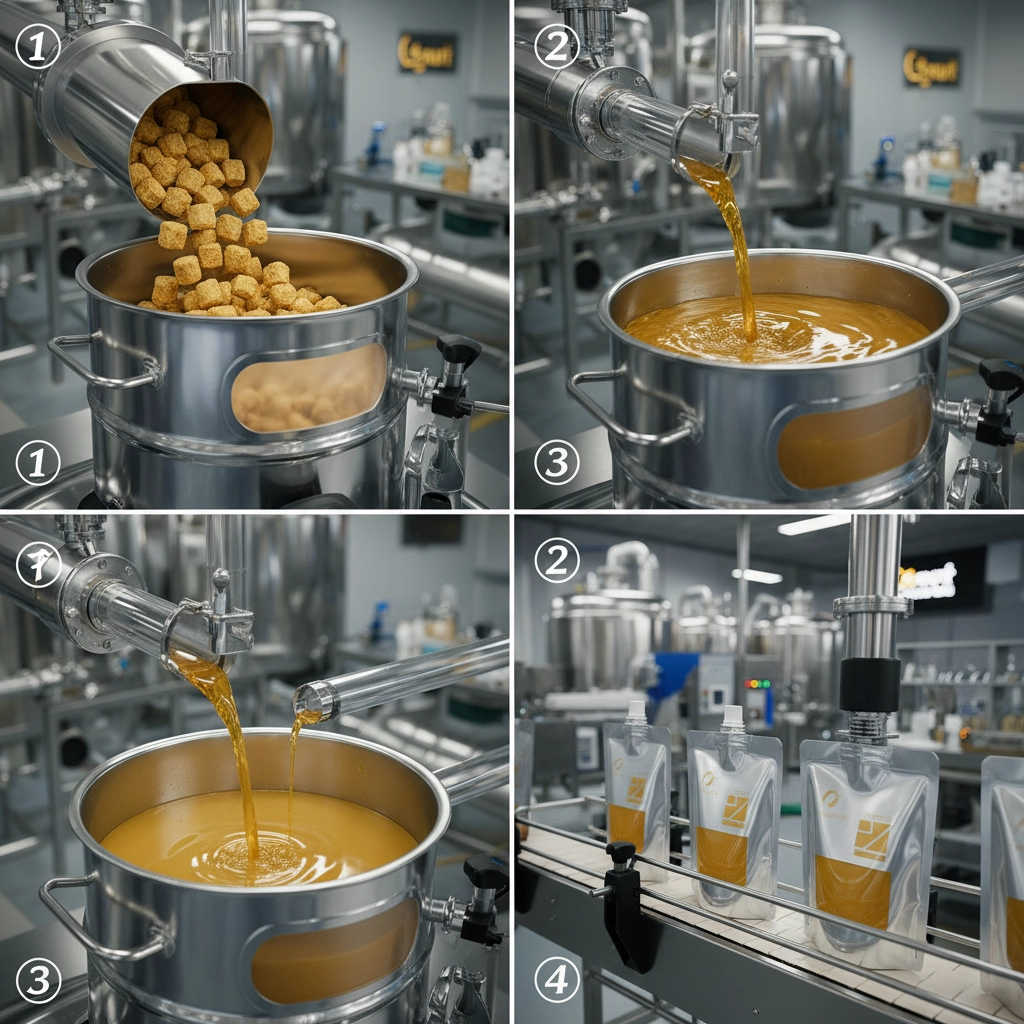
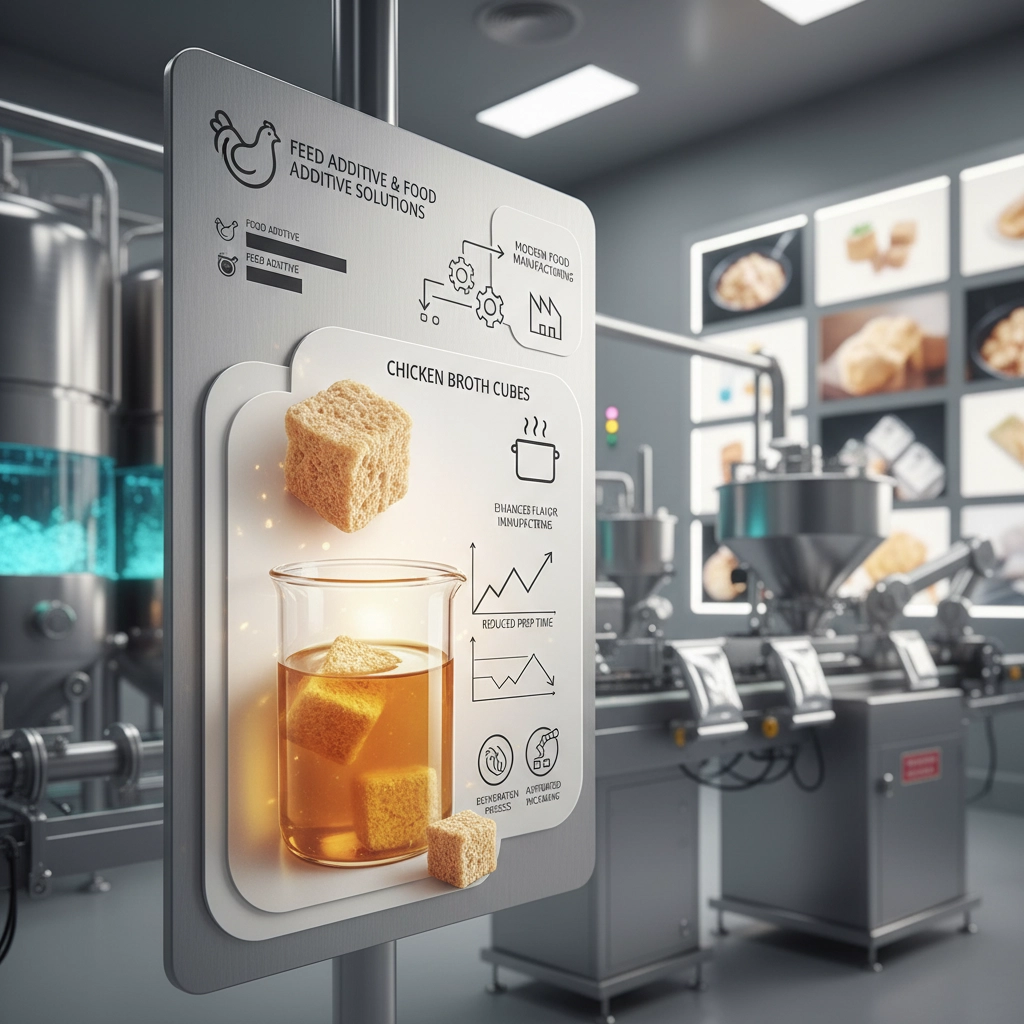
In the fast-paced world of modern culinary production, achieving a consistent, rich flavor profile without hours of simmering is a significant industrial challenge. The development of chicken broth with chicken cubes has revolutionized how food manufacturers and home cooks alike approach base seasonings, offering a concentrated burst of umami and savory notes in a convenient, shelf-stable format.
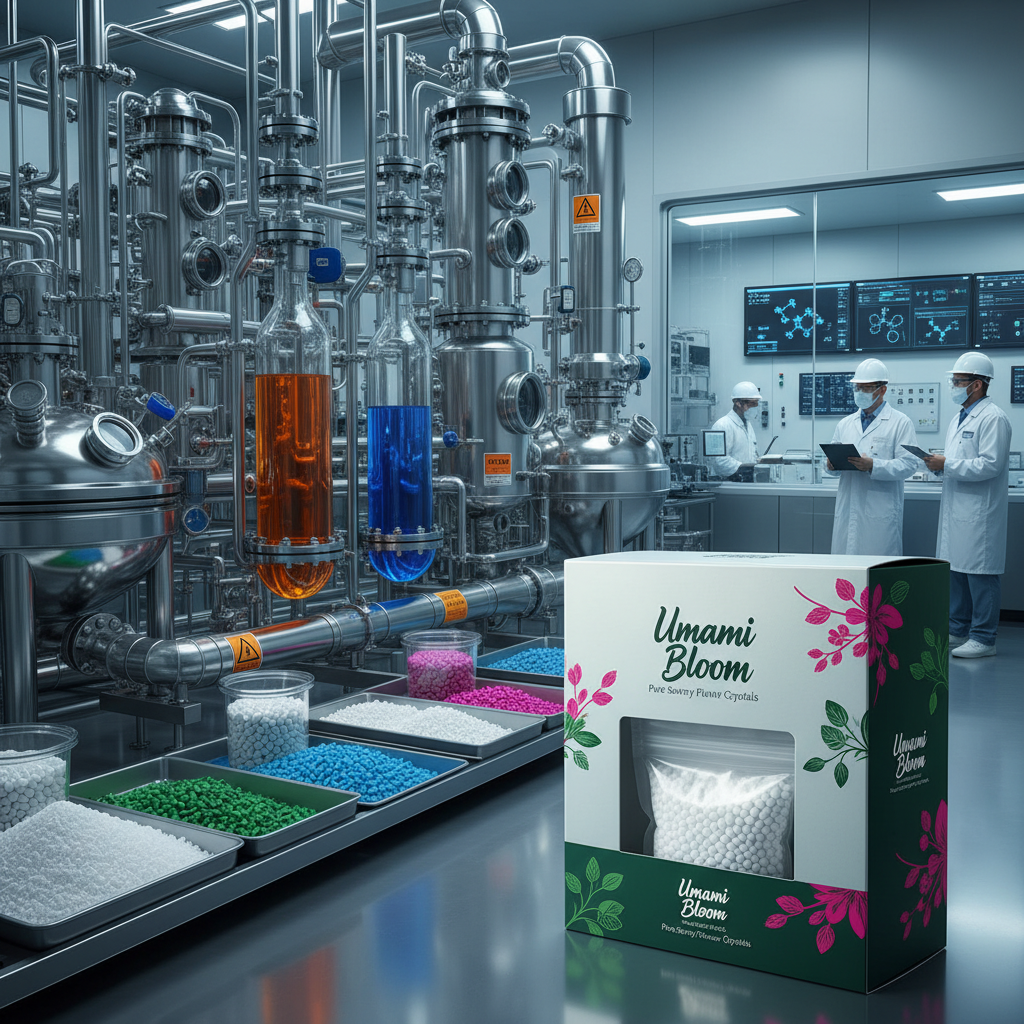
From a global supply chain perspective, these concentrated bouillon formats address the need for standardized taste across different geographical markets. By utilizing advanced food additive technology, the industry can now ensure that a broth prepared in Asia tastes identical to one prepared in Europe, reducing the variability associated with fresh ingredients and local water minerals.
Understanding the science behind chicken broth with chicken cubes is essential for procurement managers and food scientists who seek to balance cost-efficiency with nutritional value. As consumer demand shifts toward "clean label" ingredients, the innovation in how these cubes are formulated is paving the way for healthier, more sustainable flavor enhancers.
Global Market Context of Chicken Broth with Chicken Cubes
The global demand for convenient flavor bases has seen a steady incline, with the market for chicken broth with chicken cubes expanding rapidly in emerging economies. According to industry trends aligned with ISO food safety standards, the shift toward processed seasonings is driven by urbanization and the need for quick-prep meals that do not sacrifice the "homemade" taste profile.
However, the industry faces a critical challenge: the balance between sodium content and flavor intensity. As the World Health Organization (WHO) continues to push for reduced salt intake globally, manufacturers are forced to innovate with potassium-based salts and natural yeast extracts to maintain the savory punch of chicken broth with chicken cubes while adhering to stricter health regulations.
Defining the Composition of Chicken Broth with Chicken Cubes
At its core, chicken broth with chicken cubes is a dehydrated concentrate consisting of chicken fat, salt, flavor enhancers, and various herbs. Through a process of spray-drying and compression, the liquid essence of a simmered chicken stock is transformed into a solid, portable cube that can be instantly reconstituted in boiling water.
From a manufacturing standpoint, this product is more than just a seasoning; it is a feat of food engineering. The interaction between the lipids (fats) and the salts creates a matrix that protects volatile aromatic compounds, ensuring that the "chicken" aroma is released only upon hydration, thereby extending the shelf life significantly.
In the context of modern humanitarian aid and remote industrial catering, these cubes are indispensable. They provide a dense source of flavor and essential salts in environments where fresh livestock or long-simmering equipment are unavailable, making them a cornerstone of food security and nutritional supplementation.
Core Technical Components for Flavor Stability
The durability and flavor consistency of chicken broth with chicken cubes rely heavily on the precision of the additive mix. One primary factor is the use of anti-caking agents, which prevent the cubes from absorbing atmospheric moisture and becoming clumpy during storage.
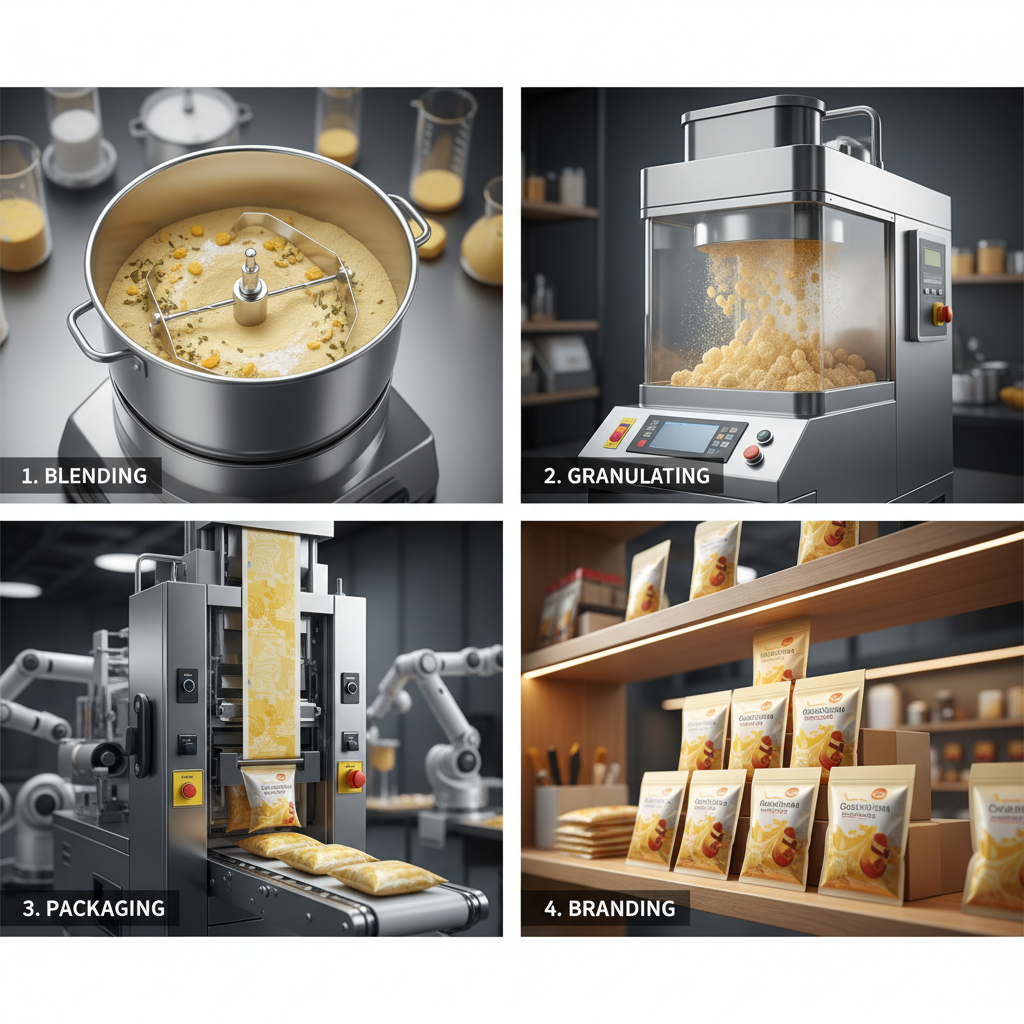
Furthermore, the scalability of production is achieved through high-shear mixing and precise compression ratios. For chicken broth with chicken cubes to maintain a uniform dissolution rate, the particle size of the salt and the distribution of the chicken extract must be perfectly homogenized.
Cost efficiency is another critical pillar. By optimizing the ratio of natural chicken extracts to hydrolyzed vegetable proteins (HVP), manufacturers can produce a high-impact savory taste that remains affordable for the mass market without compromising the perceived quality of the chicken broth with chicken cubes.
Practical Applications and Efficiency Metrics
In real-world applications, the efficiency of chicken broth with chicken cubes is measured by the "dissolution speed" and "flavor yield." In professional kitchens, these cubes allow for the rapid creation of deglazing liquids and poaching bases, reducing the labor cost associated with traditional stock production by up to 90%.
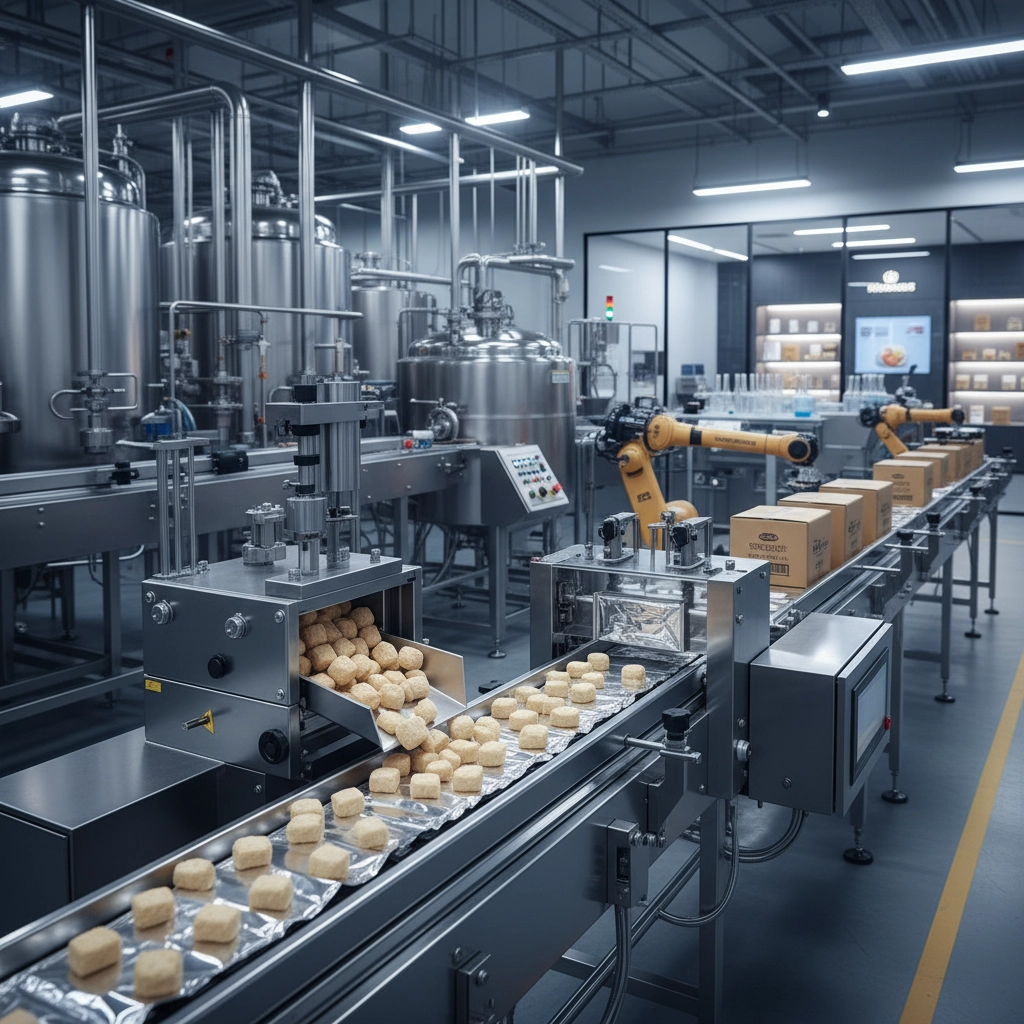
Beyond the kitchen, these products are integrated into the manufacturing of instant noodles, ready-to-eat meals, and dehydrated soup mixes. The stability of the flavor profile ensures that the end-product remains consistent regardless of the batch size or the location of the final assembly plant.
Performance Comparison of Chicken Broth with Chicken Cubes Formulations
Global Industrial Use Cases and Regional Adaptation
The application of chicken broth with chicken cubes varies significantly by region. In Southeast Asia, these cubes are often formulated with a slight sweetness or added lemongrass notes to better suit local palate preferences. Conversely, in Western markets, there is a stronger emphasis on "natural flavors" and the removal of MSG.
In high-pressure environments, such as military field rations or post-disaster relief operations managed by NGOs, the portability of chicken broth with chicken cubes is its most valuable asset. These cubes provide a comforting, familiar taste that can boost morale and provide necessary electrolytes to populations in distress.
Long-Term Value and Sustainability Advantages
From a sustainability perspective, chicken broth with chicken cubes offers a significant reduction in water waste and energy consumption compared to traditional broth simmering. By dehydrating the product at the source, the weight and volume for shipping are drastically reduced, leading to a lower carbon footprint during transportation.
The long-term economic value lies in waste reduction. Fresh chicken stock has a very short shelf life, often leading to significant spoilage in commercial kitchens. The transition to a cube-based system ensures that ingredients are used only as needed, maximizing the utility of the raw materials.
Moreover, the reliability of these products builds trust between manufacturers and B2B clients. When a food chain knows that every single batch of chicken broth with chicken cubes will yield the exact same flavor profile, they can scale their operations globally with confidence and consistency.
Future Trends in Chicken Broth Formulation
The future of chicken broth with chicken cubes is leaning heavily toward "Green Chemistry" and digitalization. We are seeing a rise in the use of plant-based chicken alternatives (vegan broth cubes) that mimic the savory profile of real chicken through advanced fermentation and precision yeast technology.
Automation in the production line is also evolving, with AI-driven sensory analysis ensuring that every batch of chicken broth with chicken cubes meets a precise "gold standard" of taste before packaging. This reduces human error and ensures an even higher level of quality control.
Sustainability is also driving a change in packaging, moving away from plastic wraps toward biodegradable films. The goal is to create a product that is as eco-friendly as it is convenient, ensuring the long-term viability of the product in an environmentally conscious market.
Technical Analysis of Future Chicken Broth with Chicken Cubes Developments
|
Innovation Dimension
|
Current Standard
|
Next-Gen Approach
|
Expected Impact Score (1-10)
|
| Flavor Source |
Animal-based Extract |
Precision Fermentation |
9 |
| Sodium Level |
High NaCl Content |
Potassium-Salt Blends |
8 |
| Packaging |
Polypropylene Wrap |
Compostable Bio-films |
7 |
| Production |
Manual Batching |
AI-Optimized Flow |
10 |
| Solubility |
Standard Dissolution |
Instant-Melt Micro-granules |
8 |
| Nutritional Value |
Basic Seasoning |
Fortified with Vitamins |
6 |
FAQS
Professional cubes offer unmatched consistency and shelf stability. While home-made stock is fresh, it varies by batch and spoils quickly. Commercial chicken broth with chicken cubes uses standardized extracts and anti-caking agents to ensure that the flavor profile remains identical across thousands of applications, significantly reducing labor costs and waste in industrial settings.
The secret lies in enhancing the "umami" through alternative means. By increasing the concentration of yeast extracts, mushroom powders, or utilizing potassium-based salt substitutes, manufacturers can maintain the savory depth of the chicken broth with chicken cubes while reducing the overall sodium content, meeting modern health guidelines without sacrificing taste.
Absolutely. In fact, they are designed specifically for scalability. Because they are concentrated and standardized, they allow food factories to maintain a rigorous quality control process. Whether you are producing 1,000 or 1,000,000 liters of soup, using chicken broth with chicken cubes ensures a consistent taste profile across all production lines.
When stored in a cool, dry place and kept in airtight packaging, most high-quality chicken broth with chicken cubes have a shelf life of 12 to 24 months. The low moisture content prevents microbial growth, and the inclusion of stabilized fats ensures that the aromatic qualities do not oxidize quickly.
Yes, the industry has evolved to offer various "clean label" options. Many manufacturers now produce chicken broth with chicken cubes that replace MSG with natural flavor enhancers like hydrolyzed vegetable proteins or yeast extracts, and use organic-certified chicken extracts to meet the demands of health-conscious consumers.
Importing requires adherence to the food safety regulations of the destination country (such as FDA in the US or EFSA in the EU). It is essential to ensure that the chicken broth with chicken cubes are produced in an ISO-certified facility and accompanied by a detailed Certificate of Analysis (CoA) to facilitate smooth customs clearance.
Conclusion
The evolution of chicken broth with chicken cubes represents the perfect intersection of culinary art and industrial chemistry. By transforming a time-consuming kitchen process into a precise, scalable product, the industry has provided a solution that balances flavor, convenience, and cost-efficiency. From the stabilization of umami notes to the reduction of global food waste, these cubes have become an indispensable tool for modern food production.
Looking ahead, the continued integration of sustainable sourcing and AI-driven quality control will further refine the quality of chicken broth with chicken cubes. As we move toward a future of personalized nutrition and eco-friendly packaging, the adaptability of these flavor concentrates will ensure they remain a staple in both professional and home kitchens worldwide. For premium industrial seasoning solutions, visit our website: www.chinaseasoning.com