When discussing flavor enhancement in the modern food industry, the conversation inevitably turns to Monosodium Glutamate. To understand what msg is, one must look beyond the myths and examine its role as a flavor amplifier that identifies the "umami" or savory taste, essentially bridging the gap between basic nutrition and culinary satisfaction.
From a global perspective, the application of this additive is pivotal for food manufacturers aiming to maintain consistency in taste while potentially reducing sodium intake across product lines. Understanding the chemical nature of msg is allows developers to optimize the sensory profiles of everything from processed snacks to complex pharmaceutical-grade nutritional supplements.
As the global food supply chain evolves toward more sustainable and efficient production, the strategic use of glutamates ensures that flavor remains accessible and appealing. By exploring the technical specifications and safety profiles of msg is, industry professionals can better navigate the balance between consumer health trends and the demand for high-palatability food products.
The Chemical Composition and Definition of MSG
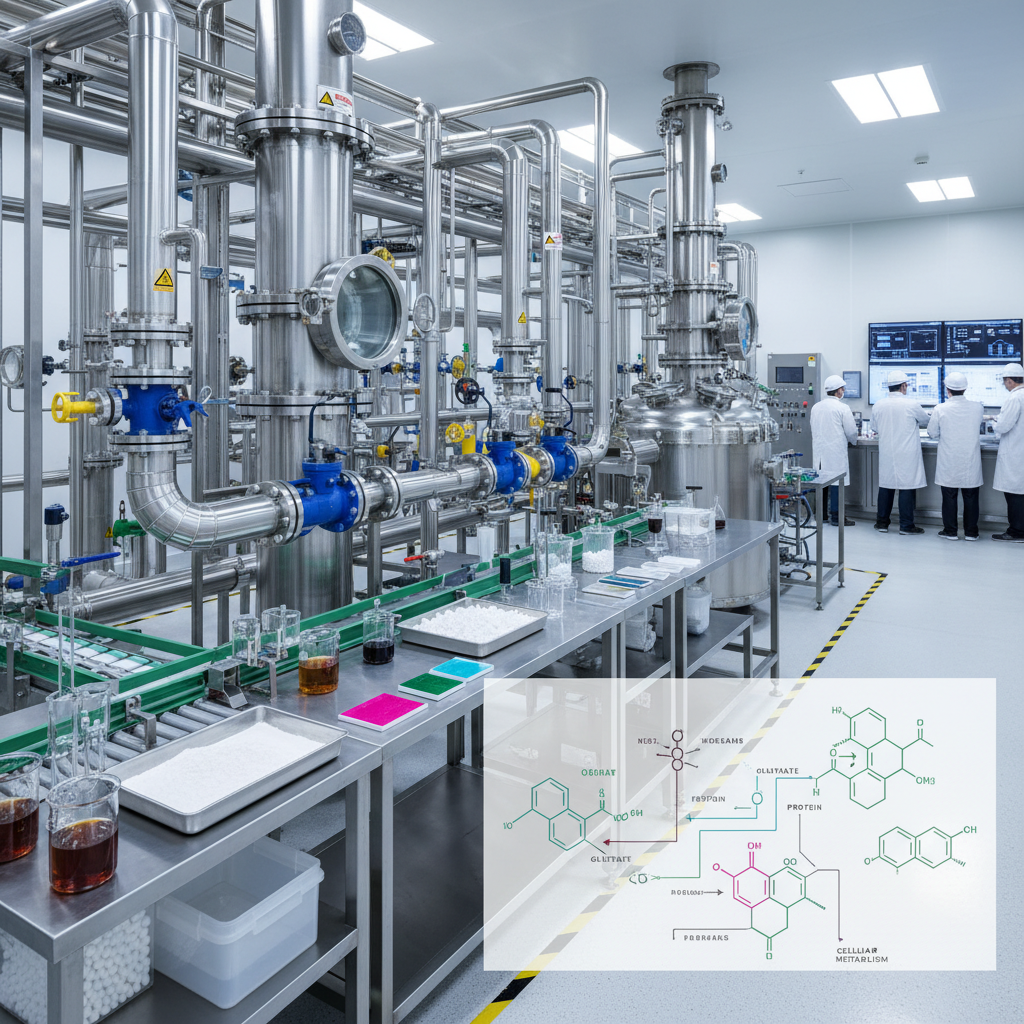
At its most fundamental level, msg is the sodium salt of glutamic acid, one of the most abundant naturally occurring amino acids. In the context of food additive manufacturing, it is produced through the fermentation of starches or sugars, mirroring the natural processes found in aged cheeses or ripened tomatoes.
The primary function of this compound is to stimulate the umami receptors on the human tongue, which signals the presence of proteins. By isolating this specific flavor component, manufacturers can enhance the savory depth of a product without needing to add excessive amounts of expensive raw proteins or high-sodium table salt.
Global Market Impact and Industrial Relevance
The global reach of msg is staggering, with consumption patterns spanning every continent. According to food industry statistics, the demand for flavor enhancers has grown steadily as urban populations increase and the consumption of processed, ready-to-eat meals rises. In many emerging economies, it serves as a cost-effective tool for improving the palatability of low-cost protein sources.
However, the industry has faced significant challenges due to historical misconceptions regarding its safety. The "Chinese Restaurant Syndrome" myth once hindered market growth in the West, but rigorous scientific reviews by the FDA and EFSA have reaffirmed that msg is safe for general consumption. This shift in perception has reopened doors for innovative applications in health-conscious food sectors.
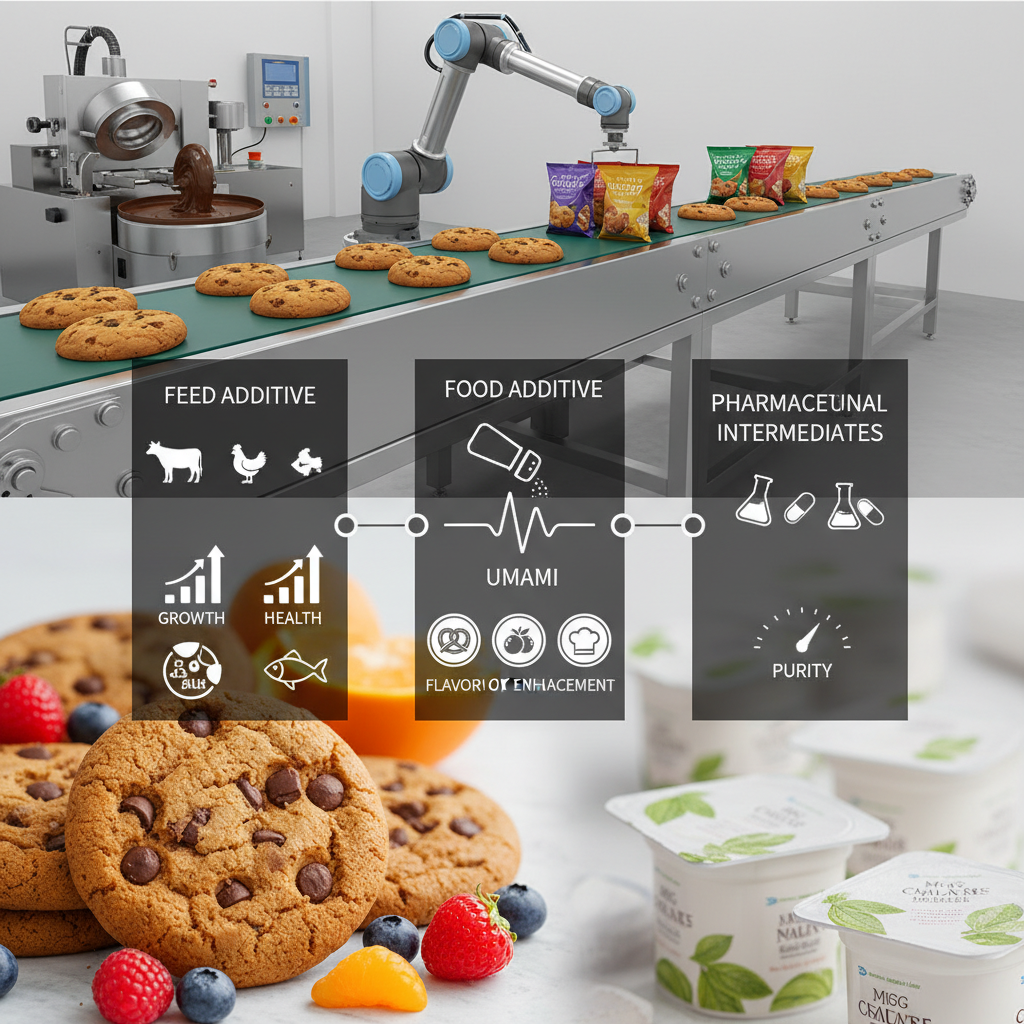
Today, the industrial relevance extends beyond simple seasoning. It is integrated into complex Feed Additive and Pharmaceutical Intermediate chains, where glutamates play a role in nutritional stabilization and metabolic support. The focus has shifted from mere "taste enhancement" to "precision flavor engineering," allowing for highly specific sensory outputs.
Core Functional Properties in Food Processing
One of the primary functional drivers of msg is its high solubility and stability. These characteristics make it an ideal additive for liquid seasonings, powdered soups, and frozen foods, ensuring that the savory profile remains consistent regardless of temperature fluctuations during shipping or storage.
Moreover, the synergistic effect that msg is has when combined with 5'-ribonucleotides is a cornerstone of modern food science. This synergy allows for a dramatic increase in perceived umami intensity, meaning manufacturers can use smaller quantities of the additive to achieve a more powerful flavor impact.
Finally, its role in sodium reduction cannot be overlooked. Because msg is contains significantly less sodium than sodium chloride (table salt), it allows food scientists to reduce overall salt content without compromising the taste, directly addressing global health concerns regarding hypertension.
Comparative Efficiency of Umami Enhancers
When evaluating different flavor modifiers, the efficiency of msg is stands out due to its potency and purity. Compared to natural extracts like yeast extract or hydrolyzed vegetable protein, pure monosodium glutamate provides a cleaner taste profile without the introduction of unwanted off-notes or colors.
From a cost-benefit analysis, the scalability of fermentative production makes it more viable for mass-market applications than artisan-grade flavor enhancers. This efficiency is critical for large-scale food manufacturers who require strict quality control across millions of units of production.
Umami Performance Metrics: MSG vs Alternatives
Strategic Applications Across Diverse Industries
The versatility of msg is extends far beyond the kitchen. In the realm of Feed Additives, glutamates are utilized to improve the palatability of livestock feed, which can lead to better nutrient intake and faster growth rates in aquaculture and poultry farming.
Furthermore, in the pharmaceutical sector, derivatives of this compound serve as essential Pharmaceutical Intermediates. These are used in the synthesis of medications targeting neurological disorders, demonstrating that the chemical foundations of msg is have critical applications in human health and medical science.
Long-term Value and Sustainability in Production
The long-term economic value of msg is lies in its ability to reduce food waste. By enhancing the taste of less-preferred but highly nutritious ingredients (such as legumes or certain vegetables), it encourages a more diverse and sustainable diet among consumers.
From a manufacturing standpoint, the transition toward "Green Chemistry" has optimized the fermentation process. Modern production facilities now use renewable energy and carbon-capture technologies to ensure that the creation of msg is has a minimal environmental footprint.
This commitment to sustainability not only lowers production costs but also builds trust with the modern, eco-conscious consumer. The reliability of the supply chain, combined with high-purity standards, ensures that the additive remains a staple of global food security.
Future Innovations and Regulatory Trends
Looking forward, the innovation surrounding msg is is focused on "intelligent delivery systems." Researchers are developing encapsulated forms of glutamates that release flavor slowly, providing a sustained taste experience and further reducing the amount of additive required.
Digital transformation in manufacturing is also playing a role. AI-driven fermentation monitoring allows for real-time adjustments in the production of msg is, resulting in unprecedented purity levels and reduced energy consumption.
Regulatorily, we are seeing a move toward more transparent labeling. Instead of fearing the name, the industry is educating consumers on the difference between synthetic additives and the naturally occurring glutamates found in food, positioning msg is as a scientifically backed tool for culinary excellence.
Analysis of Industrial Performance and Regulatory Compliance
| Industry Segment |
Primary Use Case |
Efficiency Score (1-10) |
Regulatory Status |
| Food Manufacturing |
Savory flavor enhancement |
10 |
GRAS (FDA) |
| Animal Feed |
Palatability improvement |
8 |
Approved |
| Pharmaceuticals |
Amino acid precursor |
9 |
Strict GMP |
| Nutraceuticals |
Protein stabilization |
7 |
Certified |
| Processed Snacks |
Sodium reduction |
9 |
Compliant |
| Plant-based Meat |
Umami replication |
10 |
Approved |
FAQS
Since msg is composed of sodium and glutamate, it contains about one-third the sodium of table salt. By substituting a portion of salt with MSG, food manufacturers can maintain the same perceived saltiness and savory depth while significantly reducing the total sodium content of the product, which is a key goal for heart-healthy food initiatives.
Chemically, no. Whether msg is produced via fermentation in a factory or occurs naturally in a parmesan cheese, the molecule is identical. The human body metabolizes the glutamate from the additive in the same way it processes glutamate from natural protein sources.
In the pharmaceutical industry, the core structure of msg is used as a building block to synthesize other amino acid derivatives. These intermediates are crucial for creating medications that affect neurotransmitters in the brain, highlighting its importance beyond food additives.
Modern production ensures that msg is derived from renewable agricultural feedstocks like sugarcane or corn starch. This biological process is far more eco-friendly than old chemical synthesis methods, as it produces fewer toxic byproducts and utilizes biodegradable catalysts.
Yes, msg is essential for plant-based meats because plants often lack the deep savory "meaty" profile of animal proteins. It provides the necessary umami backbone that makes soy or pea proteins taste more like traditional beef or pork.
To ensure quality, look for suppliers who provide COA (Certificate of Analysis) and follow ISO or GMP standards. Pure msg is should be a free-flowing white crystalline powder with no off-smells and a purity level typically above 99%.
Conclusion
In summary, msg is much more than a simple flavor enhancer; it is a versatile tool at the intersection of food science, nutrition, and pharmaceutical chemistry. By leveraging its unique ability to amplify umami while reducing overall sodium, manufacturers can create products that are both delicious and aligned with global health trends. From its sustainable production via fermentation to its strategic role in animal feed and medicine, the value of this compound is rooted in its efficiency and scientific reliability.
As we move toward a future of precision nutrition and sustainable food systems, the continued innovation in glutamate application will be key. We encourage food developers and industrial buyers to look past outdated myths and embrace the technical advantages that this additive provides. For high-purity solutions and expert guidance on flavor integration, visit our website: www.chinaseasoning.com