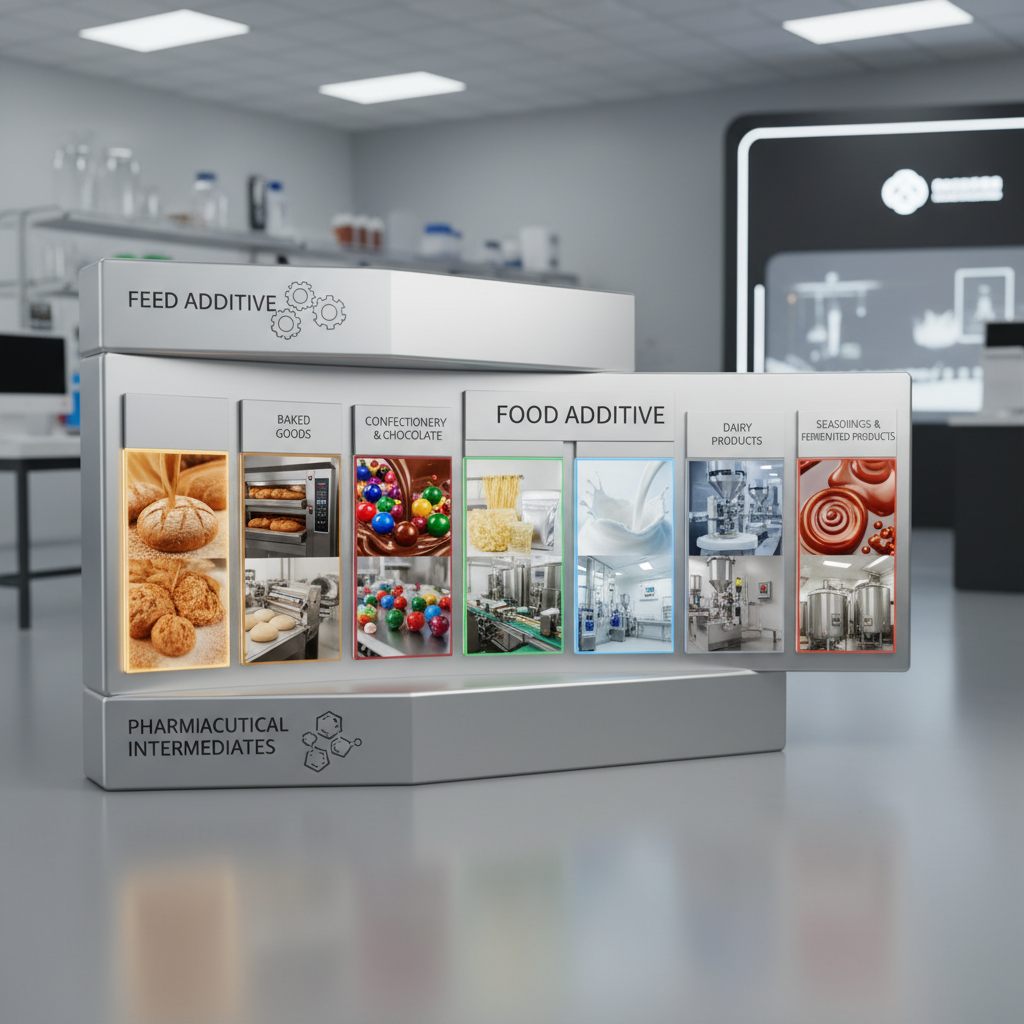
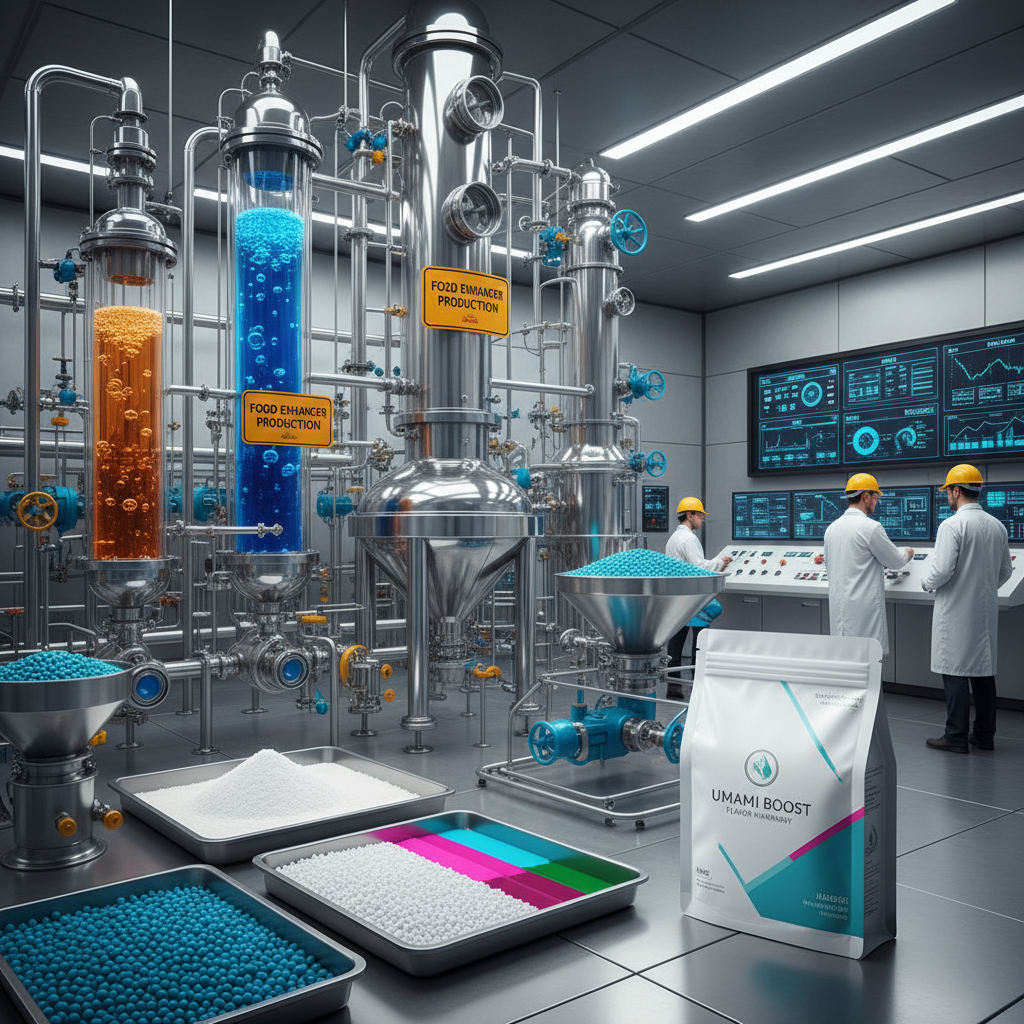
Monosodium Glutamate, commonly known as MSG, serves as one of the most versatile and debated flavor enhancers in the global food manufacturing landscape. Understanding the precise msg use is essential for food scientists and manufacturers who aim to achieve the elusive "umami" taste—the fifth basic taste that signifies savory richness. In the competitive realm of food additives, the strategic application of MSG allows for a significant reduction in sodium levels while maintaining a high sensory profile.
From a global perspective, the industrialization of MSG production has revolutionized the way we perceive taste consistency across diverse cuisines. By standardizing the concentration of glutamates, manufacturers can ensure that a product tastes the same whether it is produced in Asia, Europe, or the Americas. This scalability is crucial for the expansion of processed foods and ready-to-eat meals, where flavor stability is the primary driver of consumer loyalty and repeat purchases.
However, the journey of msg use is not without its challenges, primarily due to historical misconceptions regarding its safety. Today, evidence-based nutrition and international food safety standards, such as those from the JECFA and FDA, provide a clear framework for its safe application. By integrating MSG into modern food formulations, the industry can balance cost-efficiency, nutritional goals, and an unparalleled taste experience that meets the evolving demands of global consumers.
The Fundamental Science of MSG Use
At its molecular core, msg use is the application of the sodium salt of glutamic acid, an amino acid that occurs naturally in foods like tomatoes and parmesan cheese. When dissolved, it releases glutamate ions that bind to specific receptors on the tongue, signaling the brain to perceive a savory, "meaty" quality. This biological response is what makes MSG such a potent tool for enhancing the perceived quality of low-cost protein sources.
For the food manufacturer, the science lies in the precise dosing. Over-application can lead to a metallic aftertaste, while under-application fails to trigger the umami response. The goal is to achieve a synergistic effect where the additive blends seamlessly with the natural glutamates present in the raw ingredients, creating a rounded and satisfying flavor profile that encourages consumption.
Industrial Standards and Regulatory Frameworks
The global adoption of msg use is governed by strict safety guidelines to ensure consumer protection. Organizations such as the Joint FAO/WHO Expert Committee on Food Additives (JECFA) have categorized MSG as "generally recognized as safe" (GRAS). This classification is based on exhaustive toxicological data proving that the body processes exogenous glutamate in the same way it processes glutamate from natural proteins.
In the industrial sector, adhering to ISO standards and local food laws (such as FDA in the US or EFSA in the EU) is paramount. These regulations often dictate the labeling requirements and the maximum permissible levels in specific food categories. For manufacturers, this means implementing rigorous Quality Assurance (QA) protocols to monitor the purity and concentration of the additive in every batch.
Beyond mere compliance, the industry is moving toward transparency. By providing clear data on the origin and purity of the glutamates used, companies can combat long-standing myths. This regulatory rigor not only ensures safety but also provides a competitive advantage to those who can certify their products as meeting the highest international pharmaceutical and food-grade standards.
Optimizing Flavor Profiles via Umami Synergy
One of the most sophisticated aspects of msg use is the concept of synergy, specifically when combined with ribonucleotides like IMP (inosinate) and GMP (guanylate). When these compounds are used together, the perceived intensity of the umami taste is not merely additive but multiplicative, allowing for a much smaller amount of each additive to achieve a powerful flavor impact.
From a commercial standpoint, this synergy is a game-changer for sodium reduction strategies. By utilizing msg use in combination with nucleotides, manufacturers can reduce overall salt (NaCl) content by up to 40% without sacrificing the perceived saltiness or savory depth of the product, directly addressing global health concerns regarding hypertension.
The practical application of this synergy is seen widely in the production of bouillon cubes, savory snacks, and processed meats. By carefully balancing the ratio of MSG to natural ingredients, flavorists can create a "full-bodied" taste that mimics the slow-cooked depth of traditional stews in a fraction of the time and cost, ensuring high efficiency in mass production.
Comparative Efficiency of MSG Use Methods
Depending on the food matrix, different methods of msg use are employed to maximize stability and taste. For dry blends, crystalline MSG is preferred for its stability and ease of mixing. In liquid emulsions or sauces, dissolved MSG solutions are utilized to ensure a homogenous distribution of flavor throughout the product, preventing "hot spots" of intensity.
The efficiency of these methods is often measured by the "Sensory Impact Score," which evaluates how effectively the additive enhances the base ingredients. For instance, in plant-based meat alternatives, the use of MSG is critical to bridge the flavor gap between vegetable proteins and animal fats, providing the necessary savory backbone that consumers expect.
Effectiveness Analysis of MSG Use Methods
Global Market Applications and Regional Preferences
The regional dynamics of msg use vary significantly. In East Asian markets, MSG is an integral part of the culinary identity, used extensively in home cooking and industrial food production. Here, the focus is on purity and the ability of the additive to enhance a wide range of fermented and fresh ingredients.
Conversely, in Western markets, the application of MSG is more subtle and often hidden within "natural flavors" or "hydrolyzed vegetable proteins." However, there is a growing trend toward "Umami-forward" branding in the US and Europe, as chefs and food scientists rediscover the benefits of controlled msg use to create gourmet experiences in fast-casual dining and processed snacks.
Sustainable Production and Green Chemistry
Modern msg use begins with sustainable production. The shift from chemical synthesis to microbial fermentation—using organisms like Corynebacterium glutamicum—has drastically reduced the environmental footprint of MSG production. By utilizing renewable feedstocks such as sugarcane or corn starch, the industry is aligning with global sustainability goals.
Furthermore, the byproduct of this fermentation process is often repurposed as a high-nitrogen organic fertilizer, creating a circular economy within the manufacturing plant. This "green chemistry" approach ensures that the cost-efficiency of MSG is not achieved at the expense of the environment, making it a sustainable choice for long-term industrial growth.
Innovations in membrane filtration and crystallization are also reducing water consumption and energy usage during the purification stage. As carbon taxes and environmental regulations tighten, the transition to these eco-friendly production methods is becoming a necessity for all major suppliers of food additives.
Technical Analysis of Dosage and Stability
Precise msg use requires a deep understanding of the chemical stability of glutamate in various environments. MSG is generally stable under a wide range of temperatures and pH levels, making it ideal for canned foods and retorted products. However, at extremely high temperatures for prolonged periods, some degradation can occur, which can slightly alter the flavor profile.
Dosage is the most critical variable; typically, a concentration of 0.1% to 0.5% by weight is sufficient to enhance the savory notes of a dish without introducing an artificial taste. In pharmaceutical intermediates and specialized feed additives, the purity level (often >99%) is scrutinized to prevent contamination and ensure consistent biological activity.
The interaction between MSG and other ingredients, such as acids (citric or acetic acid), can modify the perception of umami. A slight acidity can "brighten" the savory notes, preventing the flavor from becoming too heavy. This balance is the hallmark of professional food formulation.
Technical Specification and Stability Analysis of MSG Use
| Application Dimension |
Optimal Dosage |
Stability Score (1-10) |
Primary Benefit |
| Processed Meats |
0.2% - 0.4% |
9 |
Enhanced Meatiness |
| Instant Soups |
0.5% - 1.0% |
10 |
Instant Flavor Depth |
| Plant-based Protein |
0.3% - 0.6% |
8 |
Masking Beany Notes |
| Condiments/Sauces |
0.1% - 0.3% |
9 |
Salty-Savory Balance |
| Animal Feed |
Variable |
7 |
Palatability Increase |
| Pharmaceutical Intermed. |
Ultra-precise |
10 |
High Purity Standard |
FAQS
Yes, according to global health authorities like the FDA and EFSA, MSG is safe for the general population. The glutamate in MSG is chemically identical to that found in natural foods. When used within recommended industrial dosage levels, it does not pose a health risk and is processed efficiently by the human metabolism.
MSG contains about one-third of the sodium found in table salt. By using MSG to provide the savory "umami" punch, manufacturers can significantly reduce the amount of sodium chloride (NaCl) needed to make a product taste flavorful, thereby lowering the overall sodium content without compromising taste.
Absolutely. In fact, msg use is critical in the plant-based sector. It helps recreate the savory depth of animal proteins and masks the bitter or "earthy" notes often associated with pea or soy proteins, making the product more appealing to flexitarian consumers.
Crystalline MSG is pure monosodium glutamate, offering a clean, consistent umami taste. Hydrolyzed vegetable proteins (HVP) are produced by breaking down proteins into amino acids; they contain glutamate but also other amino acids and peptides, which provide a more complex but less intense savory profile compared to pure MSG.
While MSG is highly stable, for ultra-high-temperature (UHT) processing, it is recommended to add MSG toward the end of the mixing phase or use encapsulated forms. This prevents any potential flavor degradation and ensures that the umami profile remains intact through the shelf life of the product.
In the European Union, MSG is permitted as a food additive (E621). It must be clearly listed in the ingredients list. Regulations focus on purity standards and the prevention of misleading claims. Following the EFSA guidelines ensures that products are compliant for the European market.
Conclusion
In summary, the strategic and scientific application of msg use is a cornerstone of modern food manufacturing, enabling the creation of savory, consistent, and sodium-reduced products. By leveraging the synergy between glutamates and nucleotides, and adhering to strict global safety standards, the industry can deliver high-value sensory experiences while maintaining nutritional balance and production efficiency.
Looking forward, the integration of green chemistry and biotechnology will further refine the production of MSG, making it an even more sustainable choice. For manufacturers aiming to optimize their flavor profiles and scale their operations globally, investing in high-purity additives and expert formulation is the key to success. Visit our website: www.chinaseasoning.com to discover how we can support your additive needs.