Understanding the msg meaning in cooking is essential for anyone looking to master the art of flavor enhancement in both home kitchens and industrial food production. Monosodium Glutamate, commonly known as MSG, is the sodium salt of glutamic acid, an amino acid found naturally in many foods. By isolating this compound, chefs and food scientists can consistently evoke the "umami" or savory taste, which bridges the gap between salty and sweet, creating a full-bodied sensory experience.
On a global scale, the application of umami-rich additives has transformed the food manufacturing industry, allowing for the creation of consistent, high-quality taste profiles across diverse product lines. Whether it is in a gourmet sauce or a mass-produced snack, the strategic use of flavor enhancers ensures that the nutritional profile is balanced with a satisfying palate, reducing the need for excessive salt intake while maintaining taste intensity.
Despite various myths, scientific consensus and international food safety bodies recognize the safe usage of these additives when applied within recommended guidelines. Mastering the msg meaning in cooking allows professionals to optimize the organoleptic properties of food, ensuring consumer satisfaction and product competitiveness in an increasingly crowded global market.
The Scientific Foundation of MSG in Culinary Arts
At its core, the msg meaning in cooking refers to the utilization of monosodium glutamate to trigger the umami receptors on the human tongue. Umami, often described as the "fifth taste," is distinct from sweet, sour, bitter, and salty. It is the taste of glutamates, which are present in proteins. When MSG is added to a dish, it provides a concentrated dose of these glutamates, amplifying the natural savory notes of the ingredients.
From a chemical perspective, the synergy between MSG and other nucleotides, such as inosinate (IMP) and guanylate (GMP), creates a taste intensity that is significantly higher than the sum of its parts. This synergistic effect is what makes certain ingredients—like aged cheeses, fermented soy, and mushrooms—so addictive and satisfying, providing a blueprint for how industrial food additives are engineered to maximize palatability.
Industrial Impact and Global Consumption Trends
The integration of flavor enhancers in the food industry has seen a massive uptick over the last few decades. According to industry reports and food safety standards, the demand for high-purity glutamate has expanded beyond Asian markets into the heart of Western processed foods. This shift is driven by the need for consistent flavor profiles in frozen meals, savory snacks, and ready-to-eat products that must withstand long shelf lives without losing their taste appeal.
In the pharmaceutical and feed additive sectors, the logic of glutamate application extends to nutritional enhancement and metabolic support. The ability to standardize the msg meaning in cooking on an industrial scale means that manufacturers can reduce the cost of expensive raw ingredients (like natural beef extract) while achieving a similar, or even superior, sensory result for the end consumer.
However, this industrialization has faced challenges due to cultural biases and misinformation. Despite the WHO and FDA confirming its safety, the industry has had to pivot toward "natural" labeling and fermented-based glutamate production to align with the growing consumer demand for "clean label" ingredients, effectively evolving the way MSG is marketed and utilized globally.
Core Components of Umami Flavor Profiles
To fully grasp the msg meaning in cooking, one must look at the interplay of different savory components. The primary component is L-glutamate, which serves as the foundation of the savory sensation. When this is paired with sodium, it becomes a stable, easy-to-disperse powder that integrates seamlessly into liquids and solids alike.
Another critical factor is the synergy between glutamates and ribonucleotides. In professional food additive manufacturing, mixing MSG with disodium inosinate and guanylate allows for a "taste explosion" effect. This means that a smaller amount of the additive can produce a more potent flavor, thereby reducing the overall sodium load in the food product—a key goal for health-conscious formulation.
Finally, the balance of acidity and saltiness plays a role in how MSG is perceived. A slight touch of acidity can brighten the savory notes of the msg meaning in cooking, preventing the flavor from becoming "heavy" or "flat." This balance is the secret behind the success of many global condiments and pharmaceutical-grade flavor intermediates.
Practical Applications in Commercial Food Production
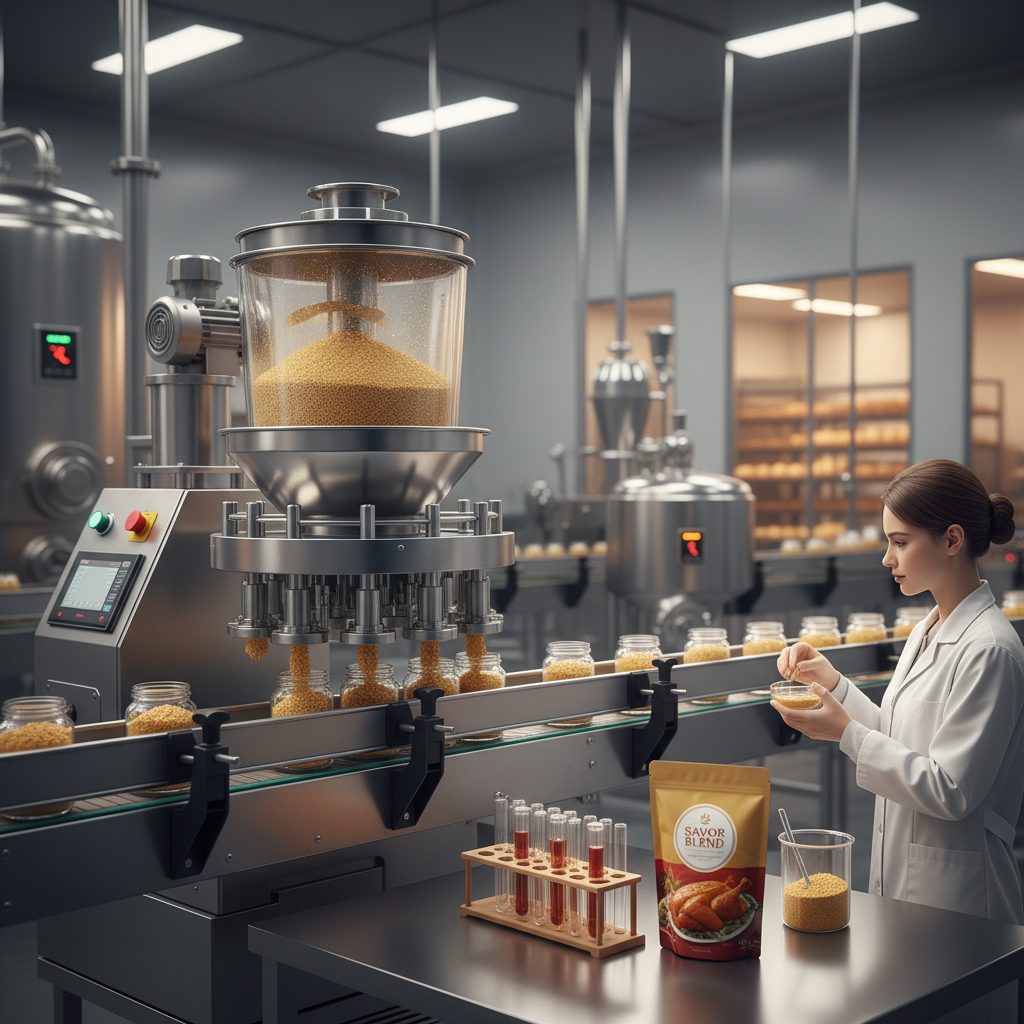
In commercial settings, the application of flavor enhancers is a precise science. Manufacturers utilize high-grade food additives to ensure that every batch of soup, sauce, or snack maintains the same taste profile. By understanding the msg meaning in cooking, technicians can calibrate the exact milligram of glutamate required to mask off-notes from plant-based proteins or to enhance the richness of lean meats.
Beyond simple seasoning, these additives are integrated into complex pharmaceutical intermediates and animal feed to improve palatability, ensuring that livestock or patients consume the necessary nutrients. The versatility of glutamate-based products makes them indispensable in modern food engineering, where sensory appeal is directly linked to market success.
Effectiveness of Various MSG Application Methods in Cooking
Economic Advantages of Using Flavor Enhancers
From a business perspective, the msg meaning in cooking translates to significant cost efficiency. Natural ingredients that provide high levels of umami, such as aged Parmesan or high-quality katsuobushi, are expensive and vary in quality. By using purified food additives, companies can achieve the same savory depth at a fraction of the cost, allowing for more competitive pricing in the retail market.
Furthermore, the use of MSG helps in reducing overall sodium levels. Because glutamate enhances the perception of saltiness, manufacturers can reduce the actual sodium chloride content in their products without sacrificing taste. This not only appeals to health-conscious consumers but also helps companies meet stricter government regulations regarding salt intake in processed foods.
Future Innovations in Taste Modification
The future of flavor enhancement is moving toward "biotech-driven umami." Instead of traditional chemical synthesis, the industry is embracing precision fermentation. This allows for the production of glutamates and other savory peptides using genetically optimized yeast or bacteria, providing a "natural" label while maintaining the efficacy of the msg meaning in cooking.
Digital transformation is also playing a role. AI-driven flavor mapping is now used to predict how different additive concentrations will interact with specific food matrices. This reduces the trial-and-error phase of product development and allows for the creation of hyper-personalized taste profiles tailored to specific regional preferences.
Additionally, there is a growing trend toward the integration of MSG into sustainable protein sources. As the world shifts toward plant-based and lab-grown meats, the challenge is recreating the "bloody," savory taste of animal protein. Glutamate-based additives are the key to making these sustainable alternatives palatable to the general public.
Overcoming Common Misconceptions and Challenges
One of the greatest hurdles in the widespread adoption of the msg meaning in cooking has been the "Chinese Restaurant Syndrome" myth. Decades of outdated information led many to believe that MSG caused headaches or nausea. However, double-blind, placebo-controlled studies have consistently shown that the vast majority of the population has no adverse reaction to MSG.
The solution to these misconceptions lies in education and transparency. Leading manufacturers are now providing more detailed information about the fermentation process—explaining that MSG is produced from sugar beets or corn—to demystify the product. By repositioning MSG as a tool for sodium reduction, the industry is changing the narrative from "artificial additive" to "health-conscious flavor tool."
Ultimately, the challenge is to find the "golden ratio" of application. Overusing any flavor enhancer can lead to a metallic aftertaste or an artificial sensation. The expert approach is to use MSG as a background enhancer that lifts the existing flavors of the food rather than dominating them, ensuring a natural and balanced culinary experience.
Comparative Analysis of Umami Source Efficiency in Food Production
| Umami Source |
Cost per Unit |
Taste Intensity |
Production Scalability |
| Pure MSG Powder |
Very Low |
High (10/10) |
Excellent |
| Hydrolyzed Vegetable Protein |
Low |
Medium (6/10) |
High |
| Yeast Extract |
Medium |
Medium (7/10) |
High |
| Aged Cheese Extract |
High |
High (9/10) |
Low |
| Mushroom Powder |
Medium |
Low (4/10) |
Medium |
| Fish Sauce Base |
Medium |
High (8/10) |
Medium |
FAQS
For a beginner, the msg meaning in cooking simply refers to using a flavor enhancer (Monosodium Glutamate) to make food taste more "savory" or "meaty." It acts like a volume knob for flavor, amplifying the natural tastes already present in your ingredients without adding a strong flavor of its own.
Yes, MSG is classified as "generally recognized as safe" (GRAS) by the FDA and other global health organizations. However, like salt or sugar, it should be used in moderation to maintain a balanced nutritional profile and to avoid overwhelming the natural taste of the food.
Absolutely. Because MSG enhances the perception of saltiness, you can often reduce the amount of sodium chloride (table salt) by 30-40% while maintaining the same perceived salt level. This makes it a valuable tool for developing healthier, low-sodium food options.
Chemically, there is no difference. The glutamates in a ripe tomato or a piece of parmesan cheese are identical to the glutamates in MSG powder. The only difference is that MSG is a concentrated form, making it easier to use as a standardized additive in cooking and manufacturing.
MSG works best when paired with nucleotides like IMP and GMP. This synergy creates a much stronger umami sensation than using MSG alone. In the industry, these are often blended to create "umami boosters" that are highly efficient in small doses.
Manufacturers should partner with certified suppliers who adhere to ISO and food safety standards. Ensuring the product is food-grade and comes with full COA (Certificate of Analysis) documentation is critical for customs clearance and quality assurance in pharmaceutical and food applications.
Conclusion
In summary, the msg meaning in cooking transcends simple seasoning; it is a sophisticated tool for flavor engineering that balances chemistry, economics, and sensory science. By leveraging the power of umami, food producers can create products that are not only more palatable but also potentially healthier through the reduction of overall sodium levels.
As the industry evolves toward sustainable proteins and clean-label additives, the strategic application of glutamates will remain central to the future of food. For businesses looking to enhance their product profiles, investing in high-purity additives and staying informed on taste trends is the key to long-term market success. Visit our website for professional solutions: www.chinaseasoning.com