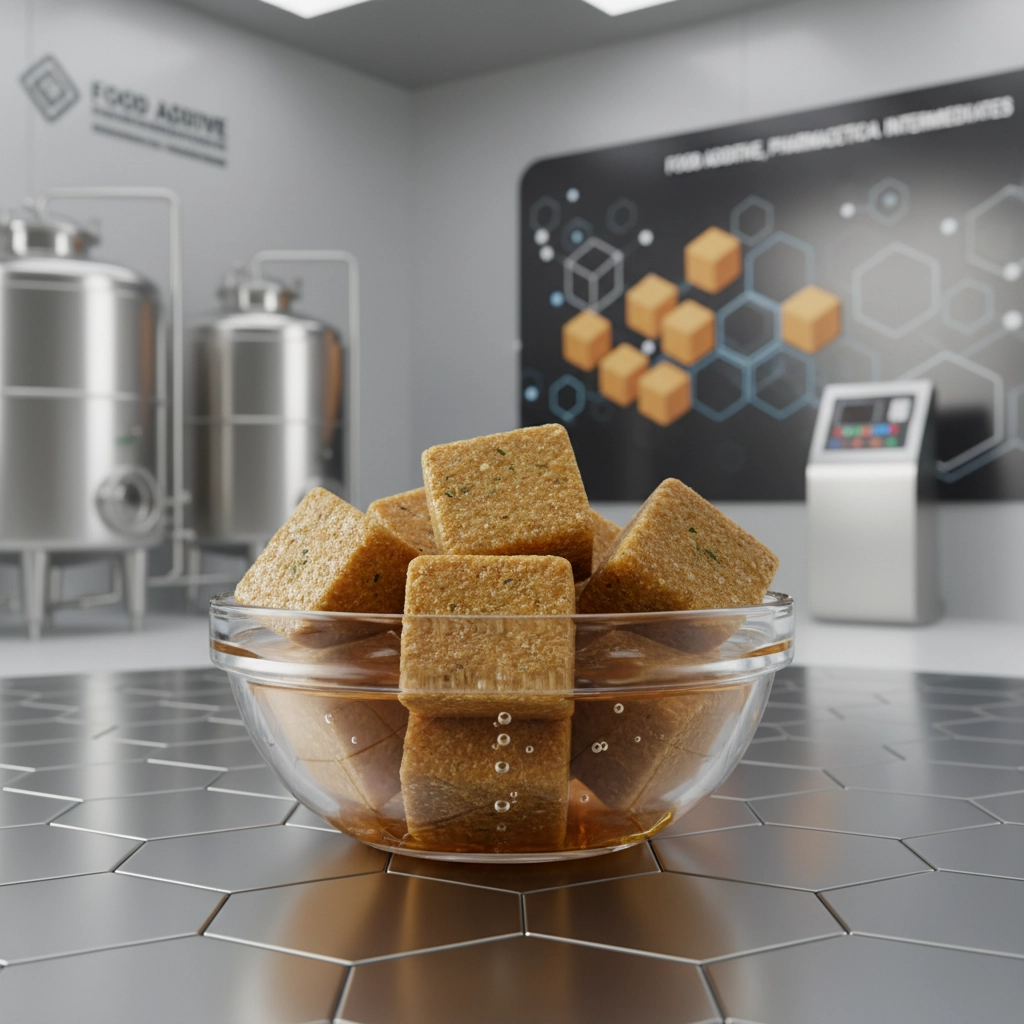
In the fast-paced world of modern culinary arts and industrial food production, the demand for efficiency without compromising on taste has led to the widespread adoption of concentrated seasoning solutions. Among these, chicken broth with cubes stands out as a pivotal innovation, bridging the gap between traditional slow-simmered stocks and the need for instantaneous flavor delivery in commercial kitchens and home households globally.
The global market for bouillon and concentrated stocks has seen a significant shift toward standardized, high-stability formats. The engineering behind chicken broth with cubes involves sophisticated dehydration and compression techniques that ensure a consistent flavor profile, extended shelf life, and precise dosing, making it an essential component in the food additive industry.
Understanding the technical composition and application of these cubes is not merely about convenience; it is about optimizing cost-efficiency and quality control in large-scale food manufacturing. By leveraging the science of flavor encapsulation, chicken broth with cubes provides a reliable baseline for thousands of recipes, ensuring that whether a dish is prepared in a remote industrial zone or a luxury hotel, the taste remains unwavering.
Global Market Context of Chicken Broth with Cubes
The global consumption of seasoned stocks has evolved into a multi-billion dollar industry, driven by the increasing urbanization of populations and the rise of the "ready-to-cook" segment. According to food industry analysis, the adoption of chicken broth with cubes has surged in developing economies where traditional stock preparation is time-consuming and energy-intensive.
From a logistical perspective, the transition from liquid broths to compressed cubes has reduced transportation costs by up to 80% due to the elimination of water weight. This efficiency makes chicken broth with cubes a critical asset for international food supply chains, particularly in regions facing logistics challenges or strict storage limitations.
Defining the Technical Composition of Bouillon Cubes
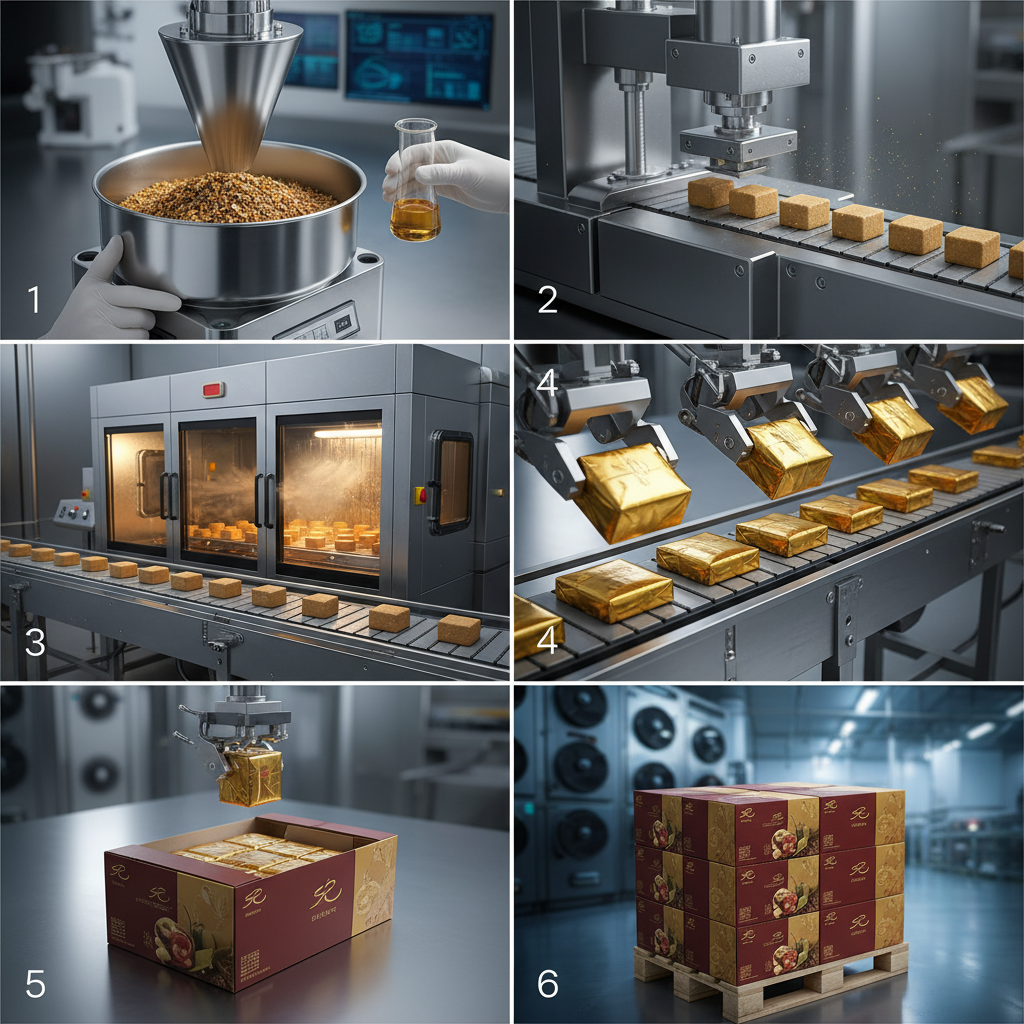
At its core, chicken broth with cubes is a dehydrated concentrate consisting of salt, flavor enhancers, chicken extract, and various stabilizers. The process begins with the extraction of proteins and lipids from chicken carcasses, which are then concentrated through evaporation and spray-drying to create a fine, potent powder.
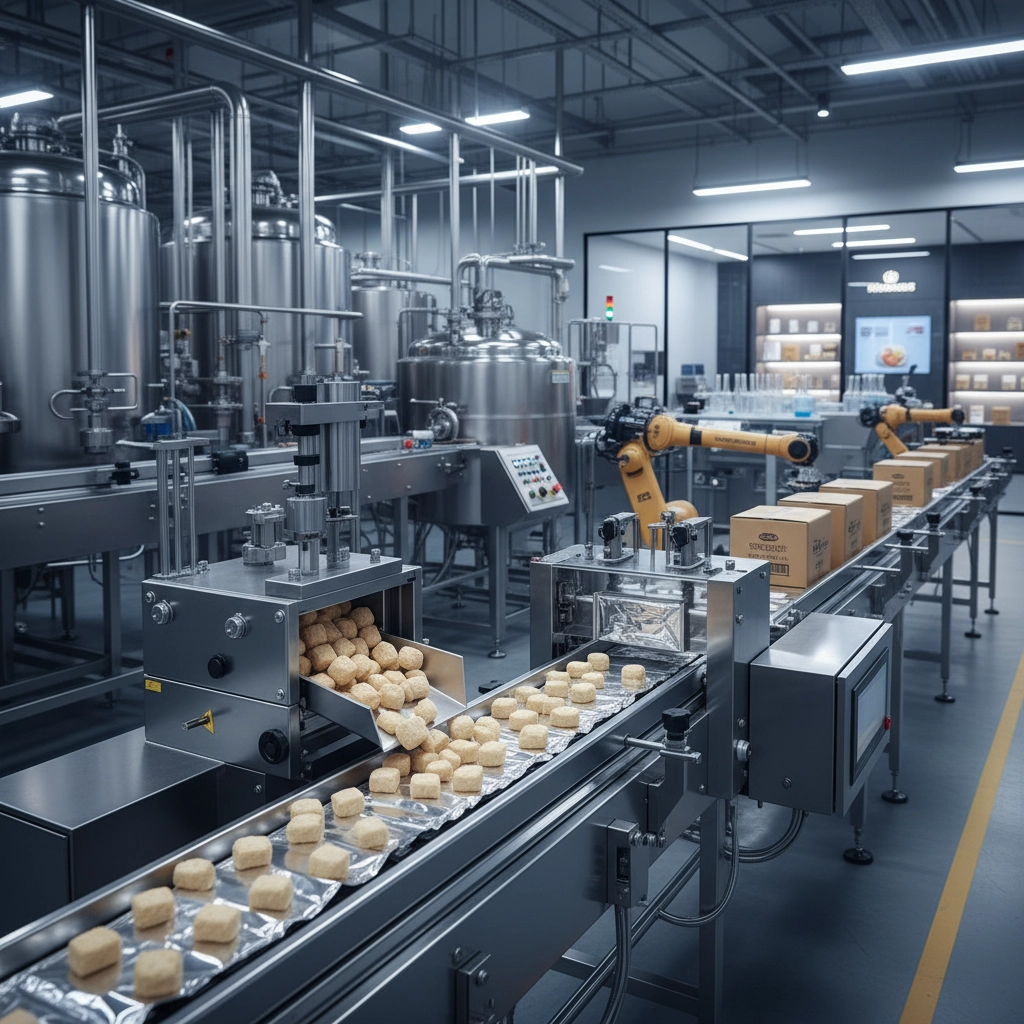
The transformation from powder to cube is a precise mechanical process. Using high-pressure compression, the powder is molded into uniform blocks. This structural integrity is vital not only for packaging but also for ensuring that each dose delivers an identical concentration of nutrients and flavor, a requirement that is strictly monitored under ISO food safety standards.
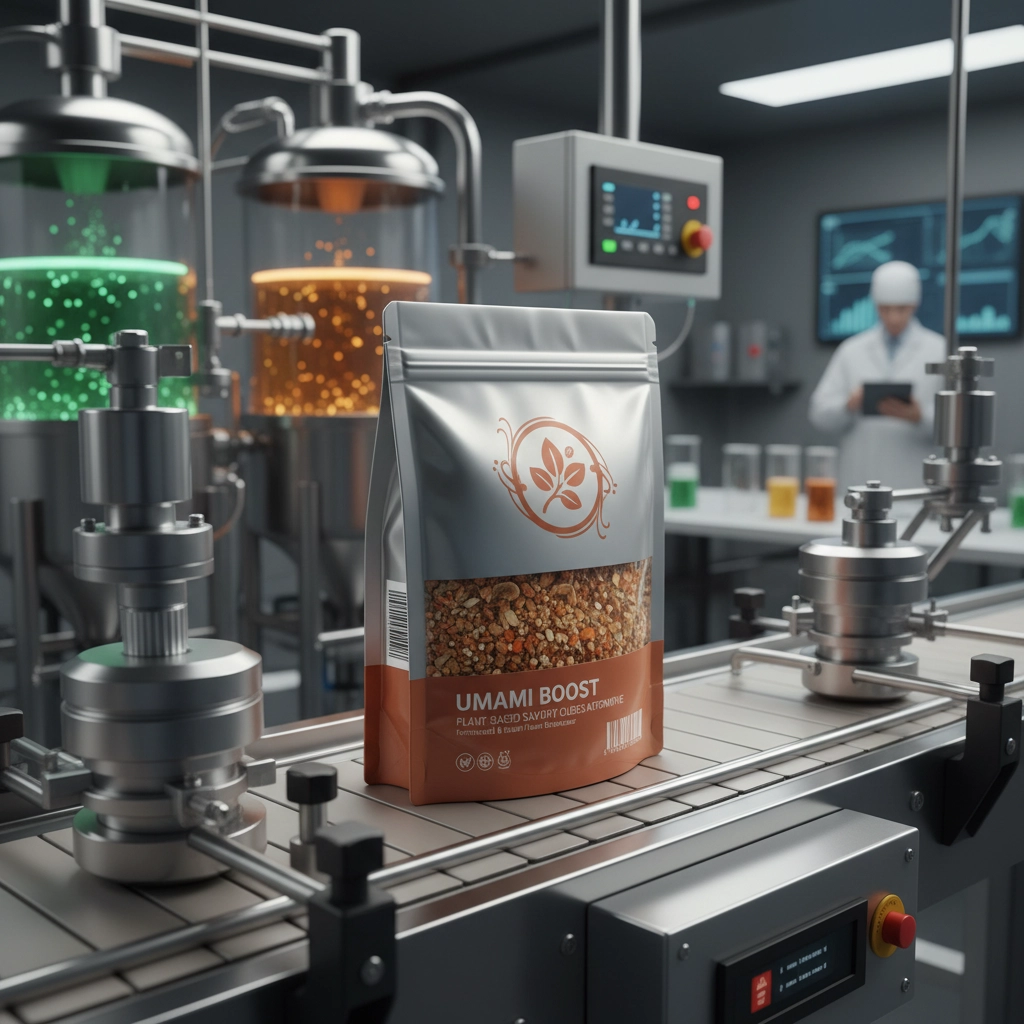
Modern formulations often incorporate a blend of yeast extracts and hydrolyzed vegetable proteins to mimic the complex "umami" profile of a slow-cooked bone broth. This scientific approach ensures that chicken broth with cubes can replace fresh stock in industrial food processing without sacrificing the sensory experience of the final product.
Key Factors Driving Quality and Stability
One of the primary factors in the success of chicken broth with cubes is moisture control. Water activity (aw) must be kept extremely low to prevent microbial growth and avoid the caking of the powder within the cube, ensuring a shelf life that can extend several years without refrigeration.
Solubility is another critical metric. High-quality chicken broth with cubes are engineered to dissolve rapidly in hot water without leaving gritty residues. This is achieved by optimizing the particle size of the ingredients and using food-grade emulsifiers that facilitate a smooth integration of fats and water.
Furthermore, flavor stability is maintained through the use of antioxidants and protective packaging. Because fats in chicken broth with cubes can oxidize over time, the use of foil-lined wrapping prevents oxygen and light penetration, preserving the "fresh chicken" aroma until the moment of use.
Industrial Applications and Scalability
In the realm of industrial food manufacturing, chicken broth with cubes is utilized as a standardized base for soups, sauces, and frozen meals. For companies producing thousands of units per hour, the ability to use a pre-measured cube eliminates the variance associated with fresh ingredients and reduces the risk of batch contamination.
Beyond commercial kitchens, these concentrates are invaluable in humanitarian aid. In post-disaster relief operations, providing nutrient-dense chicken broth with cubes allows NGOs to distribute essential sodium and protein enhancers that are easy to transport and require minimal preparation, providing dignity and comfort to affected populations.
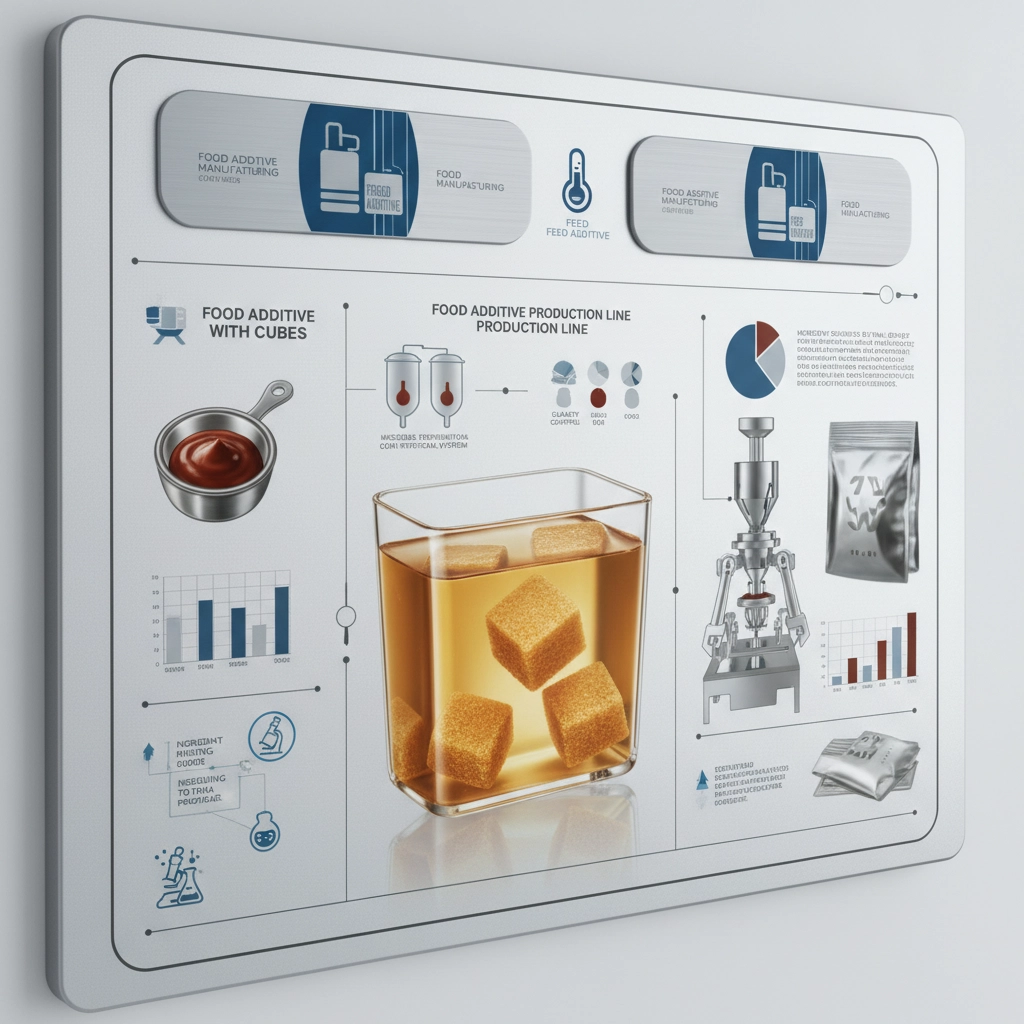
Efficiency Ratings of Chicken Broth with Cubes Production Methods
Advantages of Concentrated Broth Formats
The shift toward chicken broth with cubes offers profound economic advantages. By reducing the reliance on fresh chicken carcasses for every batch of soup, manufacturers can significantly lower their raw material waste and energy consumption associated with long boiling times, contributing to a more sustainable food production cycle.
From a consumer psychology perspective, the convenience of these cubes fosters a sense of reliability and trust. The consistency of the flavor profile means that a brand's signature taste is maintained across different geographic regions, which is essential for the growth of global food franchises and pharmaceutical-grade nutritional supplements.
Future Trends in Flavor Technology
The next generation of chicken broth with cubes is moving toward "clean label" initiatives. There is a growing demand for the removal of MSG and artificial preservatives, replacing them with natural fermentation products and organic extracts. This evolution reflects a global shift toward health-conscious eating without sacrificing the savory depth that consumers expect.
Digital transformation is also entering the factory floor. Automation and AI-driven quality control now allow manufacturers to monitor the compression density of each cube in real-time, ensuring that every chicken broth with cubes unit meets exact specifications. This reduces waste and optimizes the blending process of the additive ingredients.
Sustainability is the final frontier, with companies exploring biodegradable packaging to replace the traditional plastic and foil wraps. By integrating green chemistry into the production of chicken broth with cubes, the industry is aligning itself with the UN's Sustainable Development Goals, reducing the environmental footprint of processed foods.
Overcoming Manufacturing Challenges
Despite their popularity, producing chicken broth with cubes is not without challenges. One common issue is "oil bleed," where the lipids in the chicken extract migrate to the surface of the cube, causing discoloration. To solve this, engineers use advanced encapsulation techniques to lock the fats within a carbohydrate matrix.
Another hurdle is the balance between salt content and flavor intensity. Since salt acts as both a preservative and a flavor carrier, reducing it without compromising the stability of the chicken broth with cubes requires the use of potassium salts or yeast-based flavor enhancers that provide a similar savory impact.
Finally, ensuring a consistent dissolution rate across different water temperatures is a constant area of research. By utilizing a graded particle distribution, manufacturers can ensure that the chicken broth with cubes dissolve efficiently whether they are dropped into a simmering pot or a quick-boil kettle.
Comparative Analysis of Chicken Broth with Cubes Formulation Standards
|
Formulation Grade
|
Primary Stabilizer
|
Dissolution Rate (Sec)
|
Flavor Intensity (1-10)
|
| Standard Commercial |
Sodium Caseinate |
45-60 |
7 |
| Premium Gourmet |
Maltodextrin |
30-40 |
9 |
| Low-Sodium Health |
Potassium Chloride |
50-70 |
6 |
| Industrial Bulk |
Hydrogenated Oil |
60-90 |
8 |
| Organic Certified |
Rice Starch |
40-55 |
8 |
| Quick-Dissolve Pro |
Lecithin |
15-25 |
9 |
FAQS
The primary advantage is the extreme concentration of flavor combined with a significantly extended shelf life. Because water is removed, the risk of spoilage is minimized, and transportation costs are drastically reduced. This allows for precise dosing in recipes, ensuring consistency across large-scale food production batches.
Rapid dissolution is achieved through a combination of particle size optimization and the use of food-grade emulsifiers like lecithin. These ingredients reduce the surface tension between the dehydrated solids and the hot water, allowing the cube to break down and integrate into the liquid without clumping.
Yes, the industry has developed low-sodium formulations by replacing a portion of sodium chloride with potassium chloride and augmenting the flavor profile with yeast extracts and natural umami-rich ingredients. This maintains the savory taste while meeting dietary regulations and health requirements.
To maintain maximum potency, chicken broth with cubes should be stored in a cool, dry environment away from direct sunlight. The individual foil wrapping is critical as it prevents moisture absorption and oxidation of the chicken fats, which could otherwise lead to off-flavors or a loss of aroma.
Absolutely. Due to their standardized composition, they are often used in medical-grade nutritional broths to provide essential sodium and flavor to patients with appetite loss. Their stability makes them ideal for integration into fortified food products distributed in pharmaceutical contexts.
Premium versions typically feature a higher percentage of real chicken extract rather than hydrolyzed proteins, a lower salt-to-flavor ratio, and the absence of artificial colors. They also utilize superior dehydration technologies, such as freeze-drying, to preserve the volatile aromatic compounds of fresh chicken.
Conclusion
In summary, chicken broth with cubes represents a sophisticated intersection of food science and commercial utility. By transforming a labor-intensive traditional process into a stable, scalable, and efficient product, the food additive industry has provided an essential tool for both professional chefs and global aid organizations. From moisture control and solubility engineering to the pursuit of clean-label ingredients, the evolution of these concentrates continues to drive efficiency in the global food supply chain.
Looking forward, the integration of sustainable packaging and AI-driven manufacturing will further refine the production of chicken broth with cubes, making them not only a convenience but a benchmark for eco-friendly food processing. For businesses seeking to optimize their flavor profiles and operational costs, investing in high-quality, standardized broth concentrates is a strategic necessity. Visit our website for more professional solutions: www.chinaseasoning.com