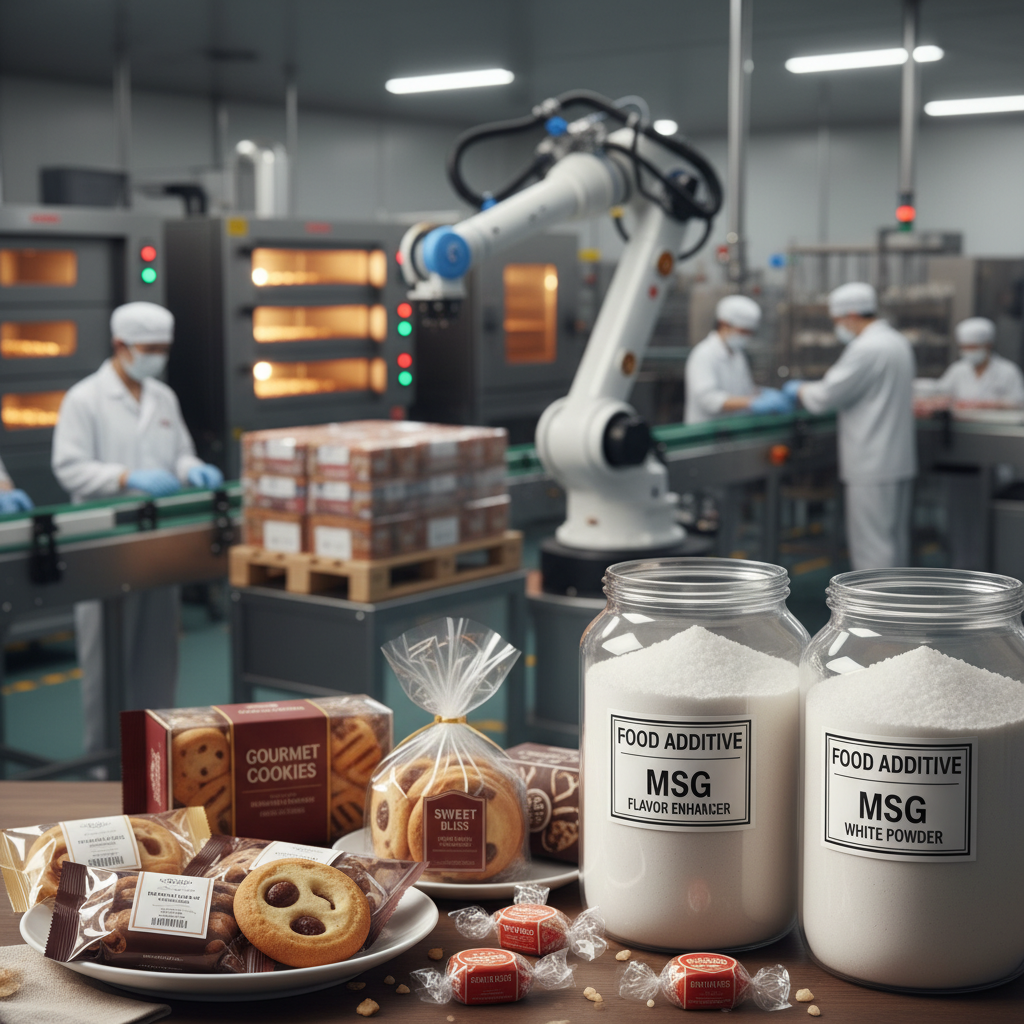
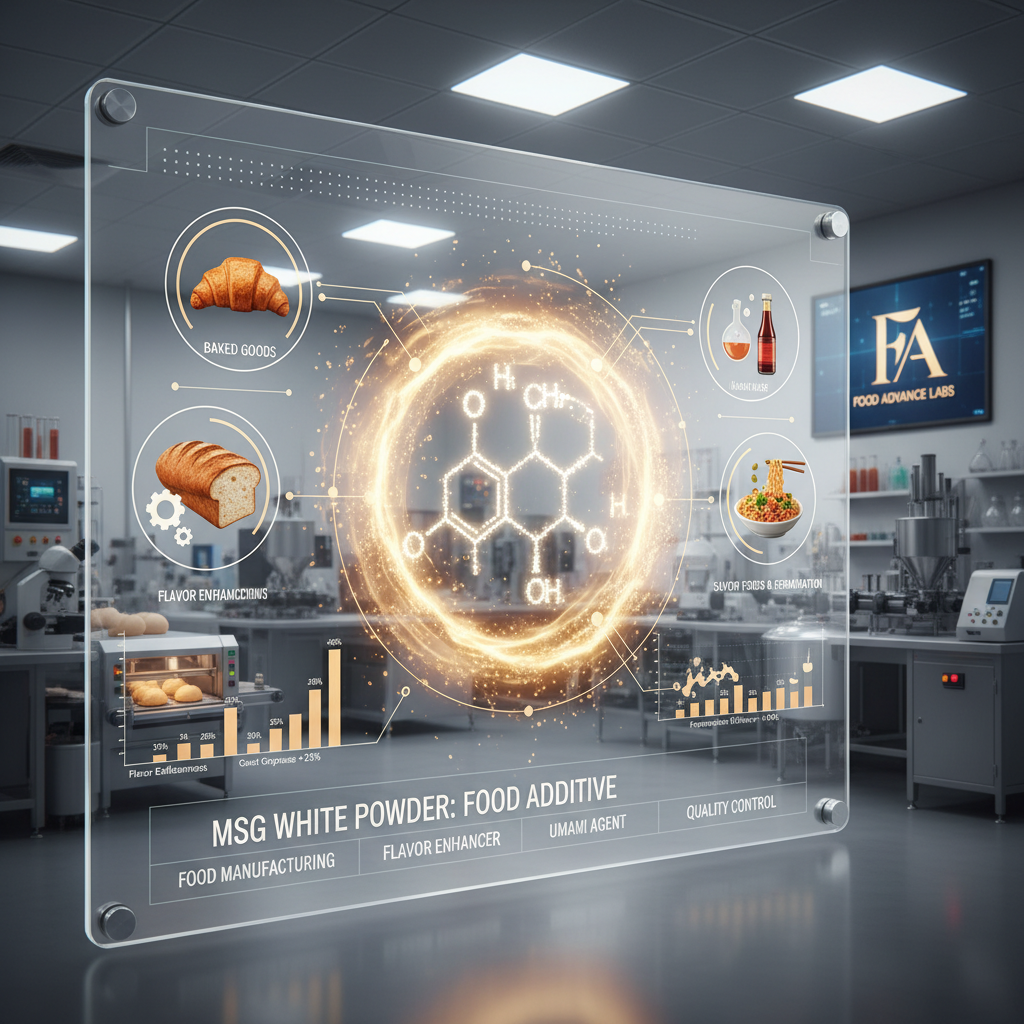
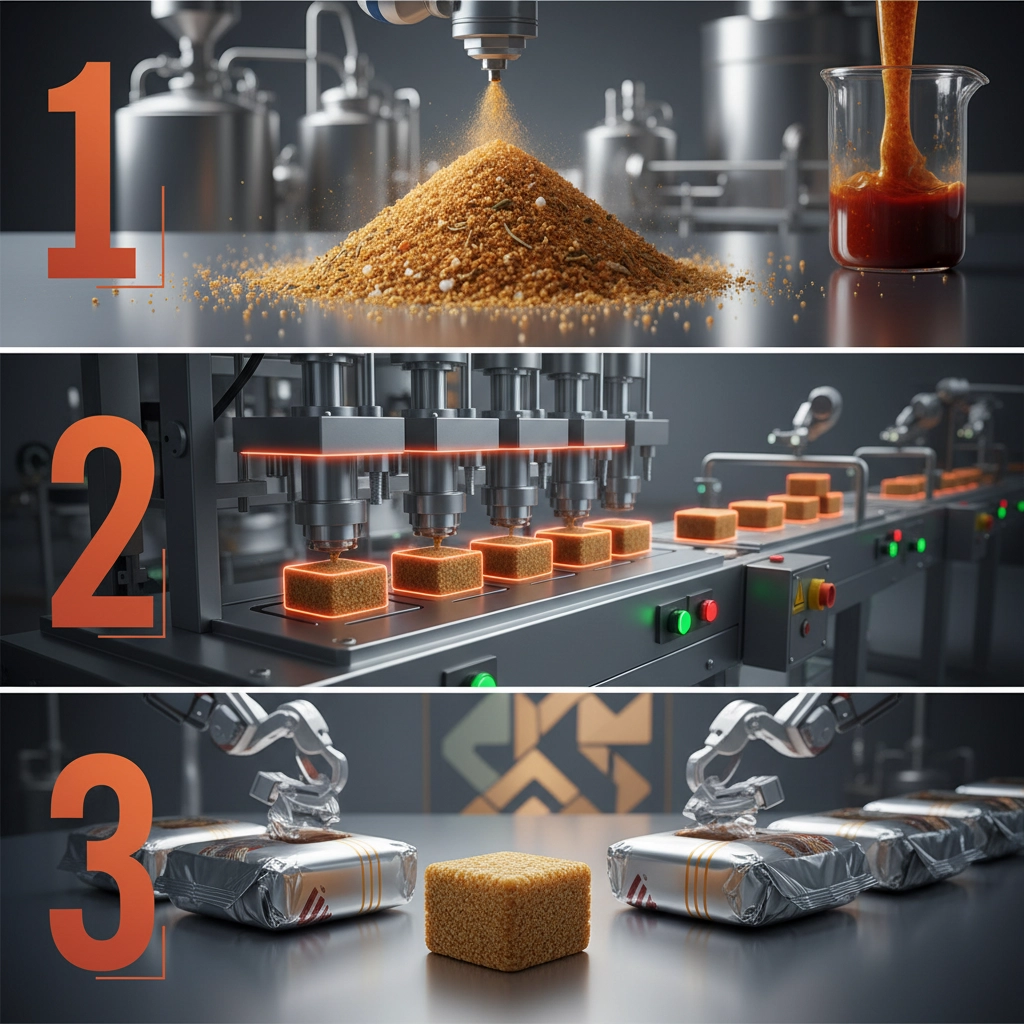
In the global landscape of food science and industrial seasoning, msg white powder stands as one of the most influential and widely utilized flavor enhancers. By isolating the savory "umami" profile, this additive allows manufacturers to achieve a consistent, deep taste across various product lines, from instant noodles to processed meats, making it a cornerstone of the modern food additive industry.
The versatility of msg white powder extends beyond simple taste enhancement; it plays a critical role in cost-reduction strategies for large-scale food production by amplifying the perception of salt and other expensive ingredients. As global food demands shift toward convenience and processed alternatives, understanding the technical specifications and purity of this crystalline powder is essential for ensuring food safety and quality compliance.
Whether used in feed additives to improve palatability for livestock or as a pharmaceutical intermediate in specific chemical syntheses, the precision of the manufacturing process determines the efficacy of the end product. This guide explores the multifaceted nature of msg white powder, examining its industrial applications, quality benchmarks, and the future of savory flavor technology.
Global Industrial Significance of msg white powder
The global demand for msg white powder is driven by the rapid urbanization of Asia and Africa, where processed food consumption is skyrocketing. According to industry data, the umami seasoning market maintains a steady compound annual growth rate (CAGR), reflecting the necessity of standardized flavor profiles in the global supply chain. The powder serves as a vital tool for food engineers to stabilize taste across different batches of raw ingredients, which often vary in quality.
However, the industry faces the challenge of balancing high-volume production with the stringent purity standards set by organizations like the ISO and FAO. Ensuring that msg white powder remains free from contaminants while maintaining its high solubility is paramount for its adoption in pharmaceutical intermediates and high-end food additives.
Technical Definition and Chemical Composition
In its simplest terms, msg white powder is the sodium salt of glutamic acid, a non-essential amino acid. It is characterized by its white, crystalline appearance and a distinct salty, savory taste. From a chemical perspective, its ability to activate specific T1R1 and T1R3 taste receptors on the human tongue is what creates the "umami" sensation, which is often described as a "meaty" or "brothy" flavor.
Modern industrial production typically utilizes the fermentation of starches or sugars (such as molasses) using specialized bacteria like Corynebacterium glutamicum. This biological process ensures that the resulting msg white powder is a bio-available form of glutamate, mirroring the compounds found naturally in tomatoes, aged cheeses, and mushrooms.
Beyond the kitchen, the composition of this powder makes it an excellent precursor in the manufacturing of pharmaceutical intermediates. The high purity of the sodium glutamate molecule allows it to be used as a buffering agent or a stabilizer in various medical-grade chemical reactions, bridging the gap between food science and biochemistry.
Core Quality Factors for Industrial Grade msg white powder
When sourcing msg white powder for large-scale manufacturing, solubility is the primary technical metric. A high-quality powder must dissolve rapidly in aqueous solutions without leaving residues or clumps, ensuring an even distribution of flavor throughout the food matrix.
Purity and Assay Levels are equally critical. Industrial-grade msg white powder typically requires a purity level of 99% or higher to avoid off-flavors or unwanted chemical interactions. This is especially vital for pharmaceutical intermediates where impurity profiles are strictly regulated by pharmacopeia standards.
Finally, hygroscopicity—the tendency of the powder to absorb moisture from the air—determines the shelf-life and storage requirements. Advanced msg white powder products are treated to resist caking, ensuring that the material remains free-flowing during automated dosing in high-speed production lines.
Comparative Performance of Production Methods
The efficiency of producing msg white powder has evolved from early chemical synthesis to sophisticated bioreactor fermentation. Today, the choice of production method impacts not only the cost but also the environmental footprint and the final purity of the crystalline structure.
Modern facilities utilize automated crystallization and centrifugal separation to refine the powder, resulting in different grades of msg white powder tailored for either the food, feed, or pharmaceutical sectors.
Efficiency Analysis of msg white powder Production Methods
Global Applications and Sector Integration
The application of msg white powder spans several critical industries. In the food sector, it is an indispensable ingredient for bouillon cubes, snack seasonings, and frozen ready-meals, providing the savory depth required to satisfy consumer palettes globally. In Southeast Asian and East Asian markets, it is used both industrially and as a household staple.
Beyond human consumption, msg white powder is increasingly integrated into high-performance feed additives. By enhancing the taste of animal feed, producers can increase the feed intake of livestock, thereby improving growth rates and overall yield in aquaculture and poultry farming, which is critical for global food security.
Long-Term Value and Economic Advantages
From an economic standpoint, the integration of msg white powder offers significant cost-efficiency. By amplifying the perceived saltiness of a product, manufacturers can reduce sodium chloride content without compromising taste, which aligns with global health initiatives to lower sodium intake while maintaining palatability.
Moreover, the stability of msg white powder ensures a longer shelf-life for processed foods. Its resistance to oxidation compared to natural savory extracts makes it a more reliable choice for products destined for long-distance export in the global trade network.
The reliability and consistency of the powder build trust between B2B suppliers and food manufacturers. When a company can guarantee the exact particle size and purity of their msg white powder, it reduces the risk of production errors and ensures that the end consumer receives a consistent taste experience every time.
Future Trends in Savory Powder Innovation
The future of msg white powder is leaning toward "green chemistry" and sustainable fermentation. Researchers are exploring the use of agricultural waste, such as corn stover or sugarcane bagasse, as feedstocks for the bacteria that produce glutamate, reducing the reliance on primary food crops.
Digital transformation is also hitting the manufacturing floor. AI-driven fermentation control allows for real-time adjustments of temperature and pH, maximizing the yield of msg white powder while minimizing energy consumption and wastewater output.
Additionally, we are seeing a trend toward "hybrid seasonings," where msg white powder is blended with yeast extracts or mushroom powders to create "clean label" alternatives that retain the high efficiency of MSG while appealing to health-conscious consumers.
Technical Analysis of msg white powder Industrial Standards
| Application Grade |
Purity Level |
Solubility Rate |
Key Requirement |
| Food Grade |
>99.0% |
Excellent |
Taste Consistency |
| Feed Grade |
98.0% - 99.0% |
Good |
Palatability |
| Pharma Grade |
>99.5% |
Ultra-High |
Impurity Control |
| Industrial Grade |
97.0% - 98.5% |
Moderate |
Cost Efficiency |
| Premium Crystalline |
>99.8% |
Instant |
High Clarity |
| Technical Grade |
95.0% - 97.0% |
Slow |
Chemical Reactivity |
FAQS
The primary difference lies in the purity levels and the strictness of the impurity profile. Pharma-grade msg white powder undergoes additional filtration and purification steps to remove trace minerals and organic by-products, ensuring it meets the safety standards for use as a pharmaceutical intermediate, whereas food-grade focuses on taste and general food safety regulations.
Due to its hygroscopic nature, msg white powder should be stored in a cool, dry environment in airtight containers. Using moisture-proof lining (such as PE bags) and maintaining a humidity level below 60% prevents the crystals from absorbing water and clumping together, preserving the flowability needed for industrial dosing.
Yes, since most industrial msg white powder is produced via the fermentation of plant-based starches (like corn or cassava), it is naturally vegan. To ensure Halal or Kosher certification, manufacturers must verify that no prohibited additives were used during the fermentation or purification stages.
Interestingly, msg white powder contains significantly less sodium than table salt (NaCl). By using it as a flavor enhancer, manufacturers can often reduce the overall amount of salt needed to achieve a savory taste, potentially lowering the total sodium content of the final product while maintaining the same perceived saltiness.
Yes, msg white powder is highly stable under standard cooking temperatures, including boiling and frying. It does not decompose or lose its umami-enhancing properties unless subjected to extreme heat (well above the boiling point of water) for prolonged periods, making it ideal for canned and retorted foods.
Purity can be verified through a Certificate of Analysis (CoA) provided by the supplier. Common laboratory tests include titration for assay percentage, moisture analysis via the oven-drying method, and heavy metal testing using ICP-MS. For B2B procurement, third-party audits from SGS or Intertek are recommended to confirm the specifications of the msg white powder.
Conclusion
In summary, msg white powder is far more than a simple seasoning; it is a sophisticated industrial tool that drives efficiency, taste consistency, and cost-effectiveness across the food, feed, and pharmaceutical sectors. By understanding the critical balance between purity, solubility, and production methods, manufacturers can optimize their formulations to meet both consumer expectations and global safety standards.
Looking forward, the shift toward sustainable fermentation and AI-driven production will only enhance the value proposition of msg white powder. We encourage industry professionals to prioritize high-purity sources and eco-friendly suppliers to ensure long-term viability in a health-conscious market. For premium industrial solutions, visit our website: www.chinaseasoning.com.