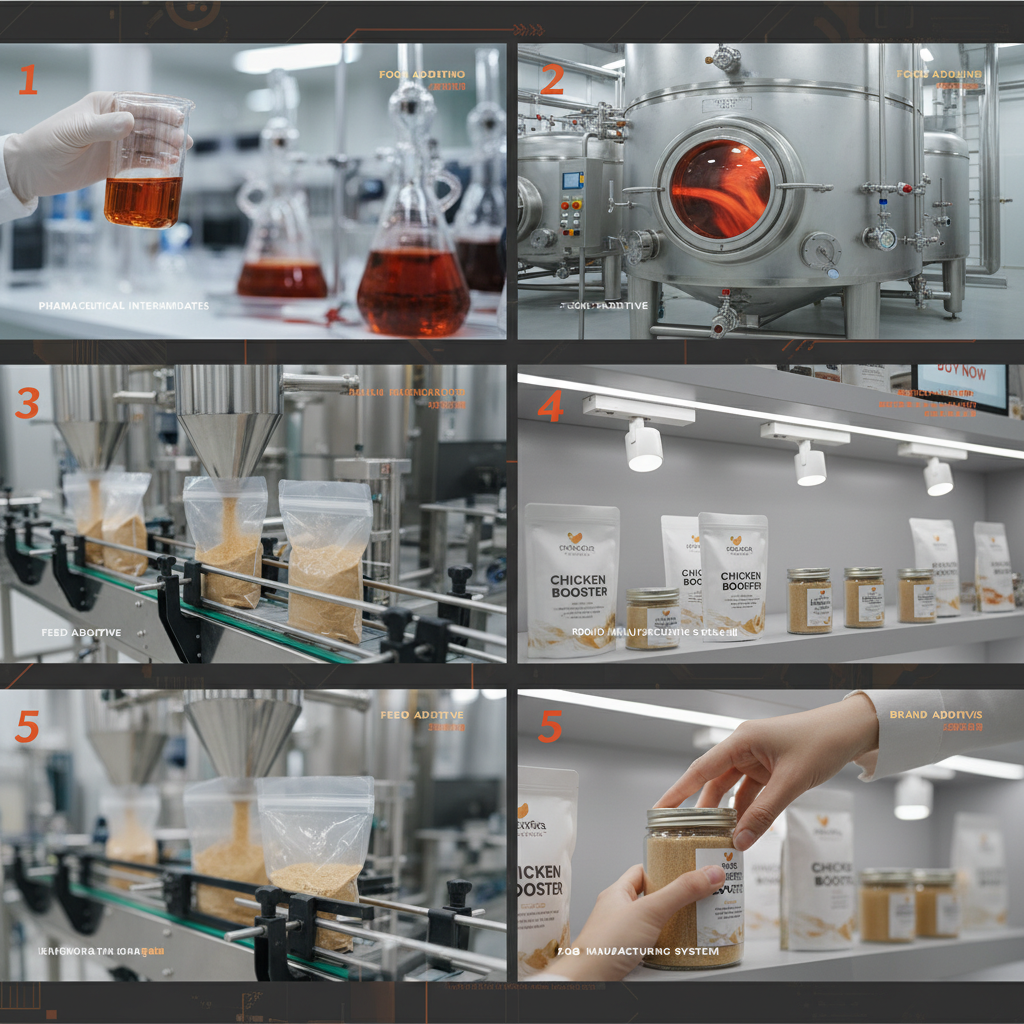
When exploring the culinary world and the science of flavor, one of the most frequent questions arises: msg where does it come from? Monosodium Glutamate (MSG) is often shrouded in myth, yet it is fundamentally a salt derived from glutamic acid, an amino acid found naturally in many of the foods we love, such as ripened tomatoes, parmesan cheese, and mushrooms. Understanding the origin of this flavor enhancer is key to appreciating how the "umami" or savory taste profile is engineered in modern food manufacturing.
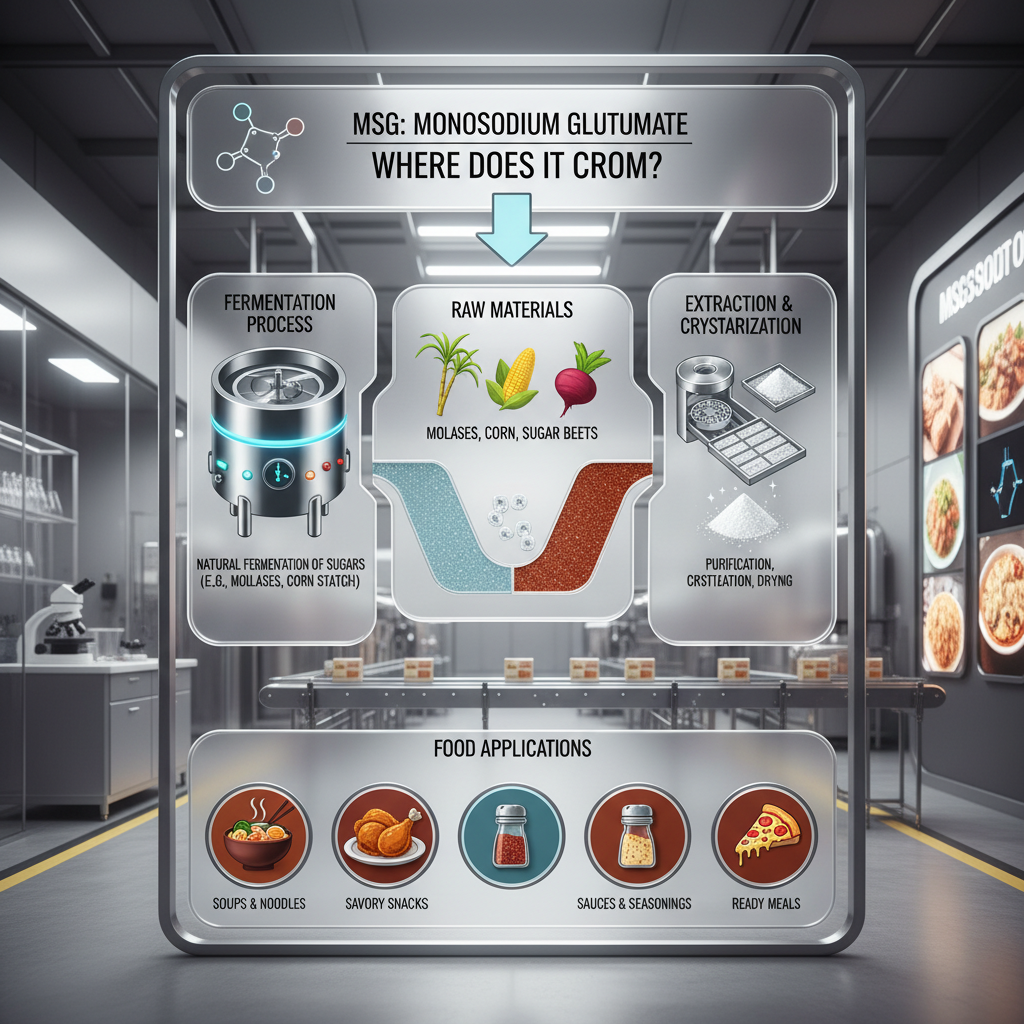
On a global scale, the production of MSG has evolved from early chemical extractions to sophisticated biotechnological processes. By analyzing msg where does it come from, we can see a transition toward sustainable fermentation, utilizing renewable resources like sugarcane or corn starch. This shift not only ensures a high-purity product for the food and pharmaceutical industries but also aligns with global sustainability goals by reducing the reliance on synthetic precursors.
For manufacturers in the food additive and pharmaceutical intermediate sectors, the purity and source of MSG are paramount. Knowing exactly msg where does it come from allows for better quality control and transparency in labeling, meeting the rigorous standards of international food safety organizations. This guide will delve deep into the production journey, from raw organic materials to the crystalline powder found in kitchens worldwide.
The Biological Origin of MSG
To understand msg where does it come from, we must first look at glutamic acid. Glutamate is the most abundant amino acid in nature and is a primary building block of proteins. In the natural world, it is found in high concentrations in seaweed (kombu), aged cheeses, and fermented soy products. When these proteins are broken down through hydrolysis or fermentation, free glutamate is released, creating the savory "umami" taste.
In a commercial context, the biological origin is shifted toward high-yield substrates. Rather than extracting from rare seaweeds, manufacturers use carbohydrate-rich sources. This ensures that the resulting monosodium glutamate is consistent in potency and free from the impurities found in raw organic extracts, making it a reliable ingredient for the food additive industry.
Industrial Fermentation Processes
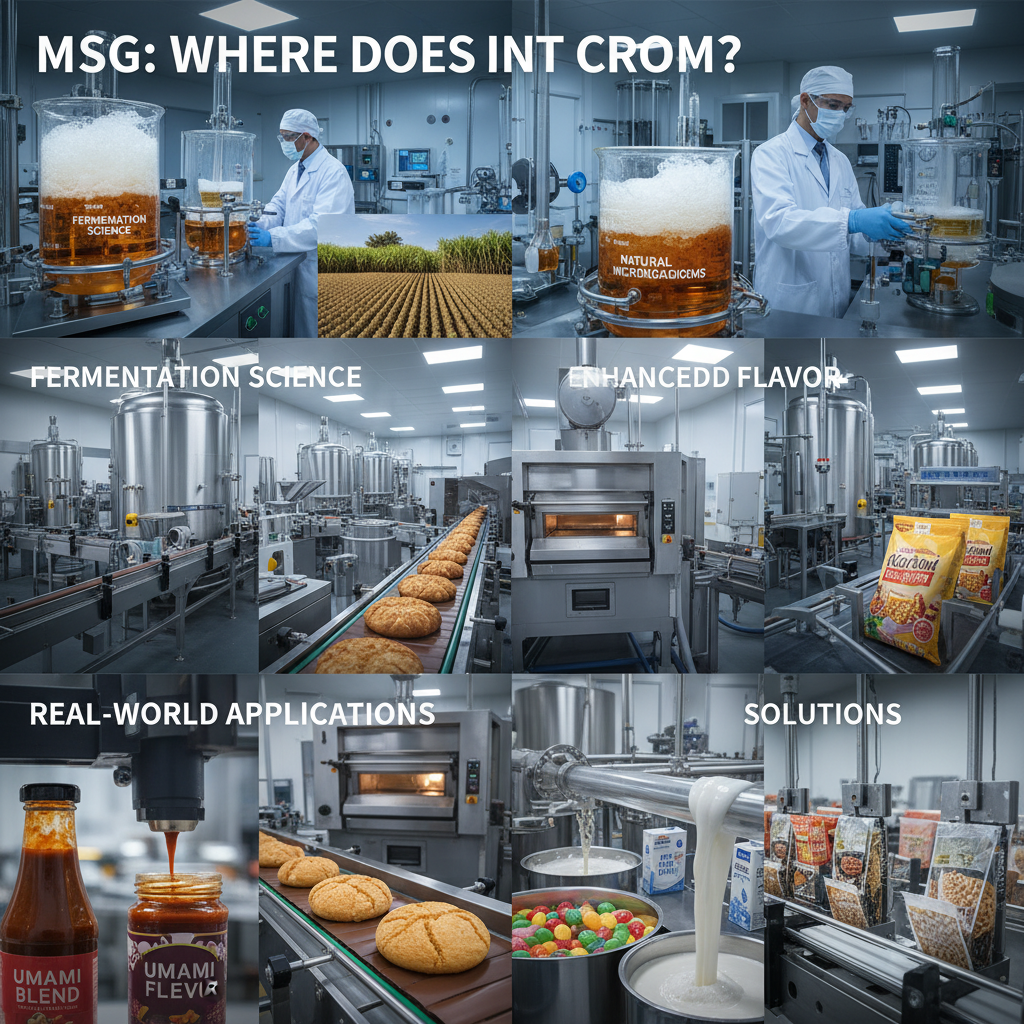
The modern answer to msg where does it come from lies in large-scale microbial fermentation. This process typically utilizes bacteria such as Corynebacterium glutamicum. These microorganisms are fed a nutrient-rich broth consisting of molasses or corn syrup, which they convert into glutamic acid through a metabolic pathway known as fermentation.
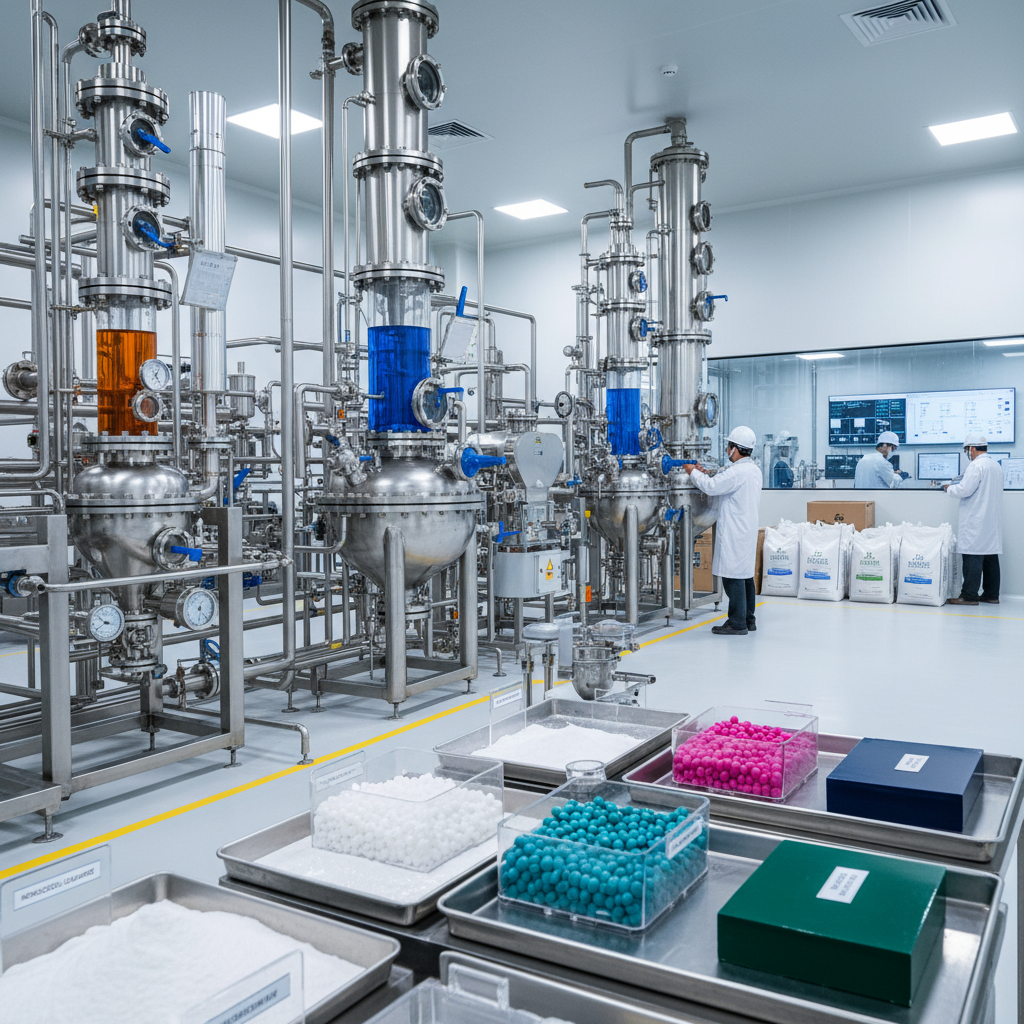
Once the fermentation reaches its peak, the broth is filtered to remove the bacterial biomass. The remaining liquid, rich in glutamic acid, is then neutralized with sodium hydroxide. This chemical reaction converts the acid into a sodium salt—specifically, monosodium glutamate. This step is critical as it transforms the substance into a stable, water-soluble crystalline form.
Finally, the solution undergoes a rigorous crystallization process. Through cooling and centrifugal separation, the pure MSG crystals are formed, dried, and screened for size. This industrial journey ensures that the final product is 99% pure, meeting the strict requirements for both food-grade and pharmaceutical-grade applications.
Purity and Quality Standards in Production
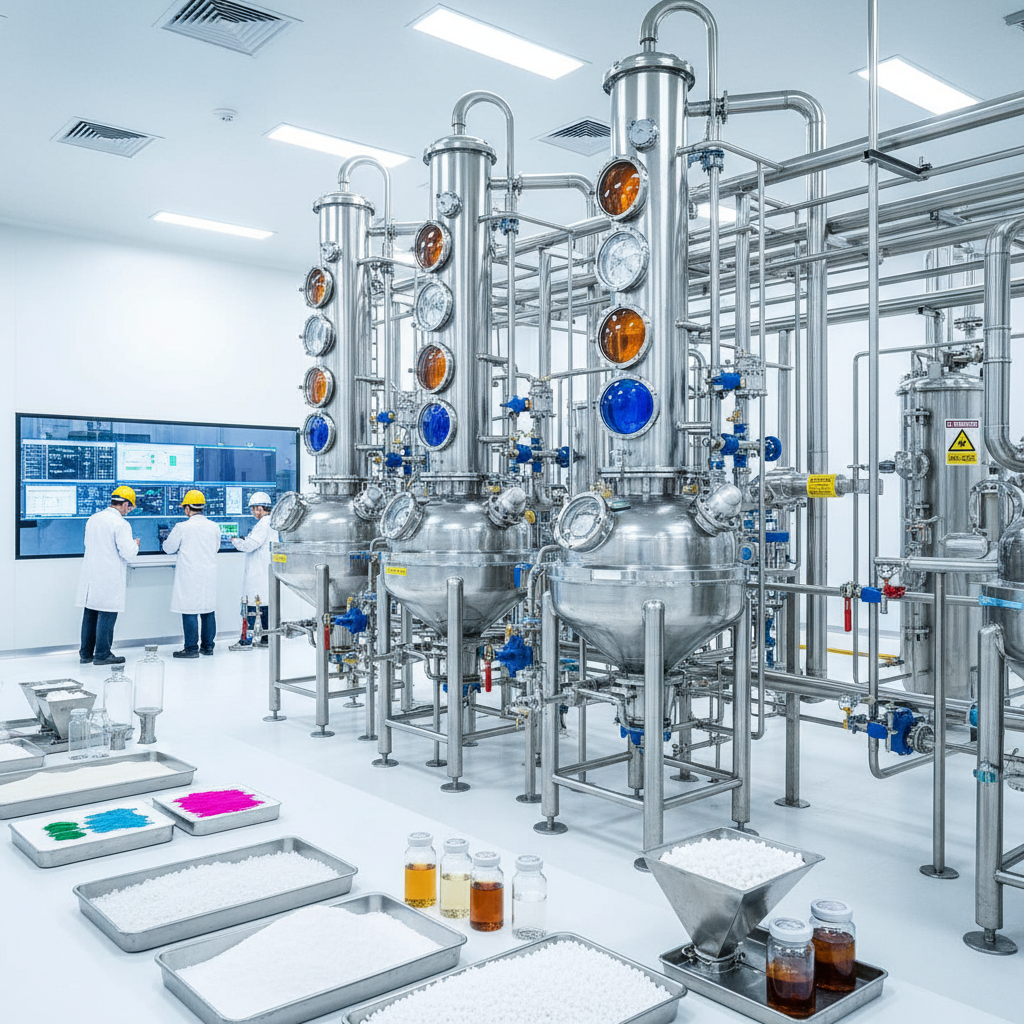
When analyzing msg where does it come from, one must consider the stringent purification steps. The transition from a raw fermentation broth to a refined white powder requires multiple stages of decolorization using activated carbon and ion-exchange resins to ensure no off-flavors or colors remain.
The quality of msg where does it come from is governed by international standards such as the Food Chemicals Codex (FCC) and ISO certifications. These standards mandate limits on heavy metals and ensure the absence of microbial contaminants, which is vital for pharmaceutical intermediates.
Furthermore, the traceability of the raw materials—whether they are derived from non-GMO corn or sustainable beet sugar—adds a layer of value for health-conscious consumers. This commitment to quality ensures that the final additive is safe, stable, and highly effective in flavor enhancement.
Comparative Efficiency of Sourcing Methods
Different manufacturers take different paths when answering msg where does it come from. Traditional chemical synthesis was once common but has been largely replaced by biological fermentation due to cost and environmental factors. Fermentation offers a higher yield and utilizes renewable agricultural by-products, making it the gold standard for modern production.
Comparing these methods reveals that bio-based sourcing not only reduces the carbon footprint but also produces a product that is more readily accepted by the global market. The efficiency of microbial strains has improved through genetic optimization, allowing for faster turnover and lower waste in the production cycle.
Comparative Efficiency of MSG Sourcing Methods
Global Applications in Food and Pharma
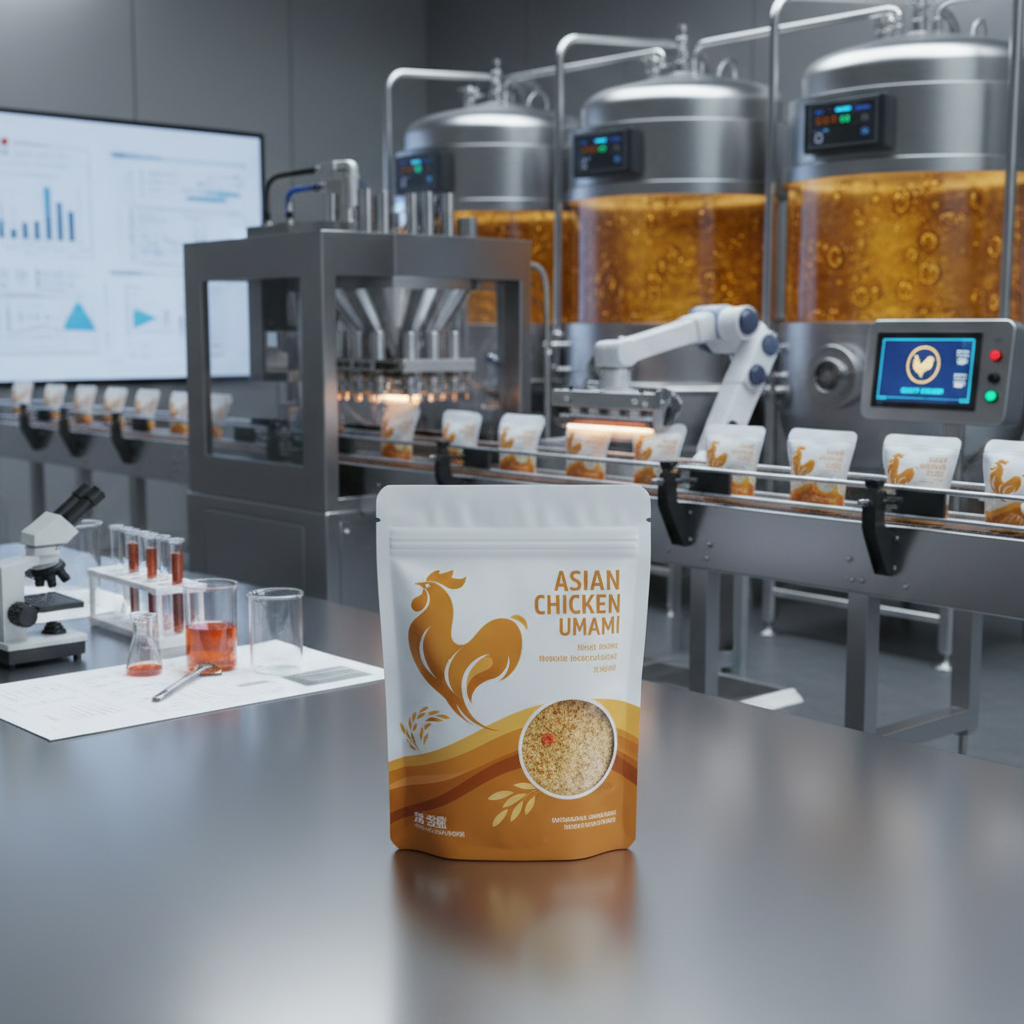
Understanding msg where does it come from is essential for its diverse applications. In the food industry, it is the cornerstone of savory seasonings, used in everything from instant noodles to gourmet sauces. Its ability to enhance the perception of other flavors makes it indispensable for creating consistent taste profiles in large-scale food production.
Beyond the kitchen, MSG serves as a vital pharmaceutical intermediate. High-purity glutamates are used in the synthesis of various medications and as nutritional supplements in medical grade feeds. By controlling the source and purity of the material, manufacturers can ensure that the resulting pharmaceutical products are biologically active and safe for human consumption.
Economic Impact of MSG Supply Chains
The economic scale of msg where does it come from is massive, particularly in Asia and Latin America. Because the primary raw materials are agricultural commodities like corn and sugarcane, the MSG market is closely tied to global crop yields. This creates a symbiotic relationship between the agricultural sector and the chemical manufacturing industry.
For developing economies, the production of MSG represents a high-value addition to raw farming outputs. Instead of exporting raw corn, nations can process it into high-demand food additives, increasing domestic revenue and creating skilled industrial jobs in biotechnology and chemical engineering.
Moreover, the global supply chain for MSG is a testament to industrial logistics. From the fermentation vats in China and Japan to the processing plants in the US, the flow of these crystals supports a multi-billion dollar global seasoning market, ensuring that savory flavors are accessible regardless of local ingredient availability.
Future Trends in Umami Technology
As we look forward, the question of msg where does it come from is evolving toward "Green Umami." Researchers are exploring precision fermentation and CRISPR technology to create yeast strains that can produce glutamates even more efficiently with zero waste. This digital transformation of biology aims to eliminate the need for large land-use crops.
Additionally, there is a growing trend toward "Clean Label" additives. This involves using enzymatic hydrolysis of vegetable proteins to produce MSG in a way that can be labeled as "natural flavor," bridging the gap between industrial efficiency and consumer desire for minimally processed ingredients.
The integration of AI in fermentation monitoring is also promising. By using real-time sensors and machine learning, manufacturers can optimize the nutrient feed in real-time, ensuring maximum yield and minimum energy consumption, further solidifying the sustainability of the MSG production cycle.
Comprehensive Analysis of MSG Production Pathways and Outcomes
| Production Method |
Primary Raw Material |
Purity Level (1-10) |
Environmental Impact |
| Corn Fermentation |
Corn Starch/Dextrose |
10 |
Low to Medium |
| Sugarcane Fermentation |
Molasses |
9 |
Very Low |
| Protein Hydrolysis |
Soy/Wheat Protein |
7 |
Medium |
| Chemical Synthesis |
Petrochemicals |
8 |
High |
| Algae Extraction |
Brown Seaweed |
6 |
Low |
| Precision Fermentation |
Lab-grown Sugars |
10 |
Minimal |
FAQS
While it is a chemical compound (monosodium salt of glutamic acid), modern MSG is produced through a natural biological process. Most of it comes from the fermentation of natural carbohydrates like corn, wheat, or sugarcane using specialized bacteria, making it a bio-based product rather than a synthetic chemical creation.
Fermentation is significantly more scalable and cost-effective than extracting glutamates from natural sources like seaweed. It allows manufacturers to produce high-purity crystals with consistent potency, ensuring that the flavor profile is identical across every batch, which is critical for industrial food standards.
Regardless of whether it comes from corn or sugarcane fermentation, the final molecule of MSG is identical. As long as it meets the purity standards set by organizations like the FDA or EFSA, the source does not impact its safety. The rigorous purification process removes all remnants of the fermentation broth.
Yes, the vast majority of industrial MSG is vegan. Since it is derived from plant-based sugars (corn or sugarcane) and processed by bacteria, it contains no animal products. This makes it a preferred umami enhancer for plant-based meat alternatives and vegan seasonings.
High-quality MSG should be clear, white, and crystalline with no off-smell or discoloration. For industrial buyers, checking for certifications such as ISO or FCC ensures that the production process was strictly controlled and that the purity levels are within the required pharmaceutical or food-grade range.
Yes, products like yeast extract or hydrolyzed vegetable protein (HVP) provide the same glutamate effect but are derived through different processes. However, pure MSG crystals produced via fermentation are also considered "natural" in origin because they utilize biological microorganisms to transform plant sugars.
Conclusion
In summary, understanding msg where does it come from reveals a fascinating intersection of biology and industrial chemistry. From its origins as a simple amino acid in nature to its sophisticated production via microbial fermentation of corn and sugarcane, MSG stands as a triumph of food science. By prioritizing purity, sustainability, and scalability, the industry has provided a safe and efficient way to bring the savory essence of umami to tables worldwide.
Looking ahead, the focus will likely shift toward even more sustainable, zero-waste production methods and the integration of precision biotechnology. For businesses in the food additive and pharmaceutical sectors, staying informed about the sourcing and quality of these ingredients is paramount for maintaining consumer trust and operational excellence. We invite you to explore our range of high-purity additives and learn more about our commitment to quality. Visit our website: www.chinaseasoning.com