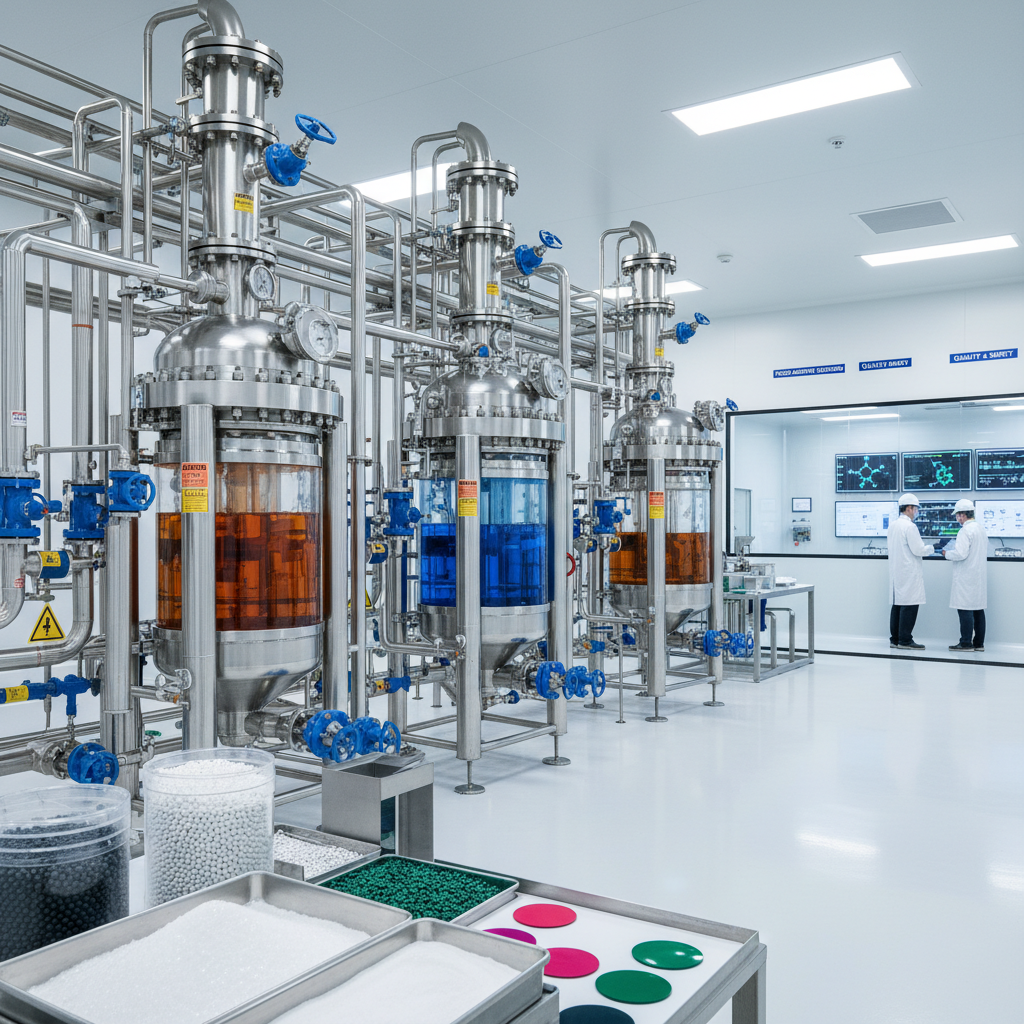
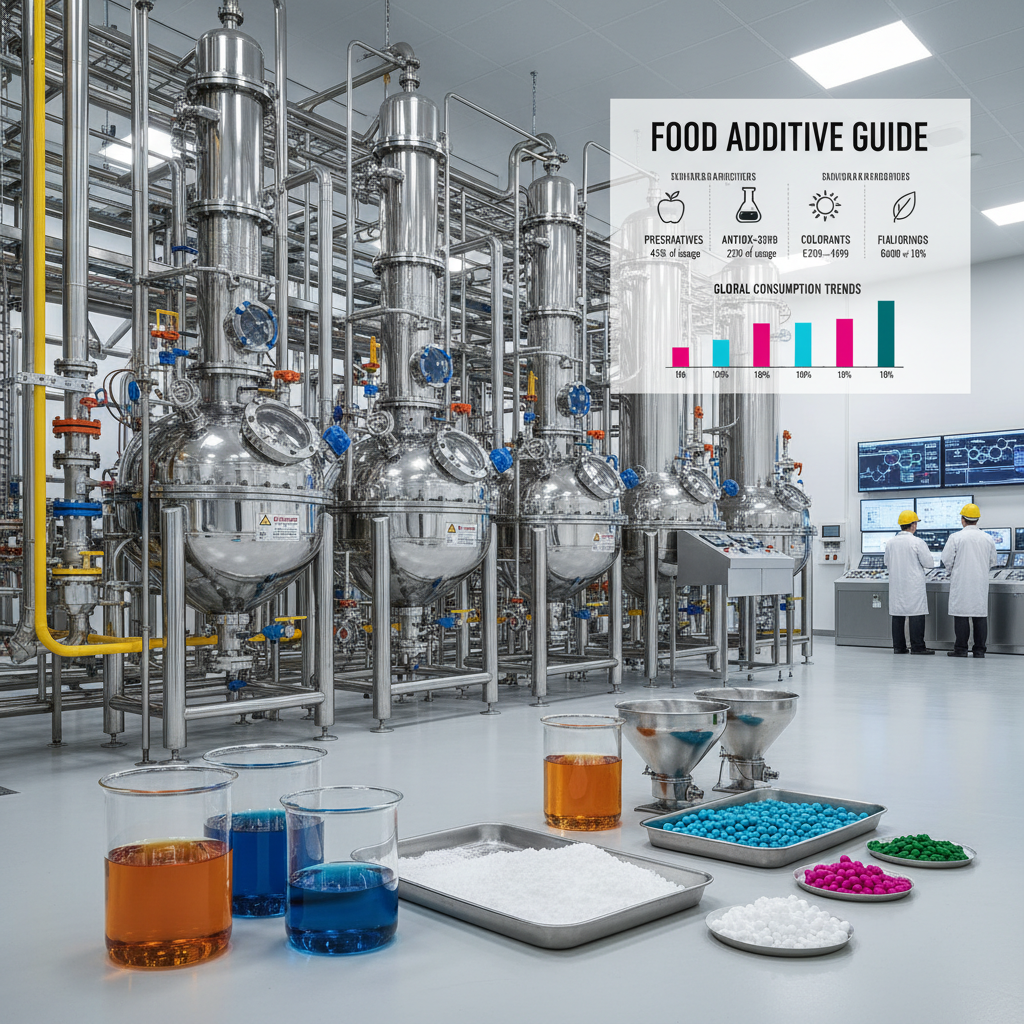
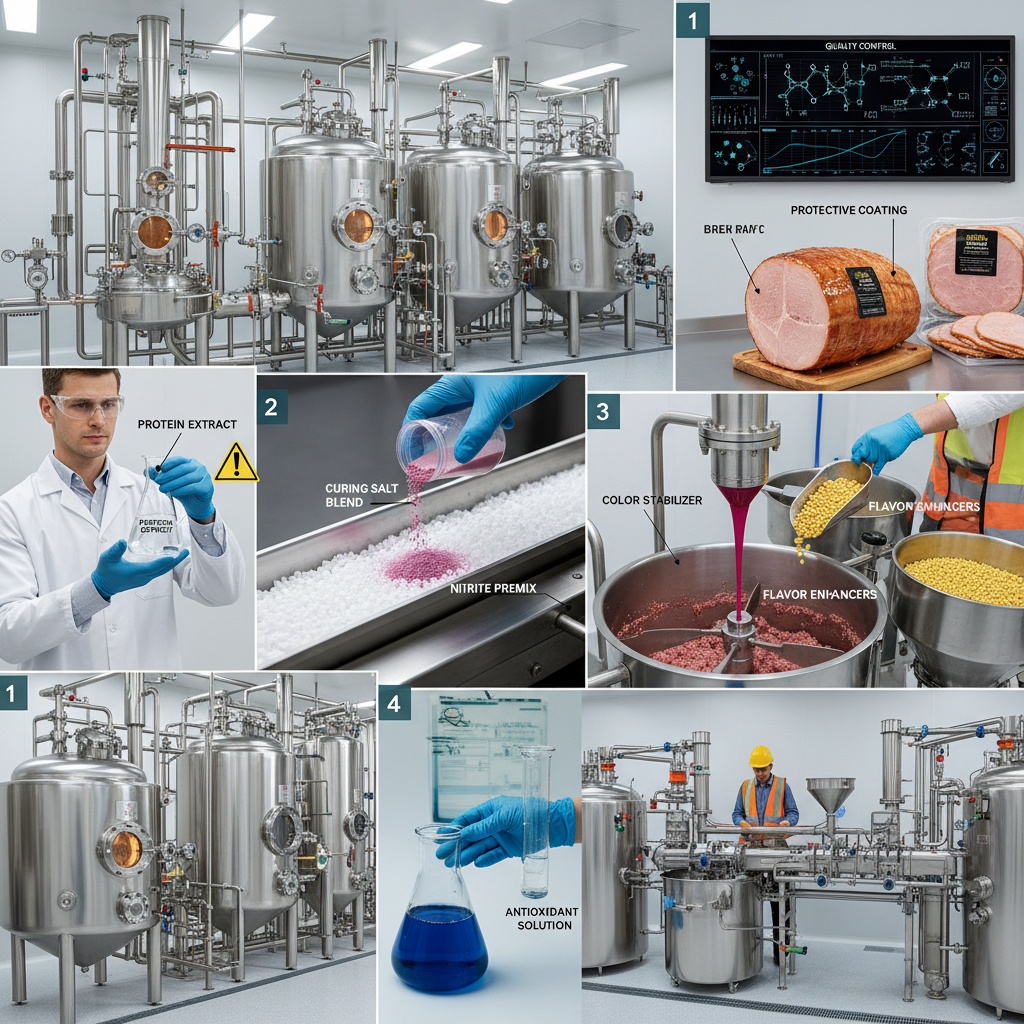
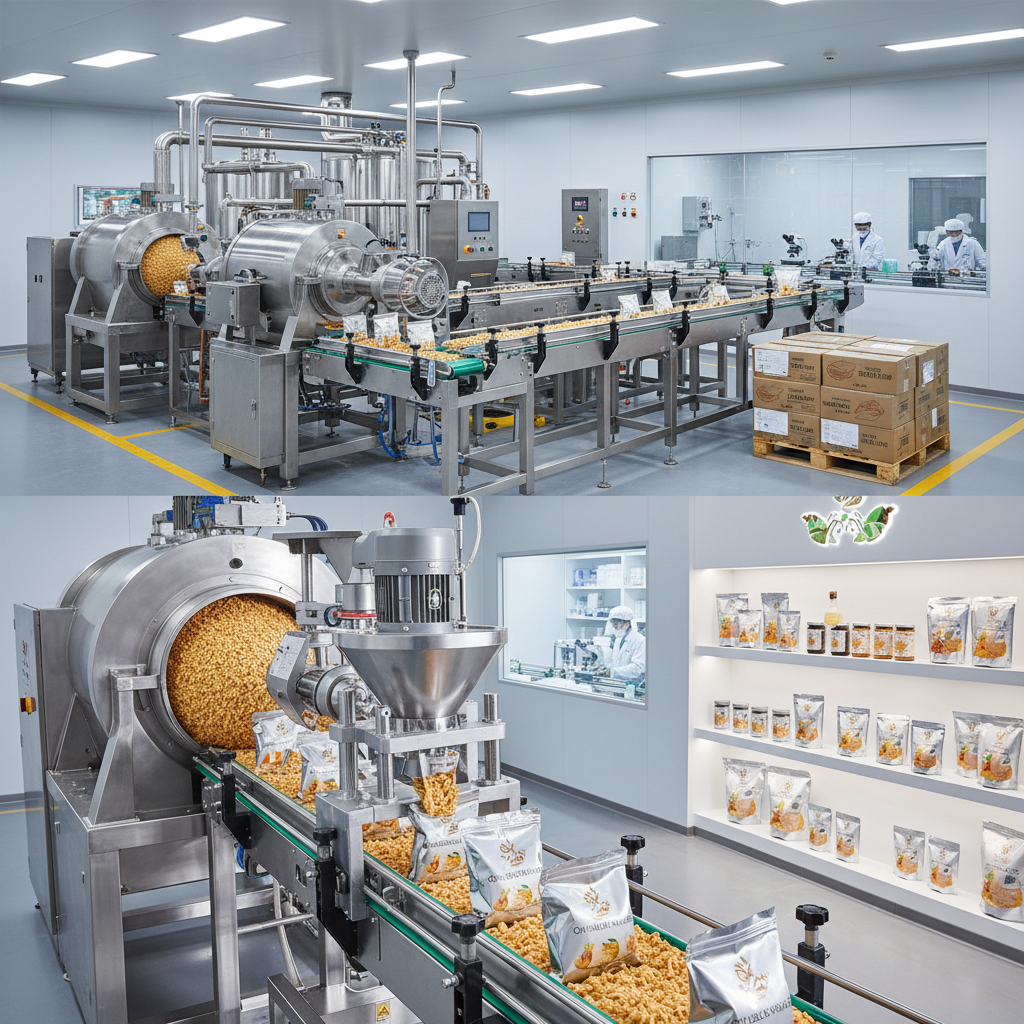
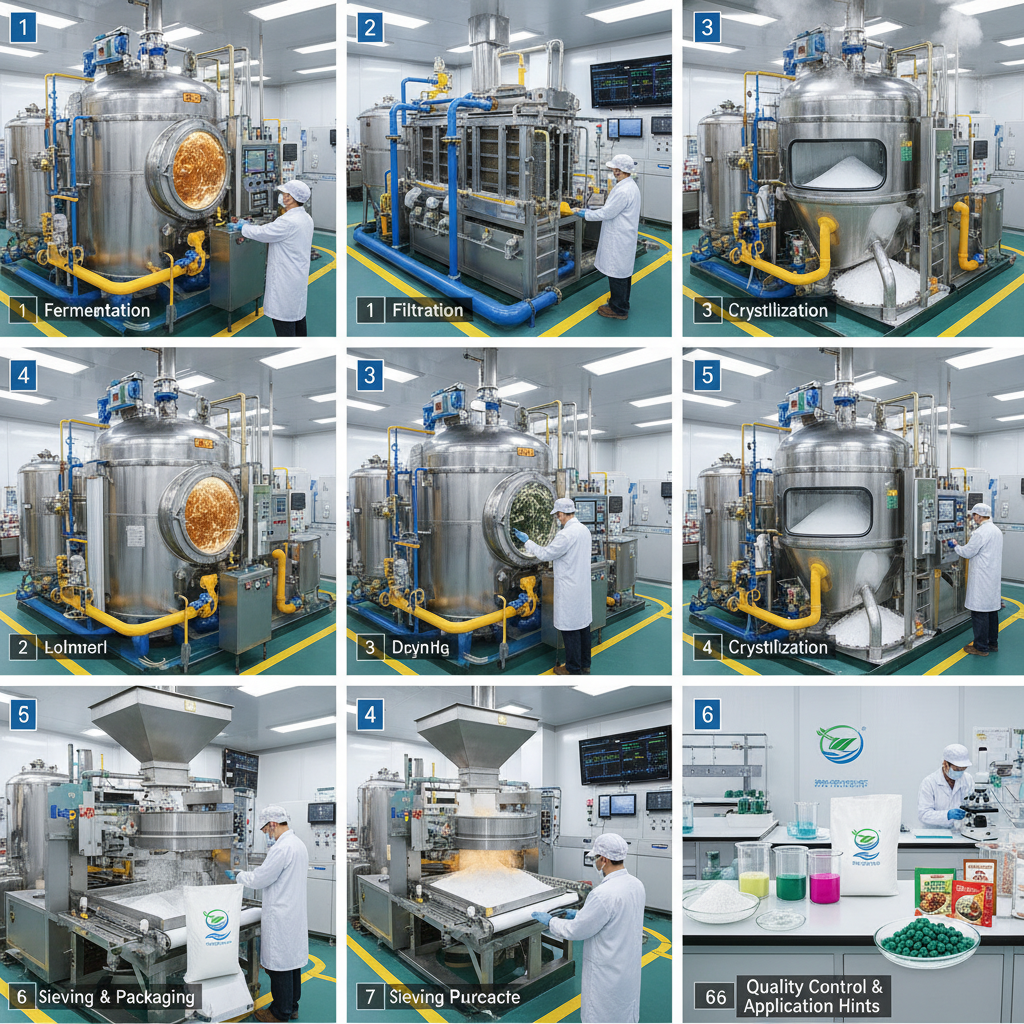
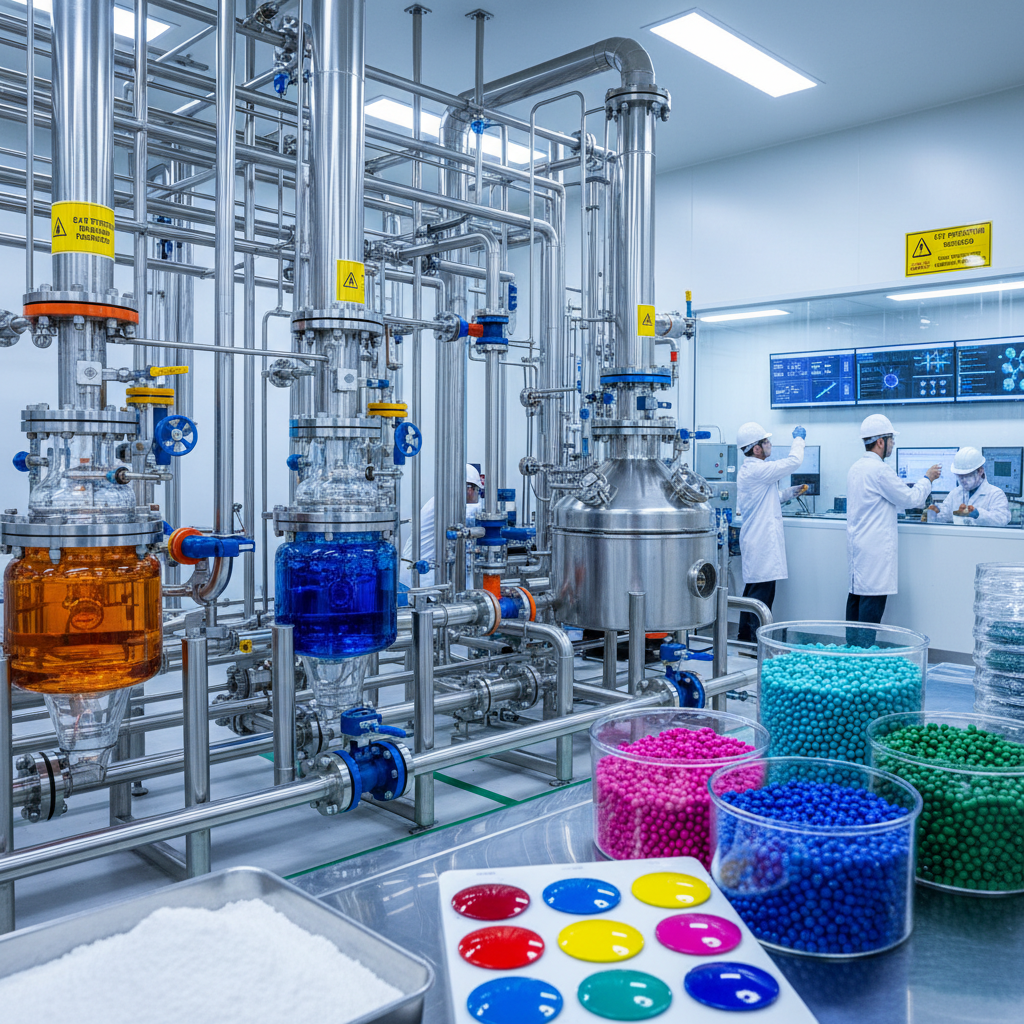
Navigating the complex world of food science requires a reliable food additive guide to ensure that product formulation meets both safety standards and consumer expectations. In an era where the global food supply chain is more intricate than ever, understanding the precise application of stabilizers, preservatives, and enhancers is not just a technical requirement but a commercial necessity for manufacturers.
The global demand for processed foods has surged, leading to a critical need for standardized documentation that bridges the gap between chemical properties and culinary application. A comprehensive food additive guide serves as the primary blueprint for R&D teams, allowing them to optimize shelf-life and nutritional profiles while maintaining strict adherence to international regulatory frameworks.
By leveraging a professional food additive guide, companies can reduce trial-and-error costs in the lab and accelerate the time-to-market for new product lines. Whether dealing with Feed Additives, Food Additives, or Pharmaceutical Intermediates, the ability to cross-reference additives with their functional benefits ensures a consistent, high-quality end product that earns consumer trust.
Global Regulatory Context of Food Additives
The global landscape for food safety is governed by stringent bodies such as the Codex Alimentarius and the FDA, which mandate precise documentation for every ingredient used in mass production. A structured food additive guide is essential for manufacturers to synchronize their local production with these international benchmarks, ensuring that export-grade products are not rejected due to non-compliance.
With the World Health Organization (WHO) emphasizing the reduction of food waste, the role of preservatives—guided by scientific data—has become a pillar of global food security. By following a rigorous food additive guide, producers can extend the viability of perishable goods, effectively reducing the environmental impact of food spoilage in developing regions.
Defining the Role of a Food Additive Guide
At its core, a food additive guide is a technical manual that categorizes substances added to food to maintain or improve its safety, freshness, taste, texture, or appearance. It transforms complex chemical formulas into actionable insights, allowing food scientists to determine the exact dosage required to achieve a desired effect without compromising the health of the consumer.
Beyond simple definitions, these guides connect raw industrial parameters with humanitarian needs, such as bio-fortification. By identifying the correct Pharmaceutical Intermediates and nutrients to add to staple grains, a well-implemented food additive guide helps combat malnutrition in remote areas by ensuring vitamins remain stable during long-term storage.
In the modern industrial context, this guide serves as the intersection between chemistry and commerce. It allows for the scalability of flavors and textures, ensuring that a product tasted in a small lab is identical to the one produced in a thousand-ton batch, thereby maintaining brand integrity and consumer loyalty globally.
Core Components of High-Quality Additives
When consulting a food additive guide, the first critical factor is Stability. This refers to the additive's ability to maintain its functional properties under various temperatures, pH levels, and pressure conditions during processing.
The second pillar is Bio-compatibility and Safety. Any professional food additive guide must provide clear toxicity data and ADI (Acceptable Daily Intake) levels to ensure that the additive does not interact negatively with other ingredients or the human body.
Finally, Cost Efficiency and Scalability are paramount. A guide must not only suggest the most effective chemical solution but also one that is economically viable for large-scale manufacturing, ensuring that the additive does not disproportionately increase the final unit cost of the food product.
Practical Applications Across Diverse Industries
The versatility of a food additive guide extends far beyond the kitchen. In the realm of Feed Additives, these principles are applied to optimize livestock growth and immunity, ensuring that animal proteins are produced efficiently and sustainably to feed a growing global population.
Furthermore, in the production of Pharmaceutical Intermediates, the precision found in additive guides is used to create stable delivery systems for medications. This cross-industry application demonstrates how chemical stabilization, once perfected in food science, can be adapted for high-stakes medical manufacturing in industrial zones.
Comparative Efficacy of Additive Implementation Methods
Long-Term Value and Commercial Advantages
Implementing a rigorous food additive guide provides immediate tangible benefits in the form of reduced waste and consistent product quality. Logically, when a manufacturer can predict the exact reaction of an emulsifier in a specific temperature range, they eliminate the risk of batch failure, which directly preserves profit margins.
Beyond the numbers, there is an emotional and ethical angle: trust. In an age of "clean label" trends, using a guide to find the most natural and safe alternatives to synthetic chemicals enhances brand dignity. Consumers are more likely to trust a company that can transparently demonstrate the safety and purpose of every additive used in their products.
Future Trends in Additive Innovation
The next generation of the food additive guide is shifting toward "Green Chemistry." We are seeing a move away from synthetic preservatives toward bio-preservatives derived from fermentation and plant extracts, reducing the chemical footprint of processed foods.
Digital transformation is also playing a massive role. AI-driven additive guides can now predict molecular interactions in real-time, allowing scientists to simulate the effect of a new Food Additive before a single gram is mixed in the lab. This automation is drastically shortening the R&D cycle.
Furthermore, sustainability is no longer optional. Future guides will prioritize additives that are not only safe for consumption but also biodegradable and sourced from upcycled agricultural waste, aligning food production with the circular economy.
Overcoming Implementation Challenges
Despite the benefits, many firms struggle with "Information Overload." A food additive guide can be thousands of pages long, making it difficult for mid-level technicians to apply the data correctly. The solution lies in the creation of digitized, searchable databases that filter additives by specific functional goals.
Another challenge is the discrepancy between regional regulations. An additive permitted in the US may be restricted in the EU. To solve this, leading manufacturers are adopting "Global Compliance Matrices" within their guides, allowing them to adjust formulations dynamically based on the destination market.
Finally, the resistance to "chemical" additives among consumers requires a shift in communication. Expert insights suggest that instead of hiding additives, companies should use their food additive guide to educate consumers on how these substances actually improve food safety and prevent food-borne illnesses.
Comparative Analysis of Additive Application Strategies
| Additive Category |
Primary Function |
Regulatory Complexity |
Impact Score (1-10) |
| Preservatives |
Shelf-life Extension |
High |
9 |
| Emulsifiers |
Texture Stabilization |
Medium |
8 |
| Sweeteners |
Flavor Modification |
High |
7 |
| Antioxidants |
Oxidation Prevention |
Low |
8 |
| Thickeners |
Viscosity Control |
Medium |
6 |
| Colorants |
Visual Appeal |
Medium |
7 |
FAQS
The primary purpose is to provide a technical roadmap for ingredient selection. It ensures that new manufacturers can choose additives that are safe, compliant with regional laws, and functionally effective for their specific product, thereby preventing costly formulation errors and ensuring consumer safety.
The best approach is to use a food additive guide that references the Codex Alimentarius and the FDA. By cross-referencing your ingredient list with these global standards, you can ensure your products are acceptable for international trade and meet strict safety thresholds.
Yes, modern guides include both synthetic and natural additives. In fact, there is a growing section dedicated to "Clean Label" ingredients, which helps manufacturers replace artificial chemicals with plant-based or fermentation-derived alternatives without losing functionality.
Absolutely. By optimizing the dosage of additives and suggesting more cost-effective alternatives with the same performance metrics, a guide helps reduce raw material waste and minimizes the need for expensive batch re-tests.
While food additives are end-ingredients meant for consumption, pharmaceutical intermediates are chemical compounds used as building blocks to create active pharmaceutical ingredients (APIs). A comprehensive guide often covers both because the stabilization techniques used for both are chemically similar.
It is recommended to review and update your guide at least annually. Regulatory bodies frequently update their "Generally Recognized as Safe" (GRAS) lists, and new, more sustainable additives are developed constantly, which can provide a competitive edge if adopted early.
Conclusion
In summary, a professional food additive guide is more than just a list of ingredients; it is a strategic asset that ensures safety, regulatory compliance, and product consistency. From the initial R&D phase to large-scale global distribution, the ability to precisely manage Food Additives, Feed Additives, and Pharmaceutical Intermediates determines the viability and scalability of a food manufacturing business.
Looking forward, the integration of AI and green chemistry will continue to refine how we use additives, pushing the industry toward a more transparent and sustainable future. For manufacturers seeking to elevate their product quality and ensure global market access, investing in a comprehensive additive strategy is the most reliable path to long-term success. Visit our website: www.chinaseasoning.com